


Painted Wood Duck Decoy
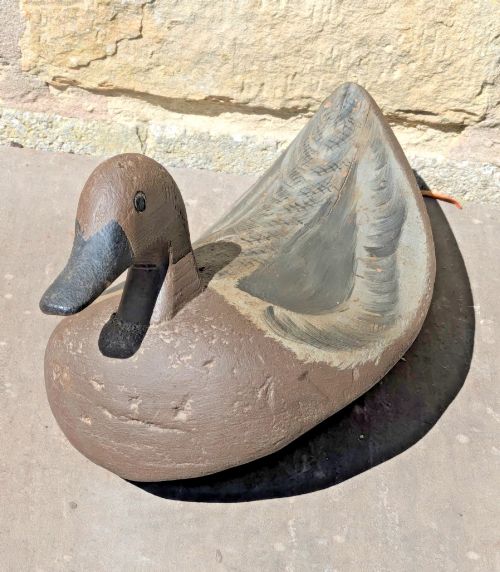
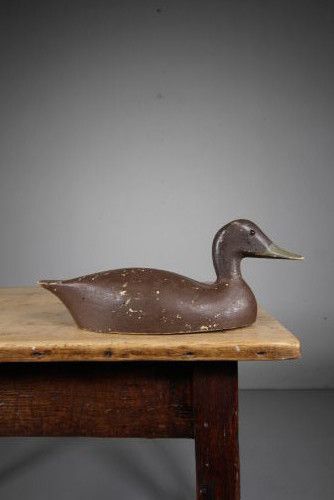
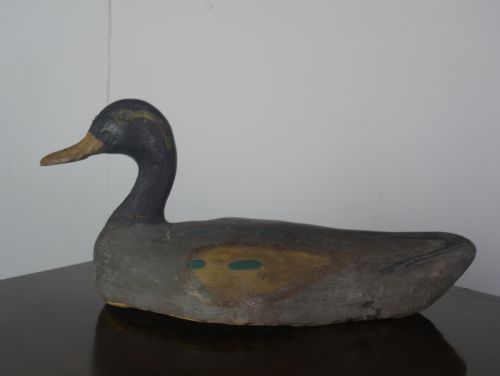
A painted wood duck decoy brings a distinct touch of utilitarian folk art into a room.
Painted Wood Duck Decoy
When you search for a painted wood duck decoy, you are looking at practical working objects turned into sculptural folk art. These pieces served to attract wildfowl on rivers and lakes before becoming decorative objects for the home.
You are most likely to meet 19th century and early 20th century examples on this page. The selection spans Edwardian pieces, items from the 1900s and 1930s, and English country folk art traditions alongside American loon forms.
Most listings take the form of individual carved wood ducks, though pairs and sets of three occasionally appear. Their appeal lies entirely in the straightforward manner of their construction and the patination of age.
How they were made
Makers fashioned each painted wood duck decoy from carved wood, shaping solid blocks to mimic the natural posture of swimming or resting birds. Glass eyes were sometimes added to increase the realism of the sculpture.
Surface decoration relies entirely on hand applied paint. Layers of pigment were applied to indicate plumage, colours that have weathered and worn through decades of exposure and handling.
One decoy comes accompanied by her chick, proving that even wooden ducks appreciated a family outing.
What varies in quality
The distinction between a standard decoy and a superior one rests in the vigour of the carving and the character of the surface. Stronger profiles display a confident understanding of avian anatomy rather than rigid symmetry.
Original painted surfaces define the upper end of the range. Decoys that retain their authentic worn pigment without modern restoration carry a visual honesty that collectors prize above all else.
The Painted Wood Duck Decoy Glossary
- Decoy
- A carved and painted figure used to attract wildfowl within range of a hunter. They were working objects built to float and withstand rough outdoor conditions.
- Folk art
- Utilitarian objects made by self-taught or traditional craftsmen rather than academic sculptors. These pieces value practical function and direct expression over formal artistic rules.
- Patina
- The surface texture and coloration developed through age, wear and handling. On these objects, it shows the gradual softening of old paint.
- Glass eyes
- Insets used in carving to give a lifelike glint to the head. They indicate a higher degree of detail in the maker's work.
Painted Wood Duck Decoy: Frequently Asked Questions
What is a wooden decoy?
A wooden decoy is a carved bird figure historically floated on water to lure real ducks for hunting. Craftsmen shaped them from timber and painted them to match the plumage of various species.
Over time, these practical tools retired from the water and found a second life as decorative sculptures in homes and studies.
How old are these decoys?
The examples available here generally date from the 19th century through to the 1930s. This encompasses Victorian, Edwardian and early twentieth century periods.
Earlier pieces often show greater wear from active use on lakes and marshes, while later 1930s items maintain distinct folk art styling.
Are all decoys English?
While many pieces originate from English country traditions, the selection also includes items reflecting broader styles, such as American loon forms. Makers on both sides of the Atlantic produced working birds tailored to local waters.
Examining the specific carving methods and timber choices helps reveal the likely origin of an individual piece.
Where should I display one?
These sculptures suit rustic interiors, studies or neutral modern spaces where their sculptural form can stand out. Placing them on a bookshelf or mantelpiece allows you to appreciate the worn paint close up.
Keep them away from direct heat sources and strong sunlight to protect the fragile historic pigments.