


Wildfowl Wooden Decoy
These wildfowl wooden decoy pieces bring working shorebird carvings into domestic spaces as characterful decorative sculptures.
Wildfowl Wooden Decoy
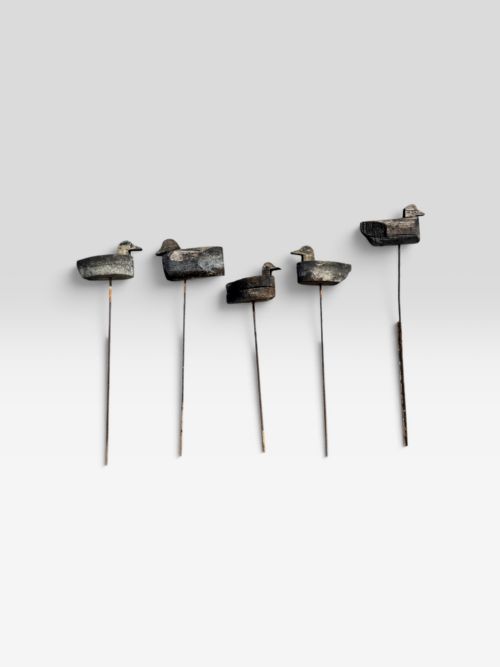
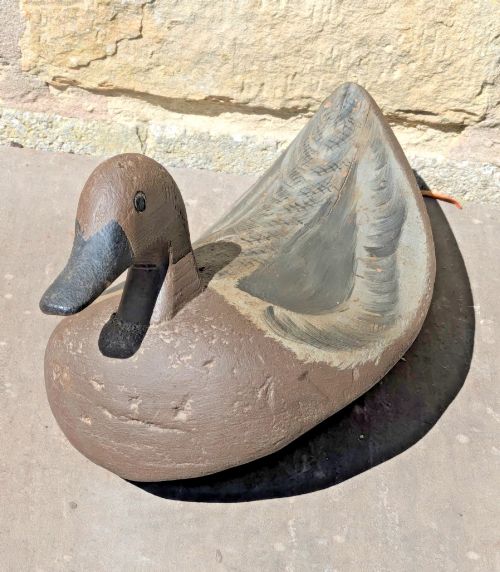
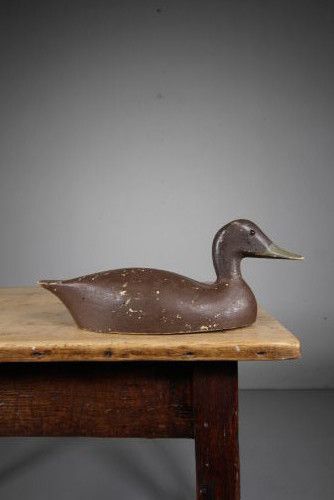
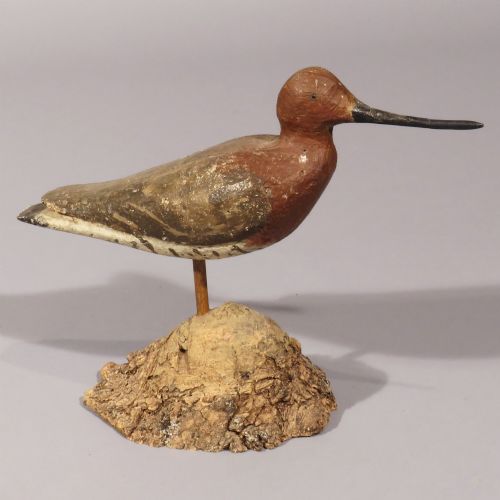
A wildfowl wooden decoy represents a working bird carved to attract waterfowl during hunting, now valued as a decorative object. When browsing wildfowl wooden decoy options, the buyer encounters various forms including decoy ducks, black tailed godwits, and loons with chicks.
The objects span the nineteenth century, Edwardian era, and the nineteen twenties and thirties. Pieces emerge from English and French traditions, often classified under folk art or English country folk art.
Most items appear singly or in small sets of three. Their forms range from simple waterfowl silhouettes to detailed hand painted carvings with glass eyes and iron fittings.
Materials and Construction
Makers shaped timber, pine, and bark using carving tools to create the body and head of each bird. Wood forms the primary structure across the items.
Surfaces received layers of paint to mimic natural plumage, often showing age and weathering from outdoor use. Additional components sometimes include glass for eyes and iron for structural reinforcement.
Factors That Determine Quality
The strength of the original paint surface dictates much of the character, with retained pigment carrying significant visual weight. Subtle carving detail in the head and bill separates simpler carvings from more expressive representations.
Proportion and stance create a convincing silhouette that mimics a resting bird. The integration of materials like glass eyes and iron pins adds to the finished presence of the carving.
The Wildfowl Wooden Decoy Glossary
- Decoy duck
- A carved wooden bird utilised by hunters to lure waterfowl. These objects now function as decorative sculptures.
- Folk art
- Artistic work created within a traditional culture by self-taught makers. These pieces reflect regional vernacular styles rather than academic training.
- Glass eye
- A small manufactured orb inserted into the carved head to give life to the bird. This detail enhances the realism of the sculpture.
- Bark
- The outermost layer of a tree trunk, occasionally utilised in rustic construction. It provides textured surface detail on specific carvings.
Wildfowl Wooden Decoy: Frequently Asked Questions
What is a wildfowl wooden decoy?
A wildfowl wooden decoy is a carved bird sculpture originally built to attract ducks and shorebirds for hunting.
Today, collectors acquire them as decorative objects for interior display.
How old are these decoys?
The available pieces date from the nineteenth century through the nineteen thirties, encompassing the Edwardian period.
Dates are estimated based on materials, construction methods, and surface wear.
Where were these decoys made?
The inventory includes items originating from England and France.
Regional working traditions heavily influenced the shapes and paint applications of each carving.
How should I display a decoy?
Decoys sit well on shelves, mantelpieces, or tables as standalone decorative sculptures.
Their folk art aesthetic complements both traditional and modern rustic interiors.