


Hand Carved Decoy Bird
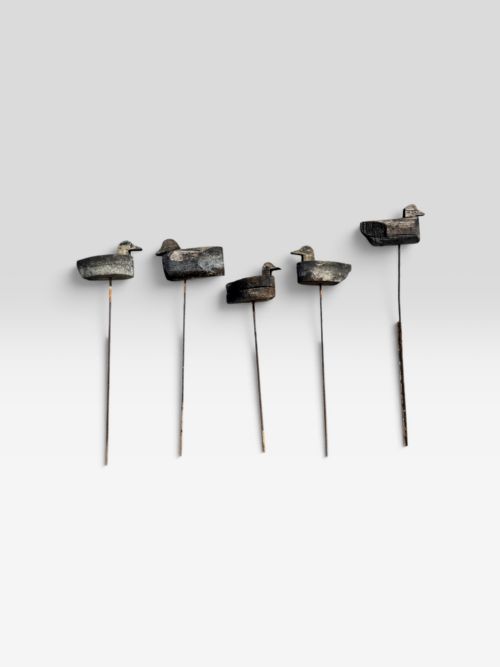
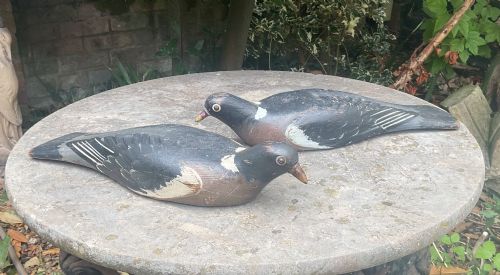
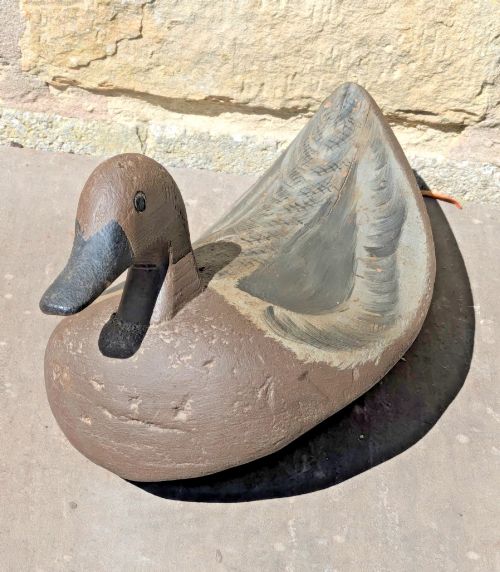
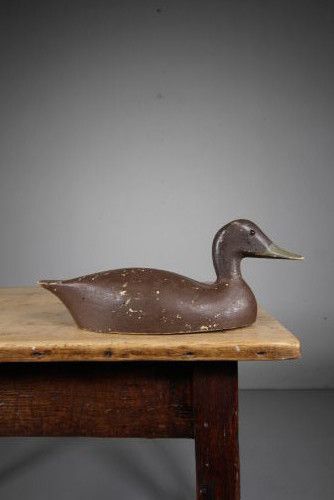
A hand carved decoy bird brings rustic folk art charm into a room, capturing the simple silhouette of waterfowl and pigeons.
Hand Carved Decoy Bird
When you search for a hand carved decoy bird, you are looking at working working water birds and pigeons created to attract game, which now survive as decorative sculptures. The versions you are most likely to meet on this page span the nineteenth century, the Edwardian era, and the nineteen-twenties and thirties. These objects originate largely from English workshops, alongside occasional French examples.
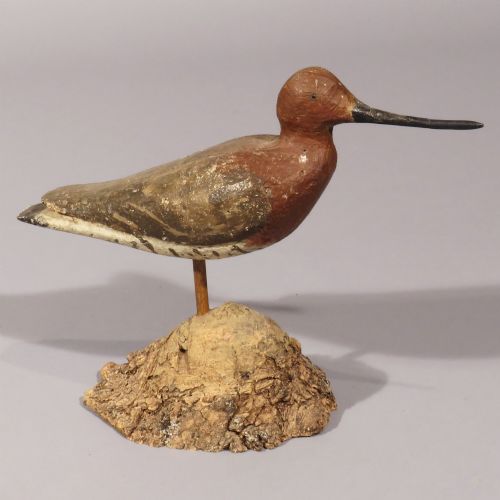
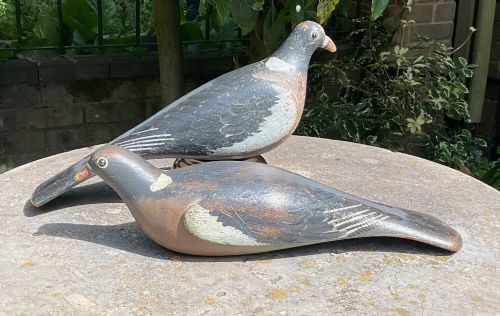
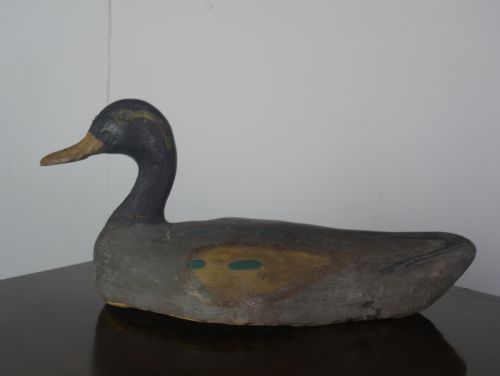
The forms vary from single ducks and geese to black-tailed godwits, loons with chicks, and pairs of pigeons. Sculptural and rustic, these pieces are classed primarily as folk art and decorative objects. They function as striking display items rather than working tackle.
How they were made
Maker's hands shaped these figures from timber, wood, and occasionally bark, employing simple carving techniques to define the body and head of each bird. Glass eyes are sometimes integrated to add realism to the wooden form.
Makers applied paint to the carved surfaces to mimic natural plumage, often layering colours that have worn over the decades. Iron components occasionally appear in the construction or mounting of the pieces.
Listings feature wooden decoy birds spanning the nineteenth century, the Edwardian era, and the nineteen-twenties and thirties.
What varies in quality
The character of the paint surface and the crispness of the timber carving separate simpler items from more expressive sculptures. Original layered pigment that has aged naturally carries greater visual appeal than plain or later surfaces.
The complexity of the subject matter also influences the piece, such as a loon with a chick or a matched pair of pigeons compared to a single duck. Sculptural presence and untouched folk art charm dictate the standing of an individual bird.
The Hand Carved Decoy Bird Glossary
- Folk art
- Utilitarian objects made by self-taught or traditional craftsmen rather than academic sculptors. These pieces derive their appeal from practical origins and unpretentious styling.
- Decoy
- A carved or moulded figure used to attract wild birds or animals within range of a shooter. They were working items built for utility on marshes and fields.
- Edwardian
- Pertaining to the reign of King Edward VII, spanning the early years of the twentieth century. Items from this period often display softer painted details.
- Godwit
- A large shorebird with a long slightly upturned bill, represented in vernacular carvings. These less common subject forms appeal to specialist collectors.
Hand Carved Decoy Bird: Frequently Asked Questions
What is a hand carved decoy bird?
A hand carved decoy bird is a traditional wooden carving originally utilised by hunters to lure wildfowl and pigeons. Today, these carved wooden objects are collected and displayed as decorative folk art sculptures.
They capture the rustic forms of various water birds and land birds, shaped from timber and painted by hand.
How were these decoys used?
Working decoys were placed on water or in fields to attract live birds within shooting distance. Hunters relied on their convincing silhouettes and painted surfaces to draw game.
Over time, weathering and wear from actual use on the water or land contributed to the patinated surfaces prized by collectors today.
How do I style a decoy bird at home?
These decorative sculptures suit rustic, traditional, and eclectic interiors alike. They sit comfortably on bookshelves, sideboards, or mantelpieces where their carved wooden texture can be appreciated up close.
Grouping pairs or mixing different species, such as ducks and pigeons, creates a focused display of country folk art.
How do I tell the periods apart?
Nineteenth-century examples often exhibit heavier timber construction and deeply weathered painted surfaces. Edwardian and early twentieth-century pieces frequently display lighter handling and distinct regional carving traits.
Examining the type of paint, the wear on the wood, and any structural iron fittings helps indicate the age of the carving.