


Antique Wooden Duck Decoys
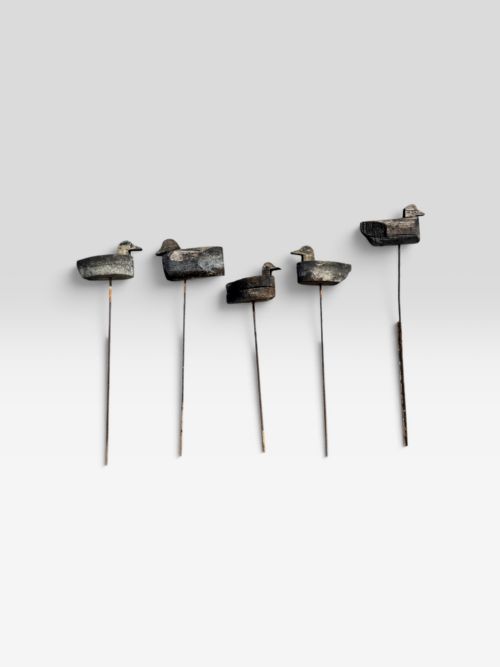
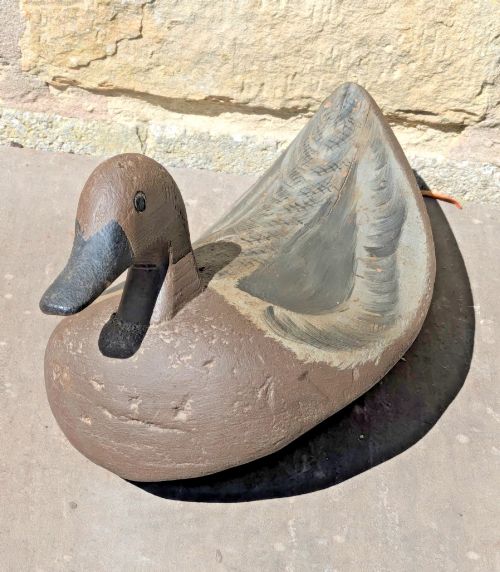
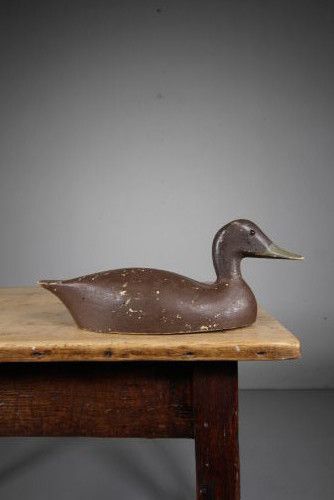
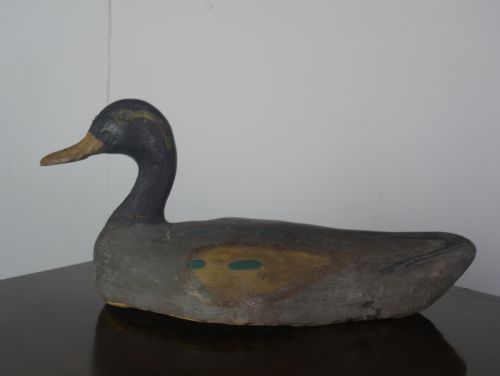
Antique wooden duck decoys bring raw rustic character into a room, shaped from timber and layered with weathered paint by makers who understood the forms of wildfowl.
Antique Wooden Duck Decoys
Antique wooden duck decoys are working water bird sculptures shaped from timber, carved to lure ducks within range during shoots and later preserved as decorative objects. The examples collected under antique wooden duck decoys span periods from the nineteenth century through the 1930s, including Edwardian pieces and works from the 1920s.
The forms vary from simple working birds to specific regional shapes and folk art studies of water birds. Buyers frequently encounter carved decoy ducks alongside related figures such as an America Loon and studies of ducklings.
Origin and regional style shape the character of these carvings, with English and French examples appearing among the selection. Many pieces reflect English country folk art traditions, showing straightforward craftsmanship and utilitarian design.
Materials and construction
Makers fashioned these pieces primarily from carved wood and solid timber, shaping the bodies with hand tools to achieve buoyant, convincing water bird silhouettes. Alternative materials appear occasionally, including papier mâché and straw in specific folk art studies.
Surface finishes rely heavily on paint, applied by hand to render feather patterns and natural colouration that weathered through exposure to water and weather. Iron fittings and glass elements sometimes complete the construction, particularly in eyes or ballast weights.
One remarkably honest decoy still bears the faint tooth marks of an eager retriever that clearly failed to distinguish wood from bird.
Assessing quality in decoys
Quality rests upon the strength of the carving and the integrity of the original painted surface. Pieces with crisp tool marks and undisturbed layers of early paint hold greater visual presence than heavily restored examples.
Proportion and stance distinguish a superior carving, capturing the natural posture of a water bird with economy and vigour. The most successful pieces possess a strong silhouette that reflects the utilitarian purpose of the object.
The Antique Wooden Duck Decoys Glossary
- Decoy duck
- A carved or moulded figure placed on water or shore to attract wildfowl. These objects were working tools before entering homes as decorative sculptures.
- Folk art
- Utilitarian items and decorative pieces made by self-trained makers outside academic traditions. This style defines many rural and early twentieth-century wooden decoys.
- Edwardian
- Pertaining to the reign of King Edward VII, spanning from 1901 to 1910. Decoys from this period display classic early twentieth-century British craftsmanship.
- Papier mâché
- A composite material made of paper pulp or sheets reinforced with glue, used here in sculptural studies. It offers a lightweight alternative to carved timber.
Antique Wooden Duck Decoys: Frequently Asked Questions
What were wooden duck decoys used for?
Hunters placed these carved timber birds on lakes and marshes to lure wildfowl within shooting range.
Over time, their functional purpose faded, and their striking sculptural forms led to them being collected as decorative folk art.
How do I date an old decoy?
Dating relies on examining the tool marks left by the maker, the type of timber used, and the composition of the paint layers.
Stylistic cues specific to periods like the Edwardian era or the 1920s also help establish when a piece was carved.
Are all decoys made of solid wood?
While timber and carved wood are the primary materials, makers occasionally utilised alternative substances.
Examples exist fashioned from papier mâché and straw, particularly within folk art studies of water birds.
How should I display a wooden decoy?
These pieces suit placement on bookshelves, sideboards, or mantels where their silhouette and surface texture can be appreciated.
Keep them away from direct sunlight and excessive moisture to protect the aged paint and timber.