


Carved Timber Duck Decoys
Carved timber duck decoys are working waterbirds shaped by hand to draw fowl, prized now as characterful folk art sculptures.
Carved Timber Duck Decoys
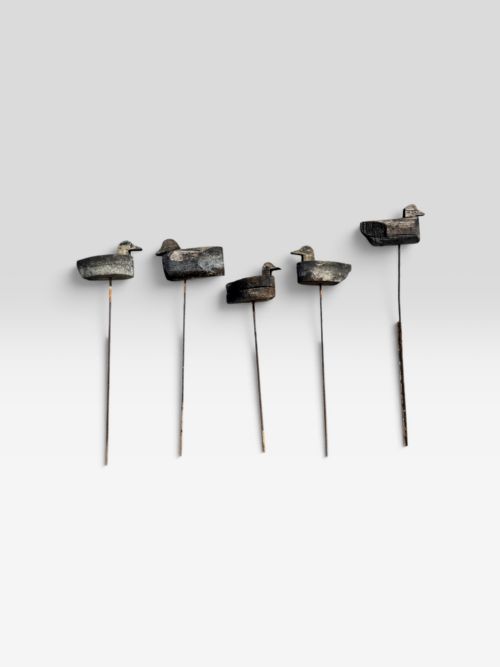
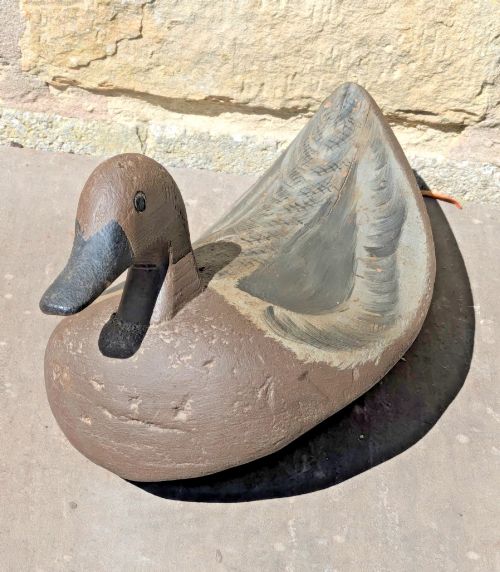
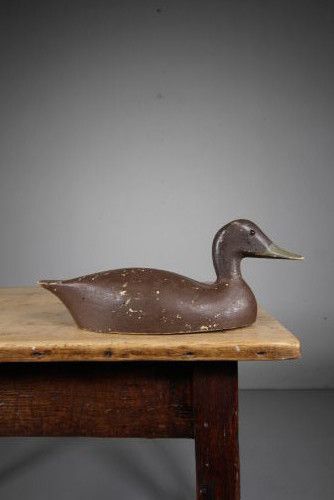
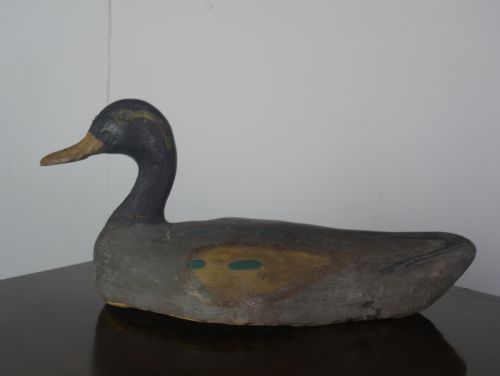
Carved timber duck decoys are traditional working waterbird sculptures created to attract game fowl on lakes and rivers. When you browse this selection of carved timber duck decoys, you encounter pieces that transitioned from utilitarian items of equipment into decorative objects of folk art.
The pieces on this page span several eras including the nineteenth century, Edwardian period, and the nineteen-twenties and nineteen-thirties. You meet single examples as well as small sets, alongside related waterbird forms such as an American loon with her chick.
English country folk art traditions feature strongly alongside continental European examples like French rustic water birds. Most items combine carved wood or timber construction with hand-painted surfaces, sometimes incorporating glass eyes or iron hardware.
Materials and construction
Makers shaped solid blocks of wood and pine into buoyant bird forms using hand tools. The resulting timber bodies received durable coats of paint to replicate the plumage of wild ducks.
Details such as glass eyes were frequently added to enhance realism, while iron elements appear in the construction or weighting of certain examples.
One notable sculpture portrays an American loon accompanied by her chick.
Assessing quality and character
Quality in these sculptures rests upon the vigour of the carving and the preservation of the original painted surface. Stronger examples display confident shaping of the head and body that captures the alert posture of a resting waterbird.
The integrity and depth of the old paint layers distinguish superior decorative objects. Patina accumulated through working use on the water adds authenticity to nineteenth-century and early twentieth-century pieces.
The Carved Timber Duck Decoys Glossary
- Decoy
- A carved or moulded figure used to attract wildfowl within range of a hunter. These objects were originally set afloat upon the water or placed along the shoreline.
- Folk art
- Utilitarian items and decorative sculptures made by self-taught or traditional craftsmen outside the academic mainstream. This category emphasises regional style and honest materials.
- Patina
- The surface sheen and coloration developed through age, handling, and exposure to the elements. On older timber surfaces, this indicates genuine working history.
- Edwardian
- Pertaining to the reign of King Edward VII, spanning from nineteen-hundred and one to nineteen-ten. Pieces from this era often exhibit refined decorative qualities.
Carved Timber Duck Decoys: Frequently Asked Questions
What are carved timber duck decoys?
These objects are traditional working sculptures shaped from wood to resemble waterfowl for hunting purposes. Today they are collected and displayed as decorative folk art.
They range from single nineteenth-century English examples to sets and continental pieces with hand-painted finishes.
How were decoy ducks used?
Fowlers placed these wooden birds upon lakes and rivers to lure wild ducks within range. Their painted silhouettes convinced real birds to land nearby.
Over time, surviving examples left the water behind to become decorative objects in homes and studies.
How do I date a wooden decoy?
Dating relies upon stylistic markers, construction methods, and the composition of the painted surface. Nineteenth-century examples often show deeper tool marks and heavier patination.
Edwardian and nineteen-twenties pieces reflect the specific decorative painting techniques and timber preparation of those decades.
How should I display decoys at home?
These sculptures suit placement on bookshelves, sideboards, or mantelpieces where their sculptural silhouettes can be appreciated from all angles. They integrate well into rustic and traditional interiors.
Keep them away from direct heat sources and strong sunlight to protect the historic painted wooden surfaces.