


Vintage Timber Wildfowl Decoys
These vintage timber wildfowl decoys are hand-carved working lures turned decorative objects, prized for their weathered folk art surfaces and rustic presence.
Vintage Timber Wildfowl Decoys
When you search for vintage timber wildfowl decoys, you encounter carved wooden birds fashioned to attract waterfowl during shooting expeditions. The examples seen here span the nineteenth century through the early twentieth century, including the Edwardian era and the nineteen-twenties.
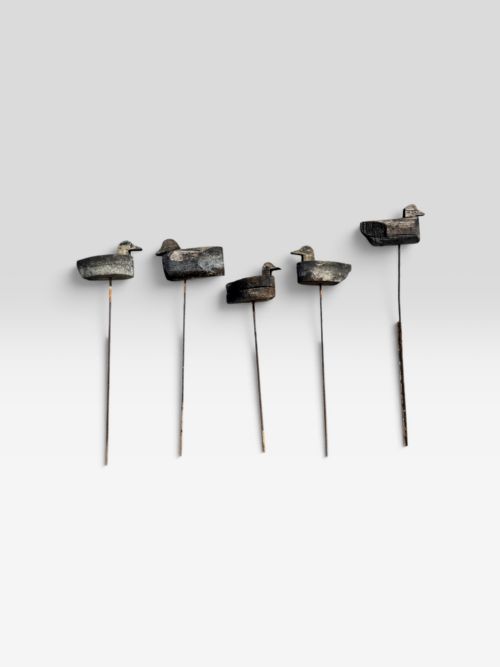
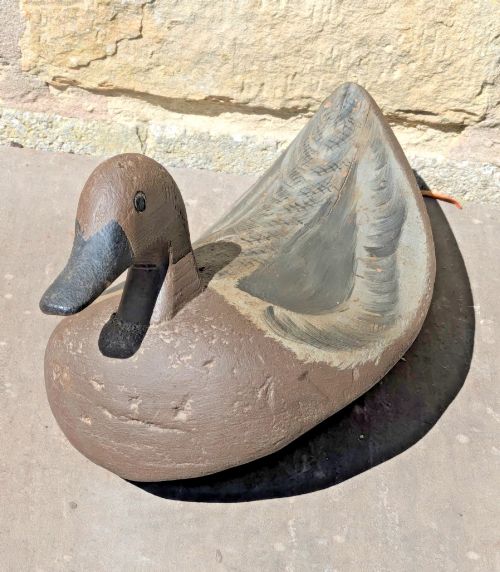
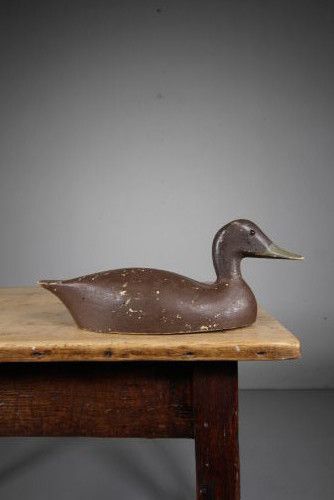
Most items combine carved wood or pine bodies with hand-applied paint, sometimes incorporating glass eyes or iron fixings. You find them presented either as single decorative sculptures or in grouped sets of three.
How they were made
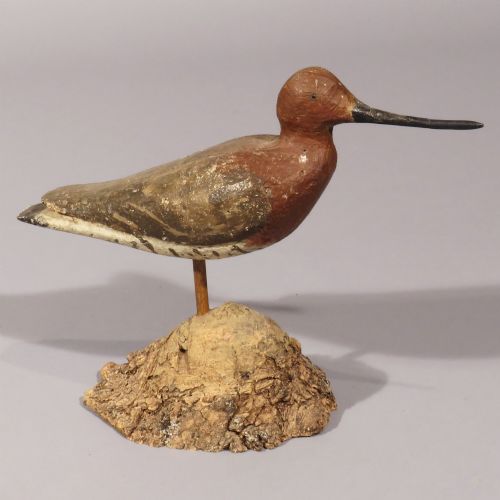
The makers carved these decoys from timber, wood, and pine, occasionally integrating natural bark into the construction of the bodies. Such materials were shaped by hand to create convincing silhouettes of ducks and water birds.
Surfaces received layers of hand-applied paint to render realistic plumage and markings. Artisans fitted glass for eyes and used iron components for structural reinforcement or weighting where required.
Listings span the nineteenth century, the Edwardian era, and the nineteen-twenties, utilising wood, pine, paint, glass, and iron.
What varies in quality
Quality rests in the sculptural confidence of the carving and the character of the remaining paint surface. Pieces that retain their original layered pigment show a visual depth absent from items stripped or heavily repainted.
Form dictates distinction, ranging from standard decoy ducks to more ambitious subjects like an American loon accompanied by a chick. The balance between utilitarian function and expressive folk art charm determines the standing of each piece.
The Vintage Timber Wildfowl Decoys Glossary
- Decoy duck
- A carved wooden float or sculpture used historically to lure wildfowl within shooting range. Today they are collected as decorative objects.
- Folk art
- Utilitarian items made by self-taught or traditional craftsmen rather than professional academic sculptors. These objects display regional styles and direct handling of materials.
- Edwardian
- Pertaining to the reign of King Edward VII, spanning the early years of the twentieth century. Pieces from this period reflect specific British decorative tastes.
- Pine
- A softwood commonly utilised by vernacular carvers for its working properties and availability. It accepts paint readily and weathers distinctively over time.
Vintage Timber Wildfowl Decoys: Frequently Asked Questions
What are vintage timber wildfowl decoys?
These objects are carved wooden birds originally floated on water or placed on shores to attract live ducks and shorebirds for hunting. Over time, their utility faded and they transitioned into decorative sculptures valued for their rustic aesthetic.
They are fashioned from solid timber and pine, then hand-painted to mimic the plumage of various species.
How do I date an antique decoy?
Dating relies upon evaluating the tool marks left by the carver, the composition of the paint layers, and the wood species utilised. Earlier nineteenth-century examples often display heavier wear and simpler, robust profiling.
Comparative analysis with documented regional styles helps place pieces within eras such as the Edwardian period or the nineteen-twenties.
Where were these decoys made?
The pieces originate from domestic workshops in England and France, reflecting local shooting traditions and vernacular carving habits. English country folk art pieces share stylistic traits tied to regional marshes and riverways.
French makers contributed distinct decorative water bird interpretations with characteristic surface treatments.
How should I display decoys at home?
These decorative objects suit placement on bookshelves, sideboards, or mantels where their wooden textures and weathered paint can be examined closely. They integrate well into rustic, traditional, or eclectic interiors.
Grouping sets of three or displaying single sculptures creates strong focal points within a room.