
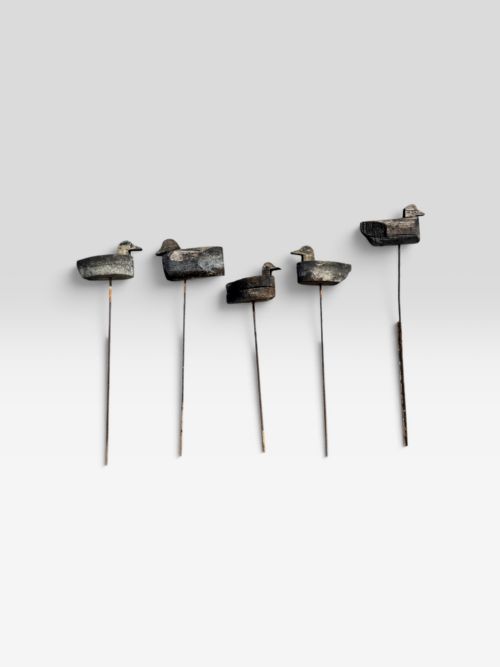
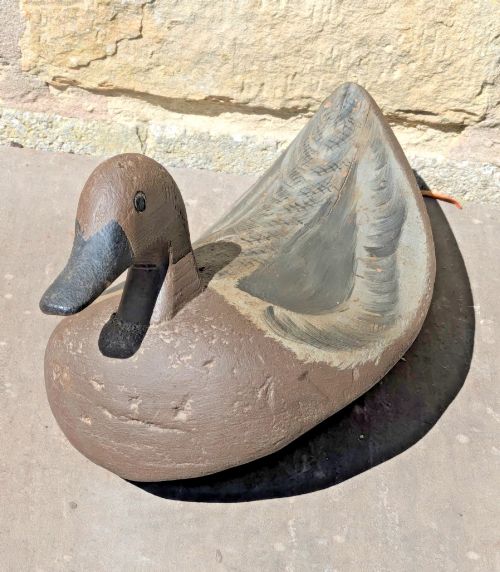
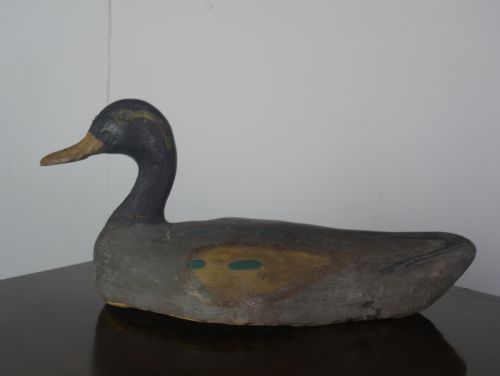


Rustic Decoy Duck
Rustic decoy duck pieces are working waterfowl carvings that transitioned from marshes to mantelpieces, bringing tactile folk art character to any interior.
Rustic Decoy Duck
A rustic decoy duck is a carved and painted waterfowl figure originally utilised by hunters to lure birds on open water. Today, collectors acquire these objects primarily as decorative sculptures and folk art centrepieces for country interiors.
The pieces on this page span the nineteenth century, the Edwardian era, and the early twentieth century up to the 1930s. You will frequently encounter hand-painted wooden examples originating from English and French makers, alongside occasional variations such as papier-mâché studies.
How they were made
Makers fashioned these utilitarian objects from timber, pine, and carved wood, shaping the solid blocks with hand tools to replicate the natural buoyancy and posture of water birds. Some examples employ alternative lightweight substances including papier-mâché and straw.
Artisans applied layers of paint by hand to capture the plumage of each duck, resulting in weathered patinas that accrued through exposure to outdoor elements and years of handling.
Listings feature items from the 19th Century, Edwardian period, and the 1920s to 1930s, constructed in wood, pine, and papier mâché.
What varies in quality
The distinction between ordinary and exceptional examples rests upon the vigour of the carving and the integrity of the original paint surface. Pieces that retain their unpolished, untouched pigment command greater interest among collectors.
Form and proportion dictate visual success, with certain figures displaying lively postures and balanced silhouettes that elevate them beyond utilitarian objects into genuine works of folk art.
The Rustic Decoy Duck Glossary
- Decoy duck
- A carved and painted water bird figure historically placed on lakes or marshes to attract wildfowl. These items now function as decorative sculptures.
- Folk art
- Utilitarian and decorative objects created by self-taught or traditional artisans, often characterised by bold simplification and direct craftsmanship.
- Patina
- The surface texture, wear, and colour transformation developed on wood and paint over decades of age and use. It serves as a visual record of history.
- Papier-mâché
- A composite material made from paper pulp or sheets mixed with glue, utilised in select lightweight sculptural studies.
Rustic Decoy Duck: Frequently Asked Questions
What is a rustic decoy duck?
A rustic decoy duck is a traditional carved wooden water bird sculpture originally used by wildfowlers to attract ducks. Today, they are collected as decorative folk art objects.
Most examples date from the nineteenth and early twentieth centuries, featuring hand-carved timber bodies and aged painted surfaces.
Where were decoy ducks made?
Decoys were produced across various regions, with English and French pieces appearing frequently. Makers worked locally using available timber and traditional hand tools.
Each region often developed distinct silhouette preferences and painting styles suited to local hunting practices.
How do I style a decoy duck?
These sculptures suit rustic, traditional, and eclectic interiors, sitting comfortably on bookshelves, mantelpieces, or side tables. Their weathered textures provide a strong focal point.
Pair them with natural wood furnishings and neutral backdrops to let the historical paint surfaces stand out.
Are all decoys made of wood?
While the majority of pieces are carved from solid wood or pine, alternative materials do exist. Some nineteenth and early twentieth-century examples utilise papier-mâché and straw.
Each material responds differently to age, contributing unique surface characteristics to the finished sculpture.