



Antique Wooden Wildlife Carving
An antique wooden wildlife carving brings the presence of nature indoors through masterly handwork.
Antique Wooden Wildlife Carving
An antique wooden wildlife carving encompasses sculptural studies and functional pieces shaped from timber to represent animals. When searching for an antique wooden wildlife carving, buyers encounter forms ranging from free-standing figures to fitted furnishings.
The selections span the nineteenth and early twentieth centuries, dominated by Black Forest workshop production alongside French country and African tribal examples. Common representations include red deer, eagles, hippopotamuses, ibexes, foxes, and panthers.
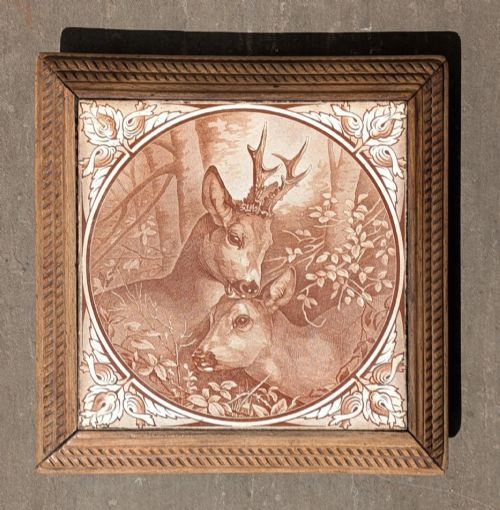
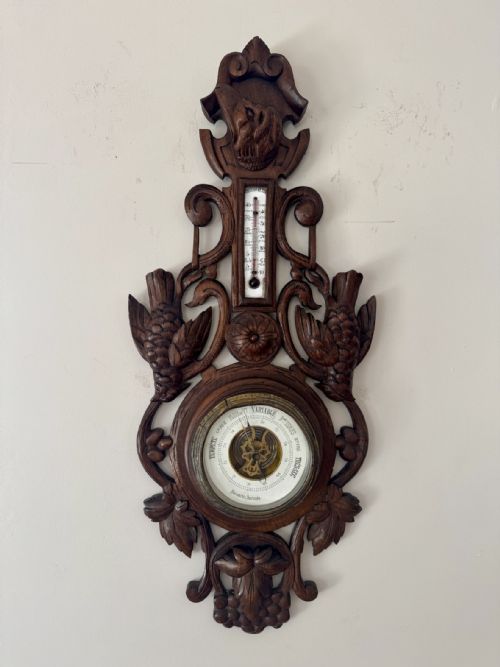
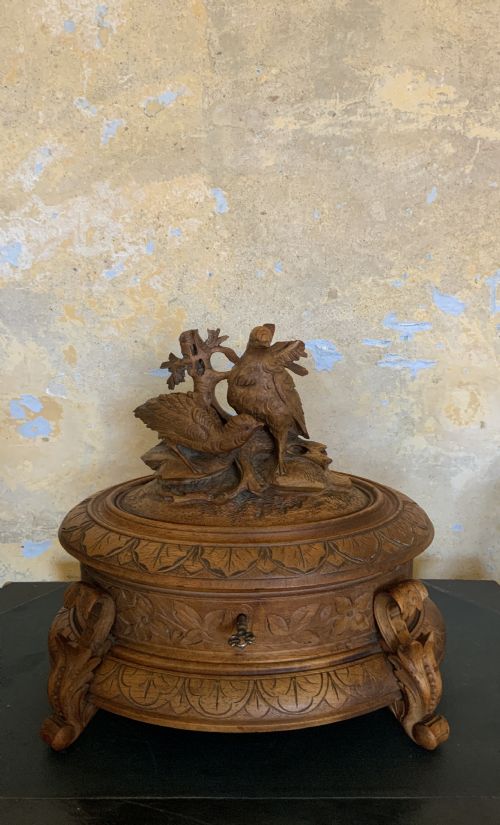
Functional items integrate carved fauna into everyday objects such as aneroid barometers, caskets, wall mirrors, hall stands, and trivets. These pieces demonstrate how makers combined practical utility with expressive animal sculpture.
Materials and construction
Carvers utilised regional timbers including walnut, lime wood, linden wood, and oak, alongside imported hardwoods and bone. These woods were selected for their grain and stability, allowing intricate detail work without splitting.
Surfaces received hand carving with specialised gouges and chisels to render fur, feathers, and muscular form. Paint, applied finishes, and glass eyes were frequently added to heighten realism in the final sculpture.
Antique Wooden Wildlife Carving Retail Price Guide 2026
Typical asking prices for wooden wildlife carving among the pieces listed under this phrase on Sellingantiques today, from the lower quarter to the upper quarter. They describe what is for sale here now, not the wider market.
A lifesize antelope stands ready to greet visitors, proving that nineteenth-century homeowners enjoyed a touch of the savanna in the parlour.
Assessing quality and execution
Quality rests upon anatomical accuracy and the depth of the carving. Superior examples capture musculature, tension, and texture with precision, whereas simpler pieces rely on basic shaping and minimal surface detail.
Scale and ambition dictate distinction, moving from small decorative items to lifesize figures or complex furniture pieces integrating multiple animal studies. The integration of functional elements, such as working barometer mechanisms or hinged caskets, also influences distinction.
The Antique Wooden Wildlife Carving Glossary
- Black Forest
- A style of wood carving originating in the mountainous regions of central Europe during the nineteenth century. These works typically depict animals and naturalistic scenes in deeply carved timber.
- Linden wood
- A pale, fine-grained timber frequently utilised by nineteenth-century carvers. Its soft texture permits intricate detail without splintering.
- Aneroid barometer
- A non-liquid weather-measuring device housed within decorative wooden cases. Carved wooden examples often feature mounted birds or game animals.
- Hall stand
- A piece of hallway furniture designed for coats and umbrellas. Elaborate nineteenth-century versions incorporate carved wildlife figures as structural elements.
Antique Wooden Wildlife Carving: Frequently Asked Questions
What is Black Forest carving?
Black Forest carving refers to nineteenth-century decorative woodwork originating in regions like Switzerland and Germany. These pieces are celebrated for naturalistic depictions of local fauna.
Craftsmen utilised native timbers such as walnut and lime wood to create sculptures, wall mirrors, and furnishings featuring bears, deer, and birds of prey.
How were these carvings used?
Many pieces served a dual purpose as both fine sculpture and functional household objects. Items range from decorative caskets and wall mirrors to barometers and hall stands.
Others existed purely as sculptural studies of animals, displayed on tabletops or floor spaces to bring natural history into domestic interiors.
What woods are commonly found?
Makers utilised a variety of timbers depending on regional availability and the required level of detail. Walnut, lime wood, linden wood, and oak appear frequently in nineteenth-century European production.
Exotic hardwoods and bone also occur in pieces originating from wider geographic contexts, offering contrasting tones and textures.
How do I date these carvings?
Dating relies on stylistic markers, material analysis, and construction methods associated with nineteenth and early twentieth-century production periods. Documentation or stamped signatures occasionally assist verification.
wear patterns, patination of the timber, and original hardware components also provide clear indications of age.