




Victorian Carved Wood Statue
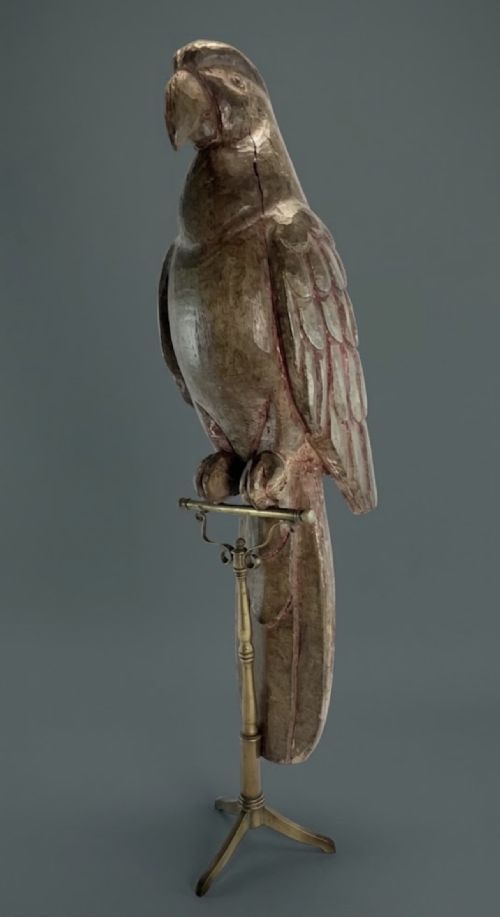
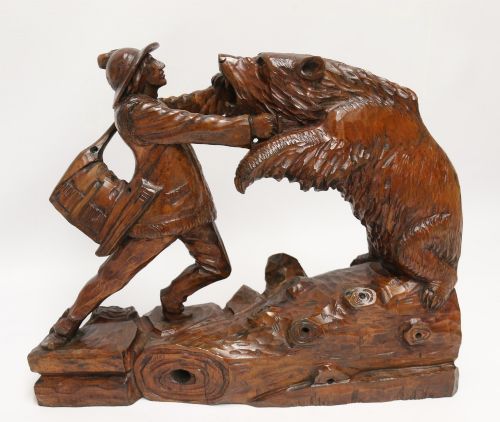
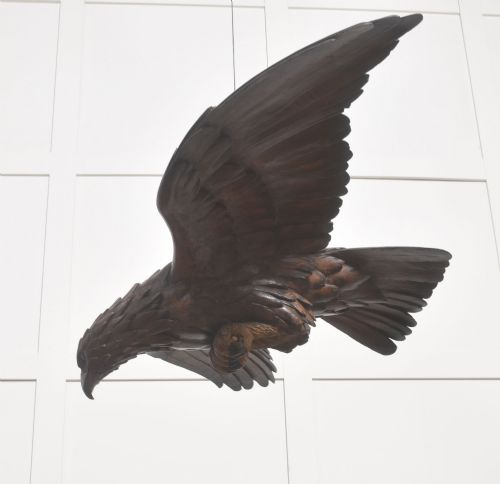
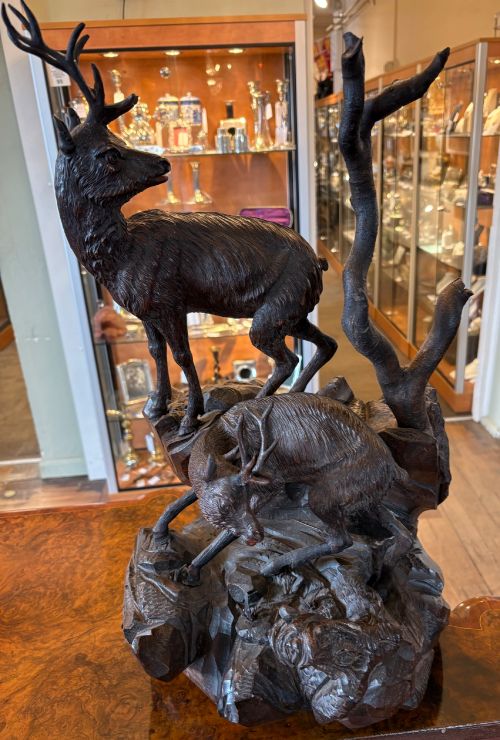
A victorian carved wood statue brings animal studies and figural groups into a room with substantial presence.
Victorian Carved Wood Statue
When someone searches for a victorian carved wood statue, they are looking at sculptural works shaped during the nineteenth century across various regional traditions. These pieces include Black Forest animal studies, folk art figures, religious carvings, and trade figures.
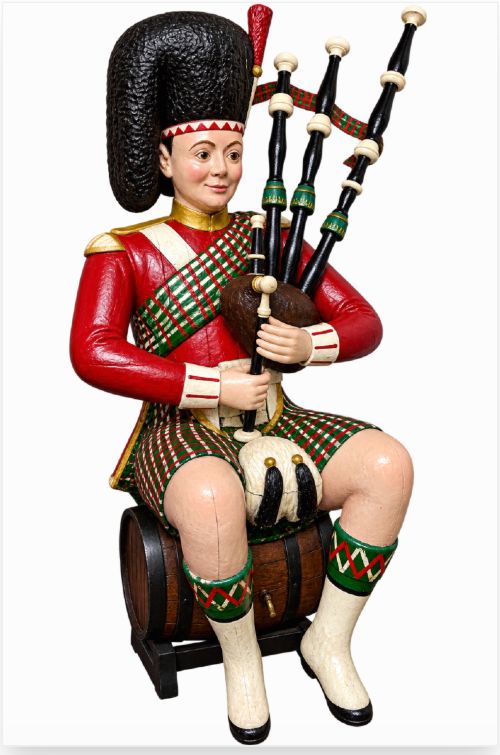
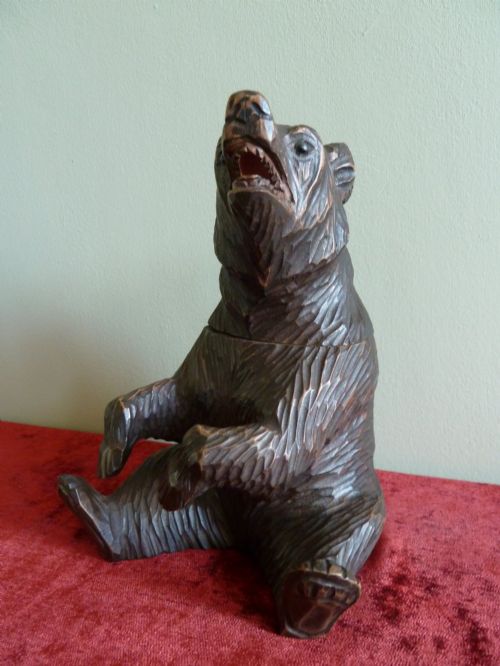
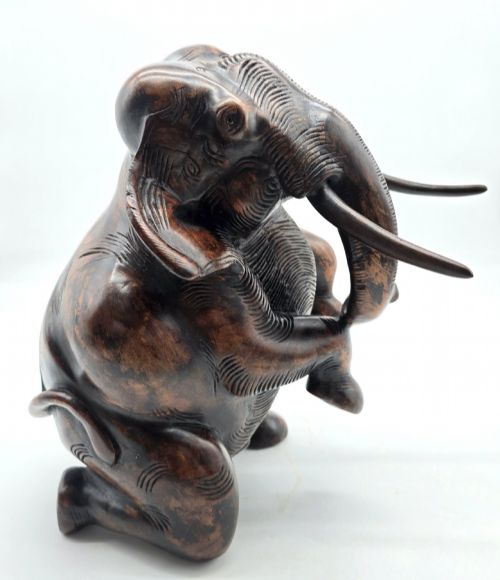
The versions most commonly met on this page span the mid to late nineteenth century, taking the form of bears, deer, birds, elephants, and human figures in walnut, oak, and lime wood. They range from small tabletop ornaments to large architectural or trade pieces.
Makers produced these works within distinct stylistic movements such as Gothic Revival, Egyptian Revival, and Anglo-Indian design. Each piece reflects the specific woodcarving conventions of its origin, whether European forest workshops or Indian colonial studios.
How they were made
Carvers worked primarily in solid timbers such as walnut, oak, lime wood, pine, and teak, selecting woods suited to fine detail or robust proportions. They shaped these materials using hand gouges and chisels to achieve deep relief and realistic musculature or drapery.
Surface finishes involved dark stains, polychrome paint, or gilt highlights applied over gesso, while some specimens retained the natural grain of the timber with a waxed polish. Assemblages of separate elements, such as horns or bases, relied on pegged joints and concealed adhesives.
Listings feature works from the nineteenth century in walnut, oak, lime wood, and ebony, spanning Black Forest and Anglo-Indian styles.
What varies in quality
Proportion and the integration of the subject with its naturalistic base or plinth dictate the visual balance of the piece. Superior examples display careful attention to grain direction and anatomical accuracy, whereas lesser works rely on formulaic repetition and superficial surface detailing.
The Victorian Carved Wood Statue Glossary
- Black Forest
- A style of woodcarving originating from Brienz in Switzerland and the Black Forest region of Germany, known for realistic animal figures and intricate household items. These works frequently depict bears, deer, and alpine scenes.
- Lime wood
- A pale, fine-grained timber favoured by carvers for its uniform texture and lack of pronounced grain, allowing for minute detail. It is also known as linden wood.
- Polychrome
- Painted in several colours, often applied over gesso or directly onto the wood to create lifelike decoration. This technique appears frequently on trade signs and figural sculptures.
Victorian Carved Wood Statue: Frequently Asked Questions
What is a Black Forest carving?
A Black Forest carving refers to nineteenth-century wooden sculptures and decorative objects produced in central European mountain regions, particularly Switzerland and Germany. These pieces are celebrated for naturalistic representations of local wildlife.
Animals such as bears, deer, owls, and chamois dominate this tradition, often carved in dynamic poses or incorporated into functional items like tobacco holders and umbrella stands.
How do I care for wooden statues?
Wooden sculptures require stable environmental conditions away from direct sunlight and rapid temperature fluctuations to prevent the timber from splitting. Dusting with a soft, dry cloth maintains the surface.
Applying occasional microcrystalline wax helps nourish untreated wood surfaces, but painted or gilded pieces should be kept entirely dry and handled with care to preserve the finish.
Are trade figures different from home sculptures?
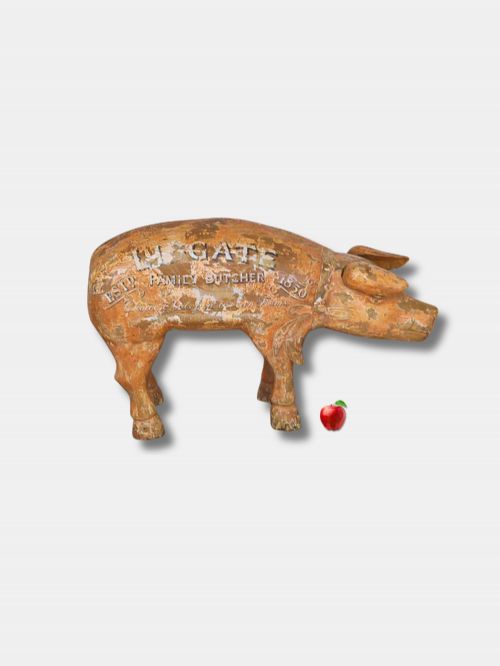
Trade figures and advertising pieces were originally made to attract customers to shops or businesses, functioning as commercial markers rather than indoor decorative ornaments. They often display robust proportions and weather-resistant paint.
Domestic sculptures, by contrast, focus on fine interior detail, realistic animal studies, or religious subjects intended for display on mantelpieces, desks, or specialised stands.
What woods were commonly used?
Carvers utilised a variety of native and exotic timbers depending on the regional style and intended function of the sculpture. Walnut, oak, lime wood, and pine appear frequently in European works.
For pieces originating from colonial trade networks, such as Raj period items from India, denser woods like teak and ebony were chosen for their durability and dark, uniform tone.