



Dark Bronze Bird Sculpture
A dark bronze bird sculpture brings weight and character to a room, capturing feathered forms in enduring metal from the nineteenth and early twentieth centuries.
Dark Bronze Bird Sculpture
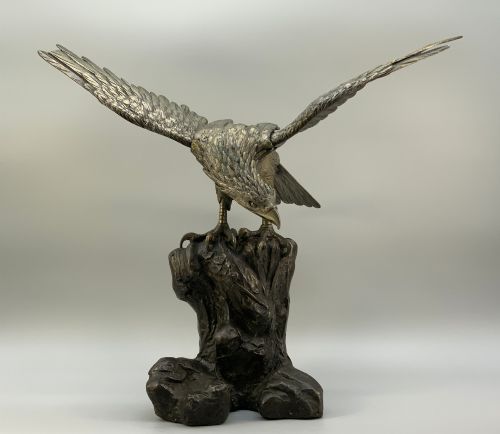
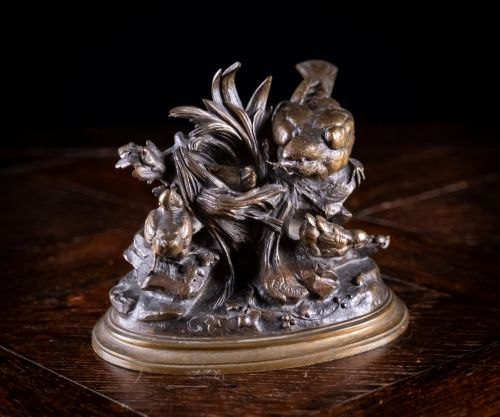
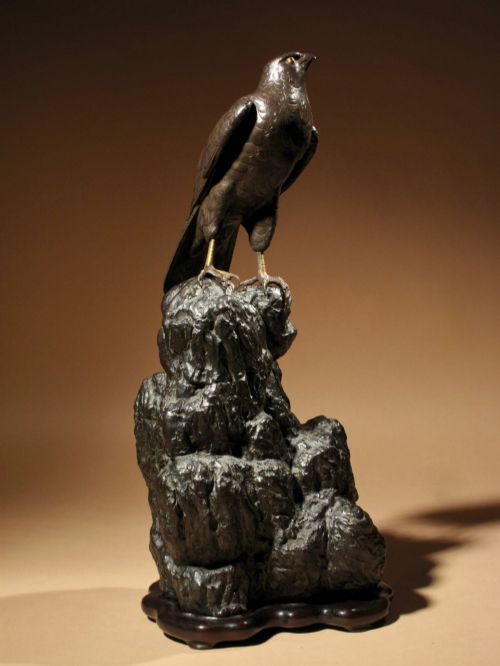
A dark bronze bird sculpture encompasses figures of eagles, hawks, penguins, and smaller songbirds cast in metal across the nineteenth and early twentieth centuries. These pieces emerge from European animalier traditions and Japanese Meiji period workshops, spanning domestic mantel ornaments to large scale floor figures.
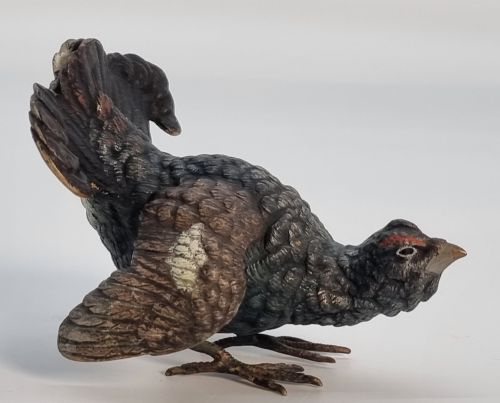
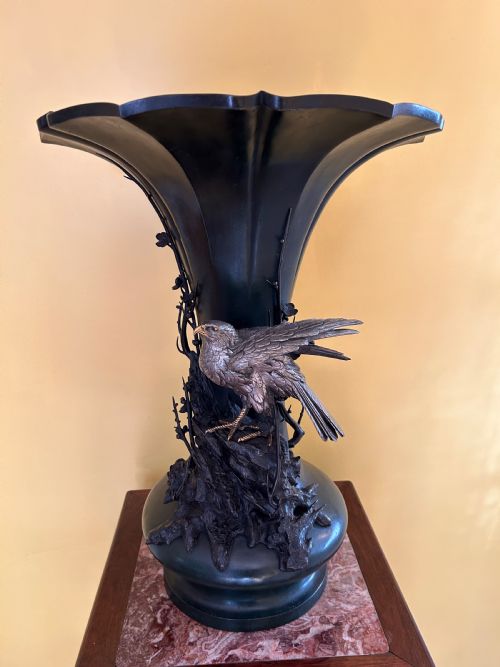
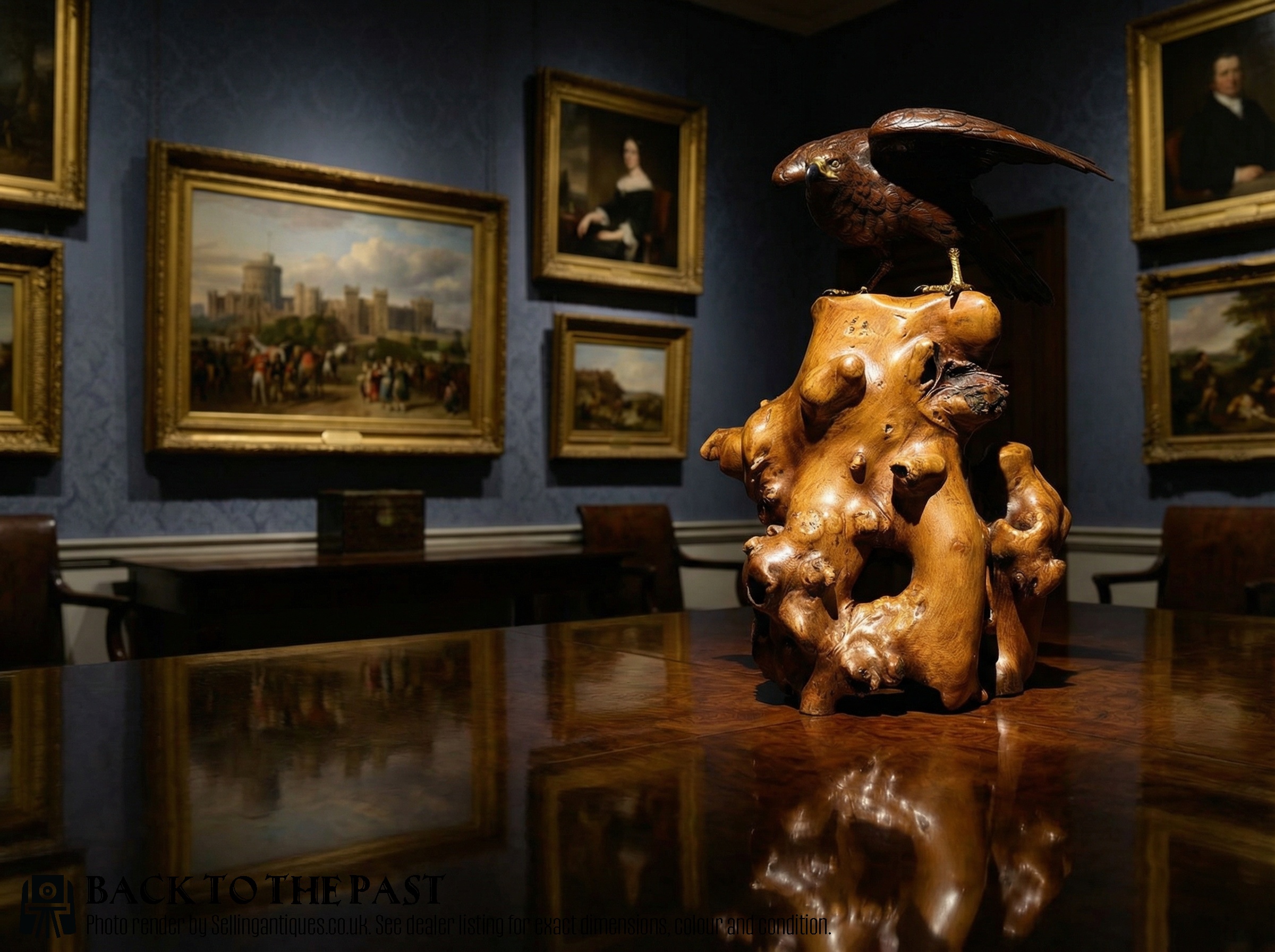
Continental examples frequently adopt patinated, parcel-gilt, or cold-painted finishes to render lifelike plumage and posture. Japanese okimono and vases incorporate mixed metals and root wood bases, showing birds such as eagles and geese rendered with meticulous observation of natural detail.
Materials and casting methods
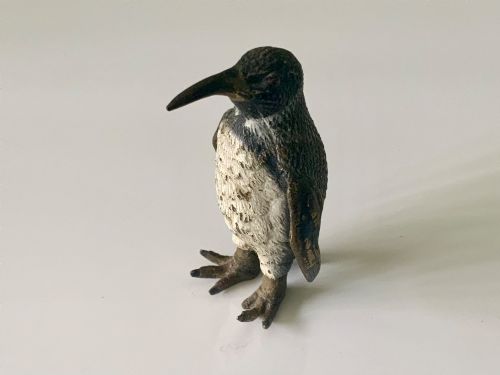
Foundries utilised traditional bronze casting methods, often finishing the metal with dark patination, paint, or parcel-gilt highlights to define feathers and anatomical forms. Many continental works employ cold-painted techniques where pigment is applied to the metal surface after casting.
Certain sculptures incorporate complementary materials such as marble plinths, stone, mahogany, or root wood bases. Japanese pieces occasionally integrate mixed metals into the bronze body to create tonal contrast across the plumage.
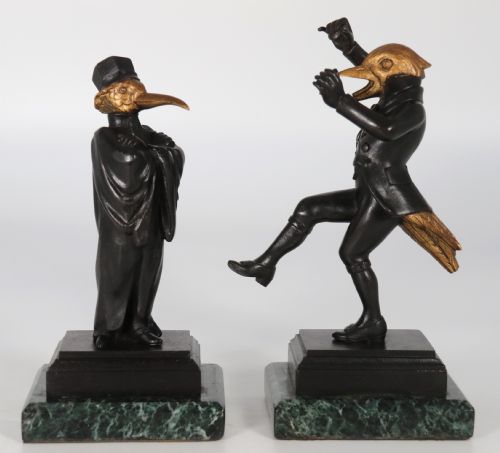
The selection includes Japanese Meiji period okimono and vases alongside European animalier studies of eagles, hawks, ostriches, and theatrical birds.
Distinguishing quality in bird bronzes
Quality rests in the crispness of the chase work and the subtlety of the surface patination, which together dictate how convincingly feathers and musculature are defined. Superior casts retain sharp anatomical detailing without softness in the beak, talons, or wing feathers.
The sophistication of the casting and the reputation of the founder or modeller elevate certain pieces above standard foundry output. Stronger examples demonstrate balanced composition and a naturalistic stance whether depicting a raptor on a craggy rock or an observant songbird.
Franz Bergman·Antoine Louis Barye·Barbedienne·P J Mêne·Maurice Bouval·Christophe Fratin·Gyoko
The Dark Bronze Bird Sculpture Glossary
- Animalier
- A nineteenth-century artistic movement focused on the realistic portrayal of animals. Sculptors in this tradition studied anatomy closely to capture birds and beasts in motion or repose.
- Cold-Painted Bronze
- A technique where polychrome paint is applied to a bronze casting without subsequent firing. This method was widely used by Austrian foundries to create vibrant bird figures.
- Meiji Period
- A Japanese historical era lasting from 1868 to 1912. Metalwork from this time is noted for exceptional technical skill, particularly in bronze and mixed metal casting.
- Okimono
- A traditional Japanese decorative figurine designed for display on a tokonoma or shelf. These carvings and metal sculptures often depict birds and nature with high fidelity.
- Patination
- The chemical or natural alteration of the bronze surface colour. Dark patinas are achieved through acids and heat to protect the metal and enhance visual depth.
Dark Bronze Bird Sculpture: Frequently Asked Questions
How do I identify cold-painted bird bronzes?
Cold-painted bronzes show hand-applied polychrome pigments directly on the metal surface rather than a chemical patina. Look for areas where the paint may show minor flaking or wear from age, revealing the bronze underneath.
Austrian workshops, particularly those associated with Bergman, utilised this technique extensively around 1900 to render realistic plumage on species such as grouse, capercaillie, and penguins.
What is an animalier bird sculpture?
An animalier sculpture focuses specifically on the realistic depiction of animals, a genre that gained immense popularity in nineteenth-century France. These works capture birds in characteristic poses, such as eagles devouring prey or wading geese.
Artists studied live subjects closely, resulting in bronzes that emphasise anatomical accuracy and dynamic tension over idealised forms.
Where were Japanese Meiji bronzes made?
Japanese Meiji period bronzes were produced in specialised workshops and foundries during the late nineteenth and early twentieth centuries. Many were created as okimono or decorative objects for export as well as domestic use.
These pieces frequently feature intricate mixed metal applications and are occasionally mounted on bespoke root wood bases.
How should I clean a dark bronze sculpture?
Dust the sculpture gently with a soft, dry brush or microfibre cloth to remove accumulated particles. Avoid using water, oils, or commercial metal polishes, as these can strip the original dark patination or damage cold-painted surfaces.
Maintaining a stable indoor environment away from direct sunlight and moisture helps preserve the integrity of the bronze and any associated wooden or marble mounts.