


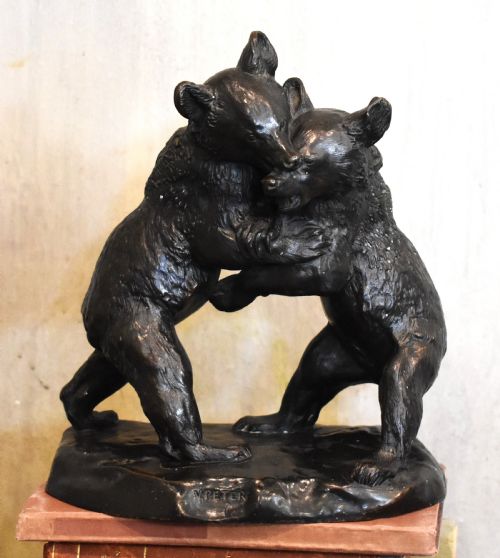


Bronze Wildlife Statue
A bronze wildlife statue brings the natural world indoors through enduring metal, capturing predators and prey in decisive moments.
Bronze Wildlife Statue
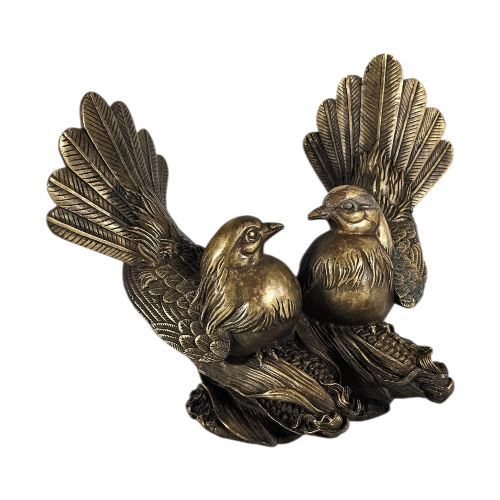
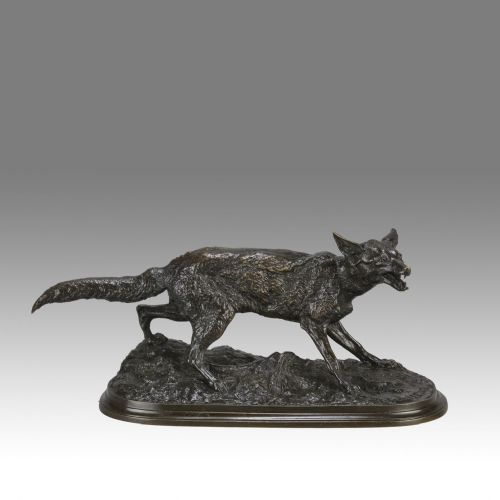
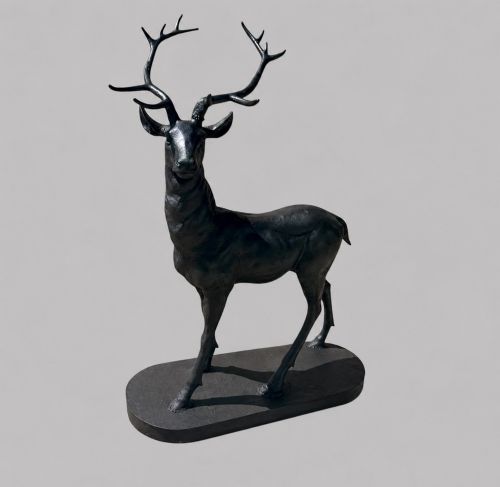
A bronze wildlife statue captures animals in motion, from stalking big cats to birds and deer, originating largely from European animalier schools and Japanese Meiji period workshops. The pieces encountered here span the nineteenth and early twentieth centuries, reflecting both Western anatomical study and Eastern craftsmanship.
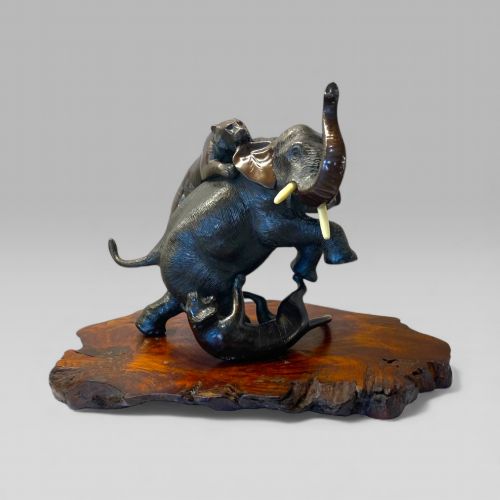
French animalier works and Japanese okimono dominate the selection, often mounting the metal subject onto marble, hardwood, or bone bases. Sculptures range from intimate tabletop studies to heavier group compositions of predators and prey.
Materials and Technique
Foundries utilised traditional lost-wax casting methods to capture musculature and fur, frequently finishing the metal with a dark patina or cold-painted pigments. The resulting bronze takes on varied tones depending on the chemical treatment applied to the surface after casting.
Secondary materials such as marble plinths, hardwood stands, and bone details provide structural support and aesthetic contrast to the heavy metal figures.
Listings feature works from the nineteenth and early twentieth centuries, spanning French animalier bronzes and Japanese Meiji period okimono.
Evaluating the Cast
Quality rests in the crispness of the chase work, where skilled hands refined the raw metal after casting to define fur, feathers, and claws. Stronger examples retain anatomical tension and dynamic movement rather than static posture.
The reputation of the sculptor and the standing of the foundry, such as Barbedienne or the Siot foundry, elevate a piece through superior finishing and clear signature marks.
P J Mêne·Antoine Louis Barye·Georges Gardet·Clovis Masson·Jules Moigniez·I. Rochard
The Bronze Wildlife Statue Glossary
- Animalier
- A nineteenth-century artistic movement focused on the realistic depiction of animals. Practitioners studied subjects in menageries to achieve anatomical accuracy.
- Okimono
- A Japanese decorative figurine designed for display on a shelf or in a tokonoma alcove. These sculptures often depict wildlife with meticulous attention to detail.
- Patina
- The surface coloration and sheen developed naturally with age or applied chemically by the foundry. Dark patinas are common on nineteenth-century animal bronzes.
- Cold painted
- A method where paint is applied to cold bronze rather than fired in a kiln. Austrian workshops specialised in this delicate polychrome finish.
Bronze Wildlife Statue: Frequently Asked Questions
What is an animalier bronze?
An animalier bronze is a nineteenth-century sculpture focused specifically on the realistic portrayal of animals. These works capture creatures in natural poses, often exhibiting tension or movement.
Artists observed live animals in zoos to ensure accurate anatomy and behaviour are rendered in the metal.
How do I clean a bronze wildlife statue?
Dust the surface gently with a soft, dry brush to prevent particle buildup. Avoid using water, soap, or metal polishes, which can strip the original patina.
Apply a very light coat of microcrystalline wax periodically if the metal requires protection from moisture.
What is a Meiji period okimono?
An okimono is a Japanese decorative sculpture created during the Meiji period, typically intended for interior display. These pieces often showcase exceptional realism in rendering animals like elephants, bears, and tigers.
Many bear artist signatures or workshop marks on the underside or base.
Why are some bronzes mounted on marble?
Marble bases provide structural stability for heavy metal sculptures and add a contrasting visual plinth. This practice became common in nineteenth-century European studios.
The stone base often matches the formal presentation style of the period.