
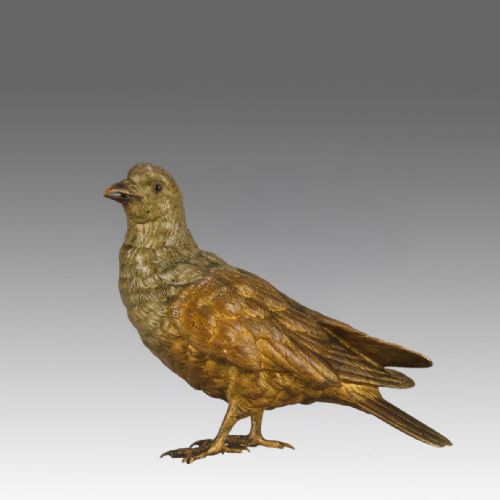
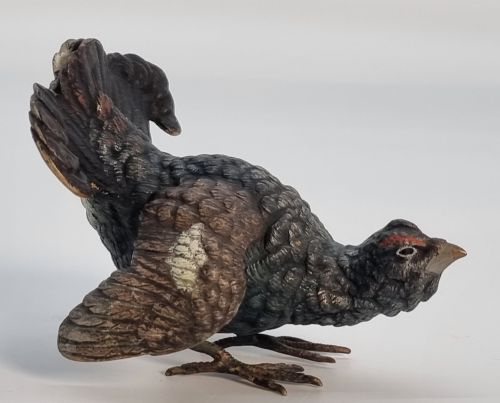
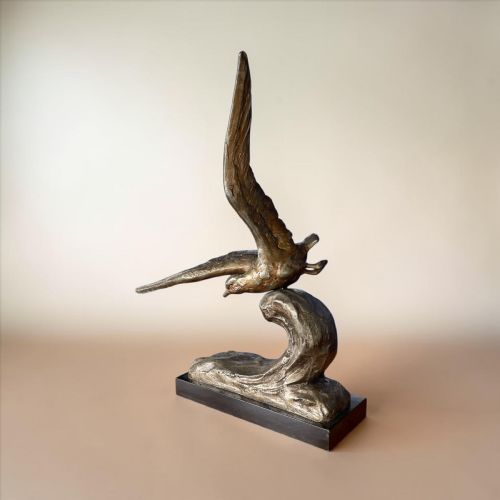

Bronze Bird Statue
These bronze bird statue works bring lifelike avian forms into interiors, spanning naturalistic studies and stylized figures from European and Asian workshops.
Bronze Bird Statue
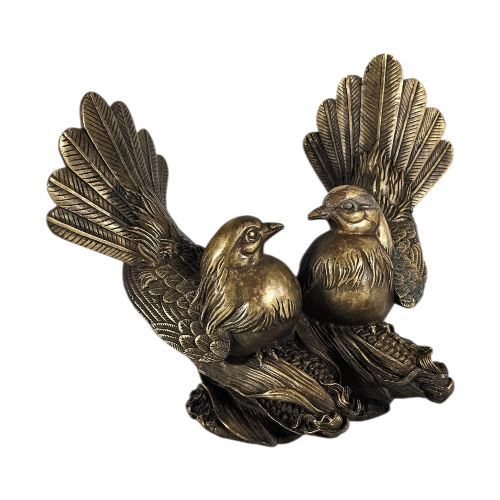
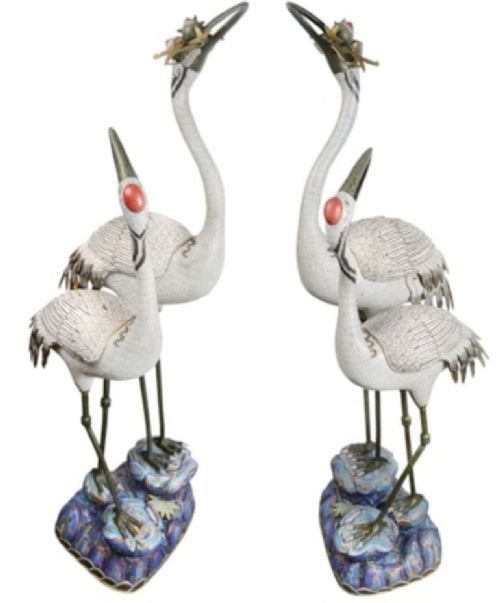
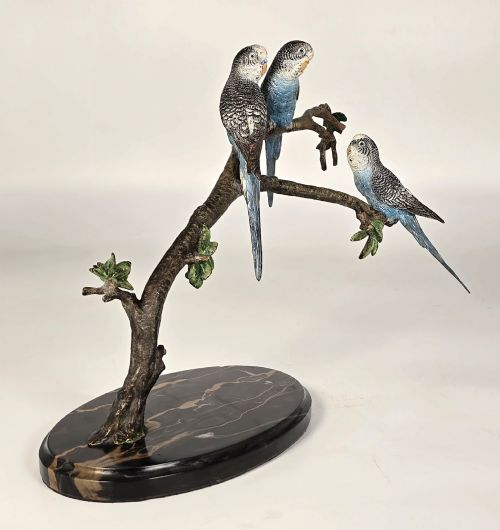
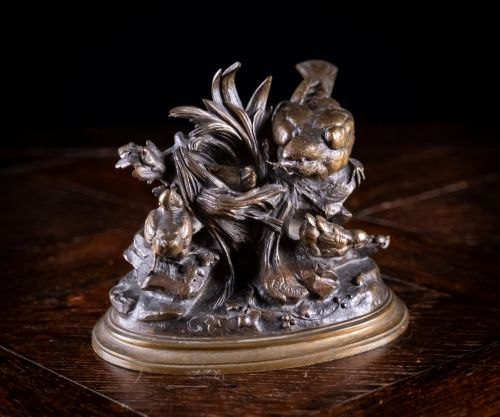
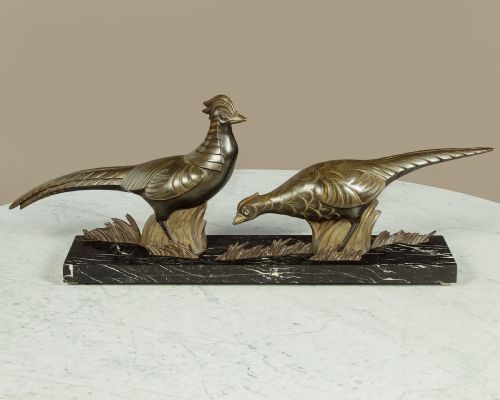
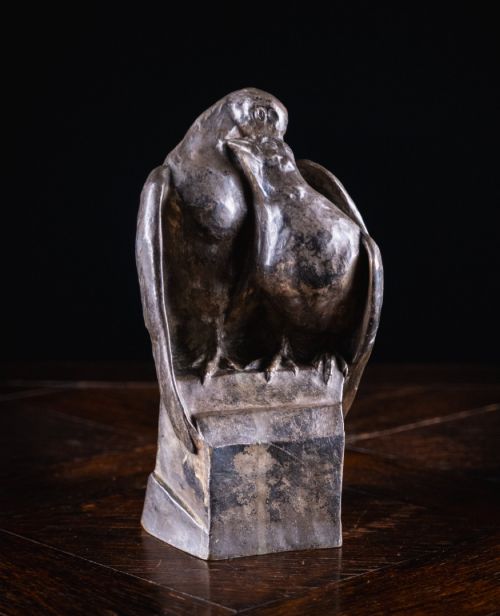
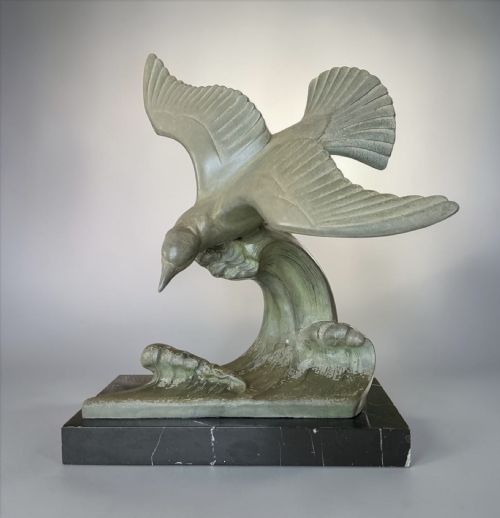
A bronze bird statue search reveals figures ranging from naturalistic eagles, hawks, and pheasants to stylized pigeons, ducks, and cranes. You will frequently encounter nineteenth-century European animalier groups and twentieth-century Austrian cold-painted models.
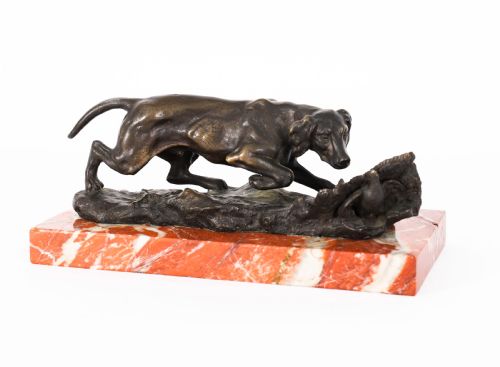
The objects take many forms, including standalone shelf sculptures, bookends, large garden okimono, and paired figures on marble or stone bases. Origin points stretch across French, Austrian, Chinese, and Japanese traditions from the nineteenth and early twentieth centuries.
Materials and Technique
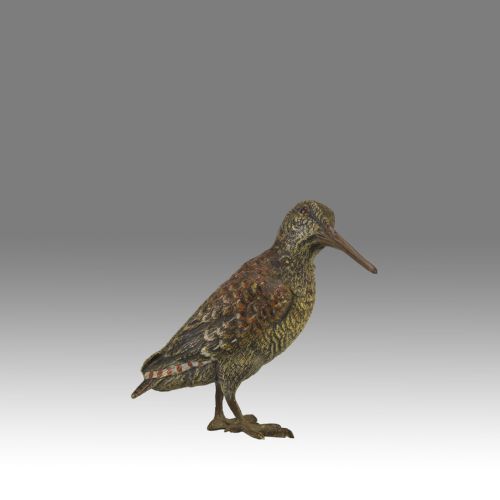
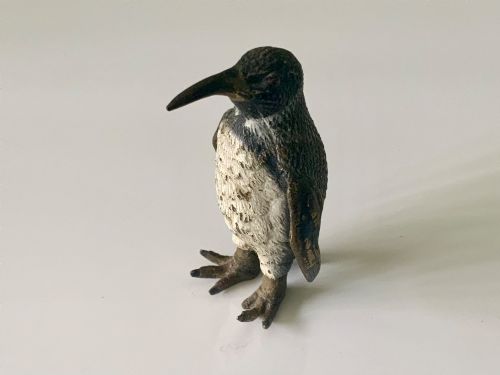
Foundry work combined cast bronze with patination, sometimes using marble, onyx, or quartz as integral bases for the metal figures. Artisans applied polychrome paint or enamel paint to achieve the surface detail seen on cold-painted Austrian works.
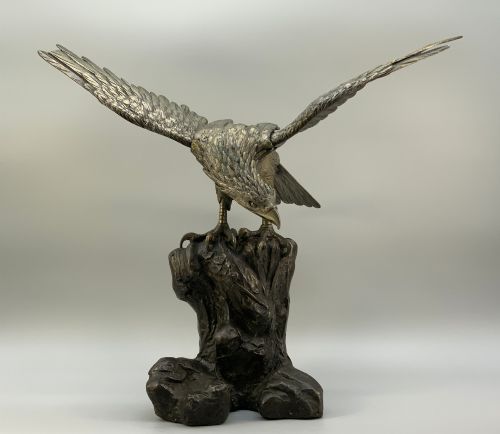
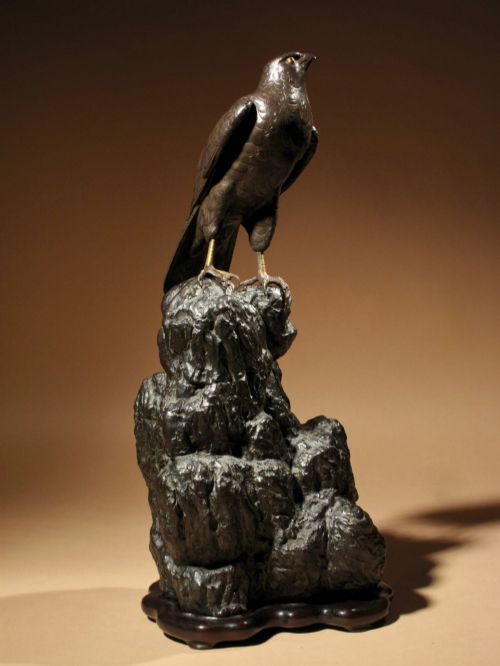
Casting methods produced both solid figurines and hollow models, while Japanese pieces utilised patinated bronze and root wood bases. Sculptors worked with nickel bronze, paint, and stone to capture the texture of feathers and rocky perches.
Bronze Bird Statue Retail Price Guide 2026
Typical asking prices for bronze bird statue among the pieces listed under this phrase on Sellingantiques today, from the lower quarter to the upper quarter. They describe what is for sale here now, not the wider market.
Listings feature periods spanning from 1860 through the Art Deco era of 1930, utilising bronze, marble, and polychrome paint.
Quality and Detail
Quality rests on the crispness of the casting and the sensitivity of the surface finish, particularly where polychrome paint or cold-painted enamel survives intact. Sculptural definition in the feather work and the naturalism of the pose distinguish accomplished foundry output from standard commercial production.
The integration of secondary materials, such as marble or quartz bases and root wood supports, influences the balance and presence of the piece. Signatures from established founders and named artists add documented provenance to the casting.
Carl Kauba·Franz Bergman·Louis Emile Cana·Frederique Cederlund-Ozanne·Zoldan Kovats·Antoine Louis Barye·Barbedienne·P J Mêne·Maurice Bouval·Antoine Bofill·Auguste Moreau·Gyoko·Paul Joris·Franz Xaver Bergmann
The Bronze Bird Statue Glossary
- Animalier
- Nineteenth-century art movement focusing on the realistic depiction of animals. Sculptors in this tradition studied anatomy closely.
- Cold-painted bronze
- Metal figures painted after casting using unfired or low-temperature oil paints. This technique creates vibrant plumage colours on Austrian figurines.
- Okimono
- Japanese decorative display item placed in a room or tokonoma alcove. These sculptures often depict birds with high naturalistic precision.
- Patination
- The chemical or natural surface coloration of bronze over time. A stable patina protects the metal and defines sculptural contours.
Bronze Bird Statue: Frequently Asked Questions
What is a cold-painted bronze bird?
A cold-painted bronze bird is a metal sculpture decorated with liquid paint applied after the casting process rather than fired in a kiln. This method was widely used by Austrian workshops to render the bright plumage of exotic species.
Over decades, handling can cause surface paint to show wear, making preserved colouration a key point of interest for collectors studying nineteenth and twentieth-century production.
Where were animalier bird bronzes made?
Animalier bird bronzes were produced primarily in France and Austria throughout the nineteenth and early twentieth centuries. Foundries employed skilled sculptors who specialised in capturing wildlife behaviour.
Pieces range from small cabinet figures to imposing mantle sculptures, often mounted on slate, marble, or stone plinths to anchor the weight of the metal.
How do I identify Japanese Meiji period bronzes?
Japanese Meiji period bronzes often feature finely chased feather details, signature cartouches, and organic bases such as carved root wood. These works emphasise naturalistic posture in birds like eagles, hawks, and geese.
Many of these larger items served as garden okimono or substantial interior display pieces, utilising dark patinated bronze surfaces.
How should I clean my bronze bird statue?
Cleaning requires only a soft, dry microfibre cloth to remove accumulated dust from crevices and feather details. Avoid water, abrasive cloths, and chemical polishes that can strip the original patina.
Keeping the sculpture in a stable environment away from direct moisture helps preserve both the metal surface and any painted or mounted base elements.