
French Animalier Bronze Sculpture
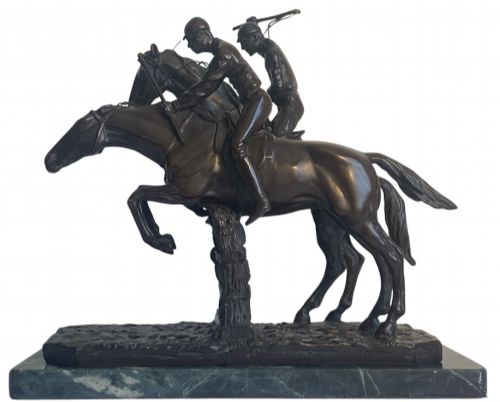
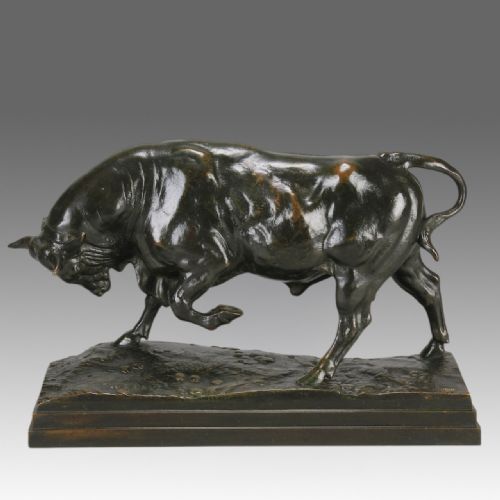
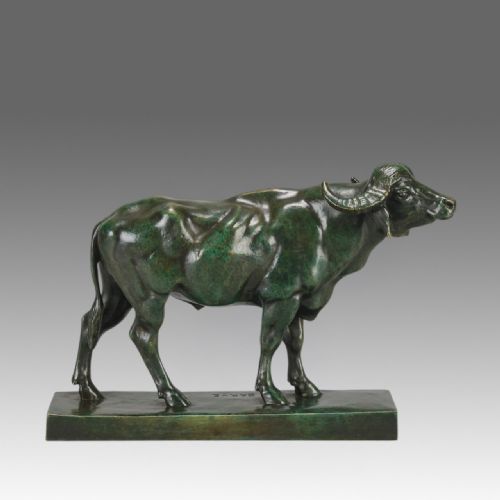
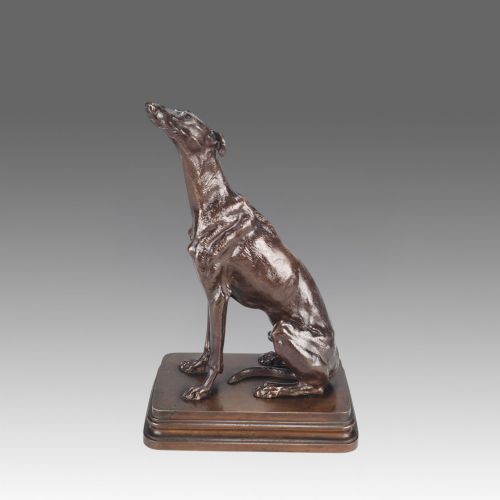
These french animalier bronze sculpture pieces capture the raw energy of wildlife and sporting dogs, offering a tactile piece of nineteenth century artistry for your desk or mantelpiece.

French Animalier Bronze Sculpture
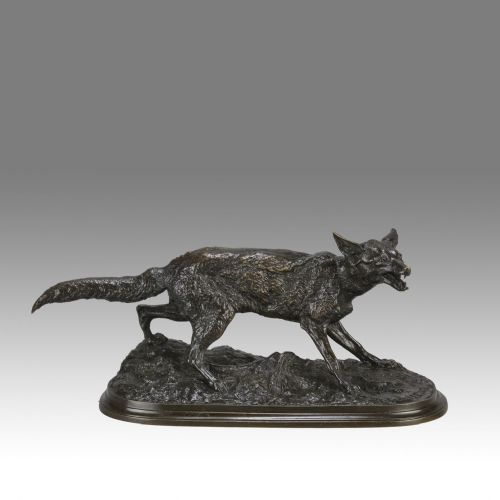
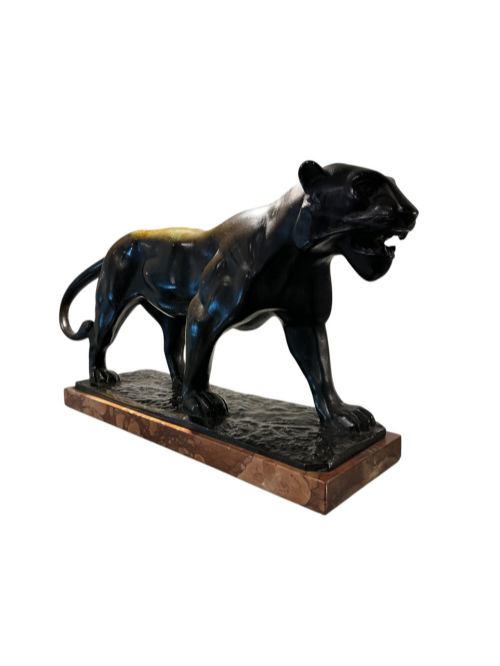
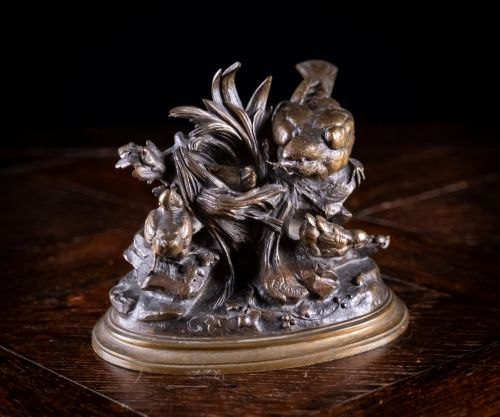
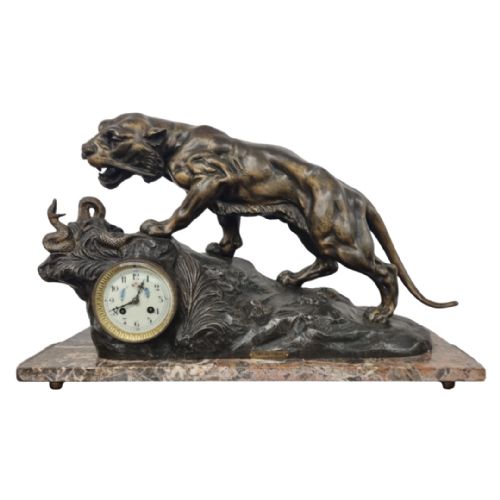
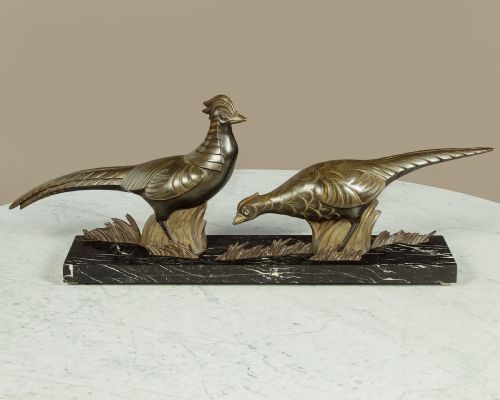
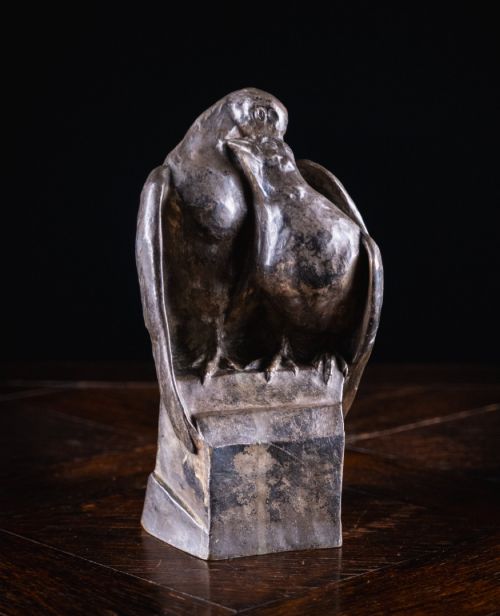
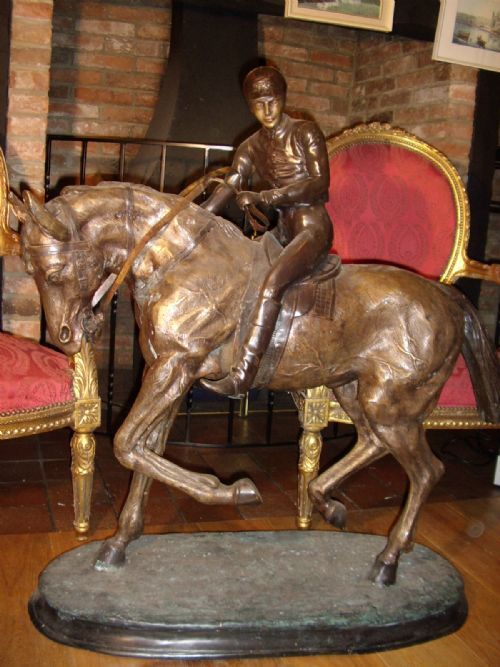
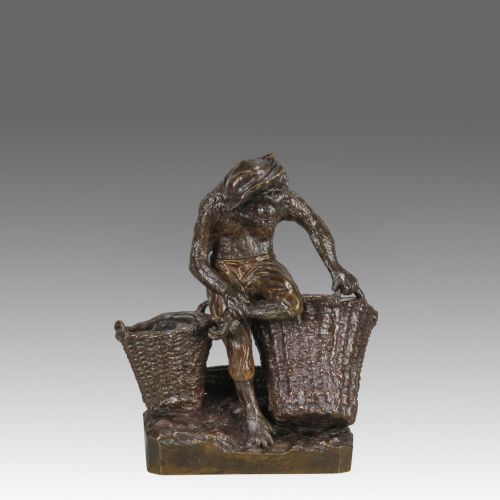
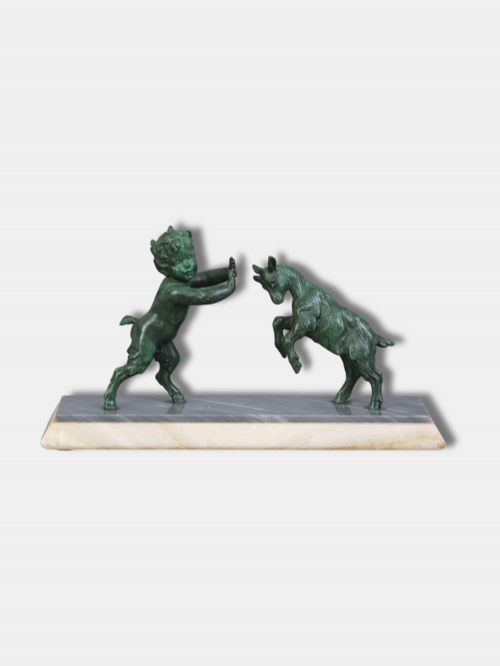
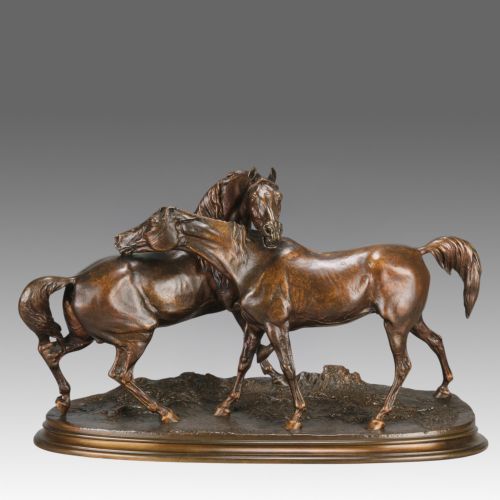
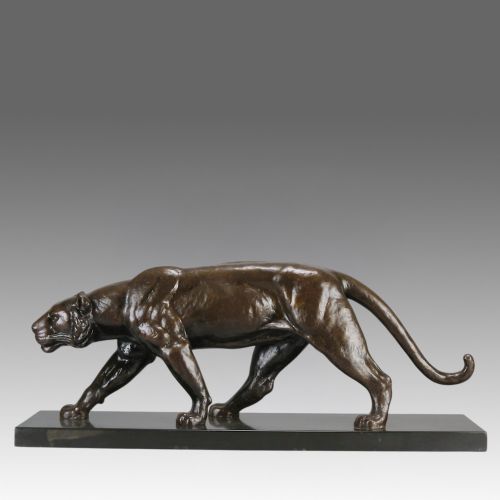
When you search for french animalier bronze sculpture, you encounter realistic studies of animals, birds, and hunting hounds modelled by nineteenth century masters. The pieces take the form of freestanding sculptures and statues, capturing subjects from domestic gundogs to exotic big cats.
You are most likely to meet nineteenth century works on this page, spanning the Victorian era up to around nineteen ten. These figures frequently combine cast metal with naturalistic bases of marble, onyx, or timber.
The subjects range from solitary hares and pigs to dramatic predatory moments like eagles devouring herons and panthers of Tunisia. Each piece reflects a distinct nineteenth century French observation of natural anatomy and movement.
Materials and methods
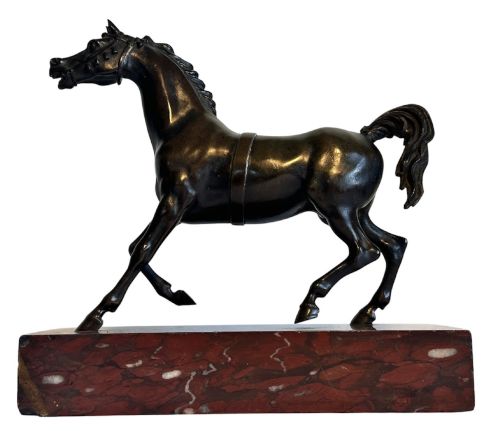
These works rely on bronze as the primary medium, often finished with a dark patination or occasionally rendered in gilt bronze and cold painted details. The casting captures fine surface textures in the fur, feathers, and muscular forms of the subjects.
Many of these sculptures are mounted directly onto heavy supportive bases made from contrasting materials including marble, onyx, and timber. These integral plinths provide stability and elevate the metalwork for display.
French Animalier Bronze Sculpture Retail Price Guide 2026
Typical asking prices for french animalier bronze sculpture among the pieces listed under this phrase on Sellingantiques today, from the lower quarter to the upper quarter. They describe what is for sale here now, not the wider market.
Among the sporting dogs and fierce predators, you will find a quiet bronze pig standing its ground.
Judging quality
The distinction between standard and superior examples rests entirely upon the fidelity of the casting and the nuance of the chasing. Finer works display meticulous definition in the musculature and pelt, where hand-finishing reveals individual hairs and alert tension.
The quality of the patination also sets better pieces apart, showing subtle tonal shifts rather than flat, uniform colour. Furthermore, the harmony between the bronze subject and its marble, onyx, or timber base indicates the care taken in the workshop.
Delabrierre·Antoine Louis Barye·Louis Riche·Auguste Nicholas Cain·Jules Moigniez·Barbedienne·Christophe Fratin·Isidore Bonheur·Charles Valton
The French Animalier Bronze Sculpture Glossary
- Animalier
- A nineteenth century artistic movement dedicated to the realistic depiction of animals. Practitioners focused on capturing creatures in motion or repose with anatomical accuracy.
- Patinated bronze
- Metal treated with chemical solutions to produce a specific surface colour and tone. This finish protects the alloy and highlights sculptural detail.
- Cold painted bronze
- Metal sculpture painted with non-heat-set pigments after casting. This technique appears on specific animal studies to add realistic natural colour.
- Gilt bronze
- Metal coated with a thin layer of gold or gold-coloured alloy. This bright finish enhances decorative qualities on select nineteenth century studies.
- Founder
- The artisan or foundry responsible for casting the metal from the sculptor's model. Premier foundries achieved exceptional clarity in complex animal groups.
French Animalier Bronze Sculpture: Frequently Asked Questions
What is an animalier bronze?
An animalier bronze is a nineteenth century sculpture focusing primarily on animals, birds, and hunting scenes. These works emerged from a French tradition of precise anatomical study.
Artists observed live subjects in menageries and fields to translate natural movement and texture directly into cast metal.
How do I display these sculptures?
These pieces suit display on sturdy desks, mantelpieces, or dedicated display tables where their tactile surfaces can be appreciated up close. Ensure they rest on level surfaces that safely support the weight of the bronze and its stone or timber base.
Keep them away from direct heat sources and bright sunlight to protect the patination and any organic elements like wood.
Are these pieces signed?
Many nineteenth century animalier bronzes bear the signature or stamp of the sculptor directly on the base or the integral metal plinth. Some pieces also carry foundry marks indicating where the metal was cast.
Signatures confirm the design origin, though the crispness of the casting remains the primary indicator of overall quality.
How do I clean an antique bronze?
Dust the surface gently with a soft, dry brush or a clean lint-free cloth to remove settled particles. Avoid using water, household detergents, or metal polishes, which can strip away the historic patination.
Leave the protective surface undisturbed to maintain the authentic character developed over the nineteenth century.