

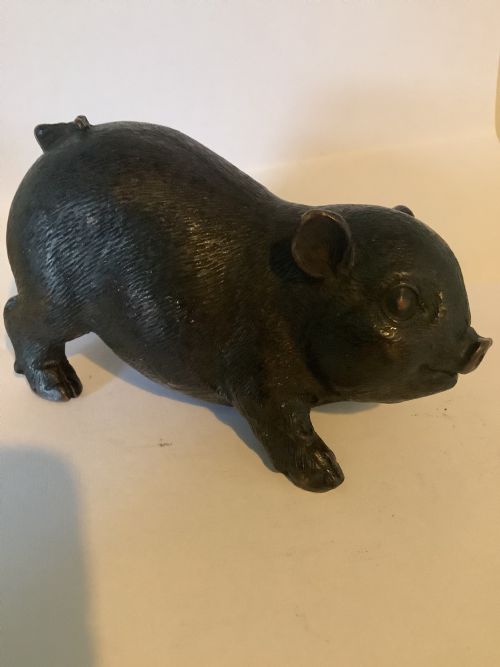
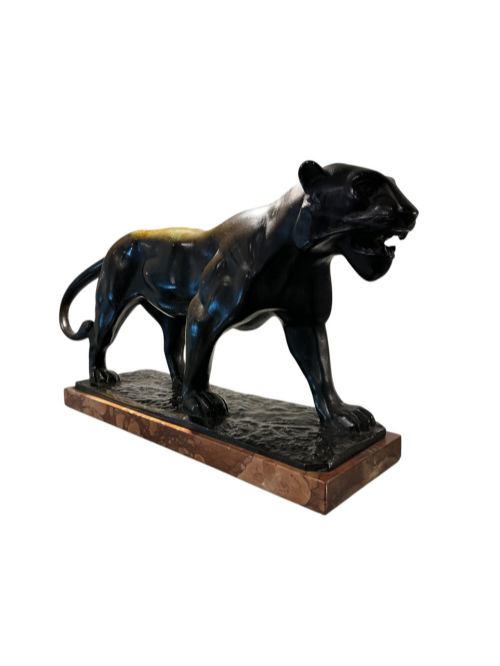
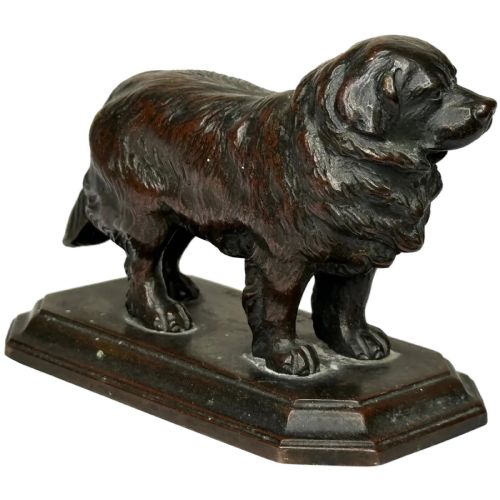
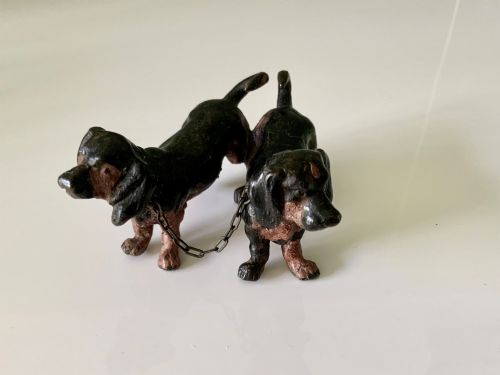
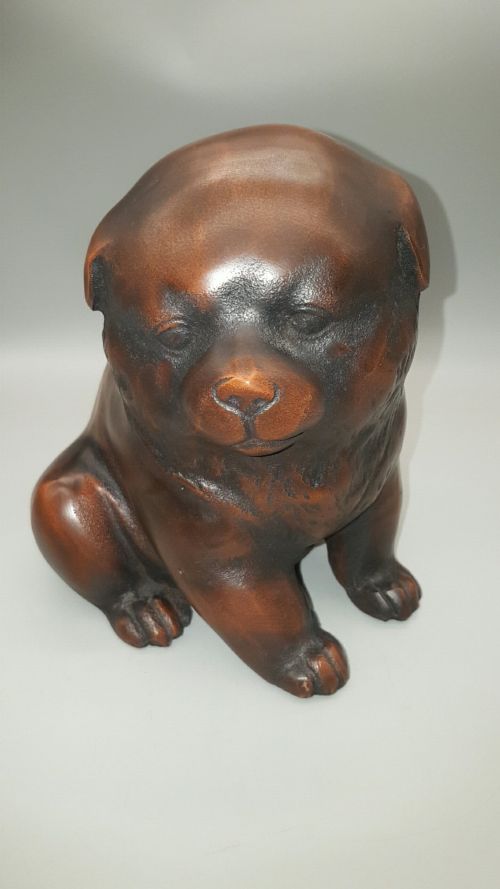
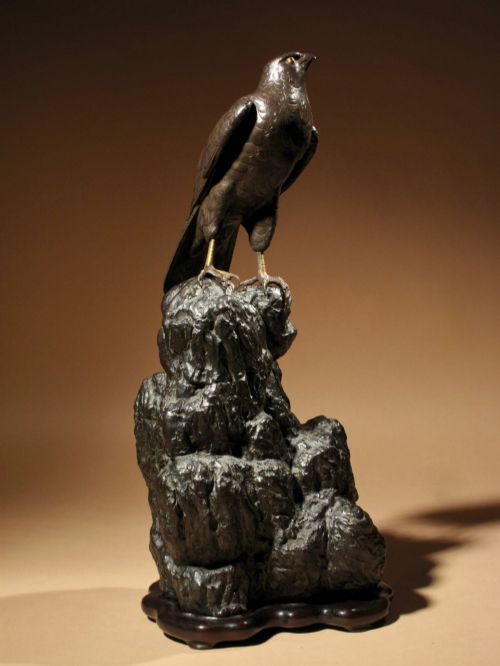
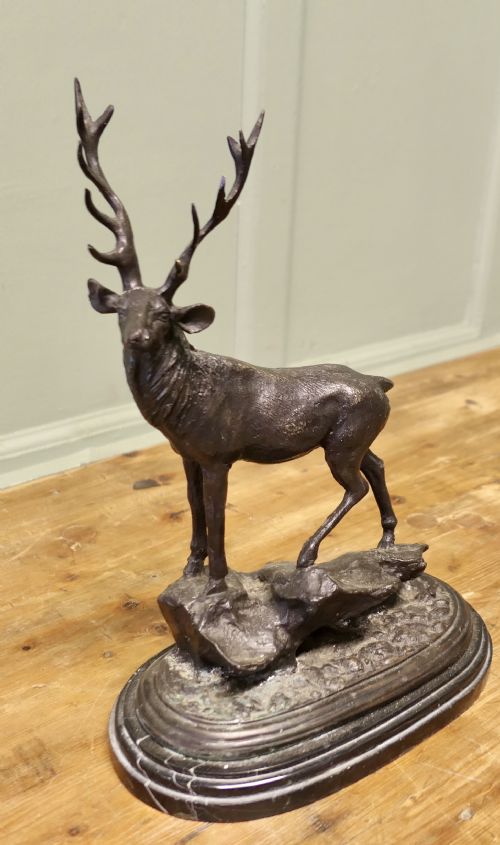
Antique Bronze Animal Sculpture
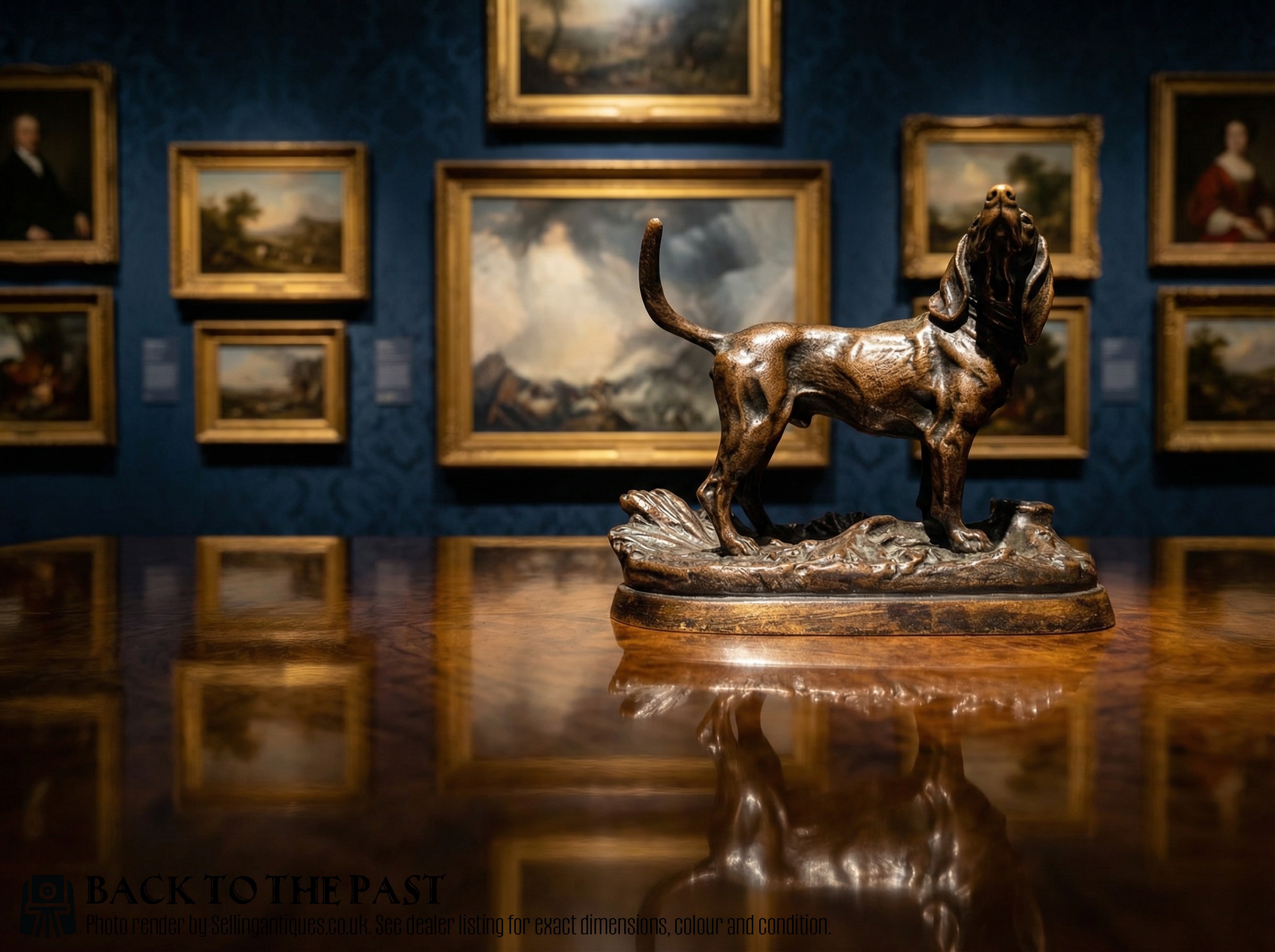
These antique bronze animal sculpture pieces capture natural movement with lasting substance, offering collectors durable metal forms from centuries past.
Identifying these animal sculptures
When you search for antique bronze animal sculpture, you examine metal figures shaped across several distinct historical periods. The listings here include examples from the 17th Century, the Victorian era, and around 1900, spanning both European and Japanese traditions.
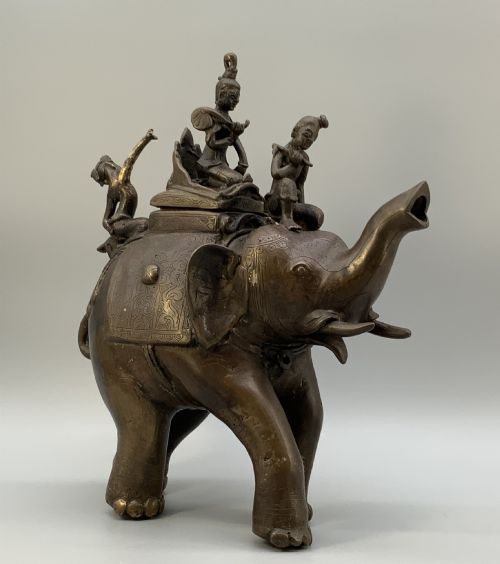
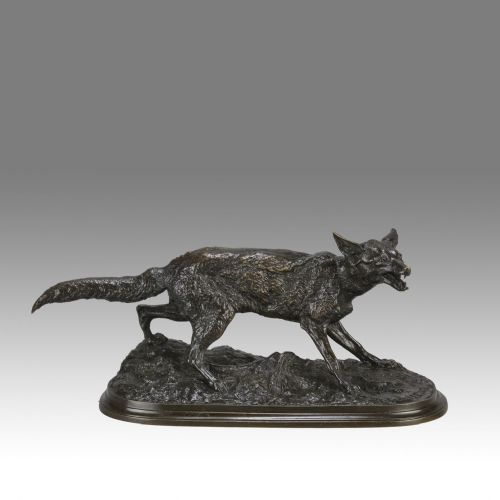
Makers shaped various subjects in these periods, ranging from hunting hound dogs and fighting bear cubs to rearing horses, elephants with tigers, and antelopes. These objects appear as sculptures, statues, and figurines.
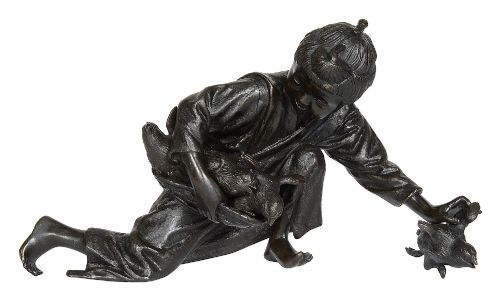
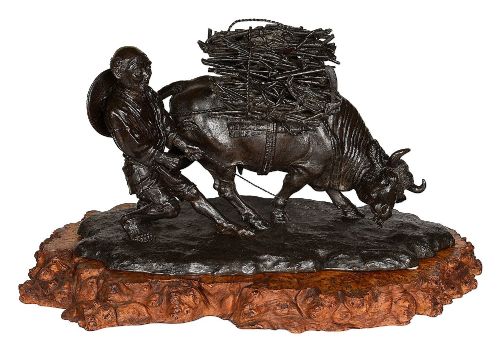
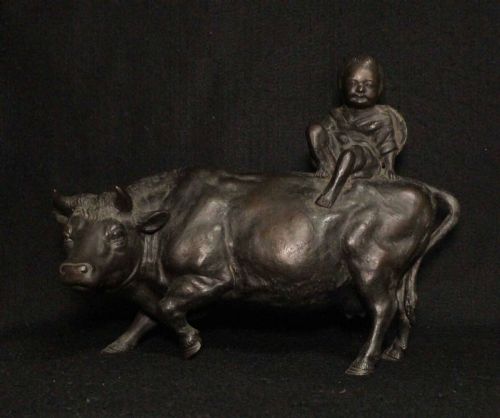
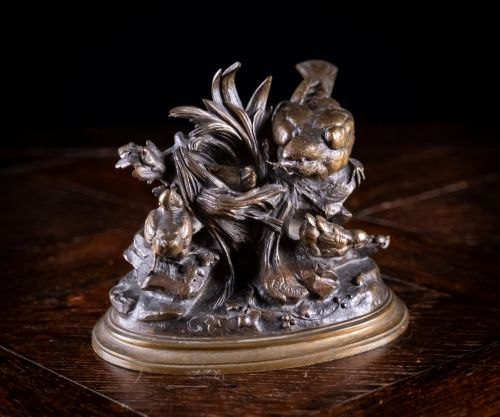
French animalier works sit alongside Austrian cold painted bronze and Meiji Period okimono figures on this page. Each piece reflects the specific aesthetic choices of its originating style, whether Baroque or French Animalier.
Materials and construction
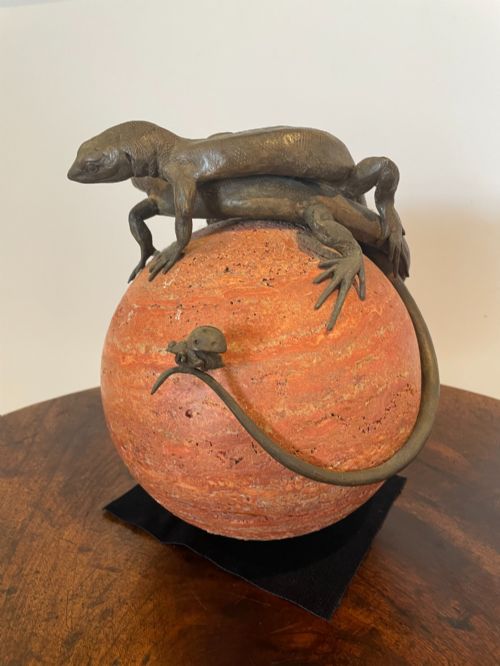
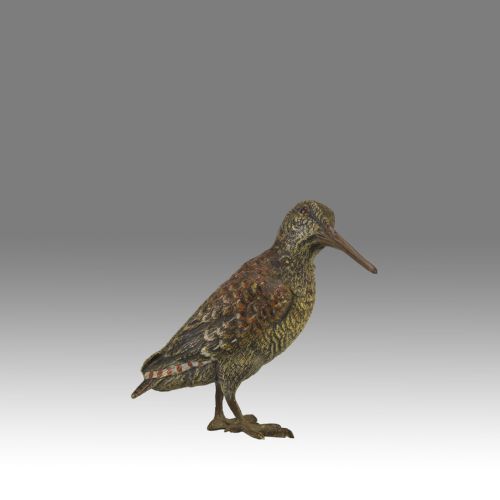
Foundries cast these figures primarily in bronze, sometimes incorporating wood and ivory elements into the finished composition. Certain pieces also feature applied paint, notably in Austrian cold painted examples.
Sculptors utilised traditional metalworking techniques to render realistic musculature, fur, and skin textures. These methods allowed workshops to produce detailed subjects from dogs and bears to elephants.
Retail Price Guide 2026
Typical UK retail prices for bronze animal sculpture, calculated from the Sellingantiques database of over a million retail prices indexed since 2003. This retail price guide relies exclusively on Sellingantiques data; no external sources or auction records are used, so the figures do not describe the wider market.
Current listings feature pieces spanning the 17th Century, Victorian era, and the year 1900.
Judging quality in metal figures
The degree of anatomical precision and textural depth separates standard castings from superior works. Finer sculptures demonstrate careful attention to muscle tension and surface finishing.
Signature placement and foundry marks often distinguish signed pieces by established makers from unmarked studio output. The crispness of the chasing work after casting dictates the overall sharpness of the form.
Victor Peter·Auguste Nicholas Cain·Dubucand
The Antique Bronze Animal Sculpture Glossary
- Animalier
- A nineteenth-century artistic movement focused on the realistic depiction of animals. Practitioners specialised almost exclusively in bronze sculpture.
- Okimono
- A Japanese decorative statue designed for display on a traditional interior alcove or shelf. These objects often display high levels of intricate detail.
- Cold painted bronze
- A method where bronze figures receive paint decoration without subsequent kiln firing. This technique gained particular popularity in Austrian workshops.
- Chasing
- The process of refining a raw metal casting using small punches and hammers. This step restores lost detail and smooths surface imperfections after the foundry work.
Frequently Asked Questions
What is an animalier sculpture?
An animalier sculpture is a nineteenth-century artwork depicting animals with anatomical realism. These pieces focus on natural behaviour and movement.
Artists worked primarily in bronze to capture the texture of fur and muscle. This movement produced many of the hound and bear figures found in period collections.
What is a Meiji period okimono?
A Meiji period okimono is a Japanese decorative sculpture created during the late nineteenth and early twentieth centuries. These objects frequently depict wildlife such as elephants and tigers.
Craftsmen rendered these subjects with exceptional attention to surface detail. They serve as table or shelf displays rather than large monuments.
How should I display these sculptures?
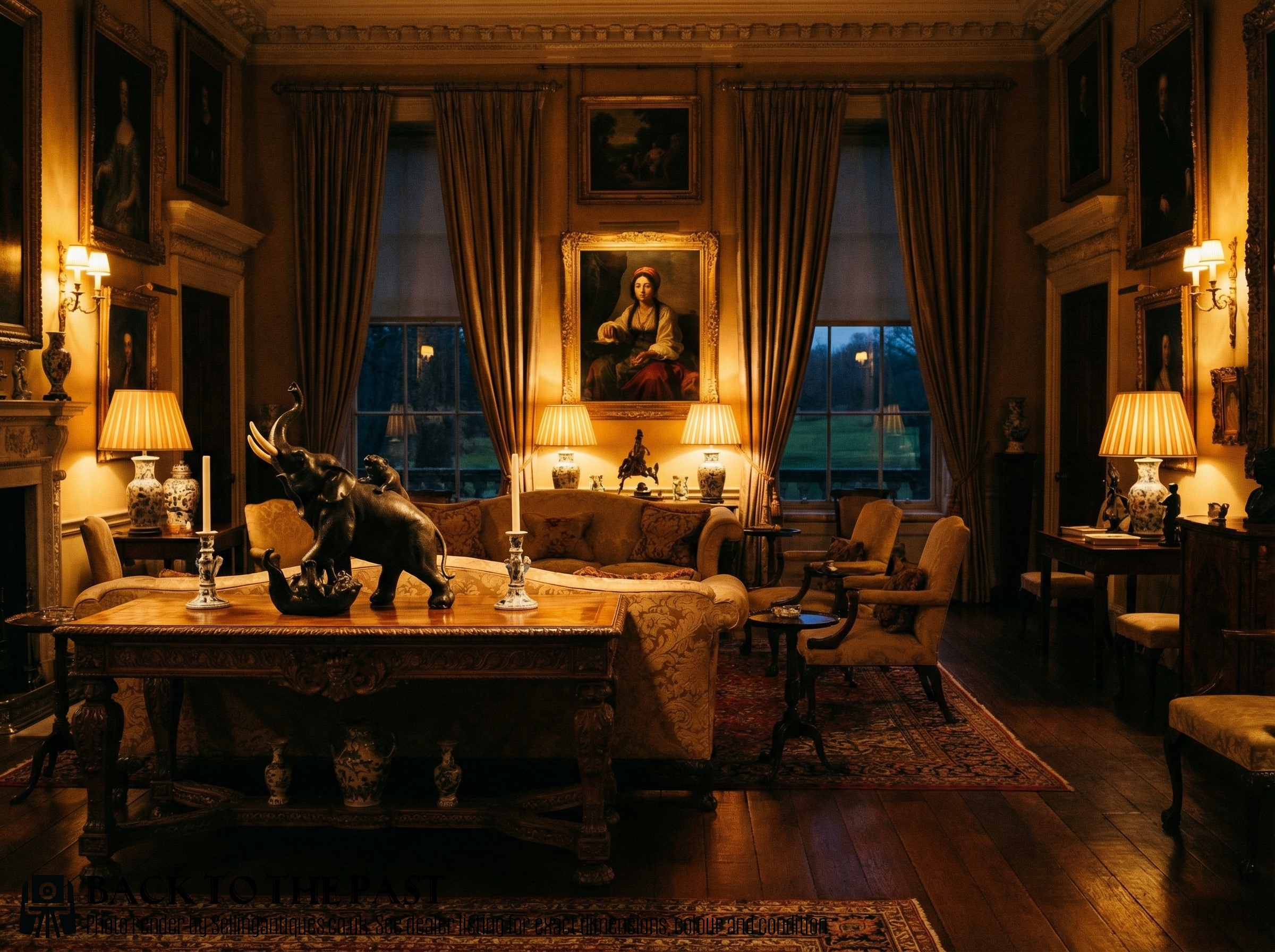
Display these heavy metal sculptures on stable, level surfaces away from direct moisture and handling. Bronze requires minimal maintenance beyond occasional dusting with a soft cloth.
Positioning them where light catches the contours helps reveal the fine chasing work. Wooden or ivory components need stable indoor humidity.