


Miniature Bronze Sculpture
These small bronze sculptures capture large subjects in miniature, offering intricate detail and craftsmanship suited for desk or cabinet display.
Miniature Bronze Sculpture
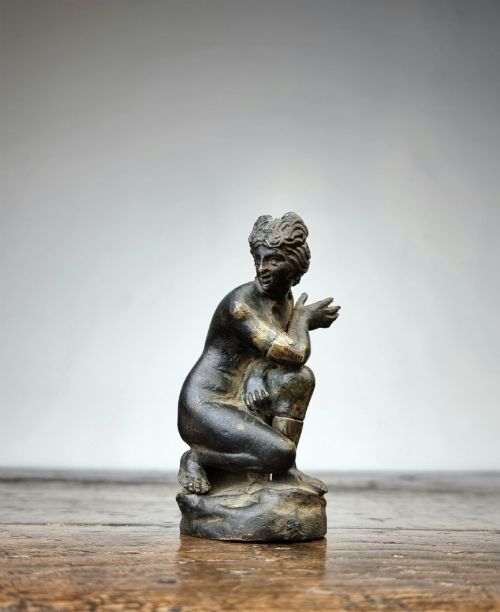
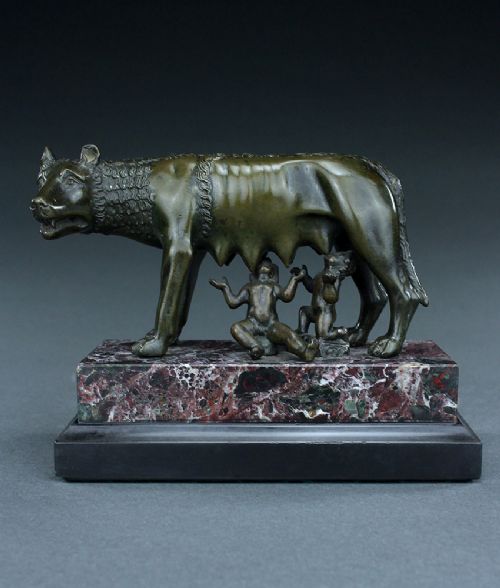
A miniature bronze sculpture is a compact metal casting representing figures, animals, architectural models, or classical subjects. When searching for a miniature bronze sculpture, collectors encounter everything from small animal figures to grand tour architectural souvenirs.
The pieces span various periods, including the seventeenth century, nineteenth century, and early twentieth century. Common forms range from Austrian cold painted animal figures to French Grand Tour models of columns and arches.
How they were made
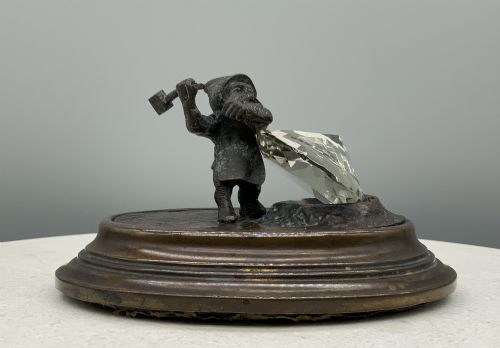
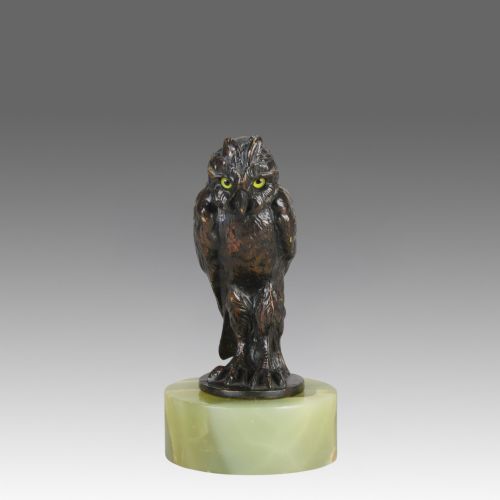
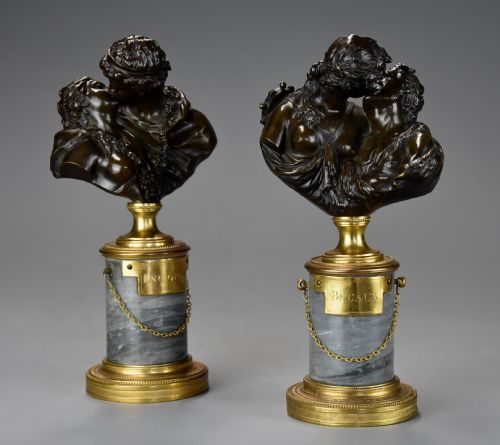
The primary material is bronze, frequently paired with paint, cold paint, marble, cut crystal, metal, onyx, or ormolu. Artisans utilised casting techniques to shape the metal before applying surface treatments.
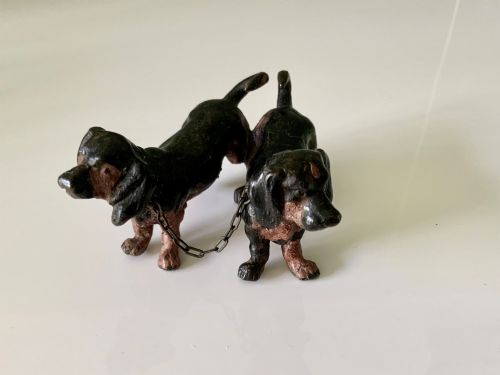
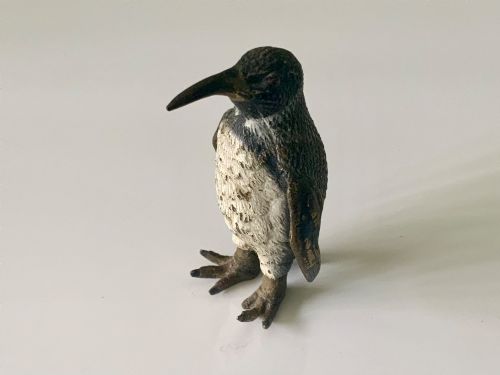
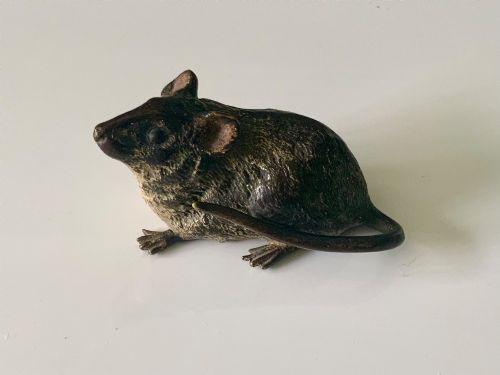
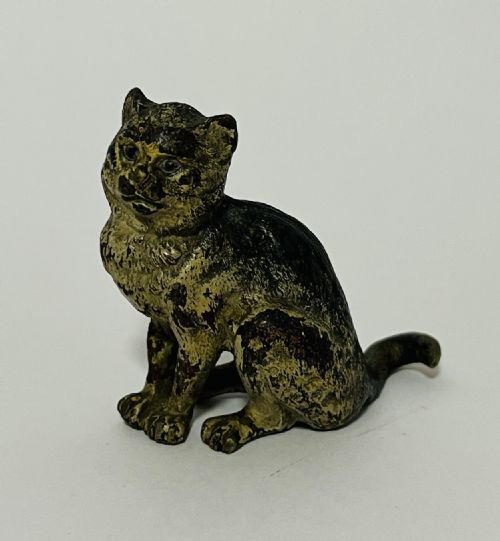
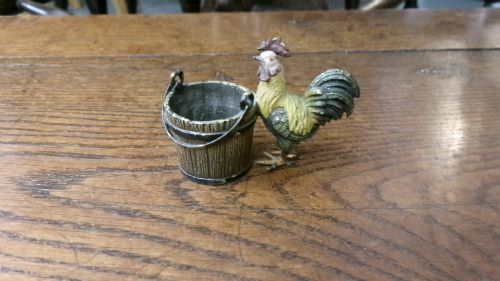
Cold painting involved applying pigment directly to the cold metal surface rather than firing it in a kiln. This technique created the vibrant multicoloured finishes seen on many Austrian and Vienna bronze pieces.
Listings feature pieces spanning from the 17th century through the 20th century, incorporating materials such as bronze, marble, onyx, and cut crystal.
What varies in quality
The preservation of the original surface finish, particularly on cold painted items, dictates desirability. Retaining the polychrome pigment intact without heavy retouching elevates the piece.
Jean Antoine Houdon·H. Chiparus·Edith Parsons·Franz Bergman·Stephan Buchinger
The Miniature Bronze Sculpture Glossary
- Cold paint
- A non-fired pigment technique applied directly to cured bronze surfaces. It allows for intricate polychrome detailing on small animal and human figures.
- Grand Tour
- Nineteenth-century educational travel souvenirs depicting classical architecture, monuments, and mythological busts. These miniature models were collected by travellers across Europe.
- Vienna bronze
- Small, highly detailed bronze sculptures produced in Austrian workshops during the late nineteenth and early twentieth centuries. They frequently depict realistic or humorous animal subjects.
- Ormolu
- Gilt bronze ornamentation applied to decorative objects or used as mounts. The technique involves a mercury-gilding process on cast bronze.
- Patinated bronze
- Metal treated with chemical solutions to produce a specific surface colour and tone. This finish protects the metal and accentuates sculptural contours.
Miniature Bronze Sculpture: Frequently Asked Questions
What subjects do these small bronzes show?
The subjects range widely from domestic and wild animals to human figures, architectural monuments, and classical busts.
Animals include dogs, cats, birds, frogs, and miners, while architectural pieces replicate columns and triumphal arches from Grand Tour travels.
How were cold painted bronzes finished?
Makers applied oil or enamel paints directly onto the cooled metal surface without firing the piece in a kiln.
This method allowed for delicate shading and bright colours on small figures, though the paint remains more delicate than traditional patination.
Where should I display small bronzes?
Their compact scale makes them ideal for placement on desks, bookshelves, or inside glass display cabinets.
Keeping them out of direct sunlight helps protect any painted surfaces or delicate additions like marble and crystal bases.
How do I identify a Grand Tour bronze?
Grand Tour pieces typically represent famous classical architecture, ruins, or antique sculptures encountered by travellers in Europe during the nineteenth century.
They serve as portable souvenirs of historic sites like the Vendome Column or the Arc de Triomphe.