


Vintage Bronze Statuette
A vintage bronze statuette brings cast metal character to a room, capturing human figures, animals, and mythological subjects in miniature scale.
Vintage Bronze Statuette
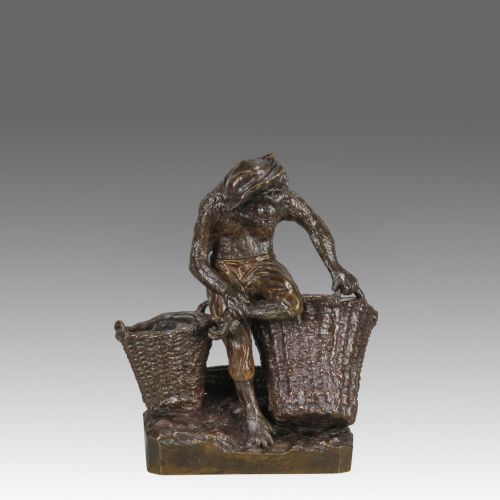
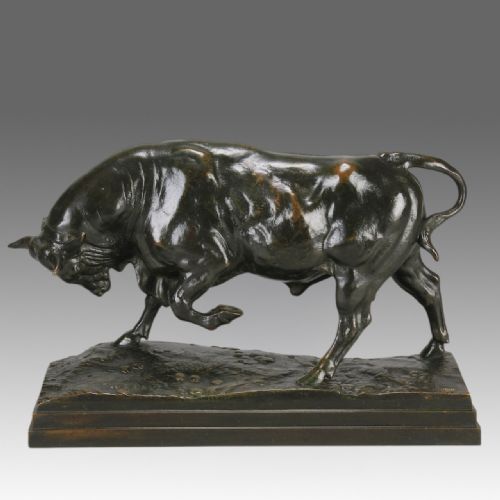
When you search for a vintage bronze statuette, you encounter sculptural works spanning the nineteenth century through the art deco era. These pieces range from small animal studies and mythological figures to dancers and portrait busts.
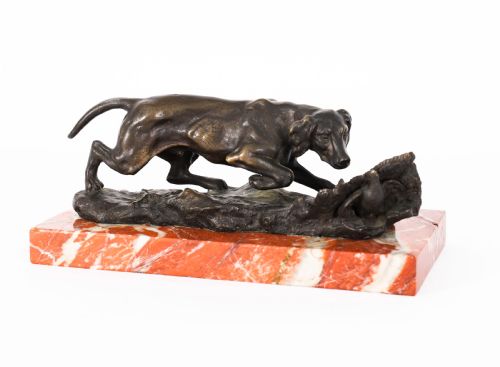
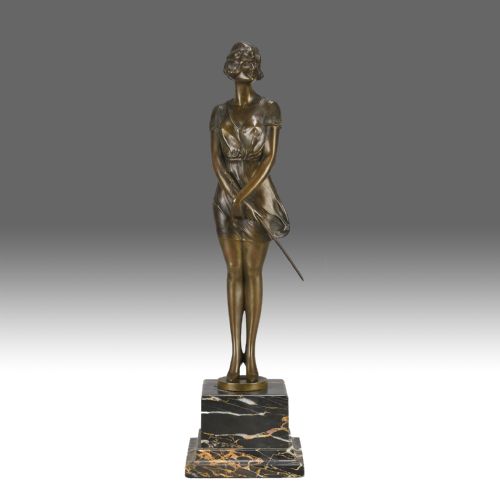
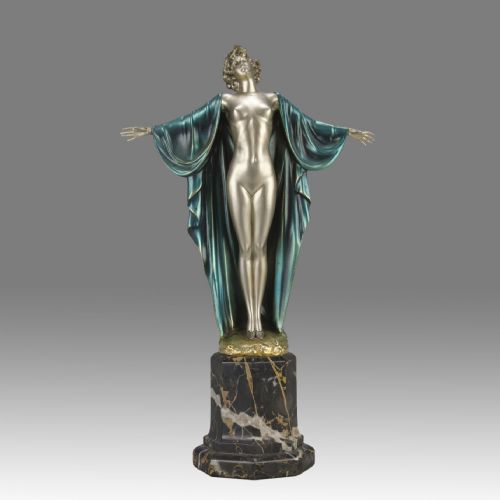
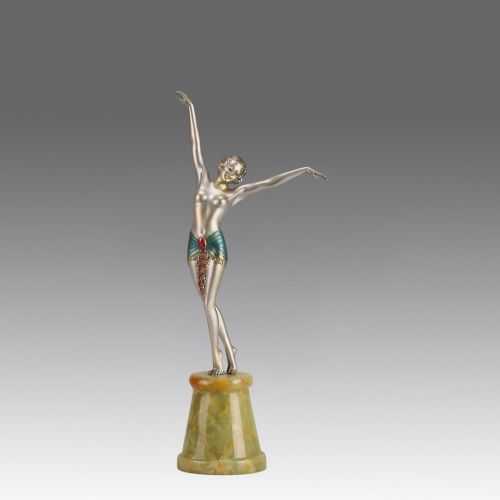
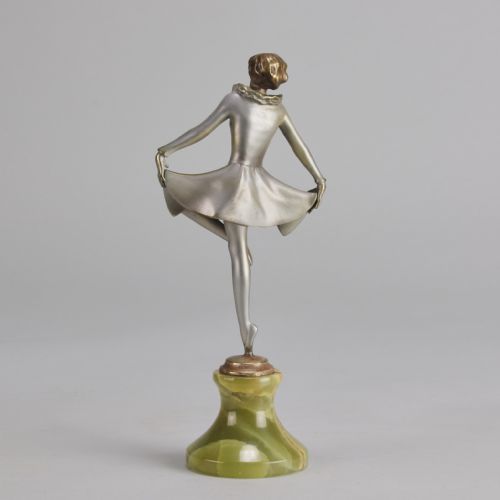
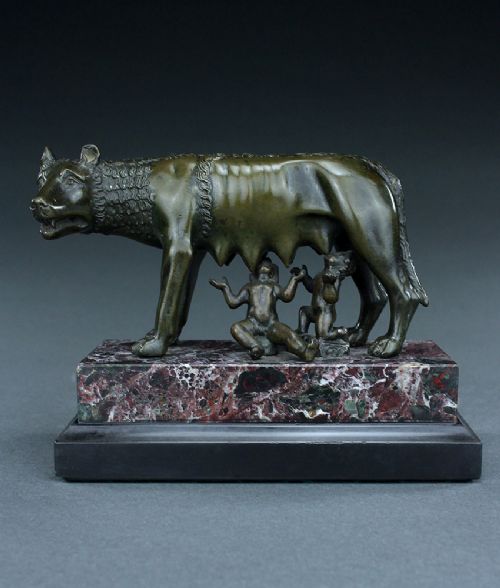
The selections available include French animalier casts, Austrian cold-painted novelties, and Grand Tour souvenirs from Italy. Collectors frequently find pieces mounted on marble or onyx bases, reflecting the display fashions of their period of origin.
Makers and foundries of the nineteenth and early twentieth centuries produced these statuettes in varied editions, utilising traditional casting methods to supply domestic interiors and cabinet collections.
Materials and casting technique
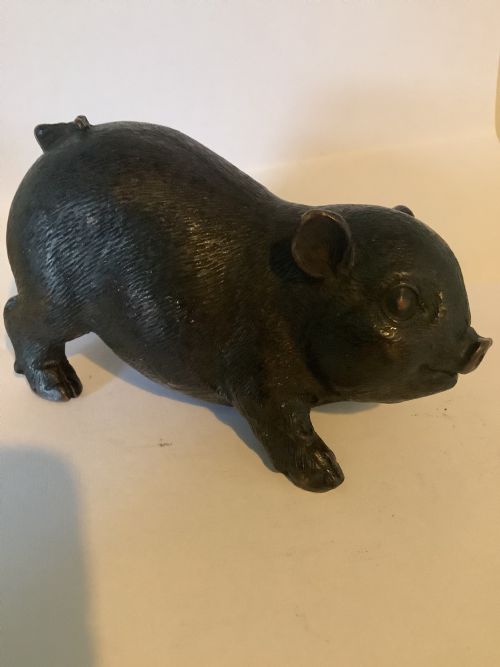
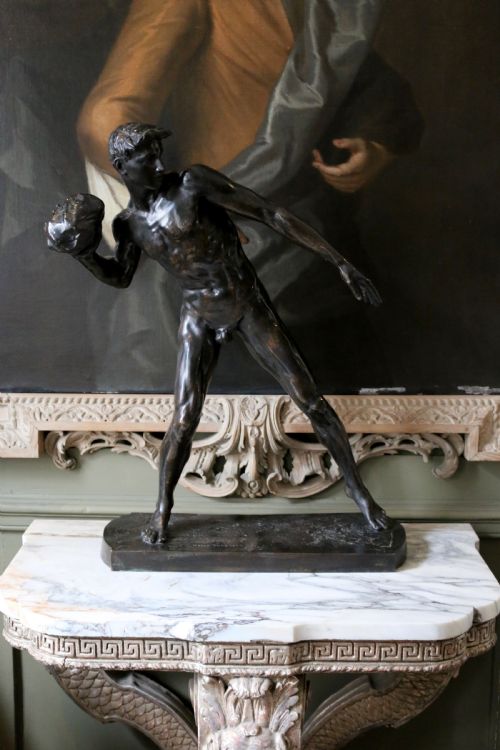
The primary material is copper alloy cast through traditional foundry processes, often finished with chemical patination to achieve brown, green, or near-black surface tones. Artisans also applied cold-painted enamels directly onto the metal surface, a technique prominent in Austrian workshops.
Many figures are mounted upon heavy stone plinths composed of marble or onyx, providing both visual weight and physical stability. Selected works combine the cast metal with carved ivory elements or trace paint details.
Vintage Bronze Statuette Retail Price Guide 2026
Typical asking prices for vintage bronze statuette among the pieces listed under this phrase on Sellingantiques today, from the lower quarter to the upper quarter. They describe what is for sale here now, not the wider market.
Among the menagerie of dancers and grand figures, tiny painted mice and budgerigars occupy their own cheerful corner of the metalwork world.
Factors of execution and finish
The integrity of the surface patination or the preservation of delicate cold-painted enamel distinguishes superior examples from heavily worn or later refinished pieces.
Carl Kauba·Bruno Zach·Ferdinand Preiss·Josef Lorenzl·Christophe Fratin·Antoine Louis Barye·Franz Bergman·Jules Dalou·Demetre Chiparus·Edouard Drouot
The Vintage Bronze Statuette Glossary
- Cold-painted bronze
- A technique where paint is applied to an unheated bronze casting, often using oil-based pigments that remain vulnerable to cleaning agents.
- Animalier
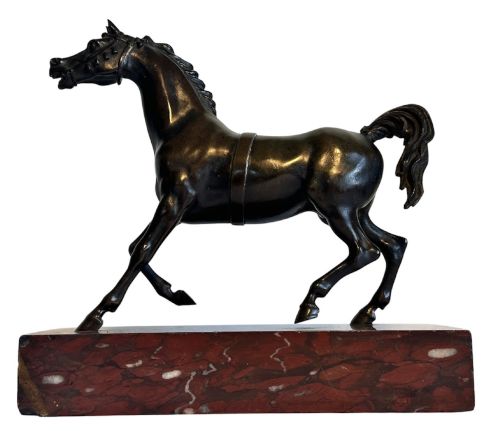
- A nineteenth-century sculptural movement focused on the realistic depiction of animals, particularly predators, horses, and domestic subjects in motion.
- Grand Tour
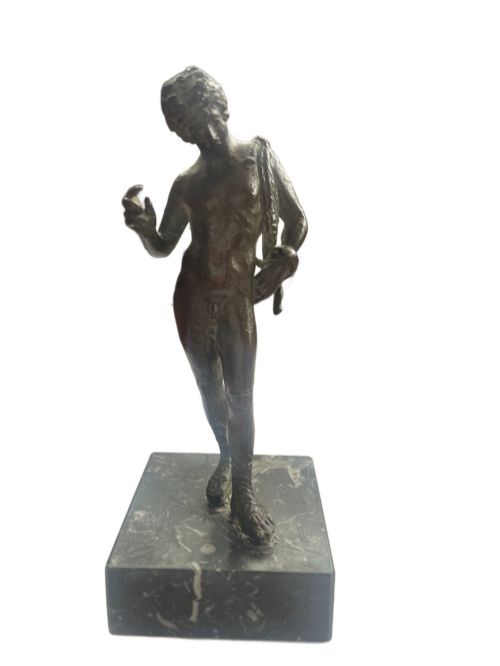
- Souvenir bronzes purchased by nineteenth-century travellers visiting classical and Renaissance sites in Italy, typically reproducing ancient statuary.
- Patination
- The coloration of a metal surface achieved through chemical treatments or natural oxidation over decades of exposure.
- Plinth
- The solid base of marble, onyx, or metal upon which a statuette is mounted for display.
Vintage Bronze Statuette: Frequently Asked Questions
How do I clean my bronze statuette?
Dust the surface gently with a soft, dry brush to prevent the accumulation of particles within recessed details. Avoid using water, soap, or chemical polishes, which can strip away historic patination.
For stubborn grime, consult a professional conservator rather than attempting intervention at home. Preserving the original surface skin maintains the historical integrity of the piece.
Were these figures made in pairs?
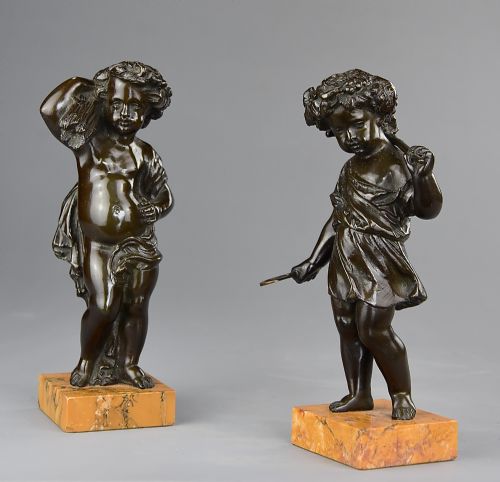
Certain subjects, such as decorative putti, duelling knights, and bookends, were intentionally cast as matching pairs to flank mantelpieces or furniture surfaces. Many other statuettes, however, were created and issued as single, independent sculptures.
When evaluating a purported pair, examine the casting seams and base materials to confirm they originated from the same production period.
What is the difference between bronze and spelter?
Bronze is an alloy of copper and tin that yields a heavy, durable sculpture capable of holding sharp chisel and file work. Spelter is a softer zinc-based metal alloy often utilised as a less expensive alternative during the nineteenth century.
Spelter statuettes feel lighter in the hand and frequently exhibit brittle fractures where thin limbs join the main body.
Why are some figures mounted on marble bases?
Marble and onyx plinths provided nineteenth and twentieth-century sculptors with a stable architectural foundation that elevated the artwork. These heavy stone bases also aligned with interior design trends of the art deco and art nouveau periods.
Examining the underside of the stone often reveals the threaded bolts or pins used to secure the metal figure to the plinth.