




Bronze Nude Sculpture
A bronze nude sculpture captures the human form with enduring weight and warmth, offering the collector a timeless study in classical and modernist grace.
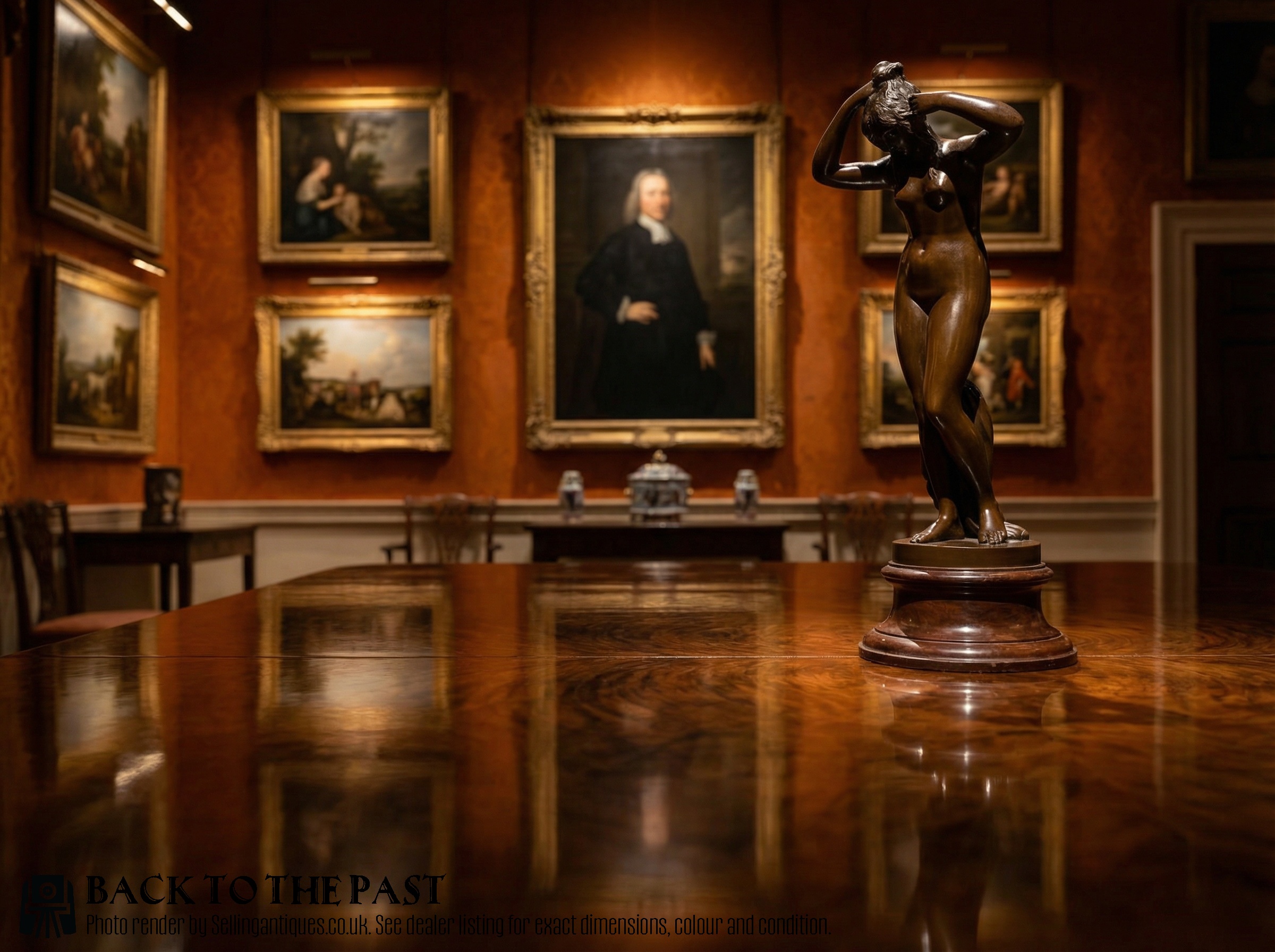
Defining bronze nude sculpture
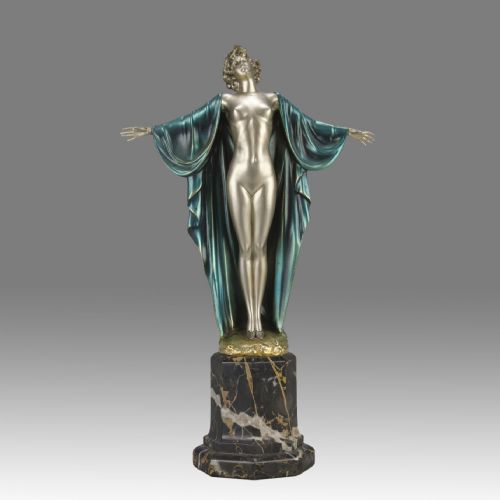
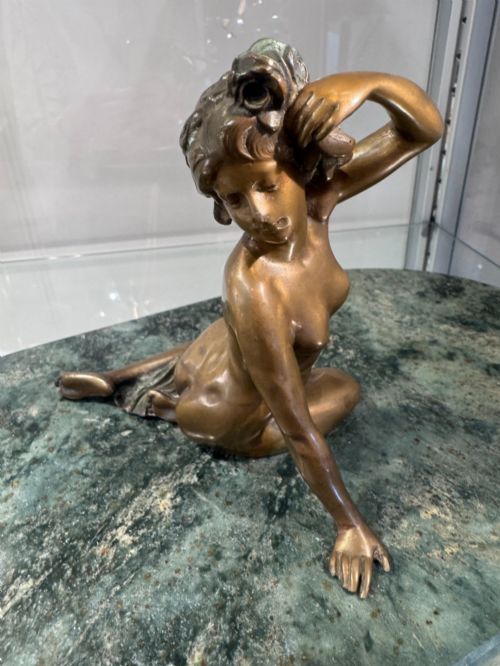
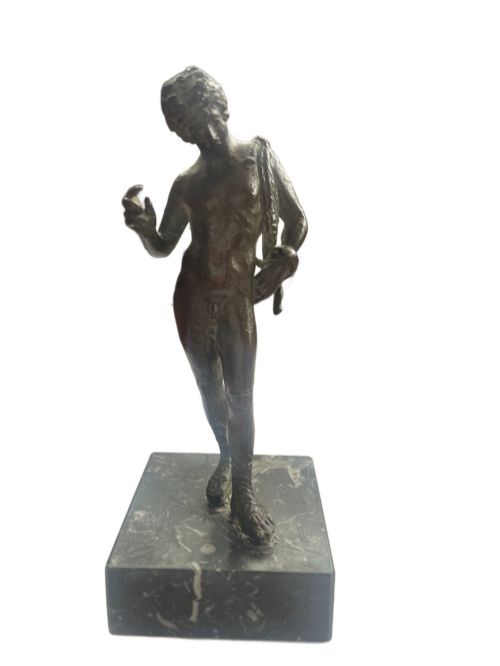
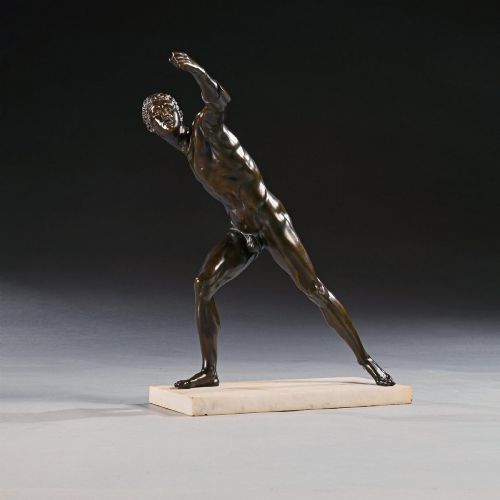
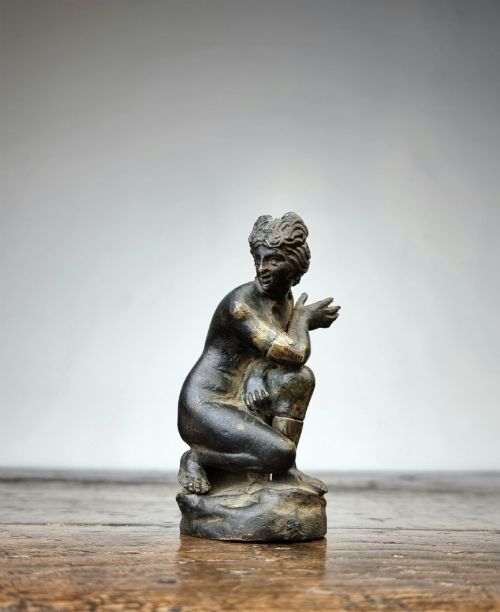
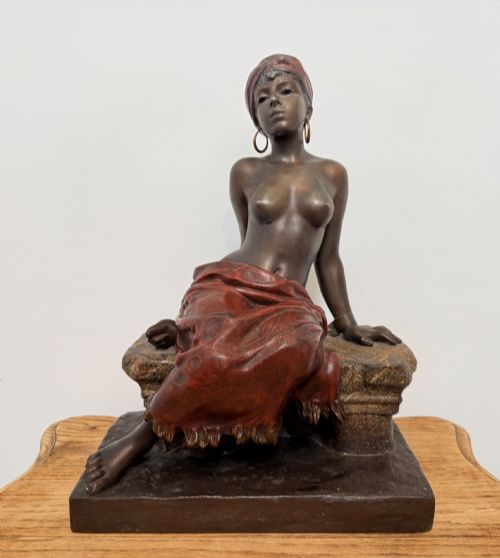
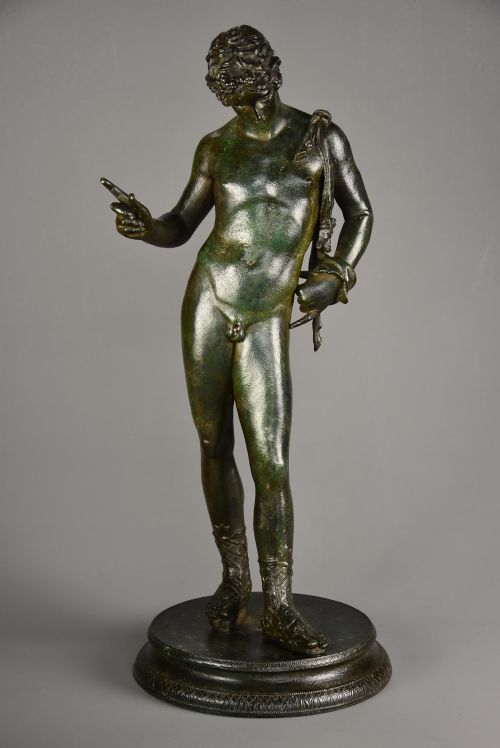
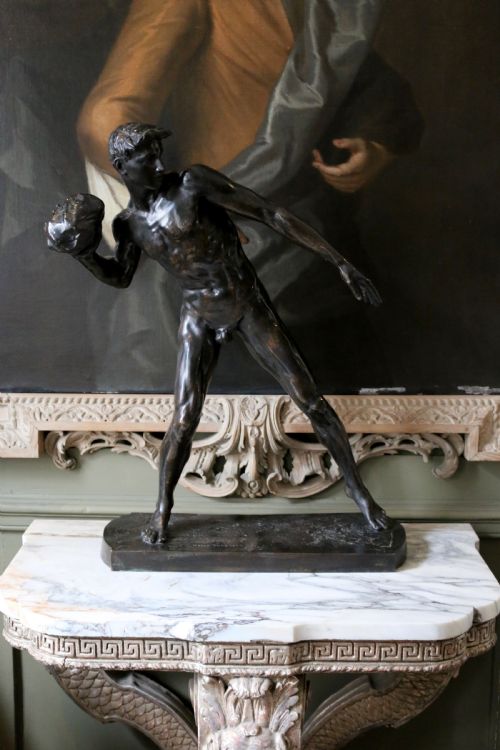
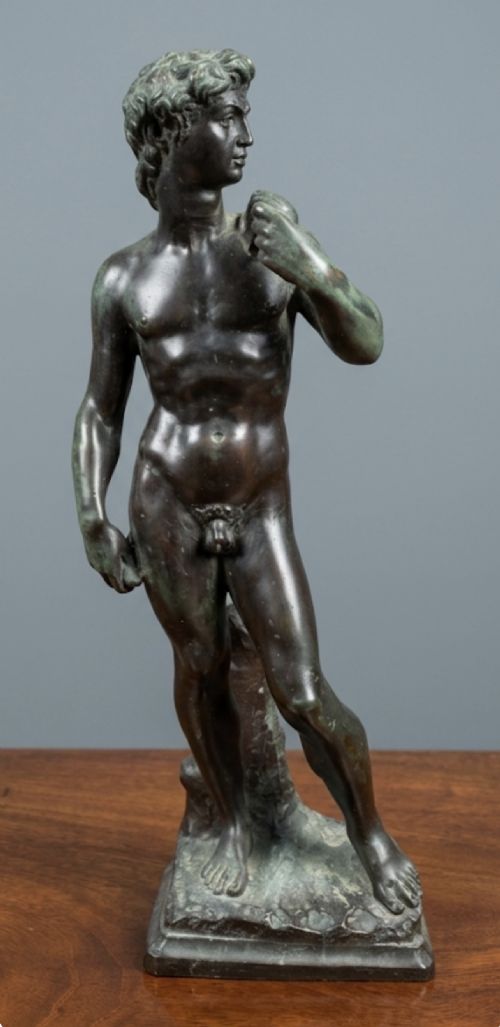
A bronze nude sculpture represents the human figure without attire, rendered through metal casting across the nineteenth and twentieth centuries. These works range from classical nineteenth-century portrayals of bathers and athletes to stylised Art Deco dancers and orientalist figures.
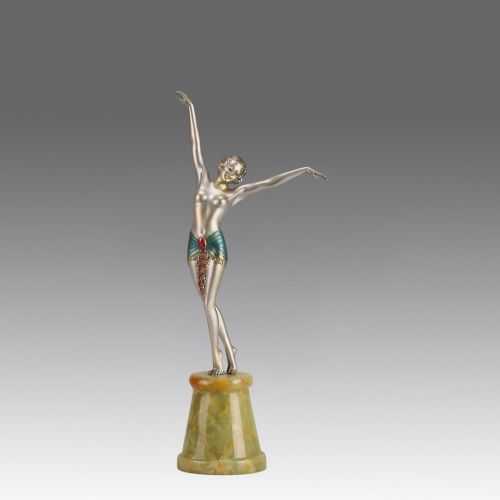
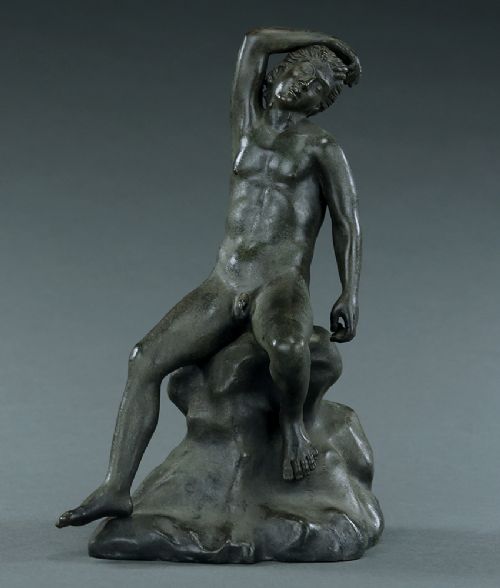
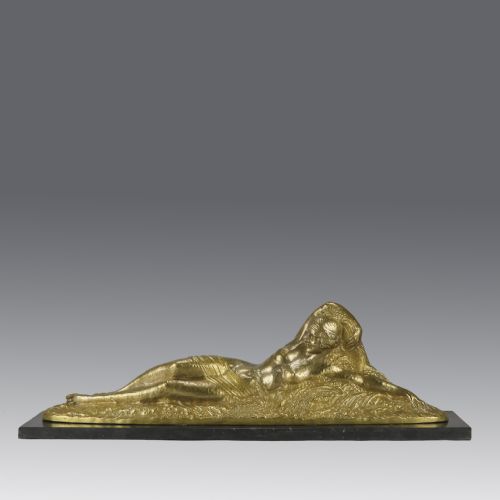
The pieces appearing on this page lean heavily towards French and Austrian studios, alongside specific twentieth-century modernist interpretations. Figures take various forms, appearing as reclining ladies, seated bathers, dancers, and athletic youths.
Collectors encounter everything from intimate car mascots to substantial gallery pieces designed for prominent display. The aesthetic shifts from nineteenth-century academic realism to the geometric precision of the Art Deco era.
Materials and casting methods
Sculptors utilised the lost-wax casting method or sand casting to capture intricate anatomical detail in molten bronze. The metal received various surface treatments, including cold-painted polychrome finishes, silvering, gilding, or dark patination.
Artists frequently mounted their metal figures on contrasting solid bases made from marble, onyx, alabaster, slate, or polished wood. These heavy stone plinths provided physical stability and a visual frame for the metallic figures above.
Retail Price Guide 2026
Typical UK retail prices for bronze nude sculpture, calculated from the Sellingantiques database of over a million retail prices indexed since 2003. This retail price guide relies exclusively on Sellingantiques data; no external sources or auction records are used, so the figures do not describe the wider market.
Common base materials supporting these bronze figures include marble, onyx, slate, alabaster, and timber.
Judging the work
The nuance of the patination or the application of cold paint dictates much of the visual success. Superior examples exhibit deliberate surface coloration that accentuates the contours of the body rather than obscuring the metal beneath.
The choice of base material and its integration with the bronze sculpture marks the distinction between standard commercial output and masterwork production. Harmonious pairing of bronze with veined marble or carved alabaster elevates the overall composition.
Bergman Vienna·Demetre Chiparus·Josef Lorenzl·Emilio P Fiaschi·Olof Ahlberg·Hans Muller·Prof O Poertzel
The Bronze Nude Sculpture Glossary
- Patina
- The chemical coloration or natural film that forms on the surface of bronze over time or through intentional treatment. Artists use acids and heat to achieve specific tones ranging from deep chocolate brown to green.
- Cold painted
- A finishing technique where pigment is applied to a bronze object after casting without subsequent high-temperature firing. This method allows for vivid multi-coloured garments and skin tones.
- Lost-wax casting
- A historic method where a model is encased in wax, melted out, and replaced with molten metal. It permits the creation of complex undercuts and fine anatomical details.
- Chasing
- The process of refining a raw metal casting using hammers and punches to clean seams and sharpen details. Skilled chasers restore texture lost during the investment moulding stage.
- Car mascot
- A small sculptural ornament mounted upon the radiator cap of an automobile, particularly popular during the Art Deco motoring boom. These figures often depicted stylised human or animal forms to catch the wind.
Frequently Asked Questions
How do I clean a bronze sculpture?
Dust the surface gently with a soft, dry brush to prevent particulate buildup without disturbing the underlying patina.
Avoid using water, chemical solvents, or abrasive polishes, as these agents strip away historic surface treatments and damage the metal.
Are these figures solid bronze?
Many figurative sculptures are cast hollow to conserve metal and reduce overall weight while maintaining structural rigidity.
Heavier components or smaller items like car mascots may be cast solid, though hollow construction remains standard practice.
What is the difference between Art Deco and nineteenth-century pieces?
Nineteenth-century sculptures tend toward naturalistic anatomy, classical mythology, and academic realism inspired by the antique world.
Art Deco works embrace stylised geometry, elongated limbs, and modern themes such as cabaret dancers and motoring.
Why are some figures mounted on marble?
Stone plinths provide a secure and weighty foundation that anchors tall or dynamic figures against tipping.
Marble and onyx also introduce contrasting colours and textures that complement the metallic tones of the bronze.