
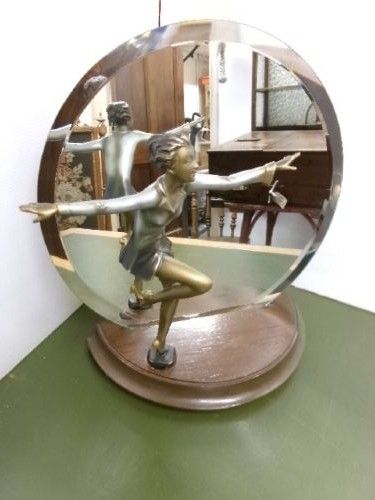
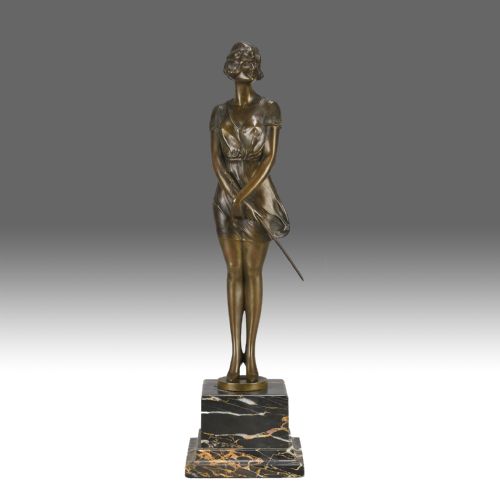
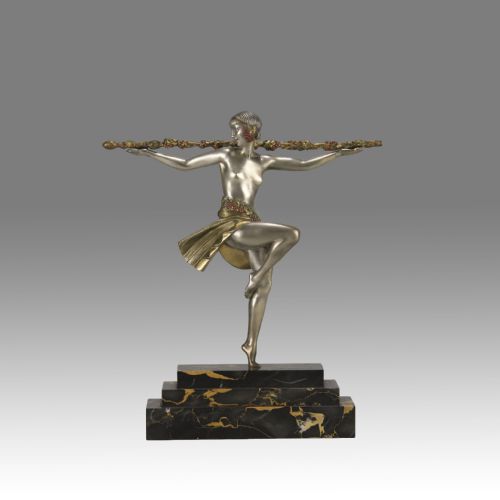
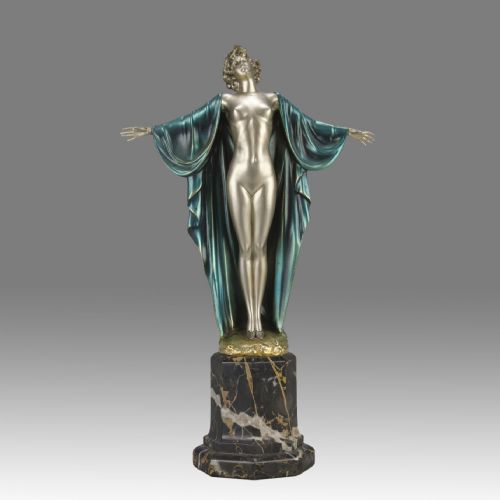



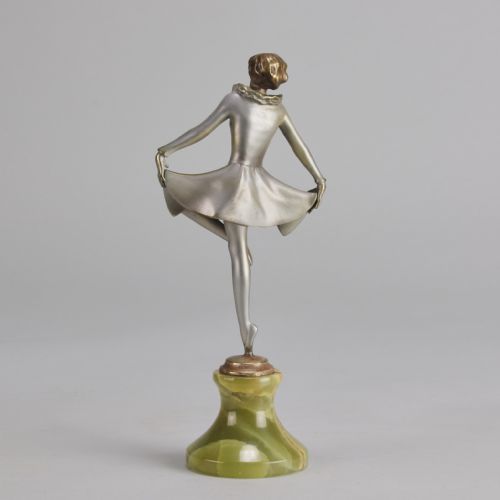
Art Deco Bronze Figurine
An art deco bronze figurine captures the motion and stylised geometry of the interwar period with lasting decorative impact.
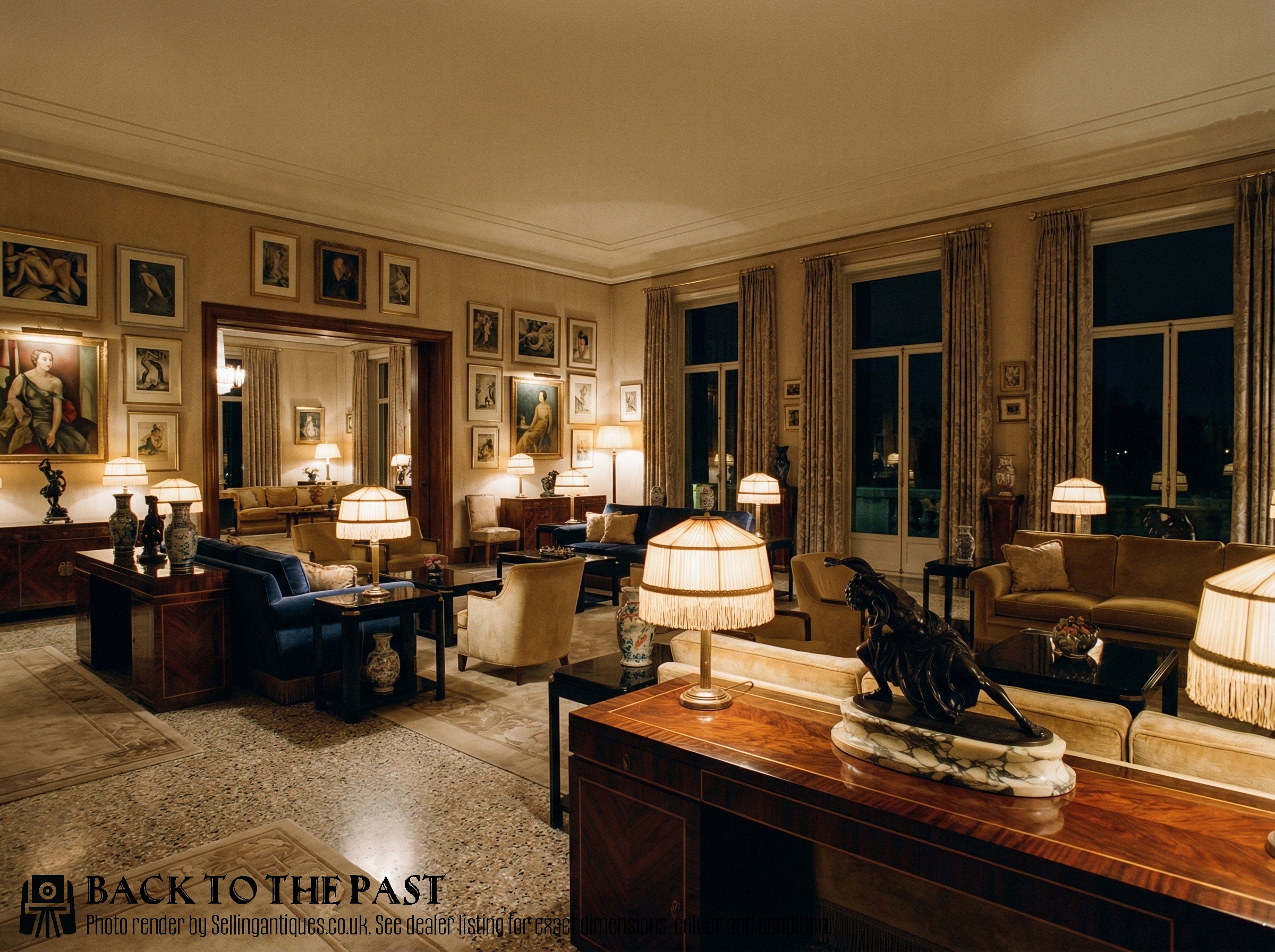
Art Deco Bronze Figurine
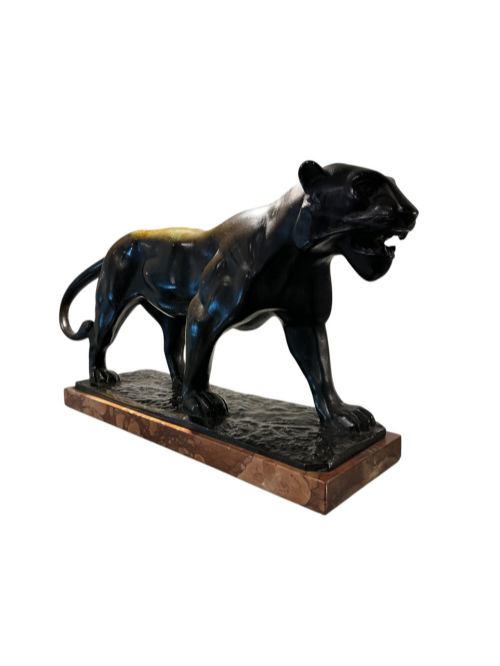
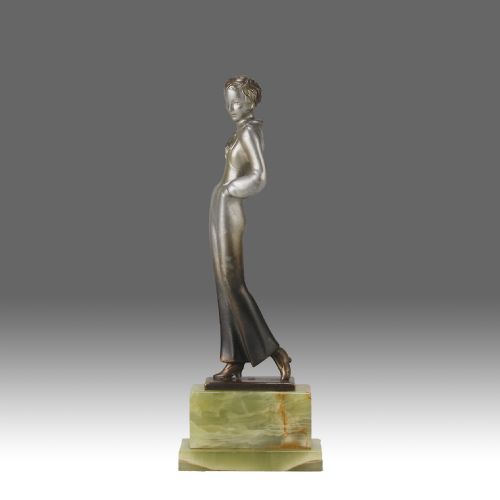
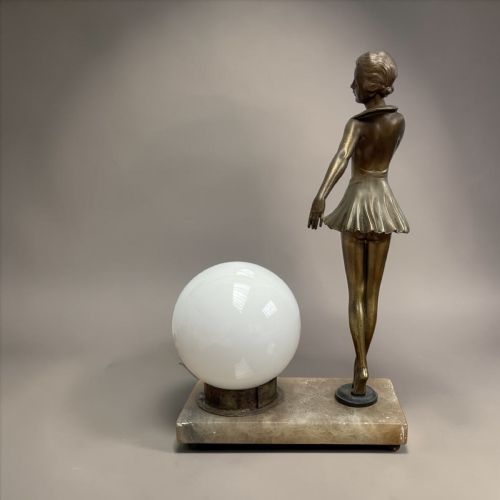
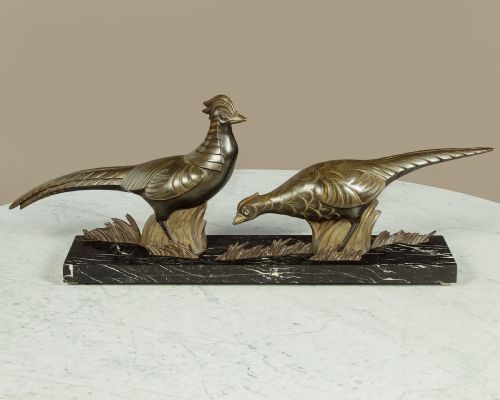
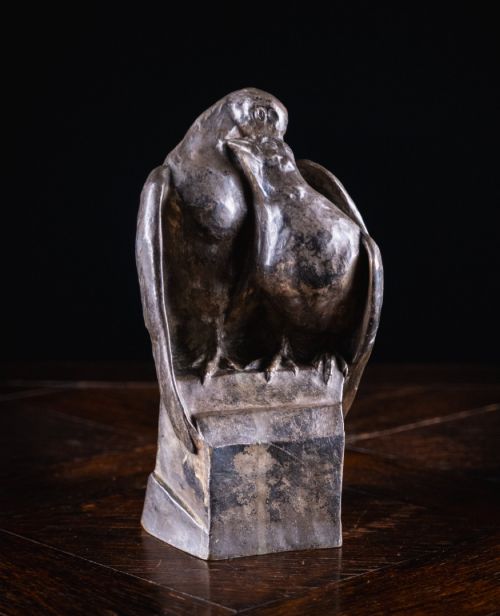
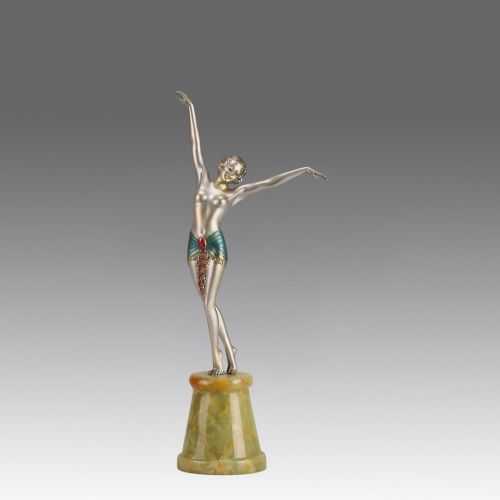
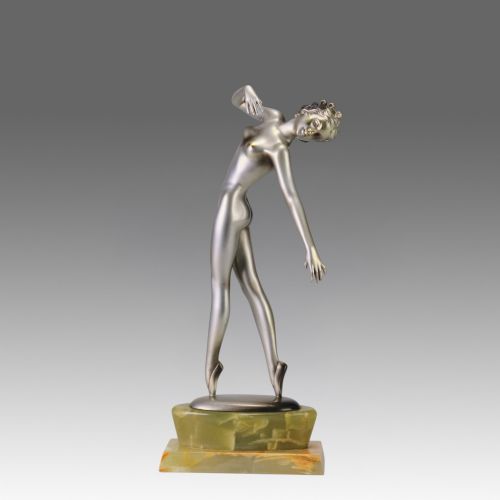
An art deco bronze figurine embodies the sleek, modernist aesthetic of the early twentieth century, spanning dancer studies, athletic figures, and animalier subjects. These sculptures frequently depict female dancers, athletes in motion, and stylised birds or panthers created during the 1920s, 1930s, and 1940s.
Collectors encounter both solid cast metal pieces and mixed media works mounted on heavy stone plinths. The most common versions on this page combine cast metal with marble or onyx bases, showing distinct French and Austrian workshop origins.
Materials and casting methods
Sculptors utilised traditional lost-wax casting methods to shape bronze, gilt bronze, and nickel bronze into fluid human and animal forms. Many pieces also employ spelter as a more accessible metal alternative to cast bronze.
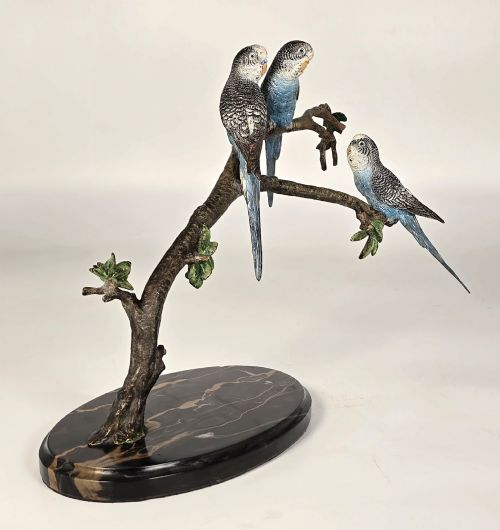
Surface decoration frequently involves cold painting or applied patination to add colour and detail to garments and feathers. Figures are commonly anchored to bases fashioned from carved marble, onyx, or wood.
Art Deco Bronze Figurine Retail Price Guide 2026
Typical asking prices for art deco bronze figurine among the pieces listed under this phrase on Sellingantiques today, from the lower quarter to the upper quarter. They describe what is for sale here now, not the wider market.
Watch for Tour de France cyclists and lingerie advertising mannequins sharing shelf space with elegant art deco dancers.
Distinctions in craftsmanship
The precision of the chasing and the crispness of the cold-painted surface determine the overall refinement of a sculpture. Finer examples retain meticulous detail in facial expressions, drapery, and anatomical definition.
The choice and integration of the base material also influence the standard of the piece, with substantial, well-fitted marble or onyx plinths indicating superior workshop production.
Bruno Zach·Pierre le Faguays·Ferdinand Preiss·Josef Lorenzl·Alexandre Ouline·Demetre Chiparus·C J R Colinet·Paul Philippe·Otto Poertzel
The Art Deco Bronze Figurine Glossary
- Cold-painted bronze
- A technique where paint is applied to a bronze casting without the application of heat, leaving the pigment delicate and susceptible to wear. This finish is typical of Austrian animalier and dancer studies.
- Spelter
- A zinc alloy utilised as a cost-effective substitute for bronze during the period. It accepts patination and paint similarly to bronze but possesses a lighter weight.
- Animalier
- A nineteenth and twentieth-century artistic focus on the realistic or stylised portrayal of animals. Panthers, birds, and stags are prominent subjects within this tradition.
- Patination
- The chemical treatment or natural oxidation applied to the surface of metal to alter its colour. This process enhances depth and highlights sculptural contours.
Art Deco Bronze Figurine: Frequently Asked Questions
How do I identify a spelter figure from a bronze one?
Bronze objects feel noticeably heavier and cooler to the touch than spelter alternatives cast from zinc alloys. Examining the underside or unpainted areas often reveals the paler grey metal beneath the patination.
Spelter figures may also exhibit slight casting fatigue or surface crazing where the metal meets applied paint layers. True bronze retains structural crispness and a deep, stable metallic grain.
Were these figures mounted on stone bases originally?
Many sculptures from the period were intentionally paired with heavy marble or onyx plinths to provide structural stability and architectural contrast. The geometry of the stone base reinforces the vertical or horizontal lines of the modernist design.
Plinths were cut and polished to complement the metallic finish of the dancer or animal subject. Original mountings fit the contours of the metal feet or base plate precisely.
How should I clean a cold-painted bronze?
Cold-painted surfaces require extreme caution because moisture and friction can easily lift the historical pigment layers. Dust the sculpture gently with a soft, dry brush without applying liquid cleaning agents.
Avoid commercial metal polishes entirely, as they strip patination and residual paint from the bronze casting. Preserving the dry, original surface maintains the historical integrity of the piece.
What subjects are most typical of Austrian workshops?
Austrian foundries frequently produced vibrant cold-painted studies of exotic dancers, ballerinase, and small birds such as budgerigars and pheasants. These figures often rely on bright colour applications to capture theatrical costume details.
French workshops tended to emphasise large-scale athleticism, stylized nudes, and sleek animalier predators like panthers. Both regional traditions utilised signature bronze and mixed media constructions.