
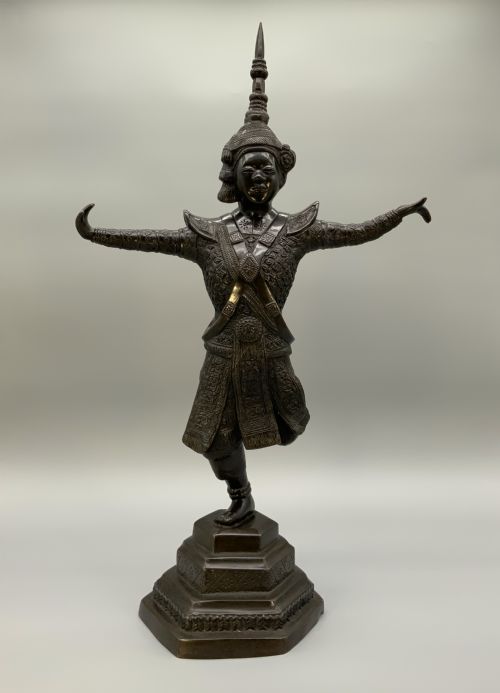


Dark Bronze Dancer Sculpture
These pieces capture kinetic grace in metal, and a dark bronze dancer sculpture brings dynamic movement and period style to any interior.
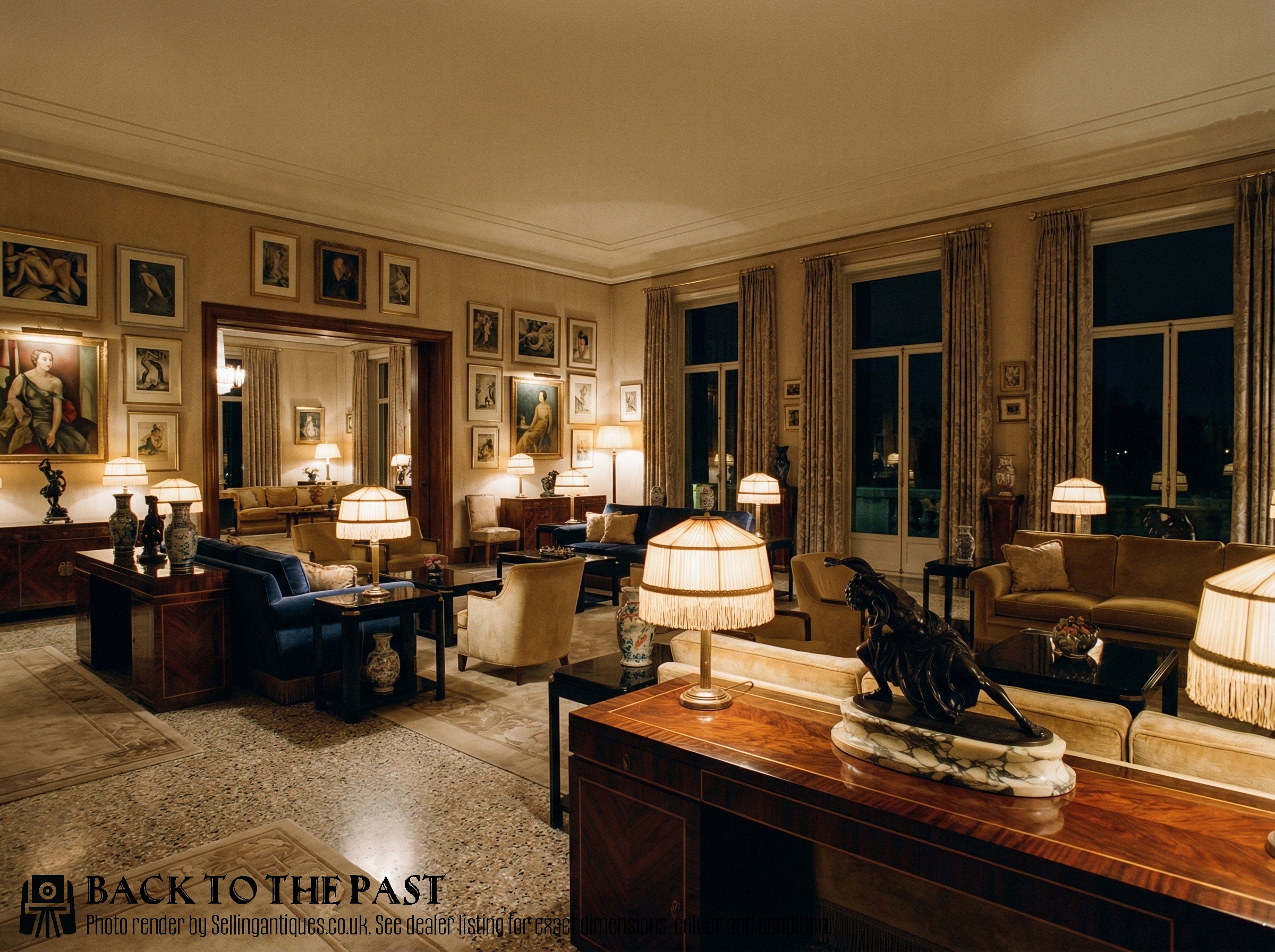
Dark Bronze Dancer Sculpture
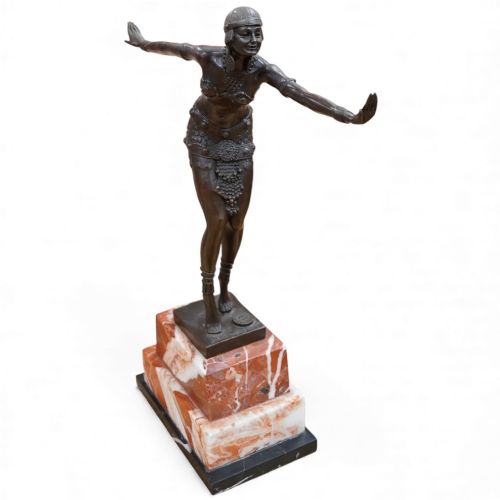
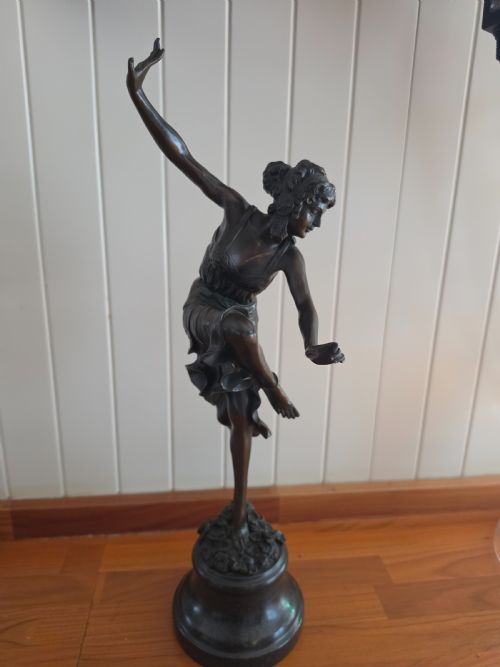
A dark bronze dancer sculpture embodies movement through metal, capturing performers in mid-stride, leap, or pose. When you search for this phrase, you encounter figures that span from the nineteenth century into the twentieth century.
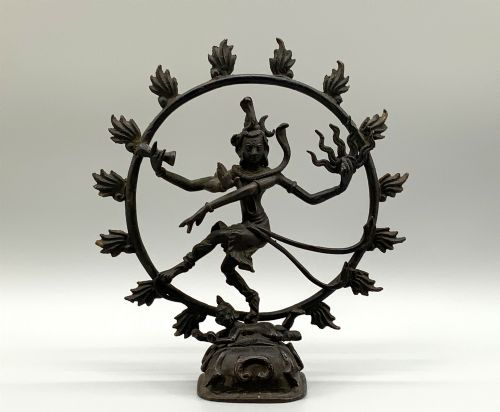
The versions most common here are French Art Deco figures from the nineteen-twenties and nineteen-thirties, often mounted on marble or onyx bases. These pieces depict subjects ranging from exotic stage dancers to mythological figures like Shiva Nataraja.
Makers and sculptors utilised various stylistic movements, including Art Nouveau, Neoclassical, and Indochinese traditions. The forms function primarily as mantel or cabinet sculptures, statues, and figurines.
How they were made
Foundries cast these figures in bronze using traditional methods, often applying a dark patination to the metal surface. Sculptors then finished the details by hand to accentuate the lines of the body and drapery.
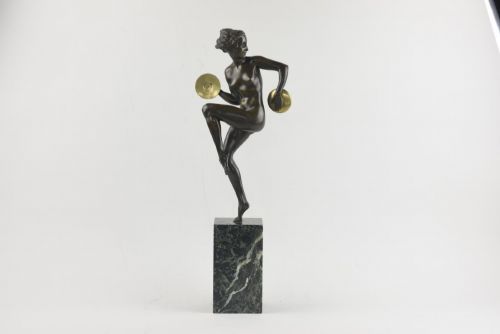
Many figures incorporate parcel-gilt or gilt highlights to contrast with the dark bronze body. Sculptures frequently sit upon shaped bases carved from marble or onyx to provide stability and visual weight.
Some dancers kick higher than common sense permits, held aloft entirely by the stubborn strength of a well-cast bronze ankle.
What varies in quality
The refinement of the casting and the crispness of the chiselling separate standard production from superior work. Master sculptors and skilled foundries achieved subtle musculature and delicate facial expressions that lesser pieces lack.
The quality of the mounting and the selection of the stone base contribute to the overall presence of the sculpture. Heavier, finely veined marble or onyx bases paired with patinated bronze demonstrate careful workshop production.
Aurore Onu·C J R Colinet·Rousseau·D H Chiparus·Josef Lorenzl·Paul de Boulogne·Eugène Désiré Piron·Jean Jacques Pradier·Claire Colinet·Bruno Zach·Mario Korbel·Francisque Joseph Duret
The Dark Bronze Dancer Sculpture Glossary
- Bronze
- An alloy of copper and tin used by foundries for casting detailed sculptural figures. It accepts patination readily.
- Patination
- The chemical or natural treatment applied to the metal surface to produce a dark, aged finish. This coloration protects the bronze while defining the contours of the sculpture.
- Parcel-gilt
- A decoration technique where parts of the bronze sculpture receive a thin layer of gold leaf while other areas remain dark bronze. This creates a striking visual contrast on the figure.
- Onyx
- A banded variety of chalcedony frequently utilised for the heavy bases supporting Art Deco dancer sculptures. Its translucent layers provide a polished foundation for the metalwork.
Dark Bronze Dancer Sculpture: Frequently Asked Questions
What periods do these dancer sculptures come from?
The selection spans the nineteenth century through the mid-twentieth century, with a strong concentration of pieces originating in the nineteen-twenties and nineteen-thirties.
Earlier nineteenth-century examples often lean towards classical or Indian subjects, while twentieth-century pieces predominantly reflect Art Deco aesthetics.
How should I display a bronze dancer?
These sculptures suit placement on sturdy mantelpieces, sideboards, or dedicated display pedestals where adequate lighting can catch the patinated surfaces.
Ensure the supporting furniture is stable, as the combined weight of the bronze figure and its marble or onyx base can be substantial.
Why are some figures mounted on stone bases?
Stone bases made of marble or onyx provide essential physical stability for top-heavy figures captured in dynamic dancing poses.
In Art Deco design, these contrasting materials also frame the bronze silhouette and enhance the geometric lines of the sculpture.
How do I distinguish Art Deco dancers from older styles?
Art Deco dancer figures emphasise stylised movement, theatrical costume, and sleek bodily forms associated with the interwar period. Nineteenth-century examples typically follow more traditional academic, mythological, or non-European sculptural traditions.