


1930s Bronze Female Dancer
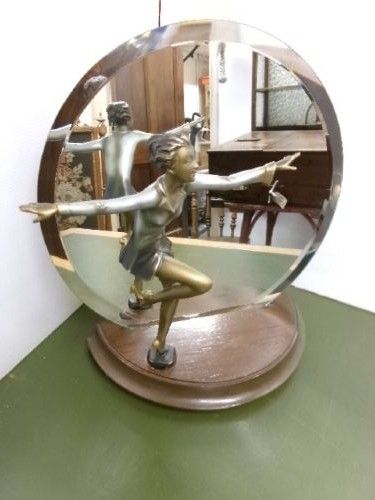
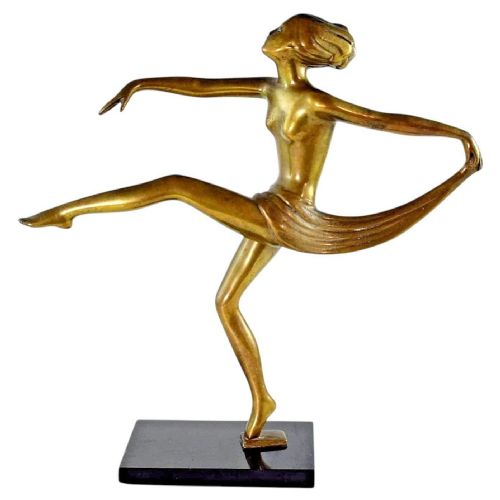
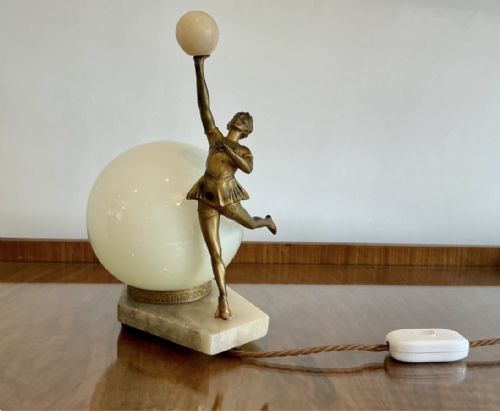
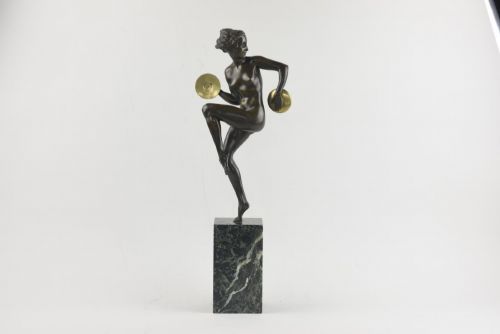
These 1930s bronze female dancer sculptures capture the dynamic energy of Art Deco movement.
1930s Bronze Female Dancer
When you search for 1930s bronze female dancer, you uncover figures shaped by the vibrant Art Deco aesthetic of the interwar years. These works capture motion through leaping, balancing, or posing figures that reflect the modern spirit of the period.
The most common versions on this page are metal figures mounted upon heavy stone plinths. Many take the form of freestanding sculptures, while others double as functional table lamps or table lighters.
Originating largely from French and English workshops, these pieces frequently depict dancers with outstretched arms, hoops, or cymbals. They serve as striking focal points for surfaces and display cabinets alike.
How they were made
Foundry workers cast these figures using traditional metalworking methods, employing bronze or patinated metal alongside more affordable alternatives such as spelter. These metal components received detailed chasing and surface patination to accentuate the contours of the body and drapery.
Makers anchored the figures to substantial bases cut from marble, onyx, or alabaster, often matching the stone to the colour tones of the metal. Certain items incorporate glass or wood elements to complete the composition.
What varies in quality
The selection and finish of the mounting base also influence the overall standard of the object. Polished marble or onyx plinths with harmonious proportions elevate the presence of the dancing figure significantly.
Josef Lorenzl·Aurore Onu·Rene Andre Varnier·Demetre Chiparus
The 1930s Bronze Female Dancer Glossary
- Spelter
- A zinc alloy commonly utilised as a less costly substitute for bronze in decorative figures. It accepts patination well but possesses a lighter weight than true bronze.
- Chryselephantine
- A term describing statues combining ivory and bronze elements. This technique highlights the decorative contrasts typical of luxury Art Deco objects.
- Patination
- The surface treatment applied to metal to create colour and depth. Artisans used chemical or painted finishes to simulate age and enhance highlights.
- Onyx
- A banded variety of chalcedony stone frequently utilised for sculptural bases. Its natural veining adds distinctive patterns beneath the mounted figures.
1930s Bronze Female Dancer: Frequently Asked Questions
How do I identify a spelter figure from bronze?
Spelter is lighter in weight and tends to feel softer than bronze when examined closely. You can often check the underside or hidden areas to see the underlying grey metal colour.
Bronze exhibits greater durability and a heavier heft, reflecting its higher copper content. Many listings specify the exact metal used in the piece description.
What is a chryselephantine sculpture?
A chryselephantine sculpture combines carved ivory for the flesh tones with bronze for the hair, clothing, and base. This method creates a striking textural contrast beloved by period artists.
These works represent the more luxurious end of Art Deco tabletop ornamentation. They require careful environmental conditions to preserve the organic ivory components.
How were these dancer figures originally displayed?
Owners typically placed these sculptures on mantelpieces, sideboards, or dedicated occasional tables where their dynamic silhouettes could be admired. Some versions served practical roles as lamps or lighters while retaining their decorative grace.
The heavy stone bases provided necessary stability for figures caught in precarious leaping or balancing poses. Today, they suit similar prominent locations in modern interiors.
Are all these pieces from France?
Many notable sculptors and foundries operated in France, producing the most famous examples of dancer figures. However, workshops in England also contributed notable lamp and figurine designs during the same decade.
Examining the base and general casting style often reveals clues about the origin of an unmarked piece. Both regions shared the prevailing Art Deco aesthetic.