
Antique Bronze Dancer
When you search for an antique bronze dancer, you uncover figures shaped by Art Deco studios and nineteenth-century foundries.
Antique Bronze Dancer
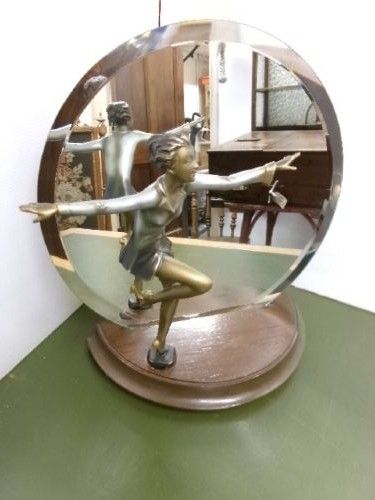
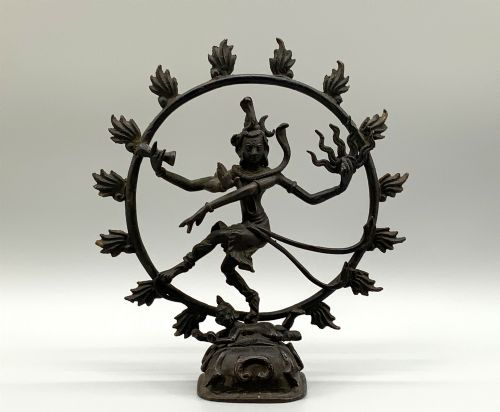
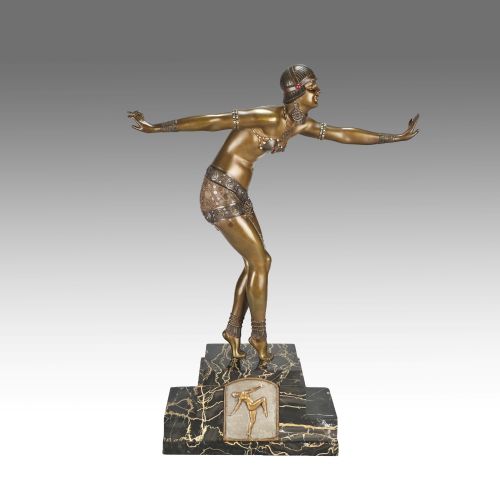
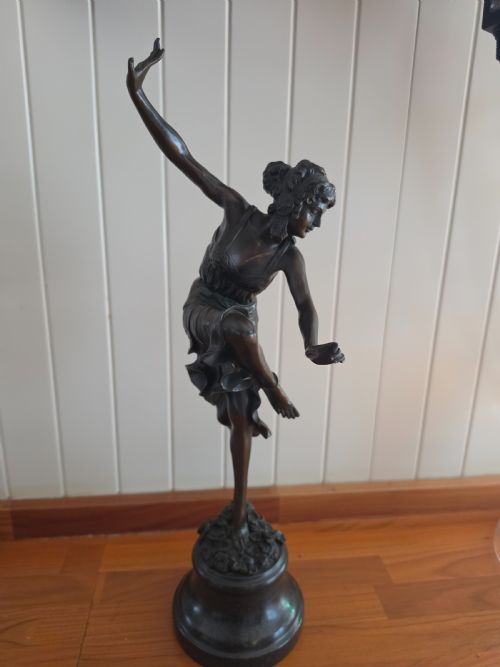
An antique bronze dancer captures movement through sculptural forms ranging from nineteenth-century deities to Art Deco cabaret figures. When searching this phrase, a buyer meets everything from cabinet statuettes to monumental lamp bases.
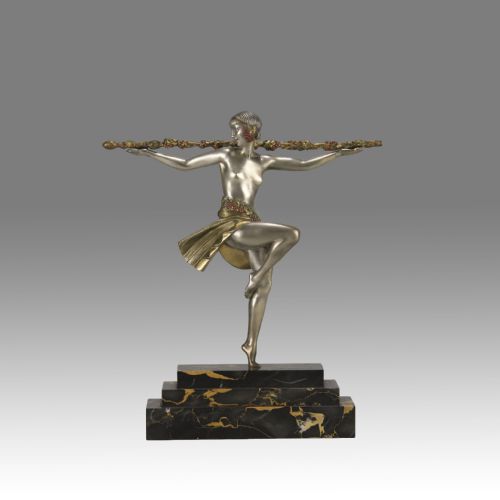
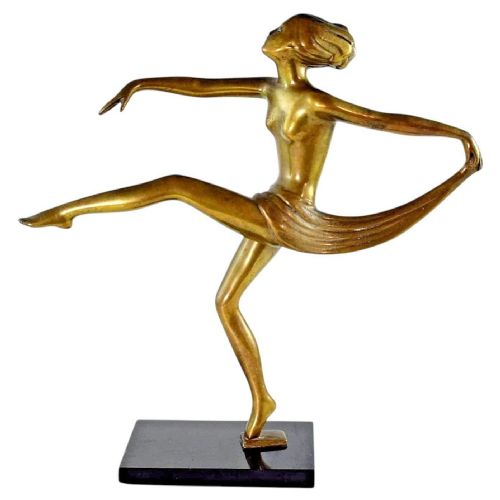
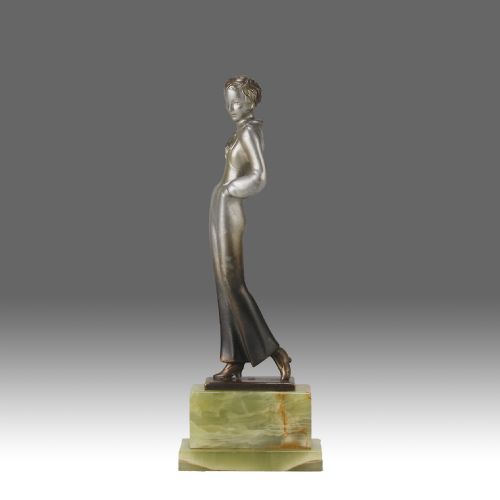
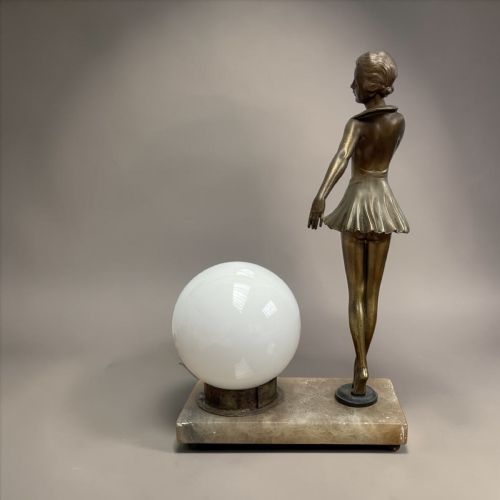
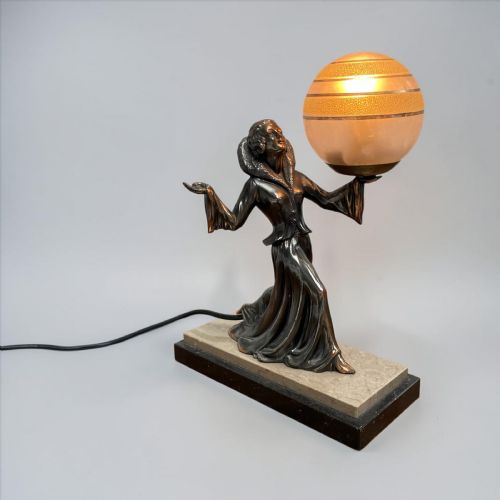
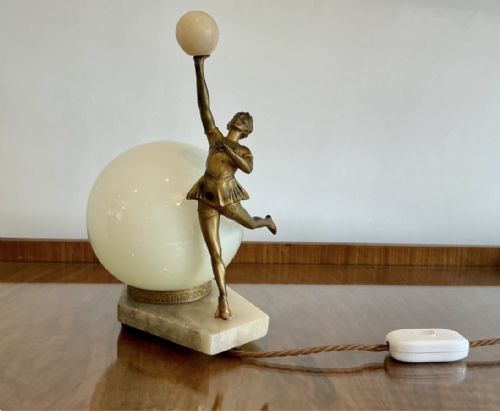
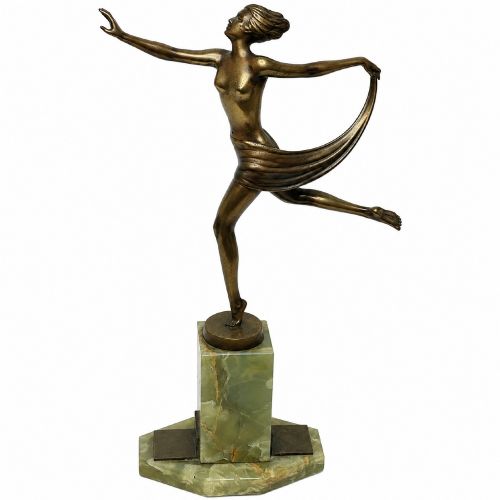
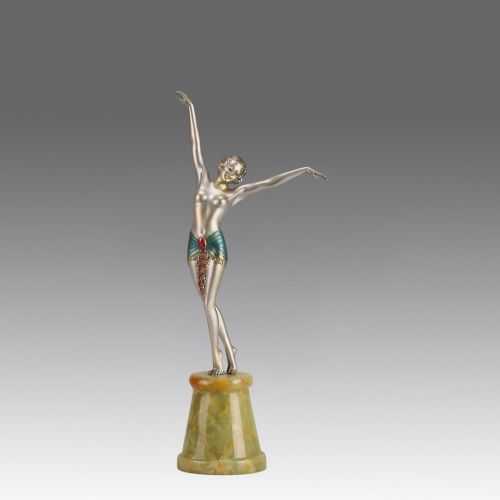
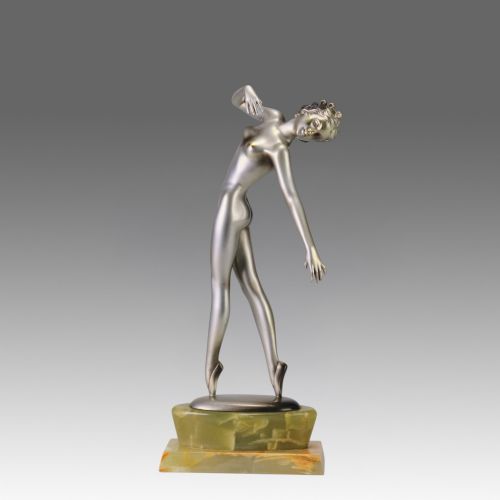
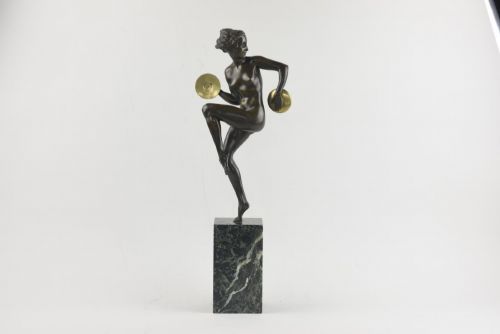
The dominant style on this page is Art Deco, largely represented by female figures with outstretched arms, hoops, or scarves. These pieces frequently sit upon heavy marble or onyx plinths.
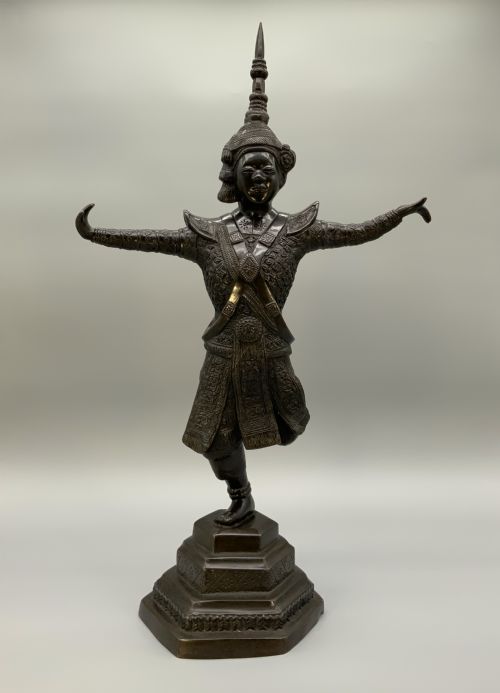
Alongside European studio works appear regional traditions, including Indian bronze figures of Shiva Nataraja and Indochinese temple dancers. These diverse origins provide collectors with a broad spectrum of cultural expressions.
Materials and casting methods
Foundries typically utilised the lost-wax casting method to capture the fluid motion of a dancer. Molten metal filled intricate moulds to render diaphanous drapery and muscular definition.
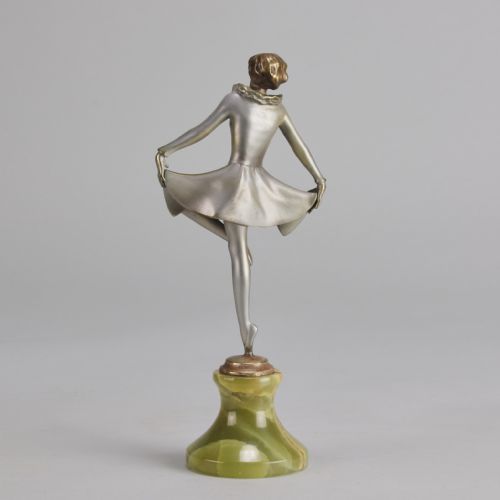
Surface treatments varied from rich gilt bronze and cold-painted pigments to silvered finishes. Many sculptors mounted their metal figures directly onto contrasting marble or onyx bases for stability.
Antique Bronze Dancer Retail Price Guide 2026
Typical asking prices for bronze dancer among the pieces listed under this phrase on Sellingantiques today, from the lower quarter to the upper quarter. They describe what is for sale here now, not the wider market.
Several dancers balance precariously on dice or tip-toe on marble spheres, defying gravity with permanent poise.
Qualities that separate the grades
The choice and finish of the base material also indicate tier. Dense, polished marble or onyx plinths matched to the proportions of the figure outrank mass-market substitutes.
Pierre le Faguays·Josef Lorenzl·Demetre Chiparus·Claire Jeanne Roberte Colinet·Max le Verrier·Bruno Zach
The Antique Bronze Dancer Glossary
- Cold-painted bronze
- A technique where paint is applied to the metal surface without high-temperature firing. The finish remains susceptible to chipping over time.
- Chryselephantine
- A term describing sculptures combining bronze with carved ivory elements. Flesh areas typically utilise ivory while drapery utilises metal.
- Spelter
- A zinc alloy utilised as an economical alternative to bronze. It offers a similar weight and appearance after patination but lacks true bronze durability.
- Patination
- The chemical or natural coloration applied to the metal surface. It accents sculptural contours and protects against corrosion.
Antique Bronze Dancer: Frequently Asked Questions
What is an antique bronze dancer figure made from?
These sculptures are primarily cast in bronze or spelter, frequently paired with bases of marble or onyx.
Selected works incorporate ivory elements or cold-painted surface colours to enhance the theatrical costume details.
How can I identify an Art Deco dancer?
Art Deco pieces display stylised geometric lines, aerodynamic motion, and depictions of modernist performers.
They commonly feature female dancers with outstretched arms, theatrical props, or draped garments characteristic of the interwar period.
Where were these bronze dancer figures produced?
Production centres were concentrated in European studios, particularly in France and Austria, during the early twentieth century.
International pieces from Indian and Indochinese traditions also appear, reflecting distinct regional casting practises.
How do I care for an antique bronze dancer?
Maintain the metal surface by dusting gently with a soft cloth without chemical polishes.
Protect the cold-painted pigments and natural patination from direct sunlight and excessive humidity.