


Josef Lorenzl Bronze
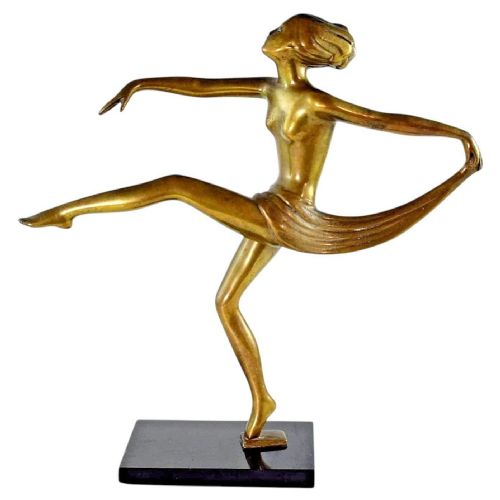
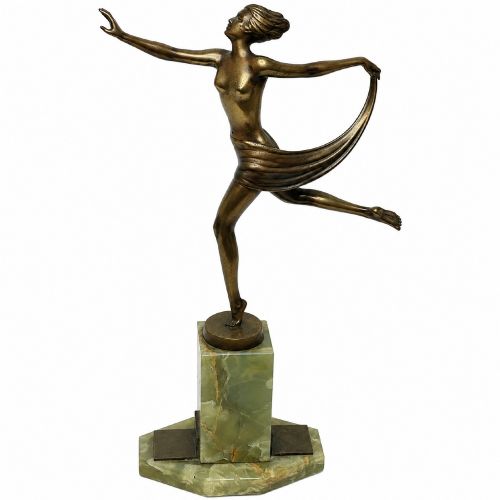
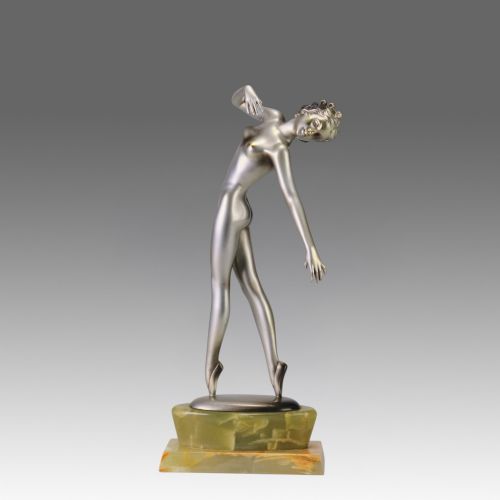
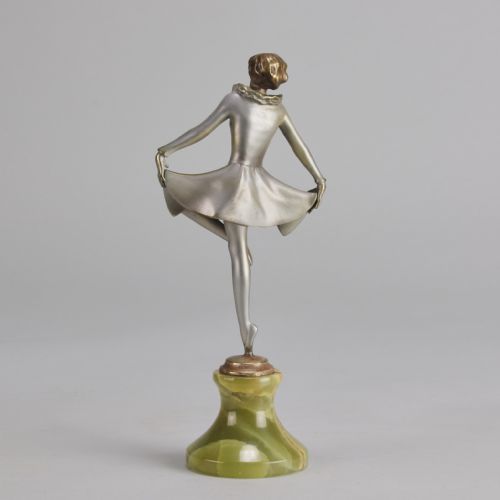
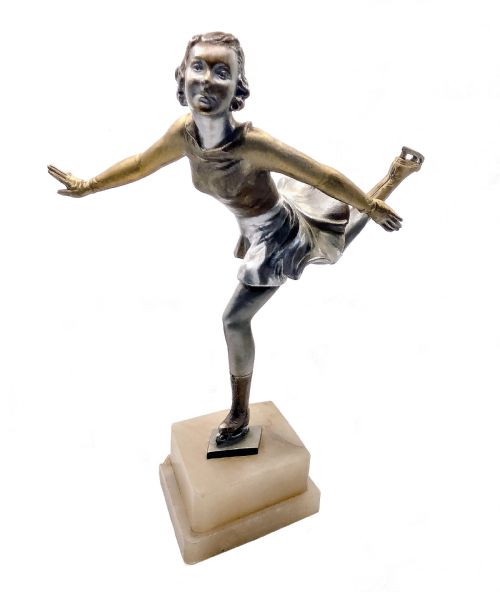
These josef lorenzl bronze figures capture the kinetic energy of Art Deco dance, making them striking centrepieces for any room.

What josef lorenzl bronze pieces are
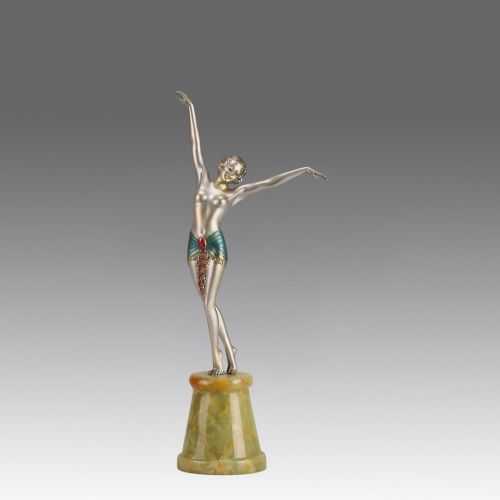
The objects frequently depict named subjects, historical figures like Maria Jeritza as The Egyptian Helen, and literary or mythological characters such as Diana the Huntress and Harlequin. Dancers appear alone or paired with greyhounds, executed with the distinct aesthetic of the Art Deco period.
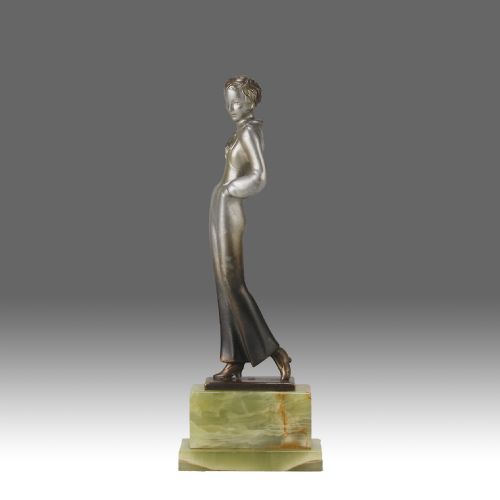
Pieces from this category originate predominantly from Austrian workshops active around the nineteen twenties and nineteen thirties. Buyers will encounter both cold-painted finishes and silvered surfaces mounted on natural stone bases.
What varies in quality
Base selection and proportion also influence the standing of a piece within the range. Heavier stone plinths paired with complex multi-figure groups or intricate poses represent the upper echelon of these sculptural works.
Retail Price Guide 2026
Typical UK retail prices for josef lorenzl bronze, calculated from the Sellingantiques database of over a million retail prices indexed since 2003. This retail price guide relies exclusively on Sellingantiques data; no external sources or auction records are used, so the figures do not describe the wider market.
Several dancers balance perilously on single toes, proving that nineteen thirties metal can defy gravity with immense grace.
Josef Lorenzl
The Josef Lorenzl Bronze Glossary
- Cold Paint
- A decorative technique where paint is applied to cured bronze without subsequent firing. This finish is delicate and requires careful handling to preserve its original hue.
- Silvered Bronze
- Bronze metal treated with a silver coating to impart a bright, reflective surface. This finish reflects the metallic sheen popular in nineteen twenties design.
- Art Deco
- A design style emerging in the interwar period characterised by streamlined forms and stylised representations of the human body. It dominates the aesthetic of these Austrian sculptures.
- Onyx
- A banded variety of chalcedony quartz utilised frequently as a contrasting plinth material. Its polished surface supports the weight of the metal figure above.
Frequently Asked Questions
What subjects do these bronzes depict?
The sculptures primarily represent female dancers captured mid-performance, ranging from scarf dancers to high kick performers. Other subjects include named characters, mythological figures, and animals such as greyhounds.
Many pieces portray specific dancers or theatrical roles from the early twentieth century. Dancers appear both individually and in grouped compositions.
How do I identify the period?
Pieces originate from the nineteen twenties and nineteen thirties, reflecting the height of the Art Deco movement. Stylised body proportions and specific costume details point directly to this interwar era.
Base materials and finishing techniques such as cold-painted enamel or silver plating align with manufacturing methods standard during those decades.
What materials support the figures?
The primary medium is cast bronze, which may be finished with cold paint, gilt, or silver plating. These metal figures are secured to solid stone plinths.
Bases are typically fashioned from onyx or green marble, providing the necessary weight and visual contrast to anchor the dynamic poses.
How should I display them?
These sculptures function best placed on stable surfaces where their distinct silhouettes can be viewed from multiple angles. Adequate lighting helps highlight the fine details of the cold-painted or silvered surfaces.
Keep pieces away from direct heat sources and moisture to protect the delicate hand-painted finishes and the polished stone bases.