




Austrian Art Deco Bronze
These austrian art deco bronze sculptures capture the kinetic energy of the interwar years through striking figures and animals.

Identifying Austrian Art Deco Bronze
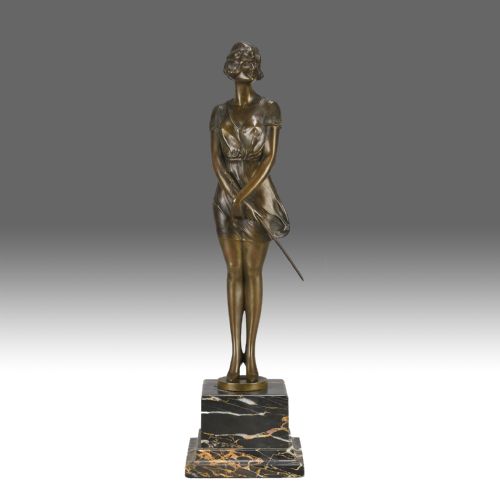
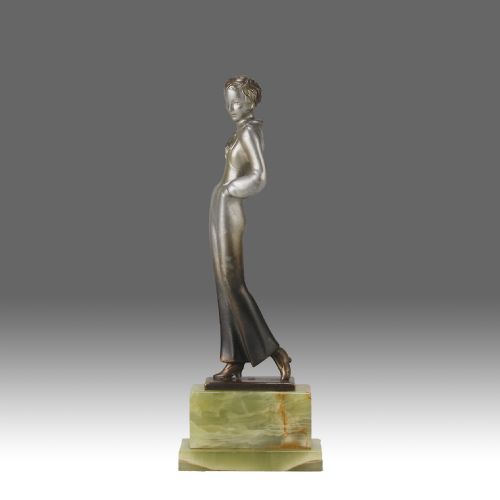
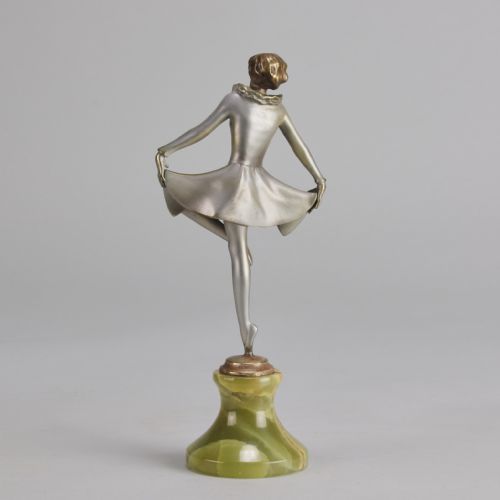
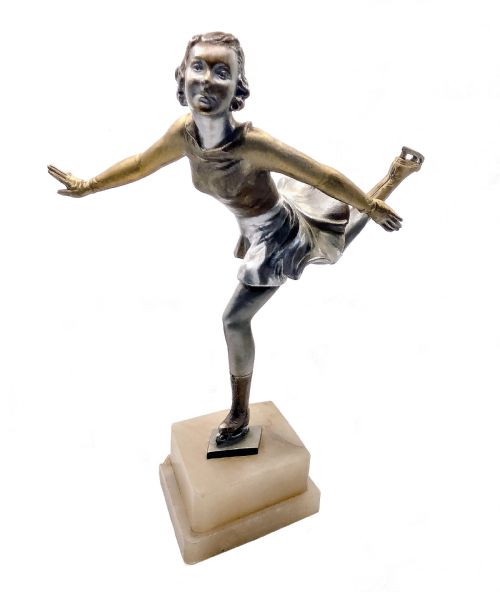
When searching for austrian art deco bronze, collectors encounter figurative sculptures and animal studies originating from the nineteen twenties and nineteen thirties. These works typically depict female dancers, athletes, or animals mounted on stone bases.
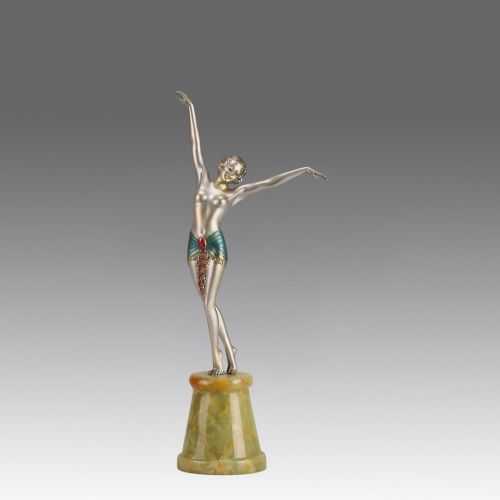
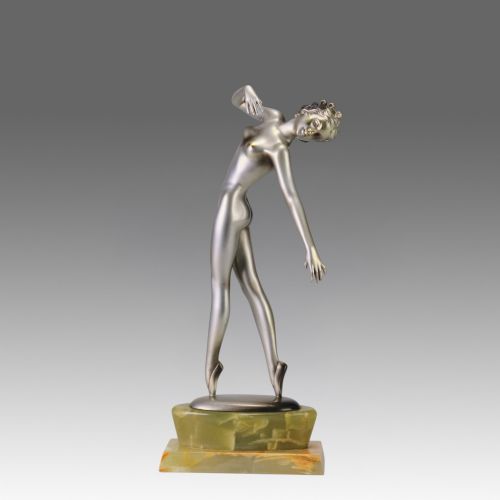
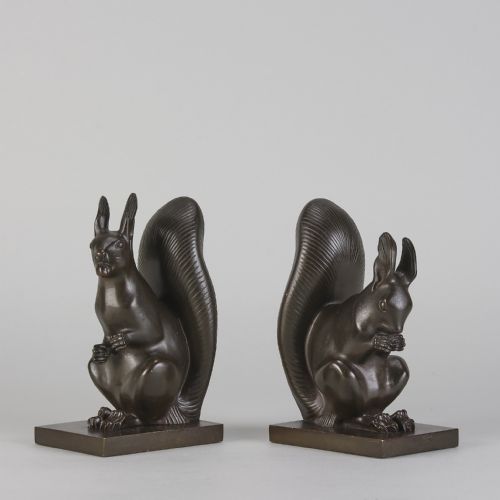
The most common examples on this page are figural dancers created by prominent sculptors, often capturing dynamic movement or poised stillness. Animal subjects such as terriers and elephants also appear frequently.
The pieces belong firmly to the Art Deco style, manifesting as either patinated, silvered, or cold-painted bronze. Many incorporate alternative materials like onyx or marble for their integral bases.
Materials and Casting Techniques
Foundries utilised traditional methods including the lost wax technique to cast these figures in bronze. Metal surfaces were then finished with patination, silvering, gilding, or applied cold paint.
Sculptures are frequently mounted onto bases made from onyx or marble. These stone plinths provide structural balance and contrast with the metallic figures.
Retail Price Guide 2026
Typical UK retail prices for austrian art deco bronze, calculated from the Sellingantiques database of over a million retail prices indexed since 2003. This retail price guide relies exclusively on Sellingantiques data; no external sources or auction records are used, so the figures do not describe the wider market.
Materials appearing across the inventory include onyx, marble, gilt, and silver plate, supporting various figural and animal subjects.
Assessing Artistic Execution
The integration between the bronze figure and its onyx or marble base demonstrates the overall craftsmanship of the piece. Superior examples exhibit balanced proportions and secure mountings.
Josef Lorenzl·Bruno Zach
The Austrian Art Deco Bronze Glossary
- Cold-painted bronze
- A technique where paint is applied to a cured bronze surface without heat firing. This finish is delicate and susceptible to wear over time.
- Lost wax
- A casting process allowing precise replication of fine sculptural details from an original model. It produces smooth surfaces requiring minimal post-cast chasing.
- Patination
- The chemical treatment or natural ageing process that alters the colour of the bronze surface. It protects the metal and adds visual depth.
- Silvered bronze
- A metal finish where a thin layer of silver is applied to the bronze substrate. This treatment provides a bright, reflective surface characteristic of the period.
Frequently Asked Questions
What subjects do these bronzes depict?
The sculptures primarily portray female dancers, performers, and athletes in characteristic Art Deco poses. Animal studies, including terriers and elephants, also form a notable part of the genre.
Human figures often display expressive movement, such as high kicks or outstretched arms, reflecting the popular culture and cabaret scene of the nineteen twenties.
How should I display them at home?
These bronzes require a stable, flat surface away from direct sunlight and excessive moisture. Placing them on a sturdy desk or mantelpiece allows the stone bases and metallic finishes to be viewed safely.
Because many pieces incorporate painted surfaces or delicate stone plinths, handling should be kept to a minimum to protect the original materials.
What materials are combined with the bronze?
Onyx and marble are the primary materials used for the sculptural bases. These stones offer a heavy foundation that anchors the dynamic metal figures.
Surface treatments such as cold paint, silver plating, and traditional patination are also applied directly to the bronze to enhance sculptural details.
How do I identify the period of a piece?
Objects from this category typically date from the nineteen twenties and nineteen thirties. Stylistic indicators include streamlined geometric forms, clothing styles of the era, and specific casting signatures.
Comparing the subject matter and finishing techniques against documented works by period sculptors helps confirm the approximate date of manufacture.