







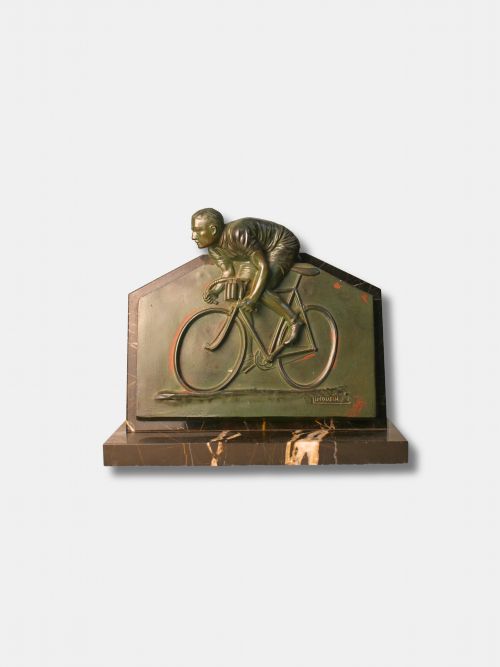


Art Deco Desk Ornament
An art deco desk ornament brings the kinetic energy of the interwar years straight onto your writing surface.
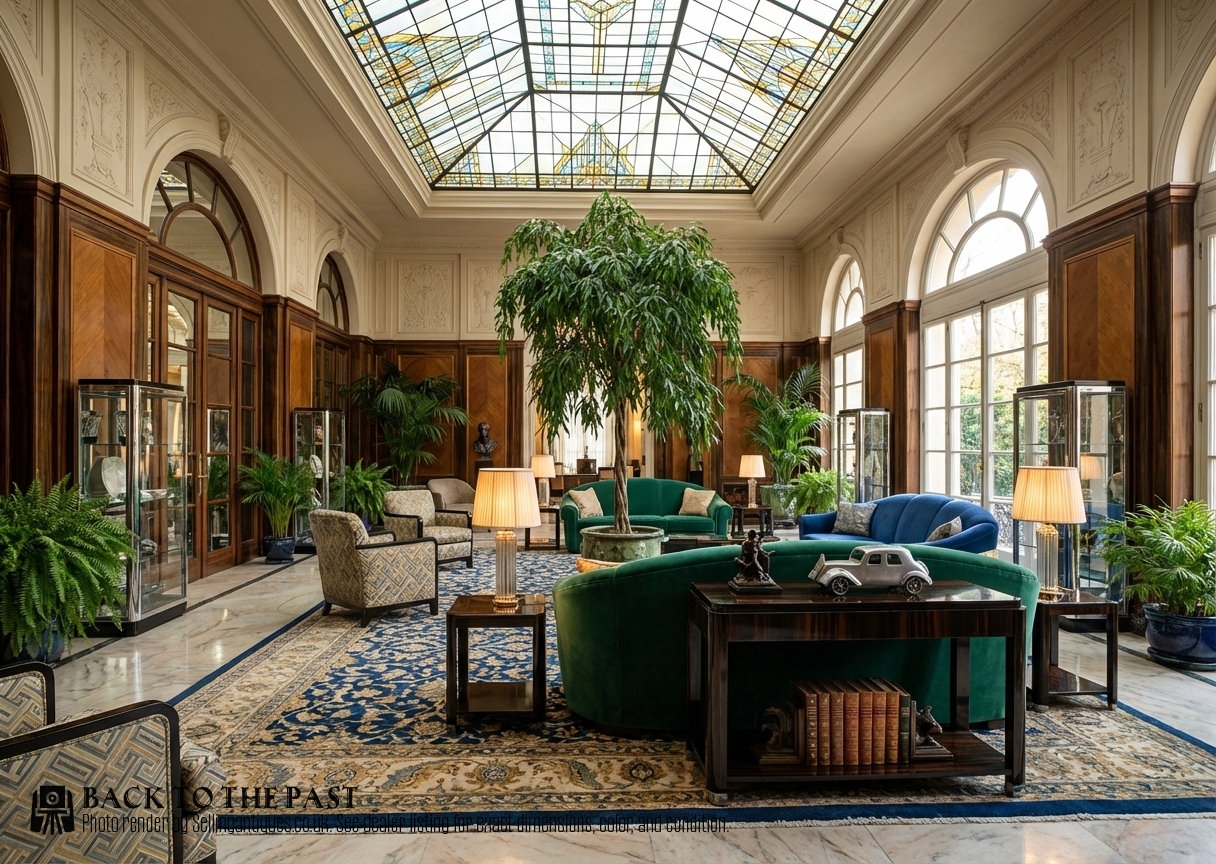
Art Deco Desk Ornament
When you search for an art deco desk ornament, you encounter small sculptures, paperweights, figures and table lighters shaped around the geometric and naturalistic motifs of the early twentieth century. These objects served functional roles or purely decorative purposes on office desks and writing tables during the 1920s, 1930s, and 1940s.
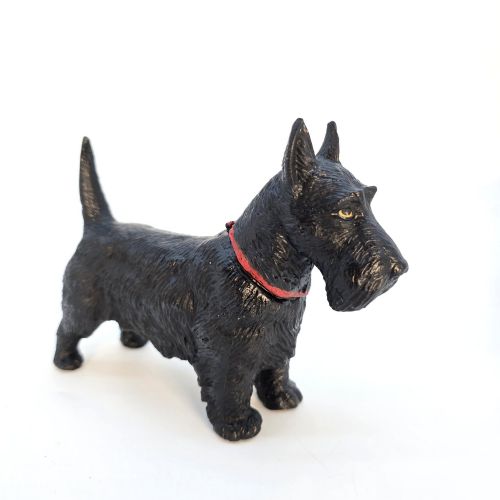
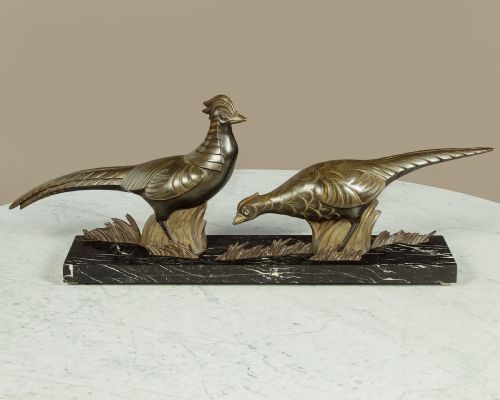
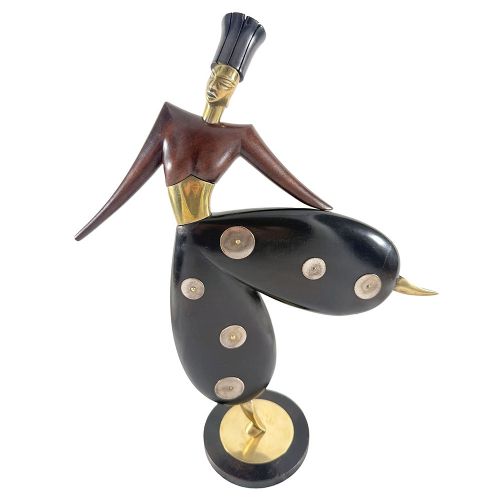
You are most likely to meet bronze and spelter figures mounted on marble or onyx plinths, alongside glass paperweights and carved wooden animals. The subjects range from athletic human figures and dancers to birds, greyhounds, and maritime models.
The assortment reflects both French and broader European output from the art deco and early twentieth century periods, maintaining a compact scale suited to domestic and office furniture.
Materials and construction
Makers utilised cast metals such as bronze, spelter, and aluminium, frequently applying patination, cold-painting, or silvering to the surface of figures and animals. These metal elements were then mounted securely onto heavy bases of black marble or onyx.
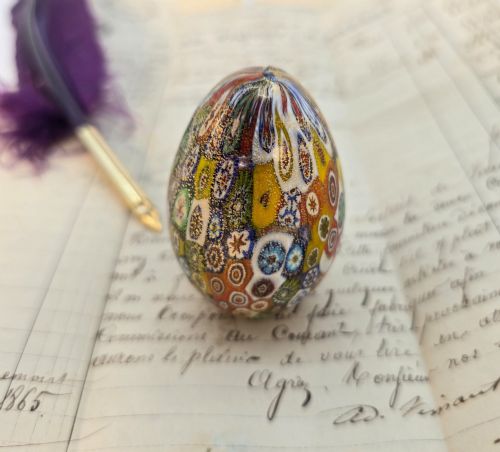
Carved hardwoods, brass, and porcelain appear alongside moulded and frosted glass for paperweights and desk accessories. Craftspeople combined these disparate materials to create contrasting textures, pairing polished metal with warm wood or translucent glass.
Art Deco Desk Ornament Retail Price Guide 2026
Typical asking prices for art deco desk ornament among the pieces listed under this phrase on Sellingantiques today, from the lower quarter to the upper quarter. They describe what is for sale here now, not the wider market.
Listings feature four distinct decades: the 1910s, 1920s, 1930s, and 1940s.
Judging the range
The choice and preparation of the mounting base also mark out the standard of a piece. Dense, well-polished marble and solid multi-material construction separate master foundry output from simpler cast metal and spelter pieces.
Bruno Zach·Aurore Onu·Rene Lalique·Sier Kunst·P. Sega·H. Chiparus·Josef Lorenzl·Laszlo Hoenig·Pierre Le Faguays·Elizabeth Anna Clapp·Eugène Désiré Piron·Louis Lejeune
The Art Deco Desk Ornament Glossary
- Spelter
- A zinc alloy commonly used as a less expensive alternative to bronze for sculptural figures during the early twentieth century. It accepts patination and metallic finishes readily.
- Patination
- The chemical or natural surface treatment applied to metal to alter its colour and depth. It provides protection and accentuates the details of the sculpture.
- Millefiori
- A glasswork technique producing distinctive patterned mosaics within the material. It appears frequently in decorative paperweights.
- Plinth
- A heavy rectangular or stepped base, often made of black marble or onyx, which supports the main sculptural element. It gives stability and visual weight to desk ornaments.
Art Deco Desk Ornament: Frequently Asked Questions
What materials were used for these desk ornaments?
The listings show a heavy reliance on cast metals, specifically bronze and spelter, often paired with bases of black marble or onyx.
Other examples incorporate carved wood, brass, aluminium, porcelain, and moulded frosted glass.
How do I identify the period of an ornament?
Pieces originate predominantly from the 1920s and 1930s, reflecting the distinct geometric and figurative aesthetics of the art deco style.
Signatures from known sculptors and specific foundry marks help anchor the date alongside materials like onyx and frosted glass.
Were these items purely decorative?
While many pieces functioned simply as small sculptures or bookends, others served direct practical purposes on a desk.
Examples include functional table lighters, paperweights, and string balls designed for daily office use.
How should I display an ornament on a desk?
Their compact scale allows them to sit comfortably on writing tables, bookshelves, or mantelpieces among books and papers.
Ensure the heavy marble or onyx base rests on a stable surface away from edges.