
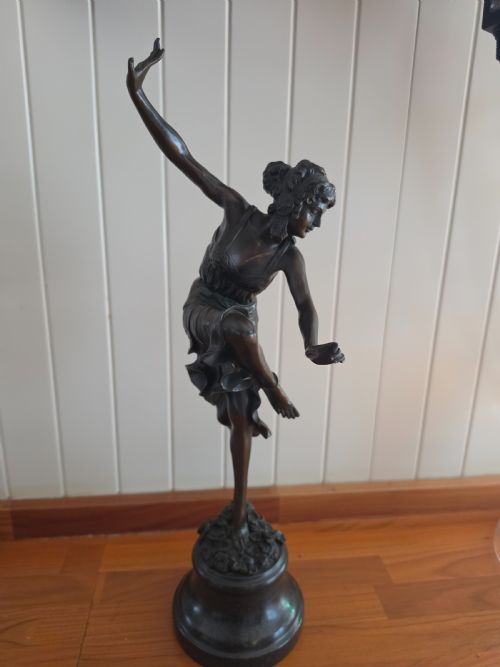


Vintage Bronze Dancer
A vintage bronze dancer brings the kinetic energy of the early twentieth century into a room through lasting metalwork.
Vintage Bronze Dancer
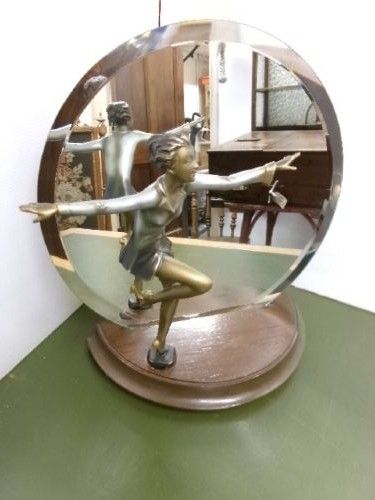
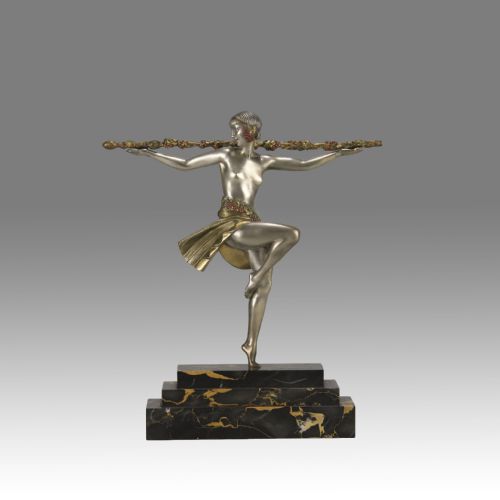
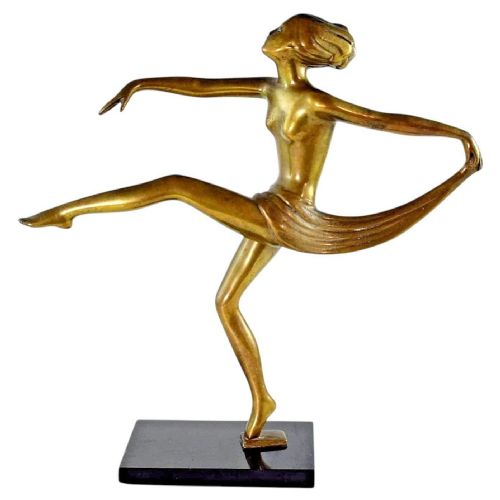
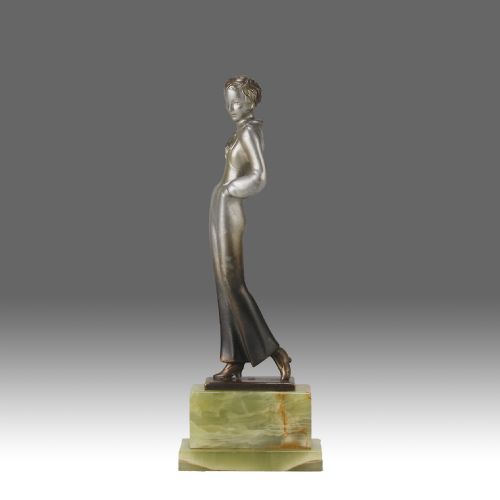
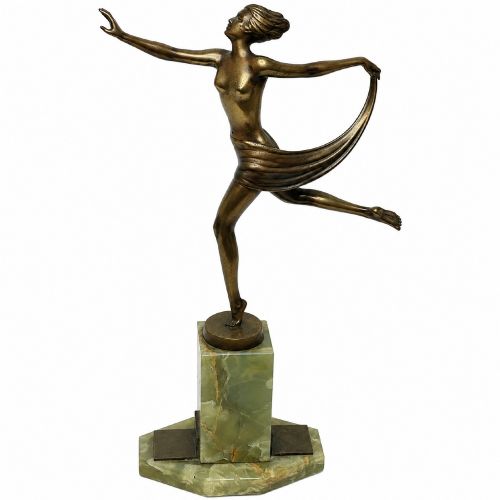
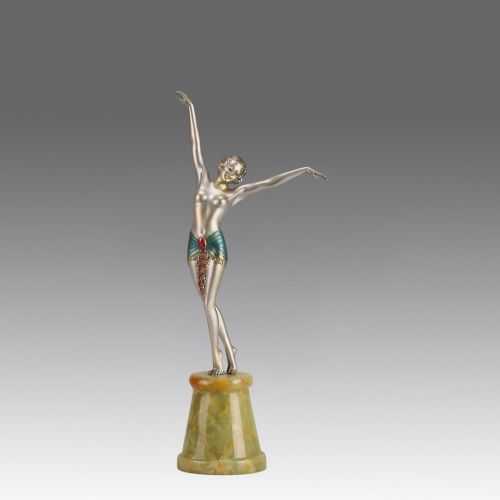
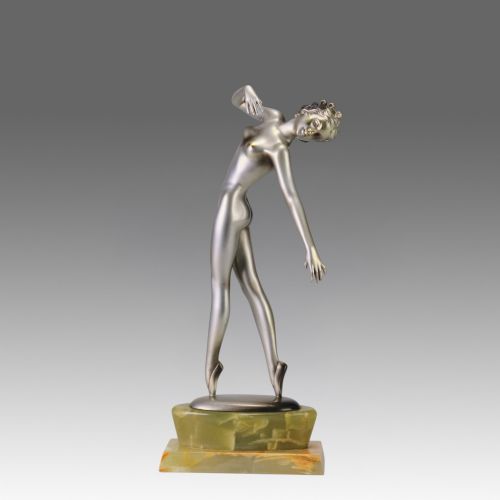
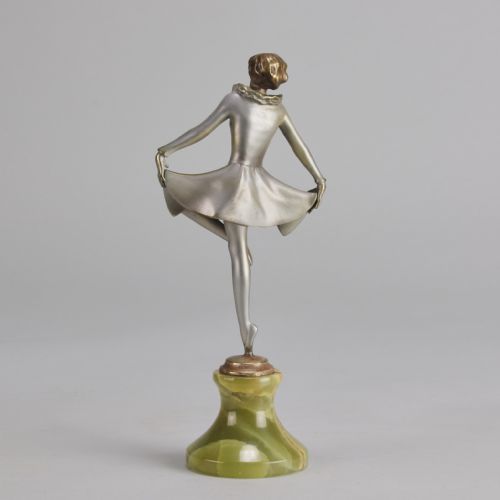
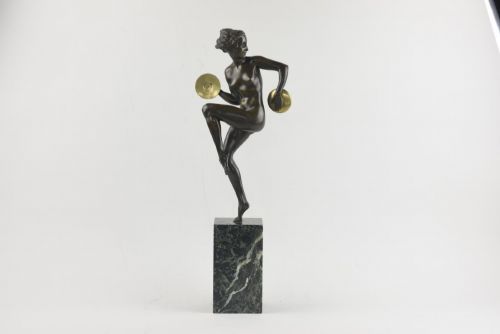
A vintage bronze dancer captures the kinetic energy of movement through solid cast metal, most frequently taking the form of a female figure poised mid-dance. These works belong primarily to the Art Deco and Art Nouveau periods, spanning from the early twentieth century through to later iterations.
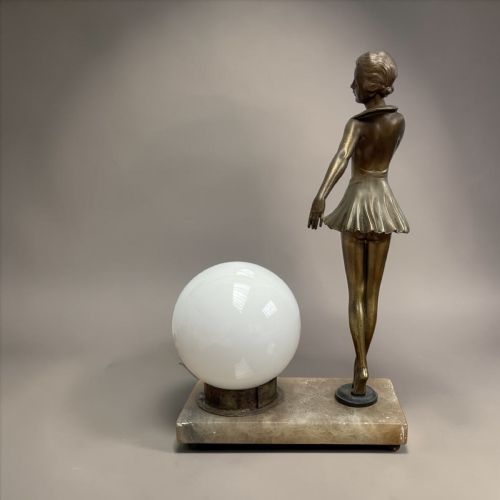
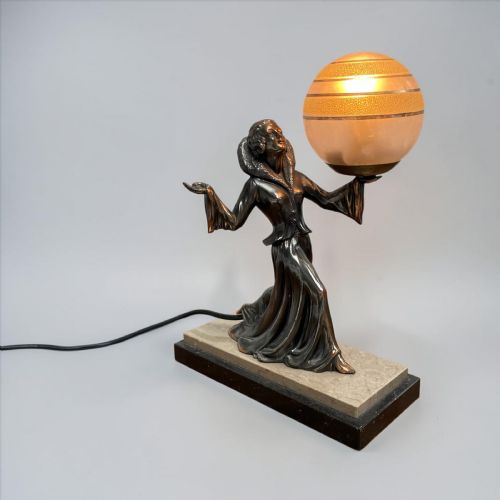
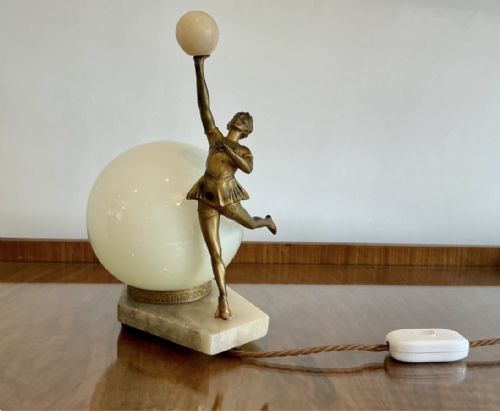
The most common version met on this page is the Art Deco table sculpture or lamp, mounted upon a contrasting stone base such as marble or onyx. Figures range from energetic ballerinas and balancing hoop dancers to exotic performers inspired by the stages of the era.
Makers often captured specific theatrical roles, such as the Egyptian Helen or named characters like Phoebe and Bella. These sculptures embody the dynamism of the epoch, translating motion into permanent materials.
How they were made
Foundries produced these sculptures predominantly in bronze, silvered bronze, and gilt bronze, alongside alternative cast metals like spelter and patinated metal. Cold painting applied rich colour directly to the metal surface, while gilding provided a lustrous finish.
Sculptors mounted figures onto substantial bases of marble or onyx to anchor the dynamic postures of the dancers. Some complex compositions also incorporate carved ivory elements in chryselephantine pieces, paired with glass components for functional objects like table lamps and lighters.
Several dancers balance perilously on dice or hold hoops, proving that early twentieth-century sculptors loved gravity-defying moments.
What varies in quality
The choice and integration of the supporting plinth also dictate the overall success of the piece, with dense veined marble or onyx elevating the presentation. Signed works by notable sculptors command greater recognition for their artistic authorship.
Pierre le Faguays·Josef Lorenzl·Aurore Onu·C J R Colinet·D.H. Chiparus·Maurice Guiraud Riviere·Paul Philippe·Pierre Laurel·Rene Andre Varnier·Paul de Boulogne·Claire Colinet
The Vintage Bronze Dancer Glossary
- Cold-painted bronze
- A technique where paint is applied to a bronze object without subsequent firing or heat treatment. This method allowed for vivid polychrome detailing on garments and skin.
- Chryselephantine
- A term describing statues made from a combination of bronze and ivory. Artists utilised this dual medium to contrast warm tones of carved ivory with dark or gilt metal.
- Spelter
- A zinc-based alloy frequently utilised as an economical alternative to bronze. It yields detailed castings but lacks the weight and tensile strength of genuine bronze.
- Patinated metal
- A surface treatment applied to metal to alter its colour and produce an aged appearance. This chemical process introduces rich browns, greens, or blacks to the outer layer.
- Gilt bronze
- Bronze that has been coated with a thin layer of gold leaf or gold amalgam. This finish imparts a brilliant, reflective sheen to the dancer's costume.
Vintage Bronze Dancer: Frequently Asked Questions
What is a vintage bronze dancer?
A vintage bronze dancer is a sculptural figure cast in metal during the early twentieth century, capturing female dancers in active poses. These pieces typically reflect the stylistic tendencies of Art Deco design.
Many incorporate bases of marble or onyx to support cantilevered limbs and dynamic gestures. They serve primarily as decorative objects or functional table lamps.
How do I identify Art Deco dancers?
Art Deco dancers exhibit stylised geometry, streamlined drapery, and poses inspired by the ballets and cabaret performances of the 1920s and 1930s. The silhouettes emphasise verticality, balance, and modern movement.
Materials frequently include patinated or cold-painted bronze paired with heavy stone plinths. Signatures from period sculptors often appear directly on the bronze or the marble base.
Are these figures made of solid bronze?
While many pieces are cast in solid bronze, others utilise spelter, which is a zinc-based alloy common in period decorative objects. Silvered bronze and gilt finishes also appear across the selection.
Markings, weight, and surface cold-painting help differentiate solid bronze castings from alternative base metals. Inspection of the underside often reveals the casting method and metal composition.
How should I display a dancer lamp?
A dancer table lamp requires a stable surface where the delicate balance of the bronze figure and any glass elements remain secure. Placement should avoid direct, intense sunlight to preserve cold-painted colours and patination.
Positioning the lamp at a low level allows the illumination to accentuate the contours of the metal figure and the stone base. Care must be taken with the vintage wiring during placement.