




Silvered Bronze Dancer Figure
A silvered bronze dancer figure captures movement and grace through metal, making a striking addition to any mantelpiece or desk.
Silvered Bronze Dancer Figure
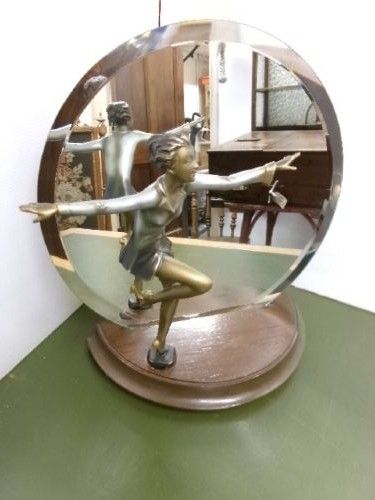
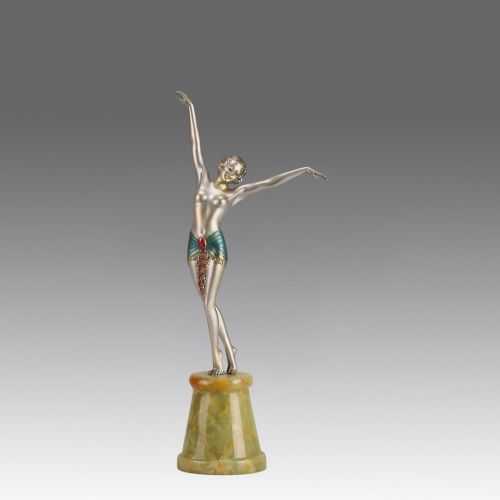
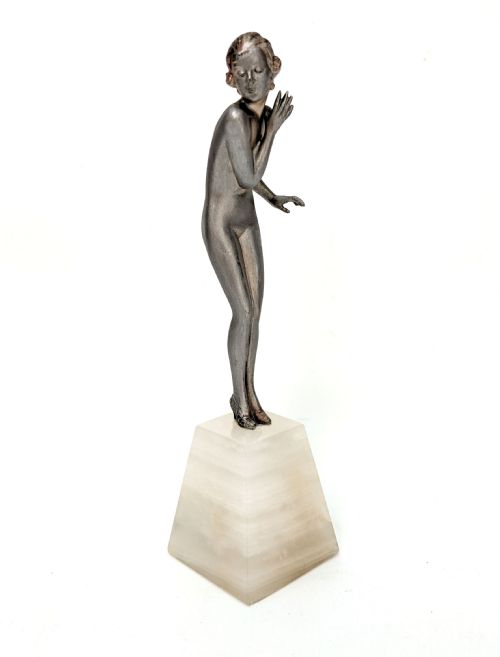
A silvered bronze dancer figure represents the pinnacle of Art Deco sculpture from the nineteen twenties and nineteen thirties. These pieces primarily depict female dancers in dynamic poses, often mounted on substantial stone bases.
The version you are most likely to encounter here is an Art Deco figure executed in bronze, spelter, or silvered bronze. Many examples combine metalwork with carved elements like marble or onyx to create contrasting textures and tones.
Makers designed these sculptures to celebrate modern movement, athleticism, and performance. They reflect the cultural fascination with dance and theatre during the early twentieth century, serving as decorative art for sophisticated interiors.
Materials and construction methods
Artisans employed the lost-wax casting technique to shape the bronze and spelter figures. This method allowed for intricate details in the flowing garments, hair, and facial expressions of the dancers.
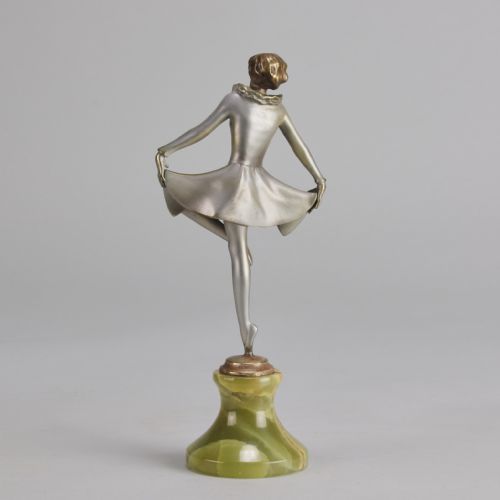
Surface treatments included cold painting and silvering applied directly to the metal substrate. Silvered bronze provides a luminous, reflective finish that complements the dark patinas often used alongside it.
Sculptors anchored their metal figures onto plinths made of marble, onyx, or wood. These heavy stone bases provided necessary stability for figures poised on one foot or caught in mid-stride.
One dancer balances precariously upon a die, capturing a fleeting moment of risky equilibrium in solid metal.
Distinguishing quality in the figures
The quality of the finish dictates the visual impact of the piece. Well-preserved silvering and skilled cold painting maintain their depth and adherence, whereas inferior surfaces show flaking or dull replacement finishes.
The integration between the figure and its base reflects overall craftsmanship. Premium sculptures feature custom-fitted stone plinths that complement the dynamic lines of the dancer rather than generic mountings.
Pierre le Faguays·Josef Lorenzl·Claire Jeanne Roberte Colinet·Demetre Chiparus
The Silvered Bronze Dancer Figure Glossary
- Art Deco
- A design style spanning the nineteen twenties and thirties characterised by sleek lines, geometric shapes, and modern materials. It heavily influenced sculpture, architecture, and decorative arts of the period.
- Cold-Painted Bronze
- A bronze object painted with oil or enamel colours without subsequent firing. This technique allowed makers to introduce vibrant hues to garments and skin tones.
- Spelter
- A zinc alloy commonly used as a less expensive alternative to bronze during the early twentieth century. It often received copper plating or painted finishes to simulate more costly metals.
- Onyx
- A banded variety of chalcedony quartz frequently utilised for sculptural bases during the Art Deco era. Its natural striations added ornamental value to the plinths.
- Patina
- The surface coloration and sheen developed naturally over time or applied chemically by the artist. It enhances the contours of the bronze.
Silvered Bronze Dancer Figure: Frequently Asked Questions
What is a silvered bronze dancer figure?
A silvered bronze dancer figure is an Art Deco sculpture cast in metal with a silvered finish, depicting a woman in motion. These pieces date predominantly to the nineteen twenties and nineteen thirties.
They capture theatrical and dance poses of the era, frequently mounted on heavy stone plinths of marble or onyx to provide balance and contrast.
How do I clean my dancer sculpture?
Dust the figure gently with a soft, dry cloth to prevent the accumulation of grit in the crevices. Avoid using commercial metal polishes, water, or abrasive cleaners.
Harsh chemicals will strip the original silvering, cold paint, or delicate patina from the metal surface, permanently diminishing the appearance and character of the piece.
How do I tell bronze from spelter?
Bronze is a heavier, denser alloy that typically shows a warm brown tone beneath any surface finish. Spelter is a softer zinc alloy that feels lighter in the hand.
When chipped or worn, spelter often reveals a greyish or silvery metal underneath rather than the reddish-brown hue characteristic of traditional bronze castings.
Where should I display these figures?
Display your sculpture on a stable, level surface away from direct sunlight and fluctuating temperatures. Mantlepieces, sideboards, and dedicated display cabinets work well.
Ensure the placement protects the piece from accidental knocks, particularly because delicate extremities like outstretched arms or fingers can be vulnerable to impact.