

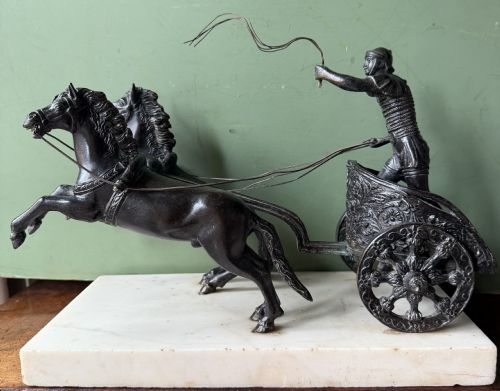


Mid Century Bronze Sculpture
Mid century bronze sculpture brings tactile weight and animalier detail into a room, offering enduring metalwork shaped by nineteenth and twentieth century hands.
Mid Century Bronze Sculpture
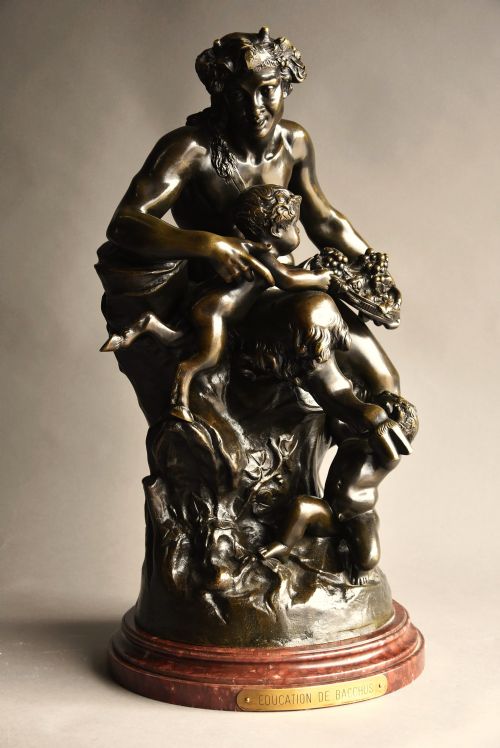
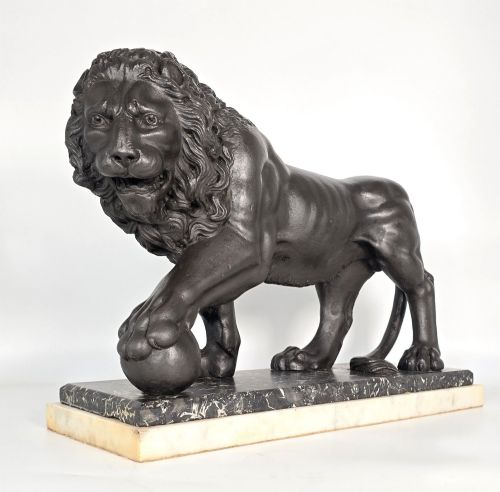
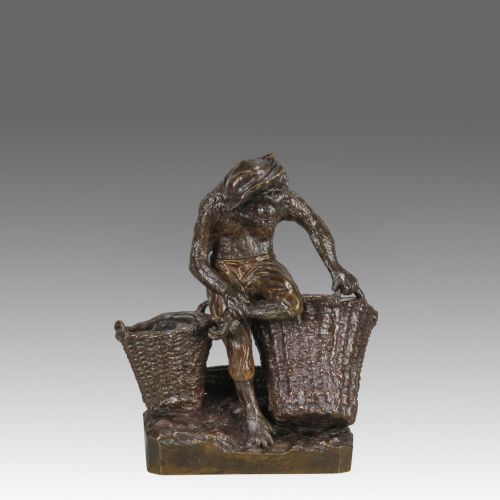
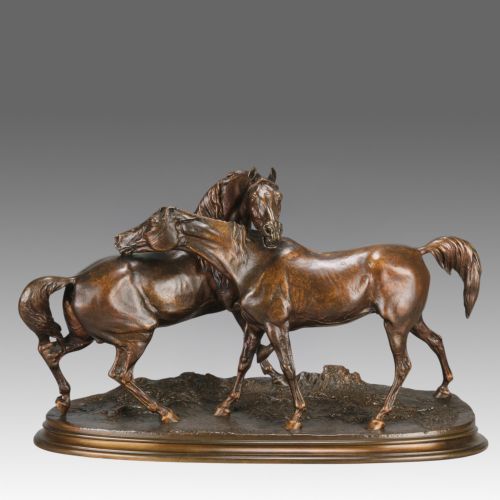
When buyers search for mid century bronze sculpture, they encounter pieces ranging from nineteenth century French animalier studies to mid twentieth century African Benin bronzes and car mascots. The selection spans classical mythological figures, grand tour souvenirs, and expressive animal forms cast in weighty metal.
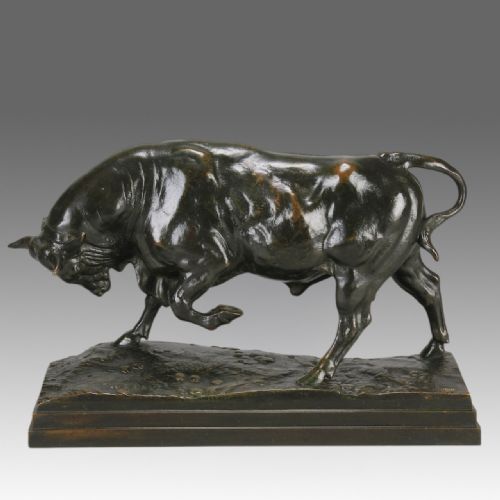
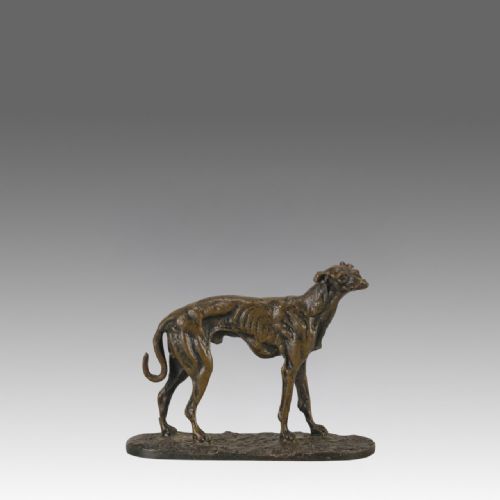
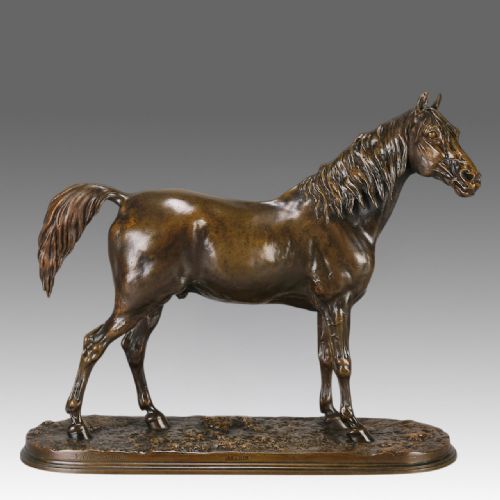
The most common pieces appearing under this heading date from the nineteenth century, particularly French animalier works depicting lions, bulls, and hounds alongside classical subjects mounted on marble plinths. Alongside these, later twentieth century examples introduce Egyptian design cats, car mascots, and tribal art busts.
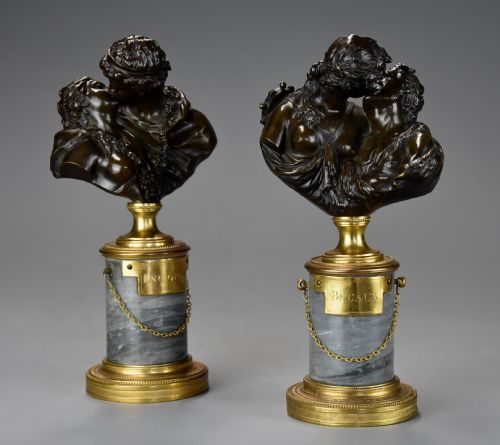
Forms vary widely from miniature tabletop figures and musical cherubs to large standing warrior statues and figural torchères. Materials stretch beyond pure metal to incorporate patinated bronze, gilt bronze, ormolu, and marble plinth bases.
Materials and casting methods
Foundries utilised traditional metalcasting techniques to produce these pieces, employing bronze as the primary medium supplemented by ormolu and gilt finishes. Many figures rest securely upon integrated marble plinths or wood bases.
Surface finish is achieved through patination, giving the bronze deep brown, green, or black tones that highlight musculature and texture. Certain pieces combine patinated bronze with gilt highlights to accentuate drapery and detail.
Political leaders and musical cherubs share shelf space with bronze rabbits, hounds, and Viking horn blowers.
Assessing quality in bronze work
The integration between the bronze figure and its stone or marble plinth matters greatly, as does the depth and richness of the patination. Well-preserved patination shows subtle tonal variations rather than a flat, modern painted finish.
Christophe Fratin·P J Mêne·Antoine Louis Barye·Jean Antoine Houdon·Isidore Jules Bonheur·François Christophe Armand Toussaint·Edward Aagaard
The Mid Century Bronze Sculpture Glossary
- Animalier
- A nineteenth century artistic movement focused on the realistic depiction of animals, particularly predators, horses, and hounds. Sculptors in this tradition studied anatomy closely.
- Grand Tour
- A nineteenth century travel souvenir acquired by wealthy Europeans touring cultural sites in Italy and Egypt. These often include miniature bronze studies of classical figures and ancient monuments.
- Ormolu
- Gilt bronze ornamentation applied to furniture, clock cases, or mounted beneath sculptures. The technique involves a mercury gilding process common in earlier French decorative arts.
- Patination
- The surface coloration and ageing applied to bronze through chemical means or natural exposure. A stable patina protects the underlying metal and adds visual depth.
- Car Mascot
- A small sculptural ornament mounted upon the radiator cap of a motor vehicle. These figures were cast in bronze or gilt metal during the mid twentieth century.
Mid Century Bronze Sculpture: Frequently Asked Questions
How do I clean a bronze sculpture?
Dust the surface gently with a soft, dry brush to prevent dirt accumulation in crevices. Avoid using chemical cleaners or water, which can strip the patination.
Apply a microcrystalline wax very sparingly if the metal requires protection, buffing it gently with a soft cloth after application.
What is an animalier bronze?
An animalier bronze is a nineteenth century sculpture focusing on realistic animal forms in motion or repose. These pieces capture the tension and musculature of wildlife and domestic animals.
Artists in France popularised this genre, creating detailed table-top bronzes mounted on marble bases.
Are all these pieces from the mid century?
The listings span multiple eras, including numerous nineteenth century works alongside twentieth century pieces. Dealers often group these diverse periods under broader decorative headings.
Check individual descriptions to determine the exact casting date and period of origin for each sculpture.
How do I display a bronze figure?
Place bronze sculptures on stable furniture away from direct heat sources and strong moisture fluctuations. Ensure marble plinths are supported evenly to prevent stress fractures.
Good lighting from a side angle helps accentuate the patination and surface detail of the metalwork.