


Bronze Paperweight Figure
A bronze paperweight figure brings domestic desktop utility into touch with nineteenth-century animalier art and grand tour design.
Bronze Paperweight Figure
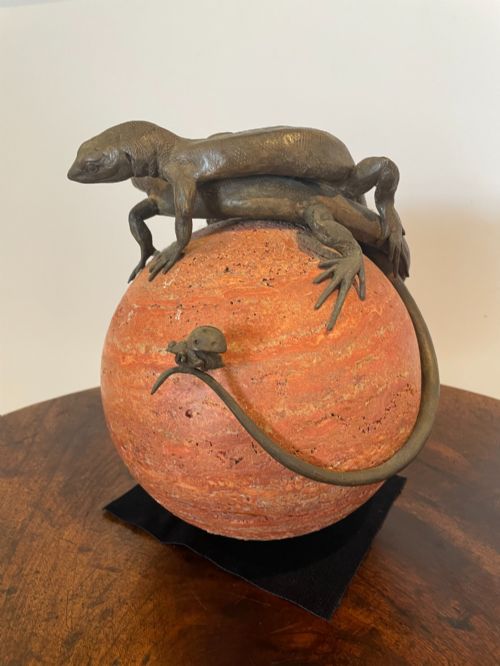
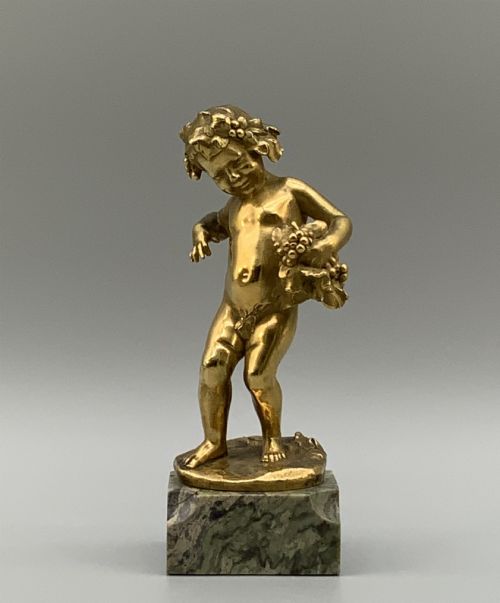
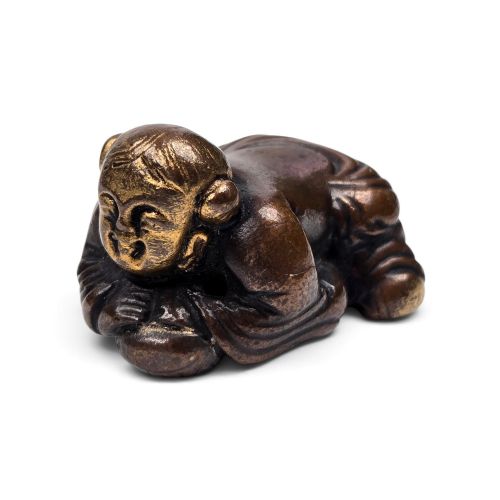
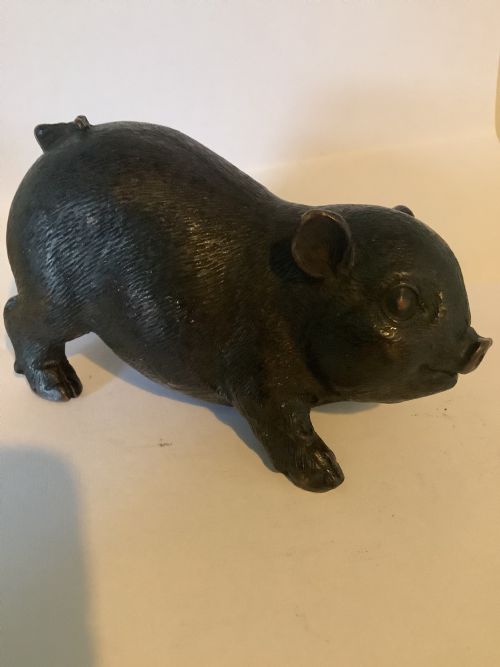
A bronze paperweight figure is a small sculptural object designed to hold down documents while introducing figurative or animal subjects to a desk. When you search for a bronze paperweight figure on this page, you encounter small works cast in metal, often depicting animals, mythological beasts, or human studies. These pieces bridge the gap between practical desk accessories and cabinet bronzes.
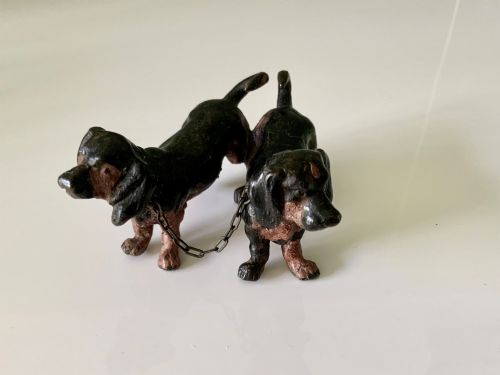
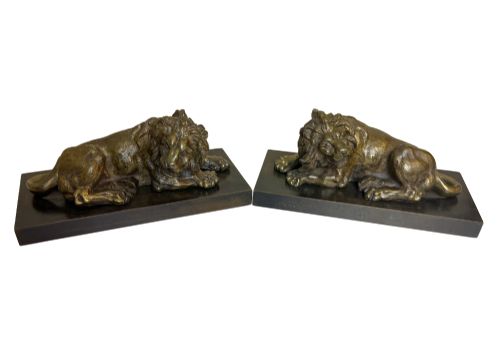
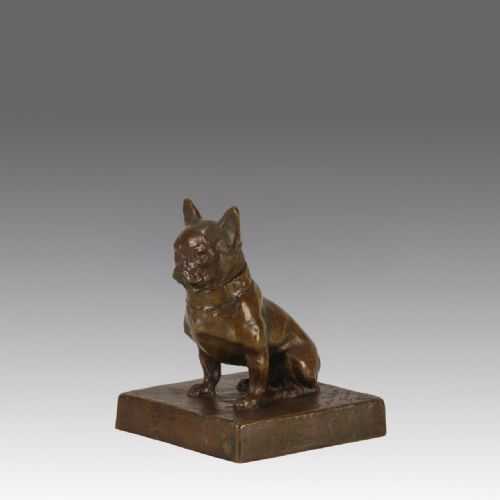
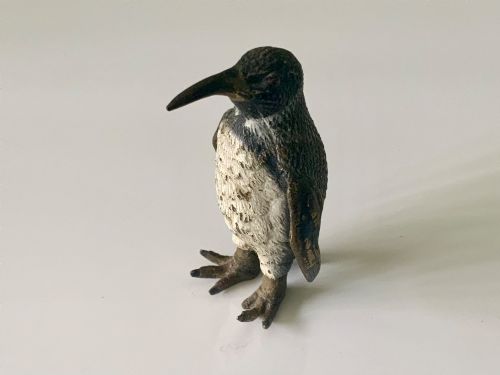
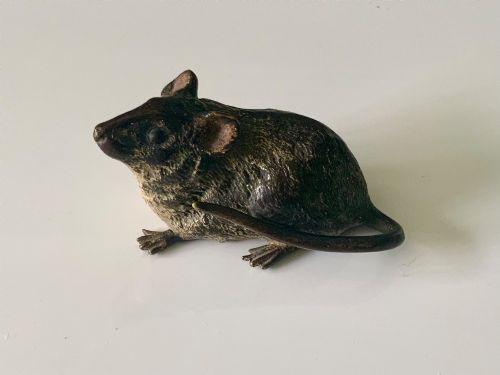
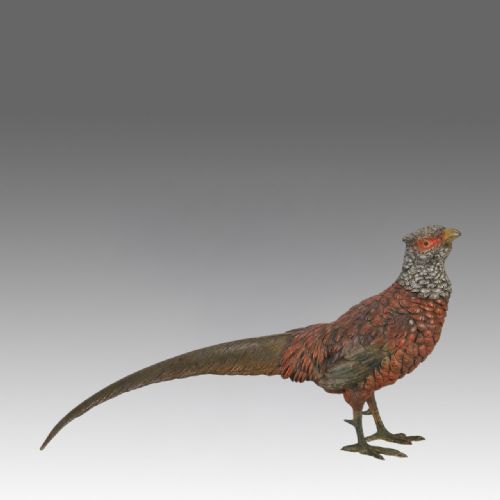
The selections range from nineteenth-century French animalier hounds and Victorian lions to early twentieth-century Austrian cold-painted bronze birds and mice. Many examples incorporate a marble, onyx, or green stone base, transforming a simple metal casting into an elevated desk ornament. Others take the form of Japanese okimono or Chinese scholarly scholar's desk items.
Stylistically, the pieces shift from realistic nineteenth-century animal studies to Art Deco borzois and whimsical cold-painted Vienna bronzes. Collectors select them for their tactile weight, detailed casting, and the varied patination that distinguishes each small sculpture. They represent a concentrated expression of period metalwork suited for daily handling.
How They Were Made
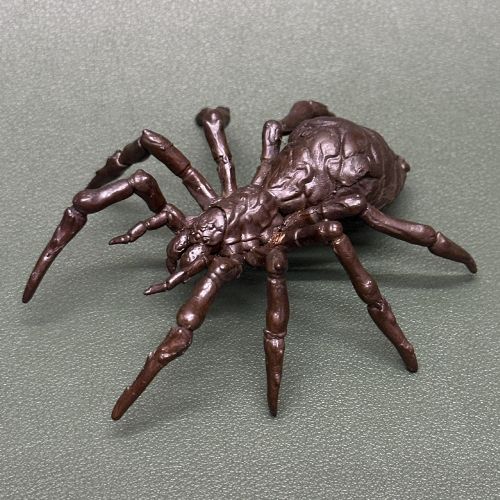
Makers utilised traditional foundry methods, predominantly the lost-wax casting technique, to capture minute anatomical details in solid bronze. This process allowed sculptors to render complex forms like tarantula spiders, feathers on pheasants, and the musculature of sighthounds with sharp fidelity. After casting, the metal was finished by hand using chisels and files to sharpen textures.
Surface treatment defines much of the visual character, achieved through chemical patination, selective fire-gilding, or hand-applied polychrome paint. Cold-painted bronze pieces received layers of natural pigment over a metallic ground, creating matte coloured surfaces on birds, dogs, and reptiles. Bases were frequently fashioned from cut slabs of green onyx or contrasting marble to provide stability.
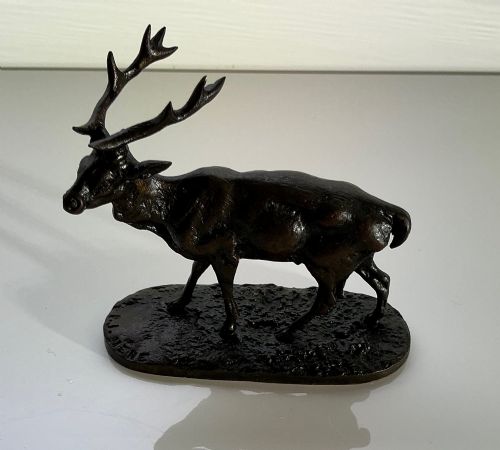
Desk ornaments range from majestic lions and leaping stags to a startlingly detailed bronze tarantula spider waiting patiently among the papers.
What Varies in Quality
The integration between the bronze figure and its stone base separates standard foundry output from finer presentation pieces. Higher-quality examples feature stones chosen for harmonious colour and polished edges, securely pinned or mounted rather than crudely joined. Signature placement, foundry stamps like Geschützt, and artist attributions elevate the standing of individual works.
Charles Louis Malric·Susse Freres·PJ Mene·Franz Bergman·Isidore Jules Bonheur·Jennings Brothers
The Bronze Paperweight Figure Glossary
- Animalier
- A nineteenth-century artistic movement focused on the realistic depiction of animals, particularly predators, horses, and hounds. Sculptors in this tradition studied anatomy closely through live observation.
- Cold-Painted Bronze
- A technique where oil or enamel paint is applied to a cold bronze surface, most famously developed by Viennese foundries. The paint sits directly on the metal without firing.
- Okimono
- A Japanese term for a decorative object or carving meant for display on a shelf or desk. These small figures often depict insects, mythical creatures, or daily subjects with high naturalism.
- Patinated Bronze
- Metal treated with chemical solutions to produce a controlled surface colour, ranging from deep brown and black to green. This coating protects the underlying alloy and adds visual depth.
- Grand Tour
- The nineteenth-century practice of affluent travellers collecting classical antiquities and bronze reductions of famous monuments across Europe. These souvenirs included miniature lions and architectural models.
Bronze Paperweight Figure: Frequently Asked Questions
How do I care for a bronze paperweight?
Caring for a bronze desk ornament requires only gentle dusting with a soft, dry cloth to prevent the accumulation of grit in recessed details. Avoid using commercial metal polishes, abrasive cloths, or chemical cleaners, as these will strip away historic patinas and delicate cold-painted finishes.
Keep the pieces away from direct sunlight and damp environments to protect both the metal surface and any associated marble or onyx bases. Wax is occasionally used by conservators, but natural handling often maintains the subtle sheen of the bronze.
Are these figures solid bronze?
Many of these desk figures are solid-cast bronze, providing the substantial weight necessary to function effectively as a paperweight. Solid casting ensures durability and allows for deep, tactile detailing across the body of the animal or subject.
Some larger or more hollow-formed pieces utilise bronze alloys mounted to heavy stone plinths to achieve the same anchoring purpose. Examining the underside or base often reveals the casting method and the connection to the stone.
What is an animalier bronze?
An animalier bronze is a nineteenth-century sculpture focused specifically on the lifelike portrayal of animals in motion or repose. French and European sculptors pioneered this genre, capturing the raw musculature and natural behaviour of dogs, big cats, and birds.
These pieces were produced both as large cabinet sculptures and as smaller desk-sized paperweights. The style emphasises anatomical precision over romanticised human qualities.
What is a Grand Tour souvenir?
Grand Tour souvenirs were small-scale bronze replicas of classical antiquities, architectural elements, and famous Italian sculptures collected during European travels. Wealthy tourists purchased these objects in the nineteenth century as tangible memories of cultural education.
Common subjects included lions, sphinxes, and mythological beasts cast in patinated bronze. They served both decorative purposes and practical roles as desk weights in period libraries.