

Antique Cherub Sculpture
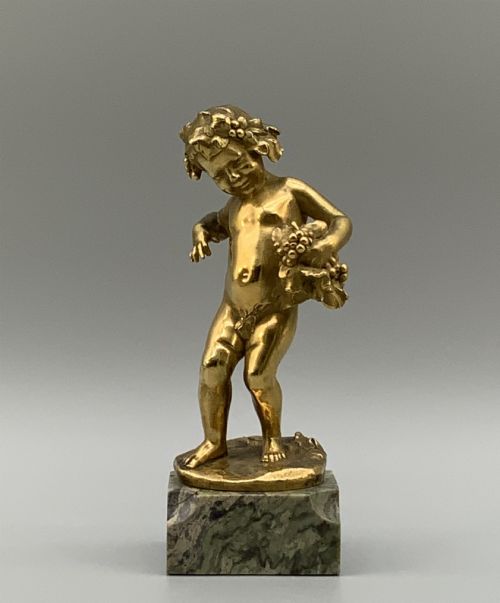
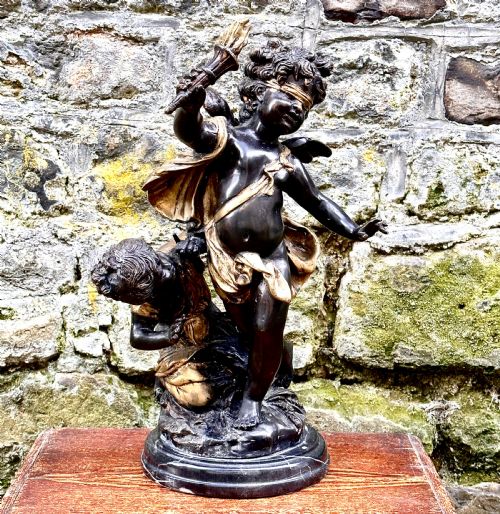
When you search for an antique cherub sculpture, you meet cast bronze figures, carved wooden panels, and marble pieces from past centuries designed to bring classical charm into a room.
Antique Cherub Sculpture
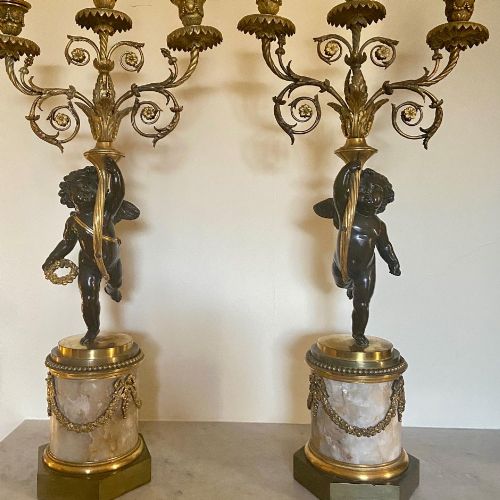
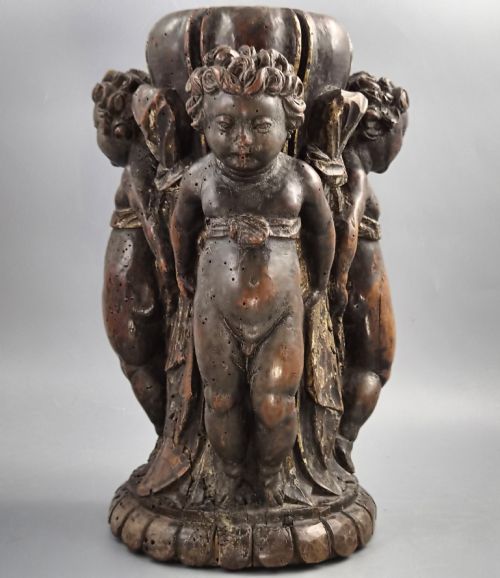
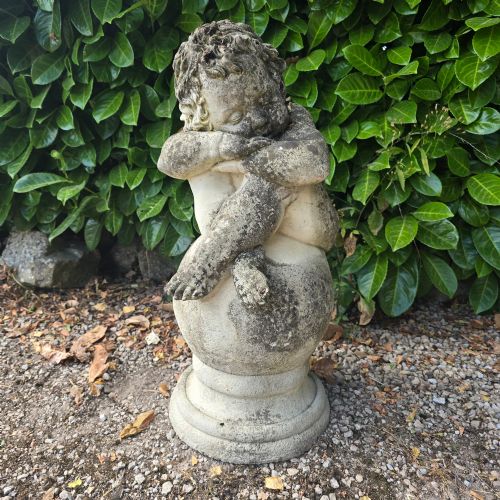
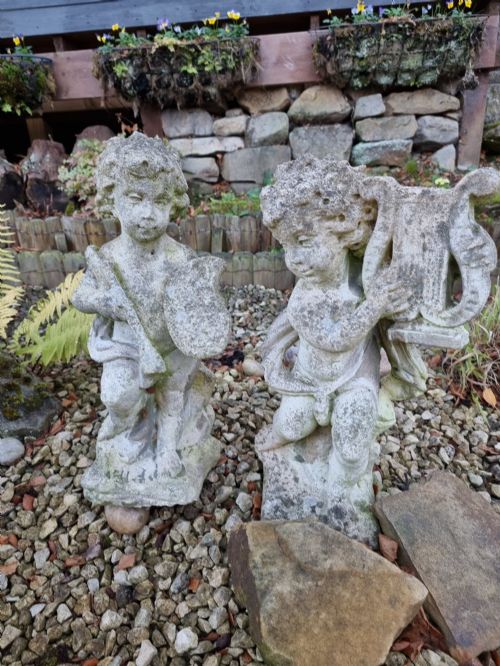
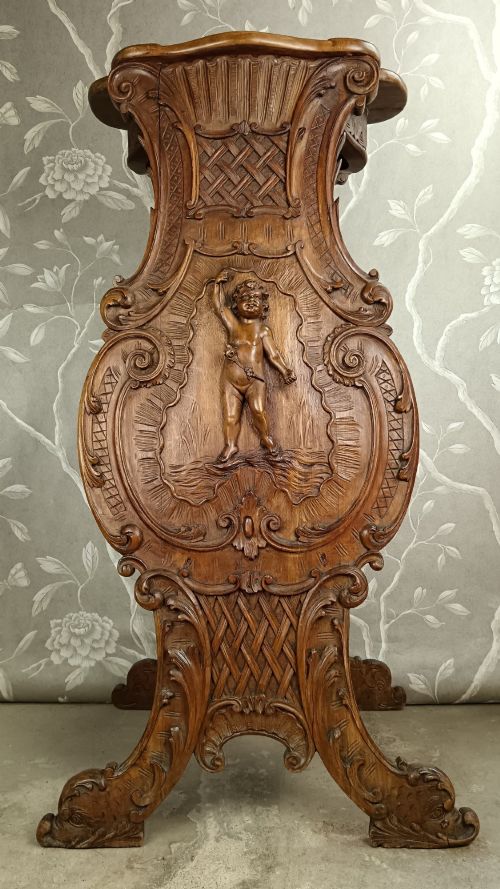
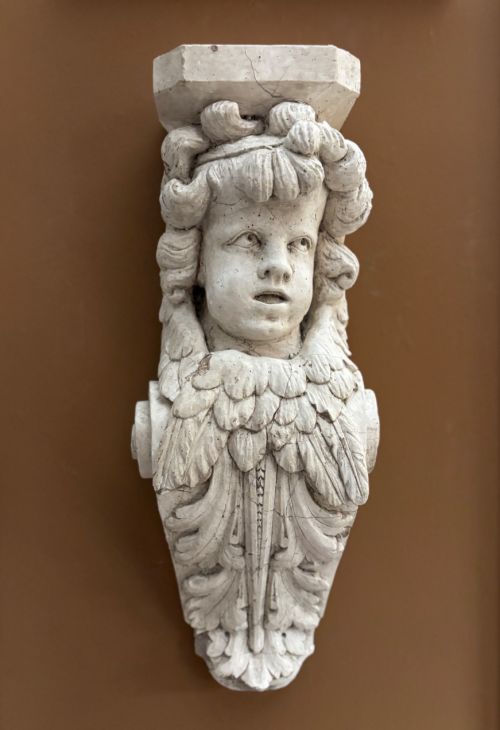
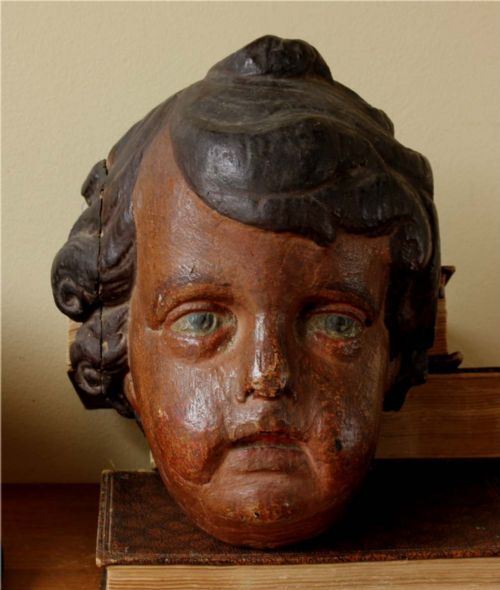
When you search for an antique cherub sculpture, you encounter figures cast in bronze, carved from walnut and oak, or sculpted in marble and terracotta. These pieces range from small ormolu mounts and architectural fragments to garden statues, candelabra bases, and freestanding figures of putti and cupids.
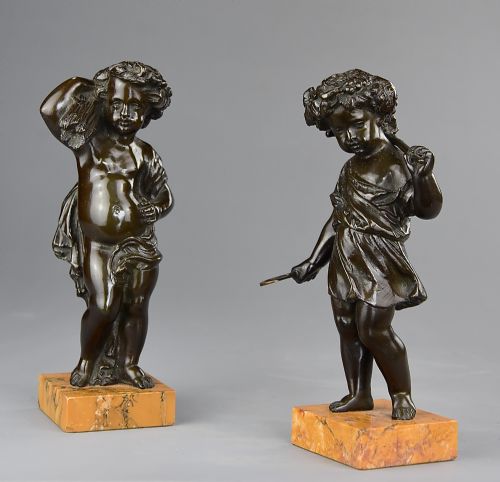
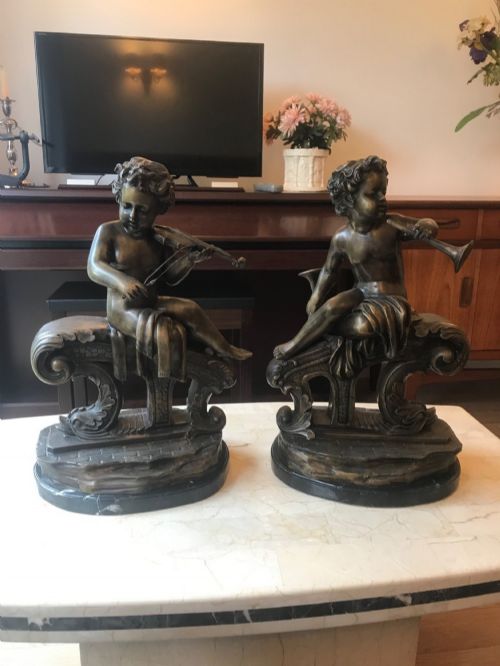
You are most likely to meet 19th-century French and Italian bronzes, alongside 18th-century carved wood panels and architectural ornaments. Many follow Neoclassical, Baroque, or Rococo revival styles, often drawing inspiration from earlier masters such as Clodion or François Redmond.
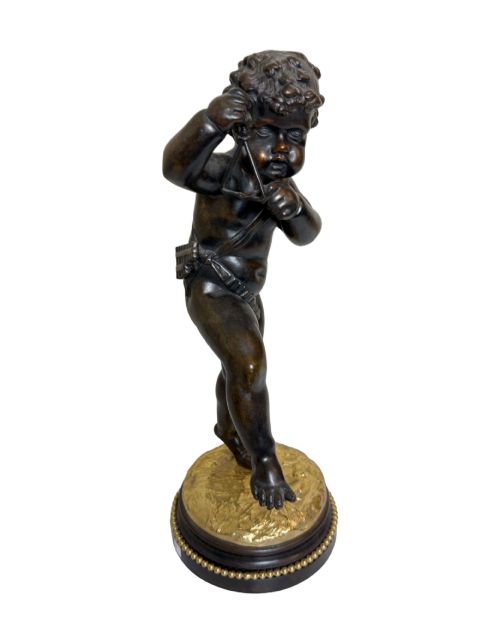
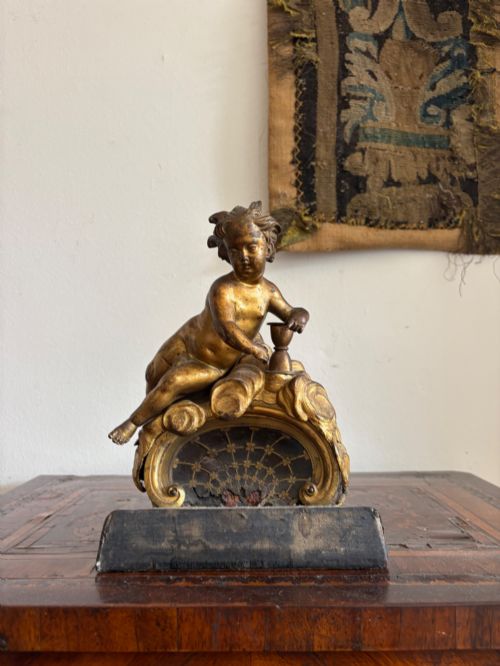
The forms span domestic mantel ornaments, wall corbels, clock mounts, and grand tour souvenirs. Whether depicted playing musical instruments, holding bows, or sleeping, these sculptures capture the theatrical and decorative spirit favoured by past European workshops.
Materials and methods of creation
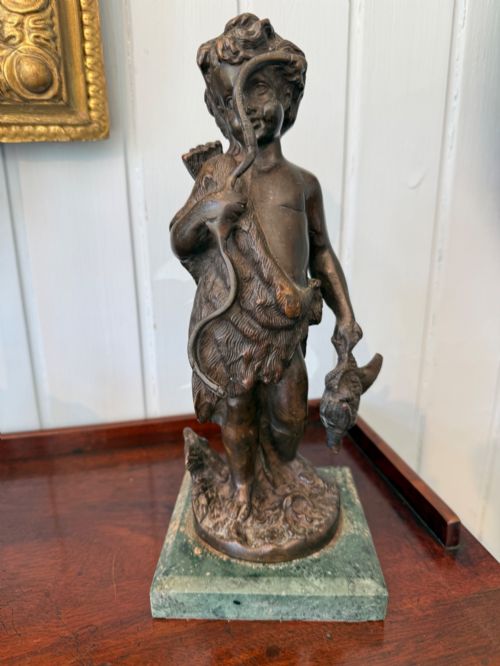
Foundries produced bronze figures using the lost-wax casting method, often finishing the metal with a rich patination, fire-gilding, or ormolu mounts. Marble statues were hand-carved from stone blocks, while smaller decorative elements utilised cast lead, gesso, and leathermaché.
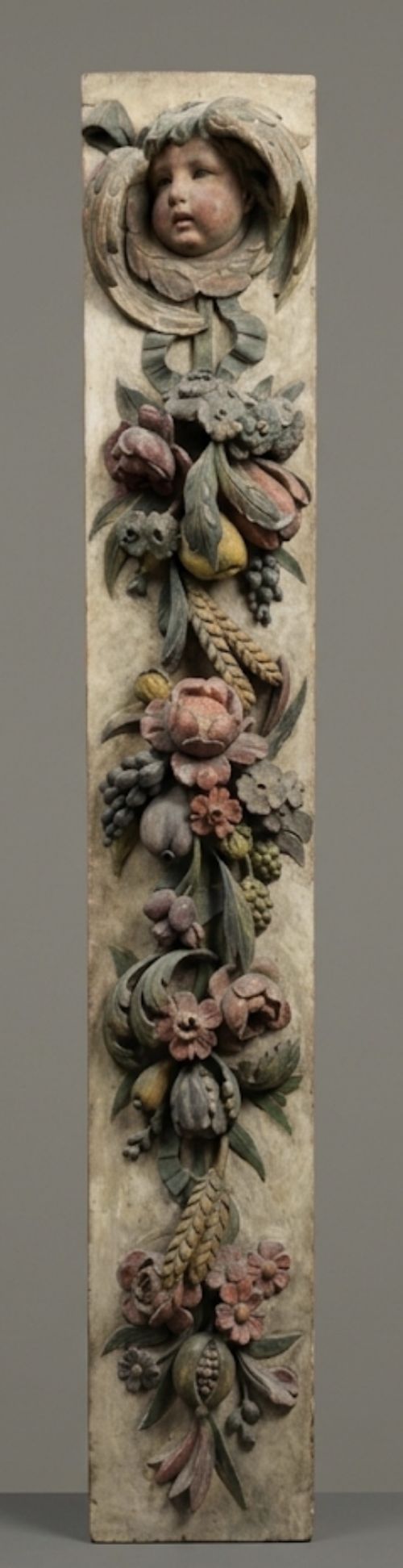
Woodcarvers shaped walnut, oak, and lime wood using chisels and gouges, occasionally applying polychrome paint, gesso, or gold leaf to architectural pediments, torchiere bases, and wall corbels. Terracotta pieces were hand-modelled and fired, capturing the soft contours of clay before glazing or leaving the surface matte.
Several cherubs are caught mid-mischief with musical triangles, bows, and even a faithful spaniel dog.
Distinctions in execution and design
The finesse of the chiselling on a bronze casting or the depth of undercut relief in a carved wooden panel determines the visual impact of the piece. Superior sculptures display sharp anatomical definition in the wings and limbs, whereas lesser examples show softer, more generalised moulding.
The choice of base materials, such as veined marble for a bronze figure or fluorspar alongside ormolu, separates standard decorative items from works of higher ambition. Additionally, the presence of a signature or attribution to a known foundry or sculptor elevates the standing of the piece.
Charles Louis Malric·Susse Frères·Francois Redmond·Claude Michael Clodion·Grinling Gibbons·Edward Pearce·Antonio Canova·Paul Scheurich·Richard Avrilli·Leon Message·Jollet et Cie
The Antique Cherub Sculpture Glossary
- Putto
- A plump, naked male infant, frequently winged, appearing in classical and Renaissance art. They populate decorative panels and freestanding bronzes.
- Ormolu
- Gilt bronze produced by applying a mercury and gold amalgam to a bronze base. This technique creates a durable golden finish seen on French mounts and clocks.
- Grand Tour
- A cultural journey undertaken by wealthy young Europeans in the eighteenth and nineteenth centuries. Travellers collected small bronzes and marble antiquities as mementos.
- Torchiere
- A tall stand or pedestal designed to support a candelabrum or light source. Baroque examples often incorporate carved figures of putti.
- Polychrome
- The practice of decorating architectural elements or wooden sculptures in multiple colours. This finish is frequently found on continental church figures and panels.
Antique Cherub Sculpture: Frequently Asked Questions
What is the difference between a putto and a cherub?
In artistic tradition, a putto represents a secular, mischievous infant figure derived from classical mythology, akin to a cupid. A cherub stems from biblical hierarchy, though centuries of design have merged the terms in decorative arts.
Most antique sculptures described as cherubs actually depict secular putti playing instruments, hunting, or resting.
How can I date a bronze cherub sculpture?
Dating relies on examining the casting technique, the quality of the surface patination, and the style of the base or mount. Nineteenth-century castings often display crisp chasing and specific foundry marks.
Comparing the sculptural style to known periods like the Louis XVI revival or Italian Baroque helps narrow the decade of creation.
Where were these sculptures originally displayed?
Many smaller bronzes served as mantel ornaments, clock mounts, or bookends in nineteenth-century salons. Larger carved wooden panels and torchiere bases originated in European churches, libraries, and architectural interiors.
Grand tour bronzes were brought back to adorn English and continental drawing rooms as tokens of refined travel.
How do I care for antique bronze and wood?
Bronze figures require only gentle dusting with a soft, dry cloth to protect the historic patina. Avoid using metal polishes, which strip the aged surface finish.
Carved wooden pieces benefit from stable room humidity and occasional treatment with suitable wax to preserve the historic timber.