

French Bronze Putto
French bronze putto figures bring classical myth and playful nineteenth-century sculpture into domestic rooms as lamps, clocks, and decorative mounts.
French Bronze Putto
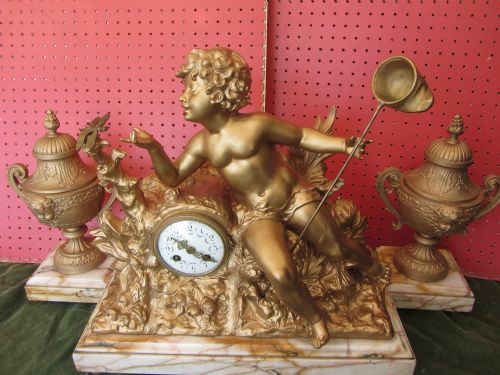
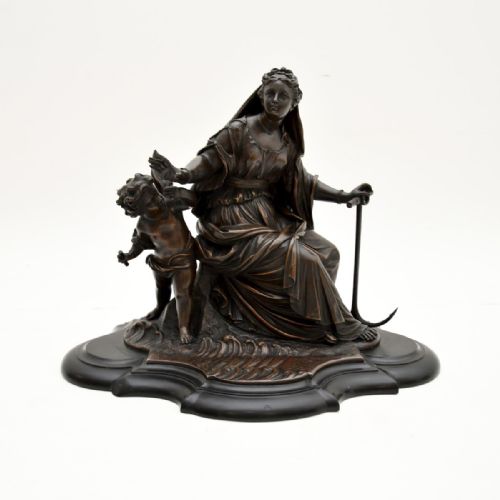
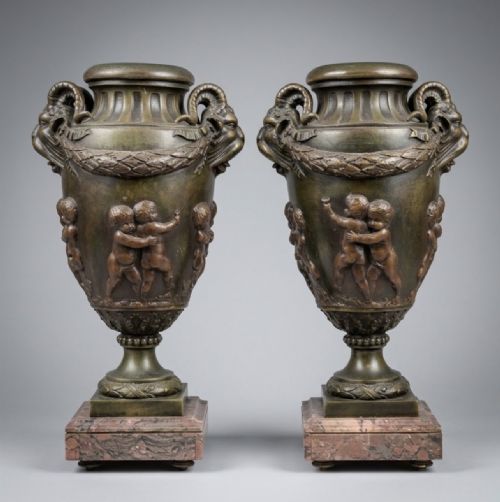
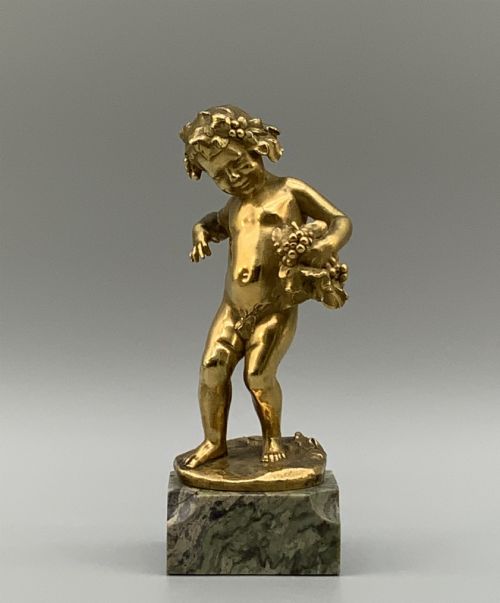
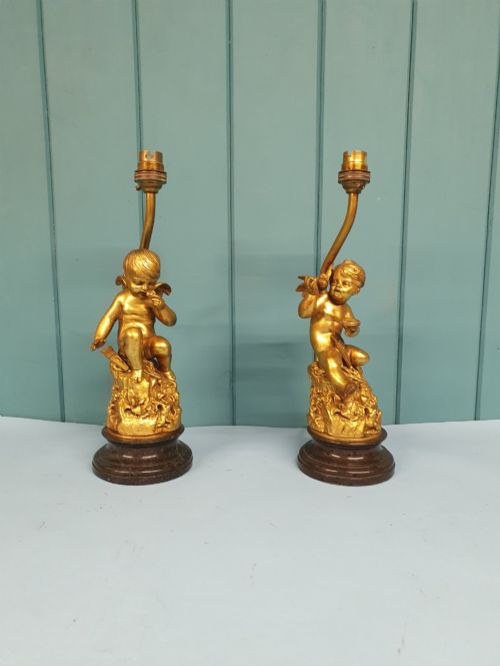
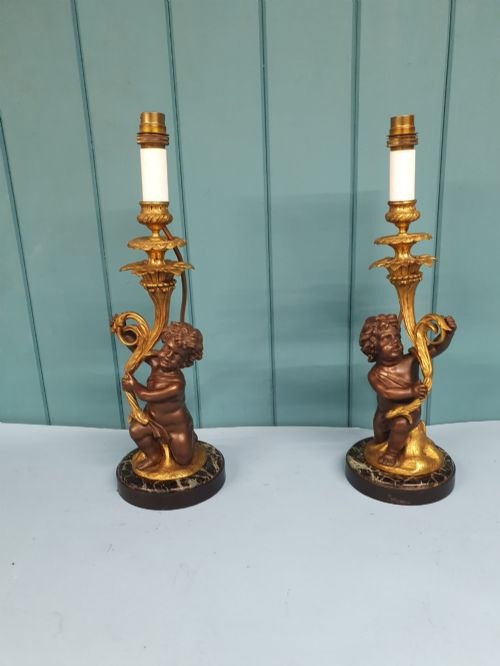
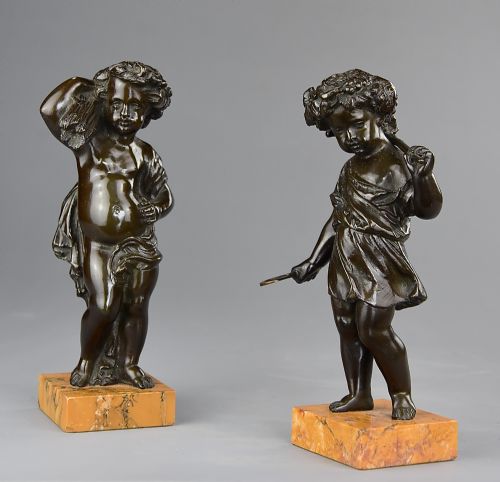
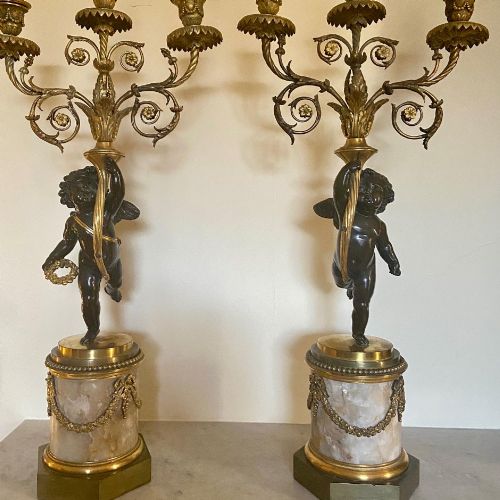
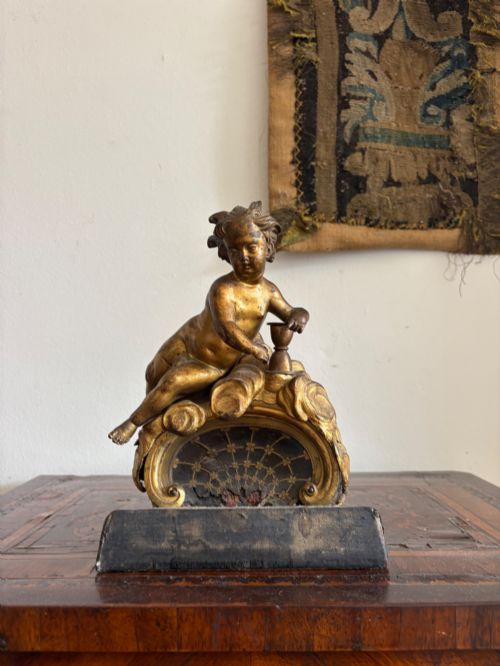
A french bronze putto represents the classic winged infant figure derived from classical mythology, frequently appearing across the nineteenth century in domestic decorative arts. These pieces take many practical and ornamental forms, including mantel clocks, candelabra, table lamps, wall sconces, and figural sculptures.
The objects available range from small architectural mounts and finials to substantial sculptural table lamps and clock garnitures. Most examples date from the Victorian era and the later nineteenth century, reflecting robust revivalist tastes for French classical, Rococo, and Empire styles.
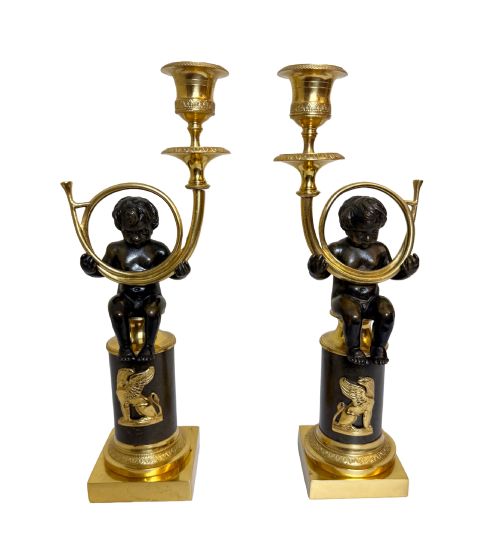
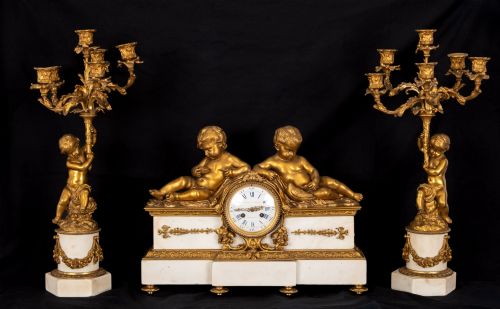
Buyers encountering these items will find both solid cast bronze and patinated or gilt variants, often paired with contrasting materials like white marble bases or porcelain elements. The figures themselves appear either as solitary musicians and archers or as pairs flanking functional centrepieces and lighting.
Materials and casting methods
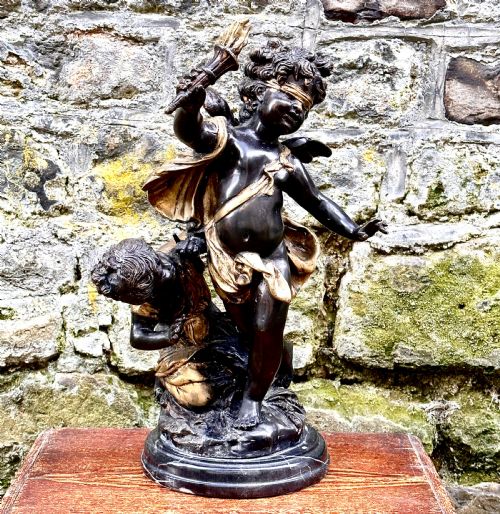
The creation of a french bronze putto relied upon traditional foundry techniques, primarily lost-wax or sand casting, to achieve crisp anatomical details and delicate wings. Workshops combined bronze with ormolu, applying a fine layer of gold amalgam to highlight specific areas of the cast figures.
Many domestic items integrate patinated bronze with contrasting components such as white marble plinths, porcelain vases, and cut crystal bowls. Spelter also appears in period pieces as a more affordable alternative to true bronze for larger decorative urns and lamps.
French Bronze Putto Retail Price Guide 2026
Typical asking prices for french bronze putto among the pieces listed under this phrase on Sellingantiques today, from the lower quarter to the upper quarter. They describe what is for sale here now, not the wider market.
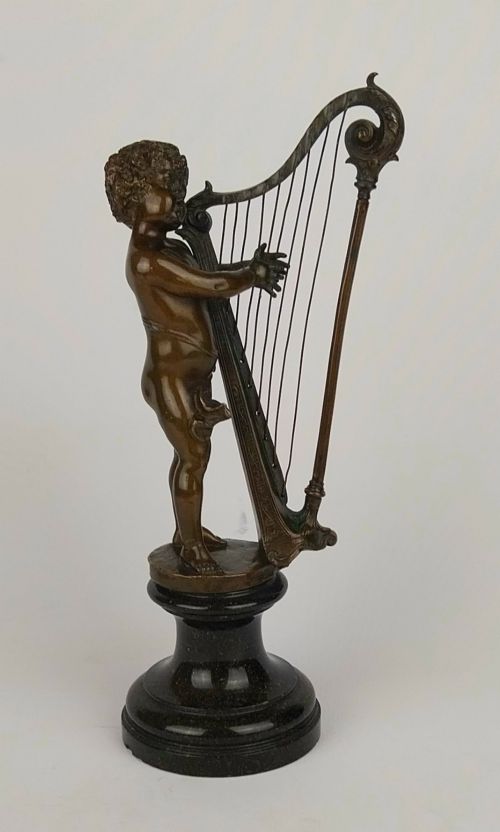
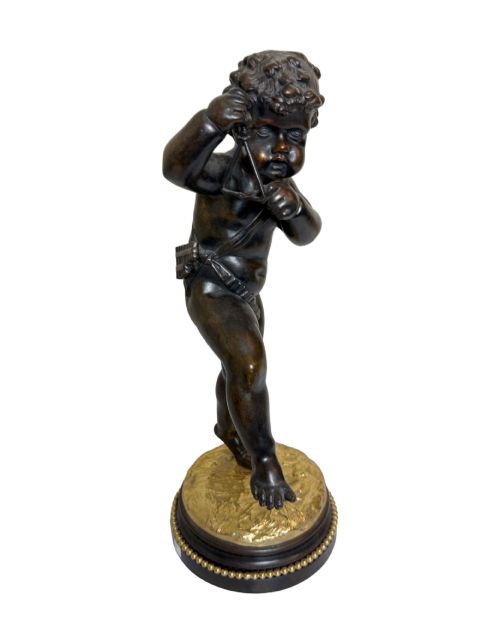
Several putti double as musicians, caught mid-tune playing triangles or holding bows rather than arrows.
Factors determining quality
The harmony of the materials dictates the overall merit of the piece, particularly where bronze or ormolu meets fine white marble, Sevres porcelain, or cut crystal. Maker attribution and the retention of original fire gilding or patination elevate the standing of surviving nineteenth-century examples.
Charles Louis Malric·Susse Frères·Francois Redmond·Le Roy·Leon Message·Jollet et Cie·Moreau
The French Bronze Putto Glossary
- Putto
- A plump, often winged infant figure originating in classical art. These cherubic motifs appear frequently in Renaissance revival sculpture and decorative metalwork.
- Ormolu
- Finely ground high-carat gold applied to a bronze base through a mercury amalgamation process. This technique produces a durable, rich golden surface characteristic of French decorative arts.
- Patinated bronze
- Bronze treated with chemical solutions to produce a specific surface colour ranging from deep brown to greenish tones. It protects the metal while enhancing visual depth.
- Chenets
- Ornamental metal fire dogs placed at the hearth to support logs. French examples often incorporate figural putti and classical scrollwork.
- Garniture
- A set of matching ornamental objects for a mantelpiece, typically comprising a central clock flanked by matching candelabra or vases.
French Bronze Putto: Frequently Asked Questions
What is a french bronze putto?
A french bronze putto is a cast metal sculpture of a winged mythological infant, commonly integrated into nineteenth-century clocks, lamps, and decorative objects.
These figures draw upon classical imagery, portraying cherubs playing instruments, holding bows, or engaging in allegorical harvest scenes.
How were these pieces used originally?
Period items served both functional and decorative roles in nineteenth-century drawing rooms and salons. They lit spaces as candelabra and wall sconces, measured time within mantel clock garnitures, or simply adorned tables as decorative bronzes.
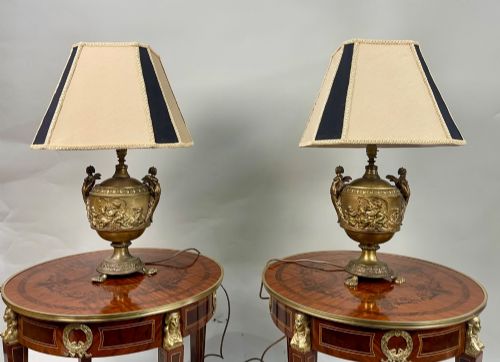
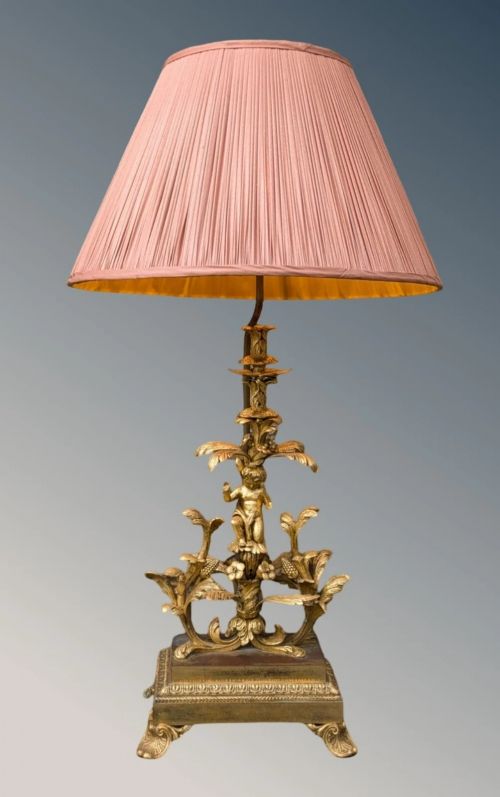
Many surviving pieces have since been adapted for modern electrical wiring to serve as table lamps while retaining their historic metalwork.
How can I tell the period?
Dating relies upon examining the casting quality, the composition of supporting materials like marble and ormolu, and the stylistic vocabulary. Nineteenth-century pieces frequently employ French Rococo, Empire, or Neoclassical revival motifs.
Foundry marks, signatures, and the type of patination or gilding also provide reliable clues to the exact era of manufacture.
How do I care for bronze and ormolu?
Maintenance requires gentle dusting with a soft, dry cloth to prevent the accumulation of dirt within intricate crevices. Avoid chemical cleaners and abrasive polishes, which can strip historic patination or delicate gold gilt finishes.
Keeping pieces away from direct moisture and extreme temperature fluctuations preserves the integrity of the metal and any attached marble or porcelain.