


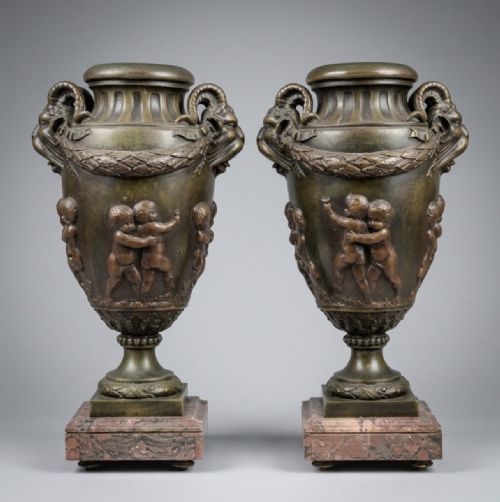
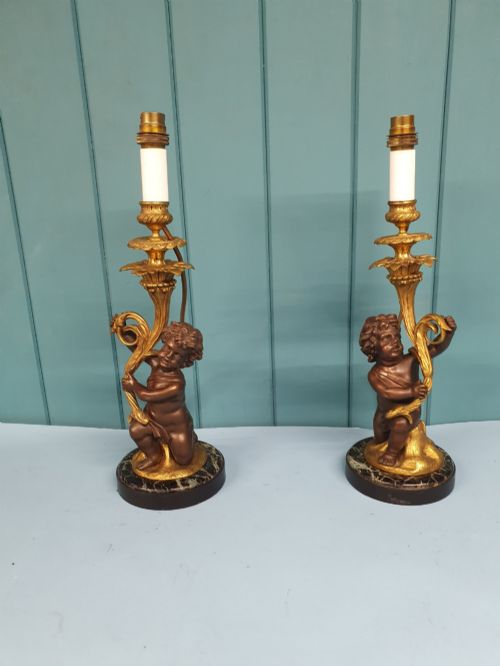
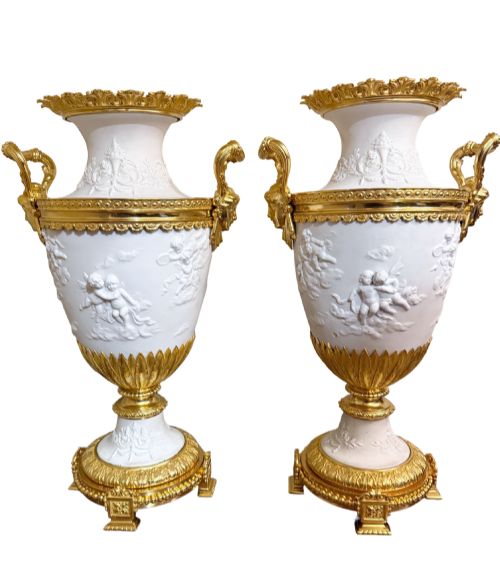

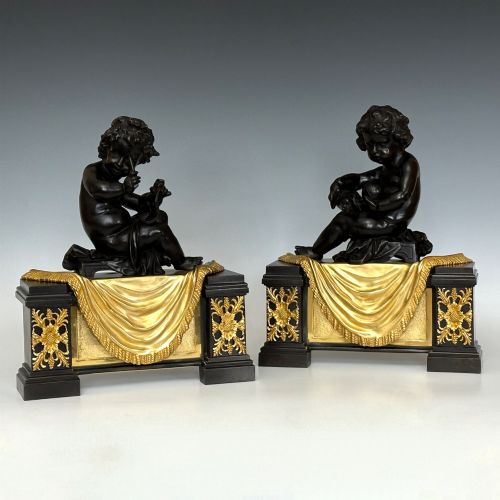
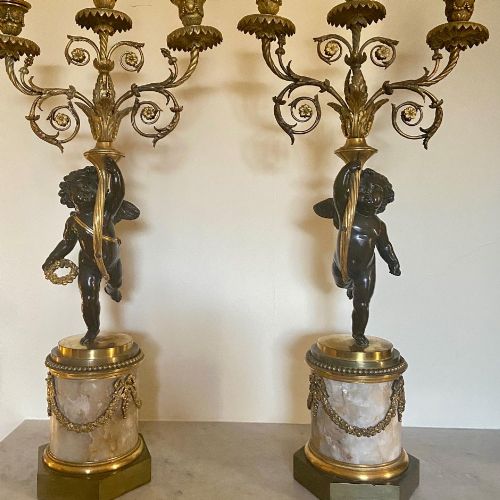
Antique Bronze Putto
An antique bronze putto brings the charm of classical mythology into domestic interiors through sculptural figures and decorative mounts.
Antique Bronze Putto
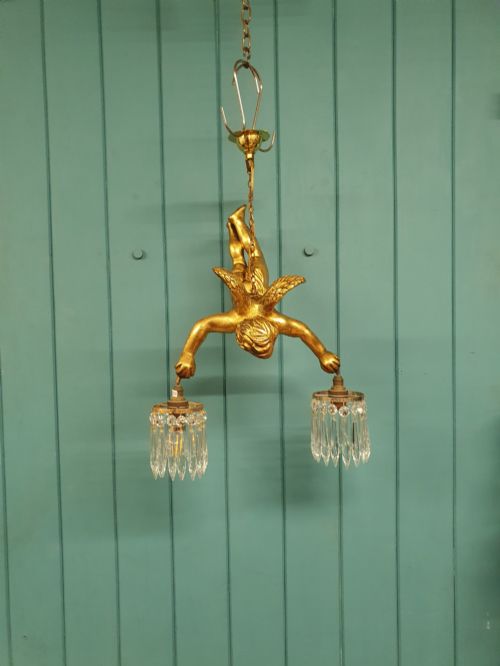
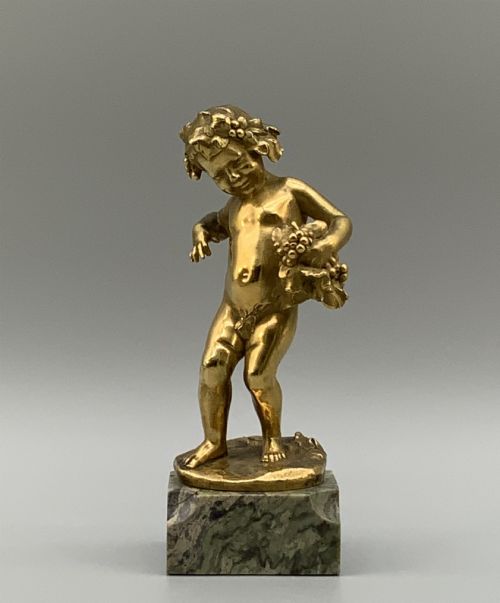
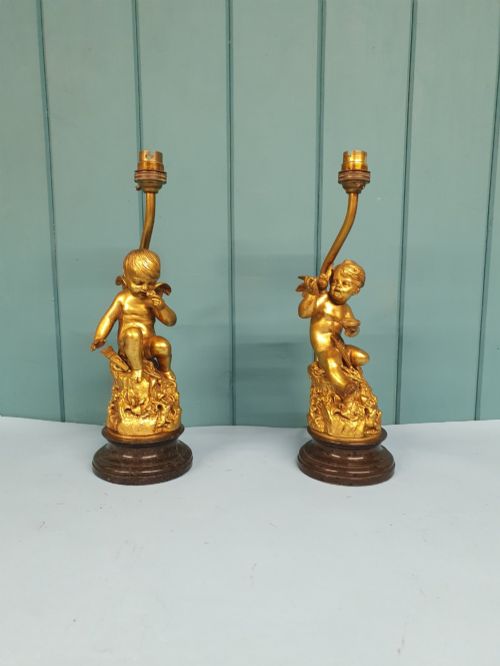
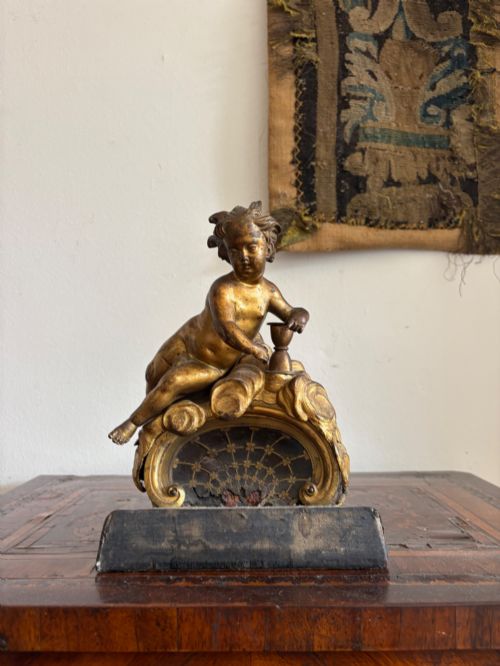
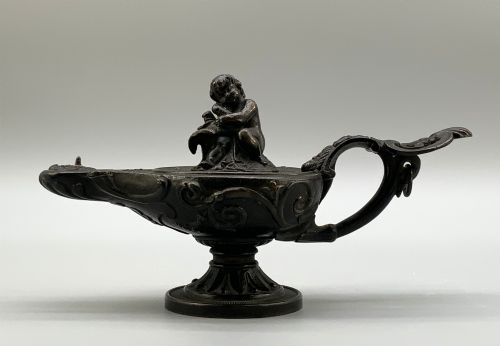
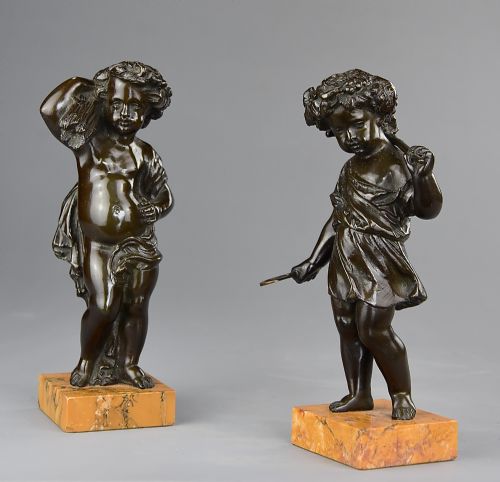
When searching for an antique bronze putto, buyers encounter sculptural figures, clock garnitures, candlesticks, and lighting fittings rendered in the likeness of winged infants. The selections span the nineteenth century, including Victorian examples alongside French Rococo Revival, Empire, and Neoclassical styles.
Most entries combine cast metalwork with marble bases, porcelain elements, or crystal drops. Figures frequently appear as independent sculptures or supporting components on mantel clocks, chenets, and wall sconces.
Materials and casting methods
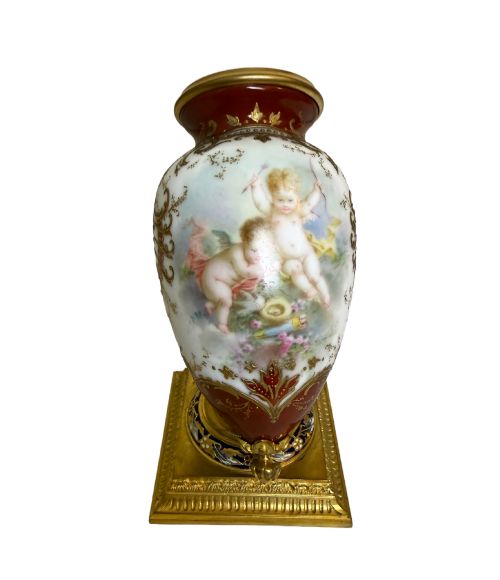
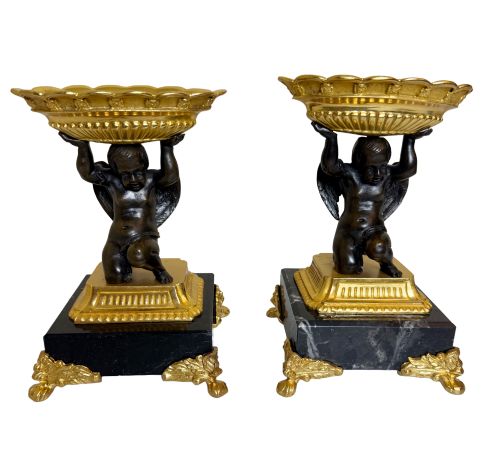
Makers integrated white marble plinths, porcelain panels from factories such as Sèvres, and cut glass crystal to complement the metallic figures. Surface treatments alternate between polished gilding and dark chemical patination.
Listings feature items from the 1850s to the 1920s, dominated by French Neoclassical and Rococo Revival aesthetic styles.
Distinctions in craftsmanship
Superior examples display crisp manual chasing on the metal surface, rendering anatomy and drapery with depth and precision before gilding or patination. Lesser items rely on softer cast details with minimal secondary hand tooling.
The integration of supporting materials like sculptural marble bases, porcelain inserts, and matched garniture sets indicates higher atelier standards. Individual figures modelled after named sculptors demonstrate greater artistic execution than generic decorative castings.
Charles Louis Malric·Susse Frères·Claude Michael Clodion·Francois Redmond·Le Roy Paris
The Antique Bronze Putto Glossary
- Putto
- A chubby male child figure, often winged, originating in classical art and frequently depicted in Renaissance and later revivals. These figures appear widely in European sculpture and decorative metalwork.
- Ormolu
- Ground metallic gold applied to an object of bronze through a mercury amalgamation process. This technique creates a rich golden finish characteristic of French decorative arts.
- Spelter
- A zinc or lead-tin alloy used as a less expensive substitute for bronze in nineteenth-century casting. Items rendered in this material often received a bronze-coloured coating.
- Garniture
- A set of matching decorative objects, typically comprising a mantel clock flanked by matching candelabra or vases. These arrangements served as centrepieces for fireplace mantels.
- Chenet
- A metal firedog placed at the hearth to support burning logs within an open fireplace. Elaborate examples incorporated figural putti and classical motifs.
Antique Bronze Putto: Frequently Asked Questions
How do I clean antique bronze?
Dust surfaces gently using a soft, dry brush to prevent accumulation in recessed crevices. Avoid commercial metal polishes, which can strip historic patination and gilding.
Keep pieces away from direct moisture and chemical cleaners. A microfibre cloth suffices for general upkeep.
Were these figures used as clocks?
Clockmakers incorporated cast figures into mantel clock garnitures alongside matching candelabra. The putto often appears flanking the dial or seated atop the marble case.
These timepieces functioned as decorative centrepieces in nineteenth-century domestic interiors. Movements typically require professional inspection for servicing.
What is the difference between bronze and spelter?
Bronze is a heavy copper alloy capable of holding sharp cast details and enduring patination. Spelter is a softer, lighter zinc-based metal utilised for commercial reproductions.
Magnet testing and weight distribution help distinguish between the two materials. Bronze remains cooler to the touch and demonstrates superior structural density.
How do I date these metal objects?
Stylistic indicators such as French Rococo Revival or Empire motifs provide initial chronological markers. Manufacturing techniques and assembly screws further clarify the period of production.
Base materials like white marble and cut crystal align with nineteenth-century interior fashions. Maker marks and foundry stamps offer precise attribution when present.