

Antique Bronze Cherub
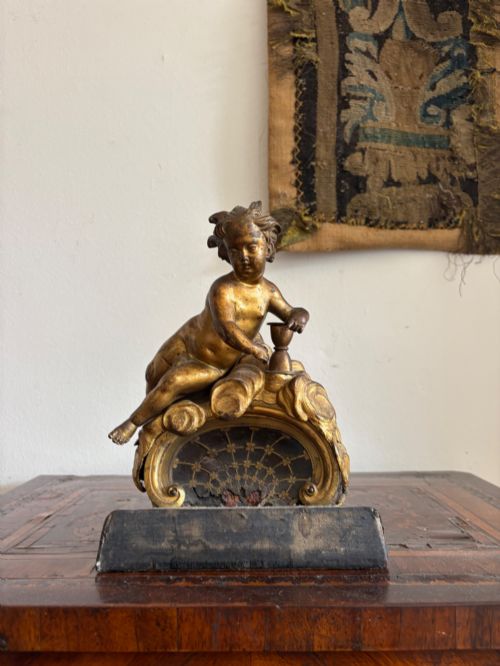
An antique bronze cherub brings winged classical charm to domestic interiors, taking the form of figural candleholders, mantel clocks, and desk accessories.
Antique Bronze Cherub
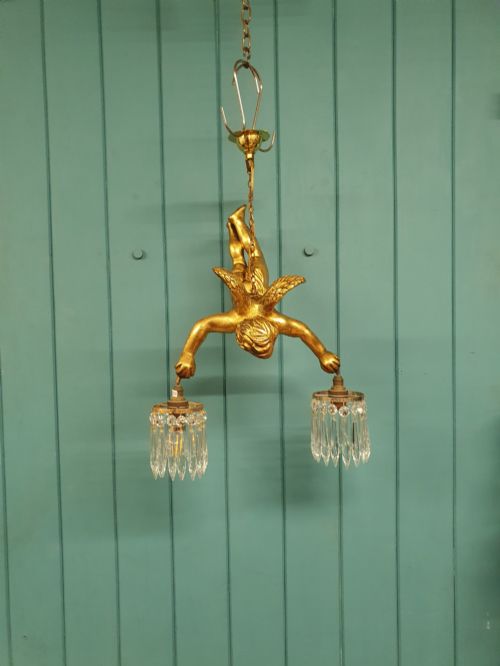
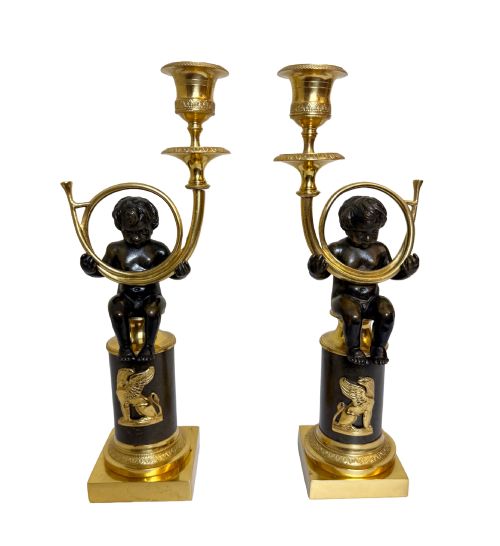
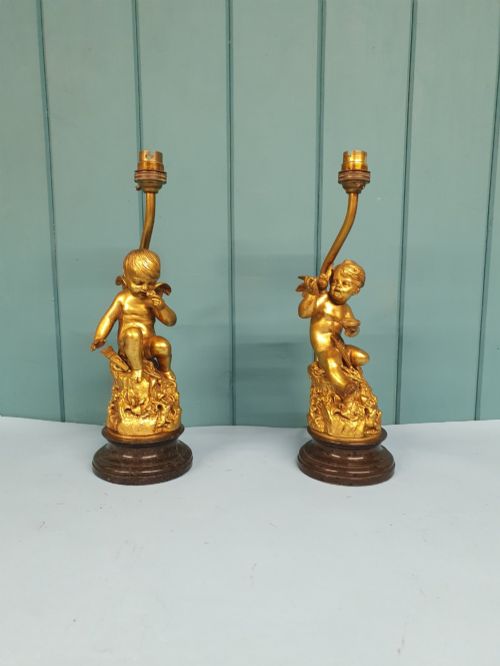
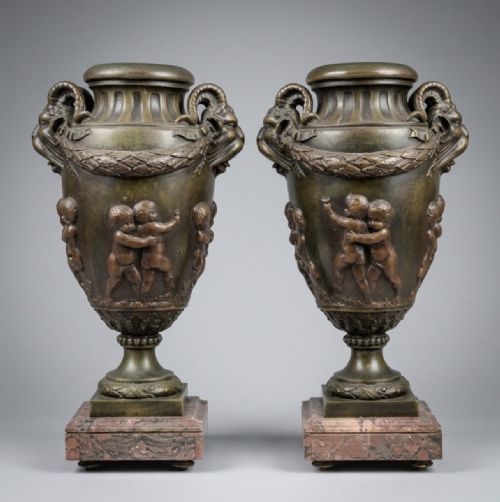
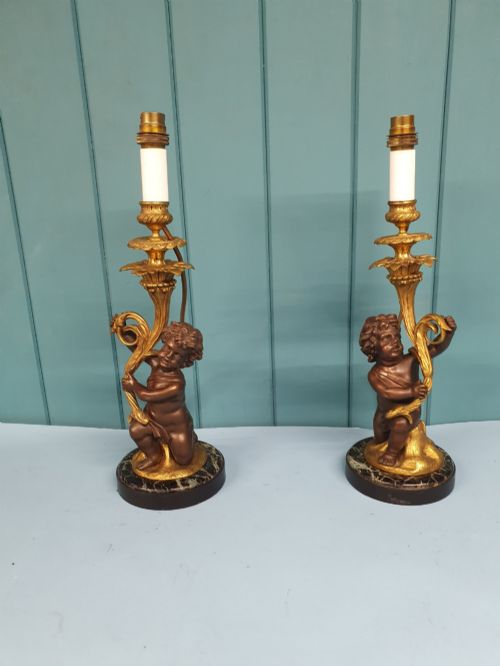
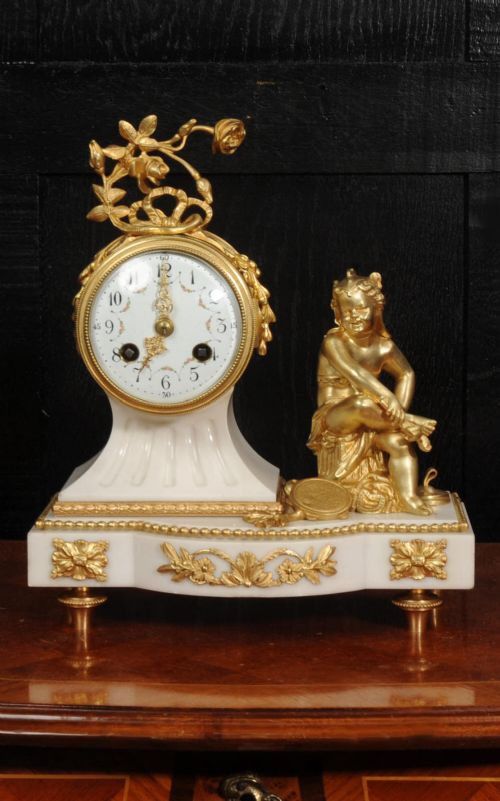
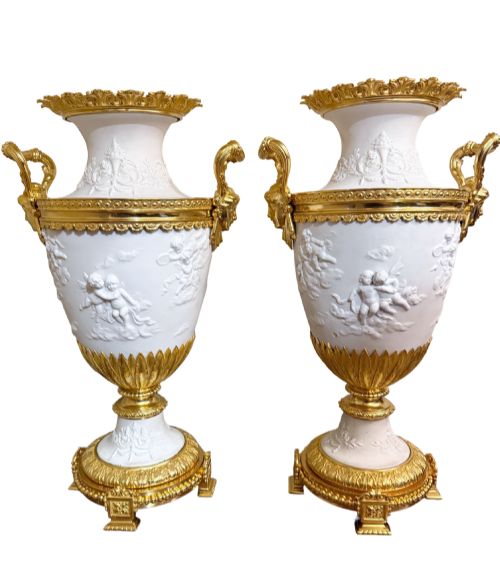
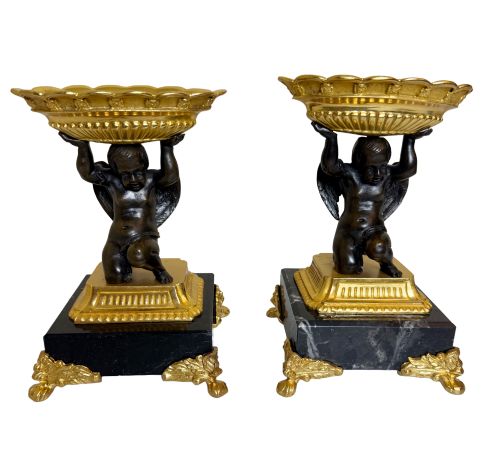
When searching for an antique bronze cherub, buyers encounter decorative and functional domestic objects cast in metal, predominantly originating from nineteenth-century French workshops. These pieces frequently manifest as putti supporting candelabra, perched upon marble clock garnitures, or serving as finials on decorative urns and picture frames.
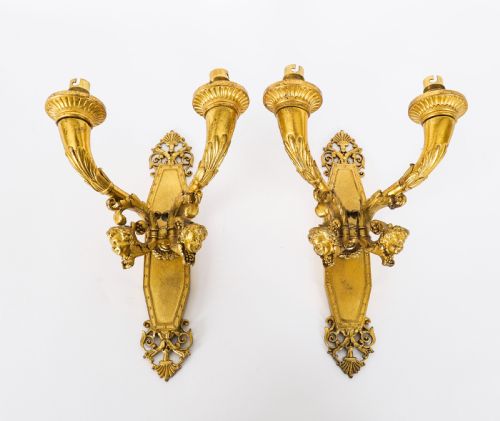
The domestic role of these figures varied widely across the Victorian and Edwardian periods, stretching from lighting supports like wall sconces and table lamps to desk accessories such as blotters and letter openers. French Empire and Rococo Revival styles dominate the available forms, often paired with contrasting white or rouge marble bases.
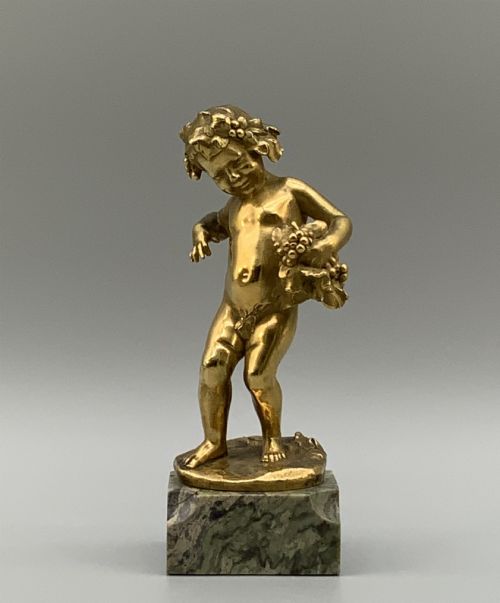
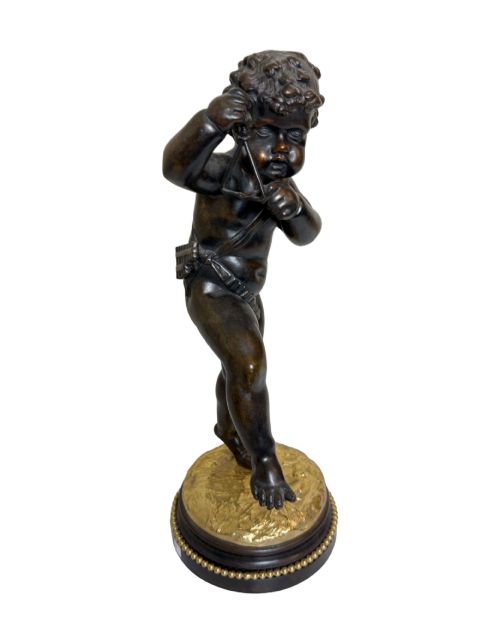
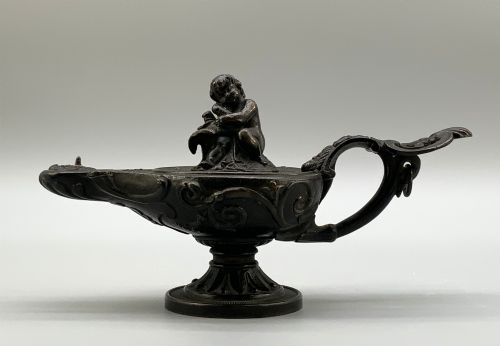
Beyond standalone sculptural figures playing musical triangles or holding bows, the listings showcase practical items integrated with classical mythology. Italian Grand Tour souvenirs and allegorical harvest putti regularly appear, reflecting nineteenth-century tastes for classical antiquity.
Materials and casting techniques
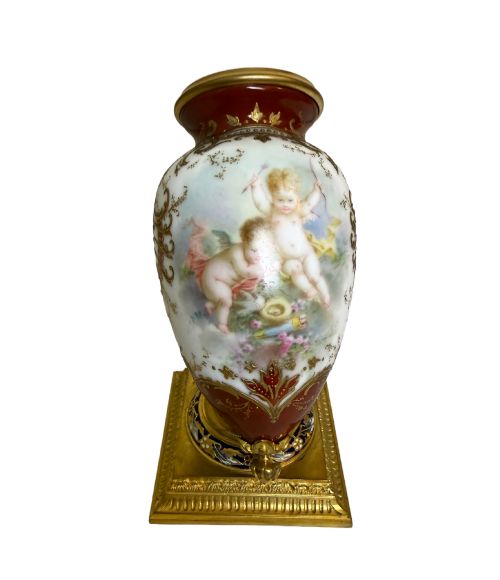
Makers utilised bronze, gilt bronze, and ormolu as primary metallic mediums, often combining patinated bronze figures with gilded mounts to create tonal contrast. These metal elements were frequently paired with white marble, rouge marble, cut glass crystal, and porcelain components derived from Sevres factories.
Casting methods relied on traditional foundry practices to achieve fine detail in the hair, wings, and drapery of the figures. Ormolu applications involved mercury gilding to impart a bright gold finish onto the bronze substrate, while patinated surfaces were chemically treated to yield darker brown or green tones.
Listings feature items from the eighteenth century through the 1960s, with a heavy concentration of nineteenth-century French production in gilt bronze, marble, and ormolu.
Distinctions in craftsmanship
The integration of secondary materials dictates overall refinement, separating standard production runs from high-end salon pieces. Well-executed works feature heavy, uncompromised marble bases, precise Ormolu mounts, and complex mechanical movements in clock garnitures signed by notable makers.
Charles Louis Malric·Susse Freres·Japy Freres·Henry Marc·Francois Redmond·Siffel and Cartier·Henry Dasson·Louis Kley
The Antique Bronze Cherub Glossary
- Ormolu
- Gilded bronze produced by applying a mercury and gold amalgam to a bronze base and firing it in a kiln. This technique creates a durable, luminous golden finish characteristic of French decorative arts.
- Putto
- A plump, naked male child figure often depicted with wings in classical and Renaissance-derived art. These figures are frequently interchanged with the term cherub in nineteenth-century decorative metalwork.
- Clock Garniture
- A set comprising a central mantel clock accompanied by matching side pieces such as candelabra, urns, or vases. These matched suites were designed to sit symmetrically on a fireplace mantel.
- Grand Tour
- Cultural travel undertaken by wealthy Europeans in the eighteenth and nineteenth centuries to study classical art and architecture. Souvenirs from these journeys included small-scale bronze models and figural lamps.
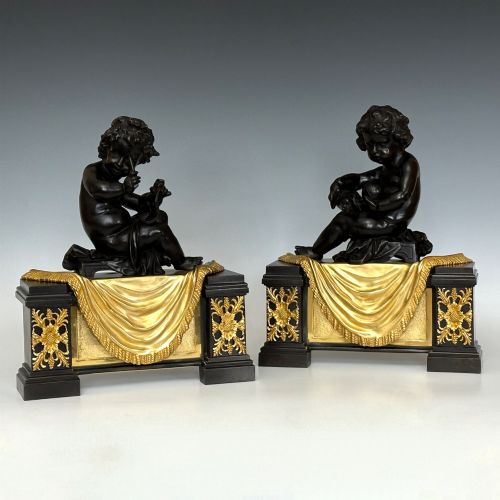
- Chenet
- An alternative term for an andiron used to support logs in an open fireplace. Pairs of these decorative metal supports often incorporated classical figures and putti on the visible front feet.
Antique Bronze Cherub: Frequently Asked Questions
What is the difference between a cherub and a putto?
In art history terminology, a putto represents a secular mythological infant figure, while a cherub possesses celestial or angelic connotations. Nineteenth-century makers and modern trade descriptions frequently use both terms interchangeably for winged child figures.
Buyers will find that physical representations on clocks, lamps, and candelabra share identical styling regardless of which term appears in the listing title.
Were these bronze figures originally meant for lighting?
Many surviving pieces were specifically engineered to hold candles or accommodate later electrification for oil and electric lighting. Candlesticks, wall sconces, and chandeliers frequently integrated putti into the structural arms and drip pans.
Other items began as purely decorative sculptures, desk ornaments, or furniture mounts before being adapted into table lamps during subsequent decades.
What is a Grand Tour bronze?
Grand Tour bronzes are small-scale replicas of classical antiquities collected by travellers touring European artistic capitals during the nineteenth century. These items include miniature sculptures, oil lamps, and architectural fragments cast in bronze.
They served as portable academic souvenirs for wealthy collectors wishing to display classical taste within their domestic interiors.