



Bronze Tabletop Statue
A bronze tabletop statue brings classical myth and modernist grace to a desk or mantelpiece, shaped by sculptors who mastered metal casting.
What these pieces are
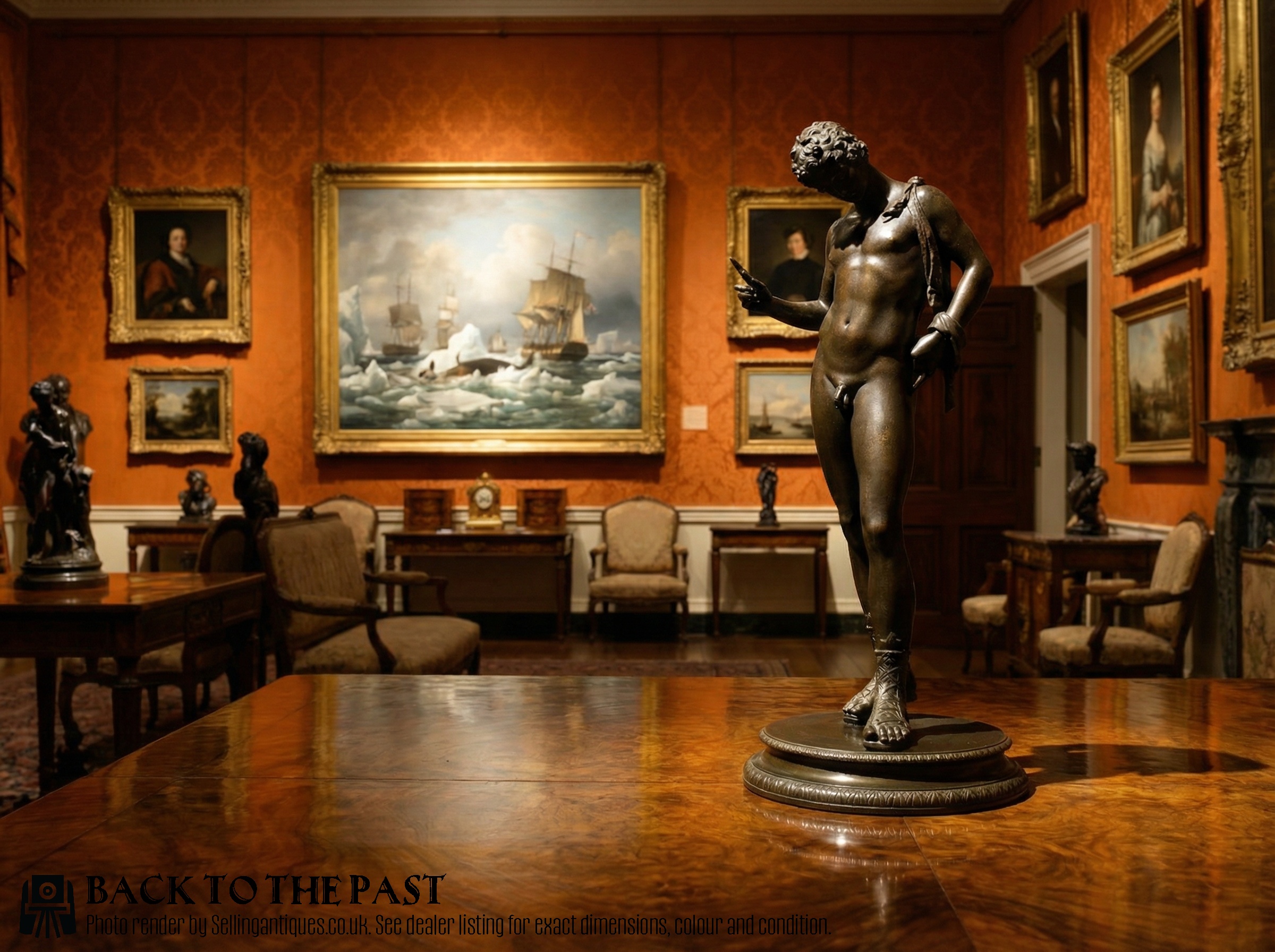
A bronze tabletop statue is a portable sculpture cast in metal, designed to sit upon furniture rather than stand on a floor pedestal. When searching for a bronze tabletop statue, collectors encounter figures ranging from mythological subjects to modern dancers.
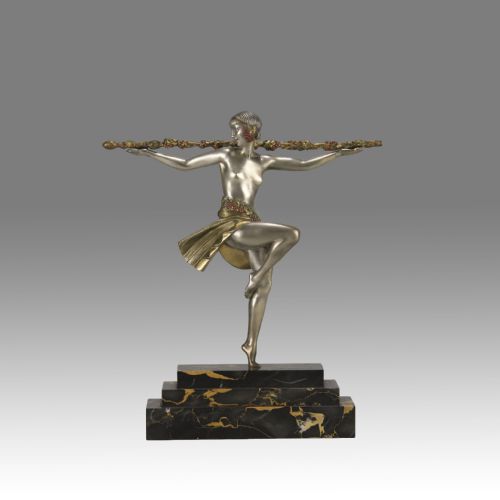
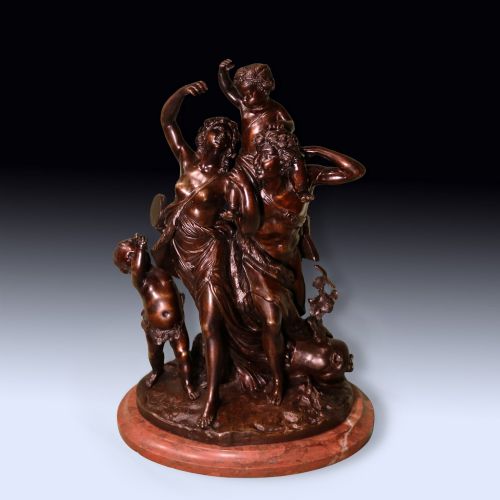
The selections span distinct eras, including Classical Revival, Art Nouveau, and Art Deco pieces from the nineteenth and twentieth centuries. Subjects vary from figures of Bacchus and Narcissus to cherubs and dancing girls.
French and American workshops produced many of these works, alongside Grand Tour souvenirs collected during European travels. These sculptures often feature integral bases of marble or wood to support the cast metal.
How they were made
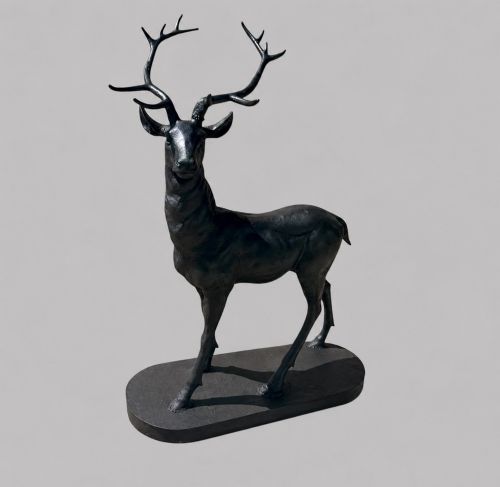
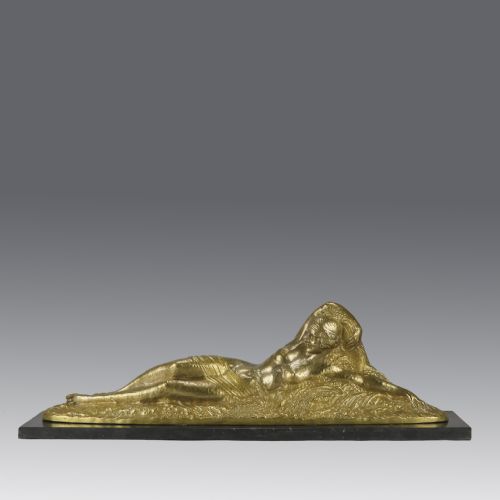
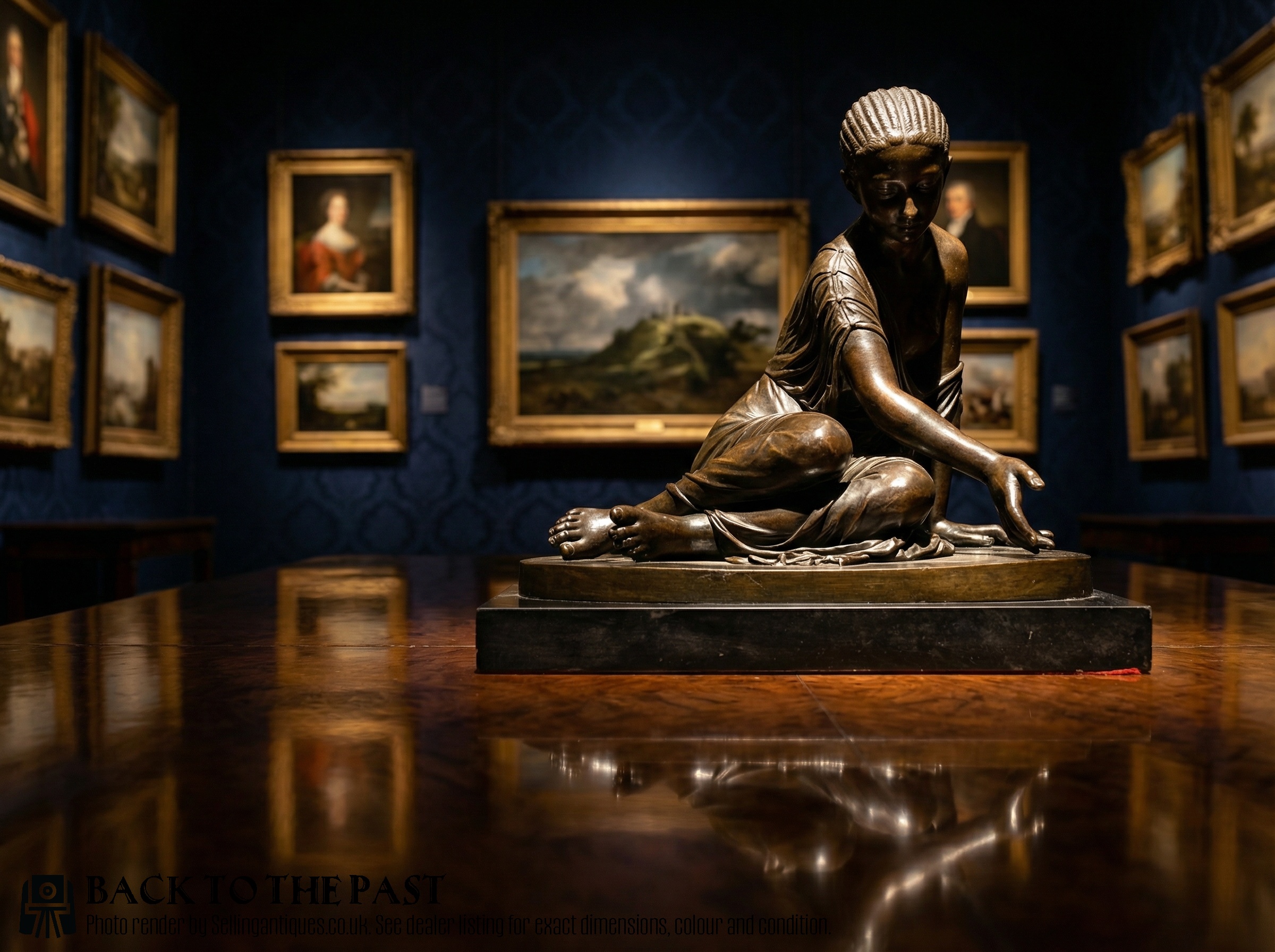
These sculptures utilise cast bronze, sometimes enhanced with gilt or dark patination to define the musculature and drapery. Artisans poured molten metal into moulds before finishing the surfaces by hand with chisels and files.
Many works combine materials, mounting patinated or gilt bronze figures upon turned wooden plinths or polished marble bases. The integration of stone and wood provides stability for these smaller tabletop compositions.
Retail Price Guide 2026
Typical UK retail prices for bronze tabletop statue, calculated from the Sellingantiques database of over a million retail prices indexed since 2003. This retail price guide relies exclusively on Sellingantiques data; no external sources or auction records are used, so the figures do not describe the wider market.
One charming nineteenth-century bronze sculpture bears the enigmatic title Astralizontes.
What varies in quality
The weight and selection of the base material also distinguish the work, as dense marble and well-turned timber elevate the presence of the bronze. Artistry in capturing movement, whether a dancer or a mythological figure, separates standard foundry production from exceptional sculpture.
Mario Korbel·D.H. Chiparus
The Bronze Tabletop Statue Glossary
- Bronze
- An alloy of copper and tin traditionally used for durable metal casting. It accepts various chemical patinas to produce green, brown, or near-black surface colours.
- Patination
- The surface coloration applied to bronze through chemical treatments or heat. This finish protects the metal and accentuates sculptural details by creating tonal contrast.
- Grand Tour
- A traditional journey through Europe undertaken by upper-class scholars and collectors. Travellers frequently acquired small bronzes copied from ancient sculptures as mementoes.
- Gilt bronze
- Metal coated with a thin layer of gold or gold leaf to create a bright, reflective surface. This technique highlights specific areas of a sculptural composition.
- Classical Revival
- An artistic movement inspired by the art and architecture of ancient Greece and Rome. Sculptors working in this style recreated mythological figures and ancient archaeological discoveries.
Frequently Asked Questions
How do I care for bronze?
Bronze requires minimal maintenance, needing only occasional dusting with a soft, dry cloth. Avoid using liquid cleaners or polishes that can strip the original patina.
Keeping the sculpture away from damp environments helps protect both the metal and any attached marble or wooden bases.
What is a Grand Tour bronze?
Grand Tour bronzes are small sculptures purchased by travellers visiting European antiquities during the eighteenth and nineteenth centuries. They typically replicate famous classical statues found in Italian museums and excavations.
These pieces allowed collectors to bring classical art back to their homes.
How do I identify Art Deco bronzes?
Art Deco bronzes feature stylized forms, dynamic movement, and clean lines typical of the interwar period. They frequently depict dancers, nudes, and modern subjects influenced by contemporary fashion.
Many incorporate contrasting materials like marble bases to complement the metallic figures.