




Italian Bronze Sculpture
When you search for italian bronze sculpture, you encounter cast metal antiquities and classical reductions that brought ancient worlds into nineteenth-century drawing rooms.
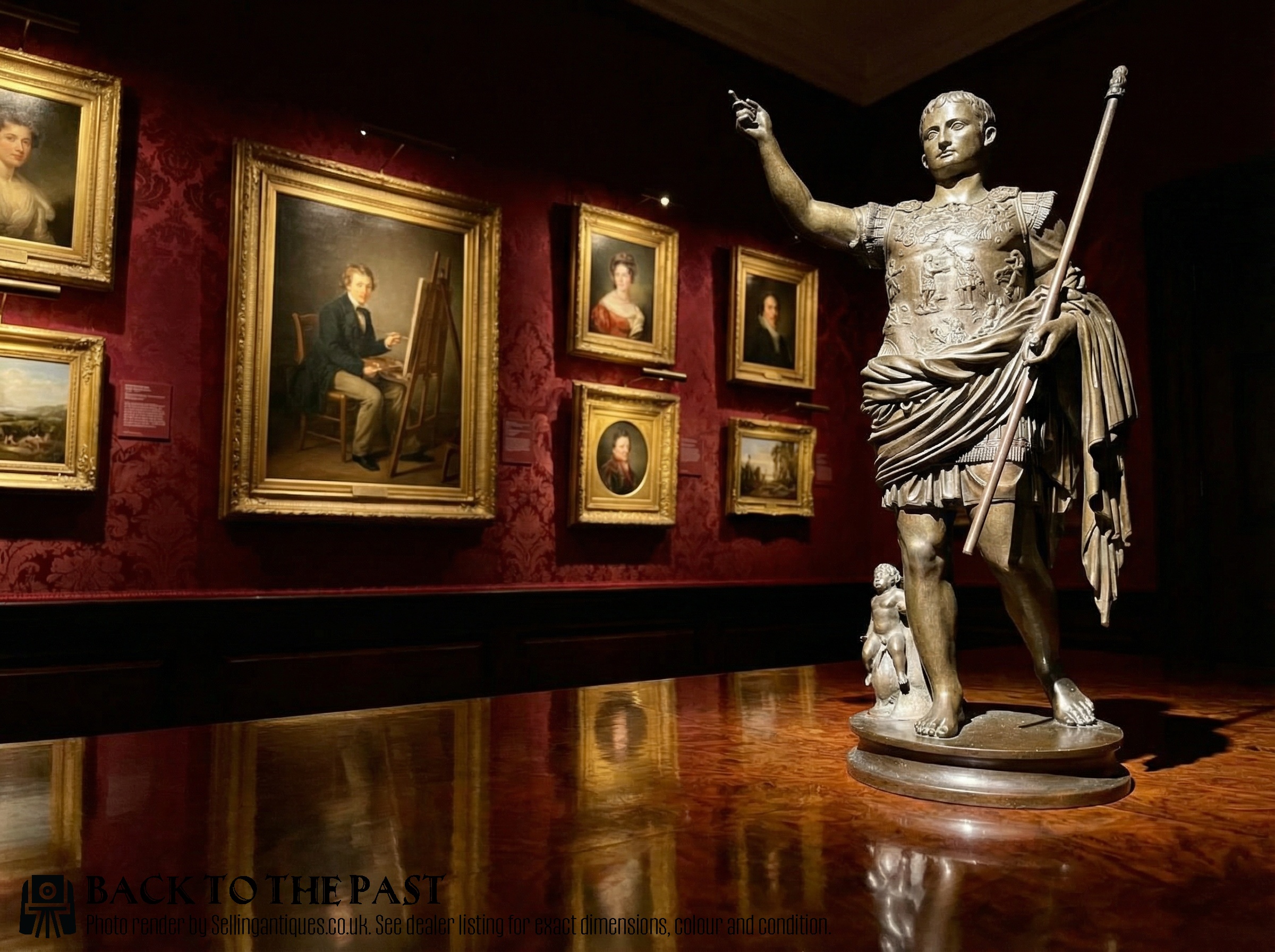
What these pieces are
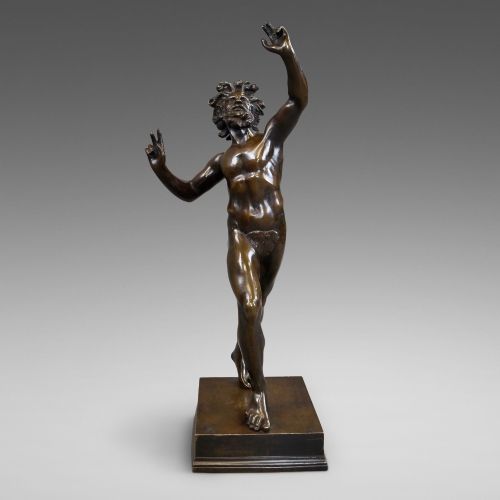
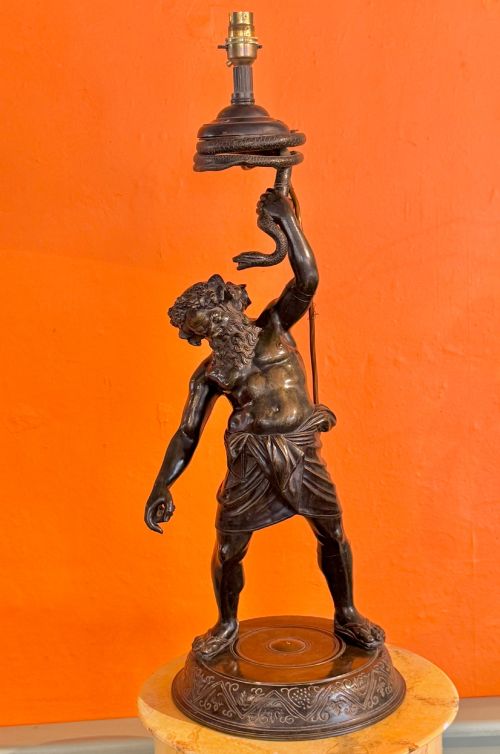
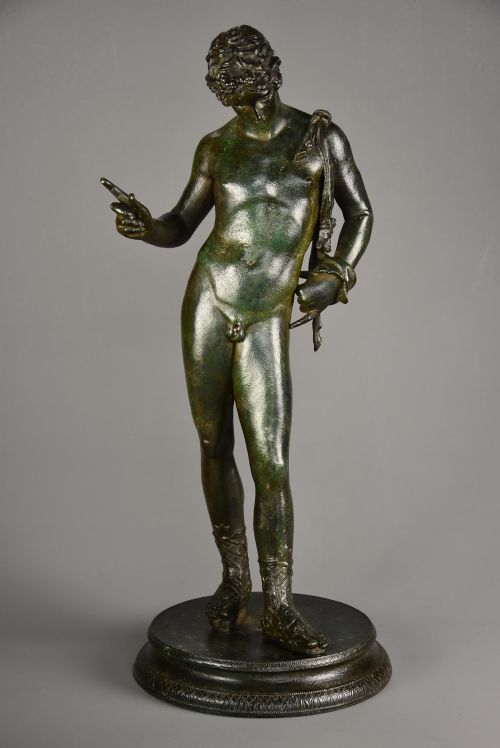
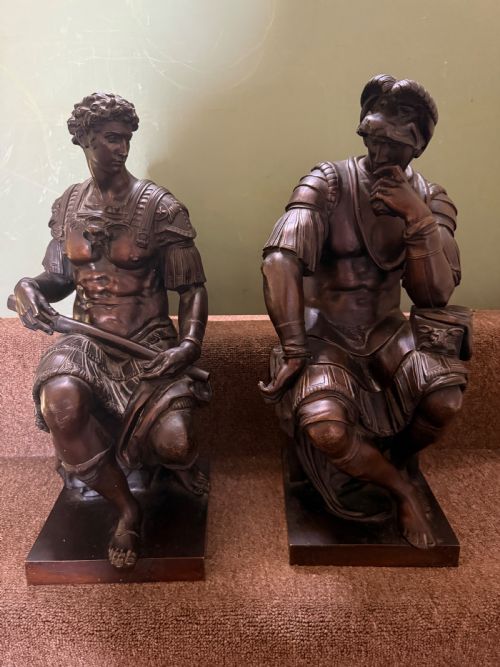
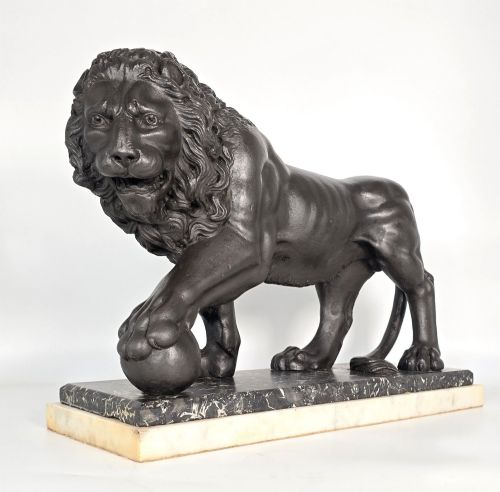
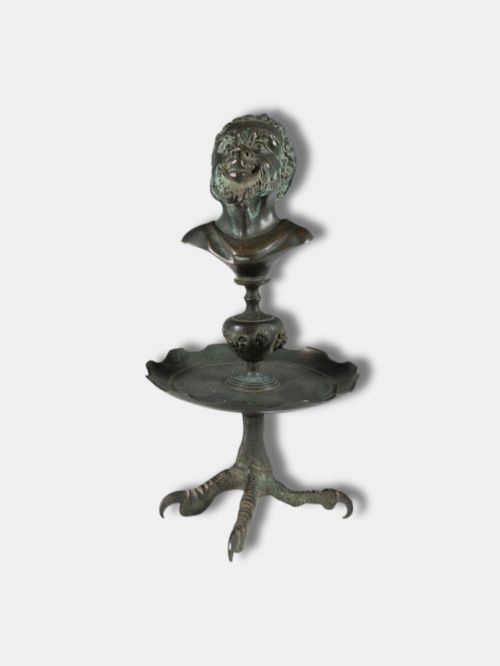
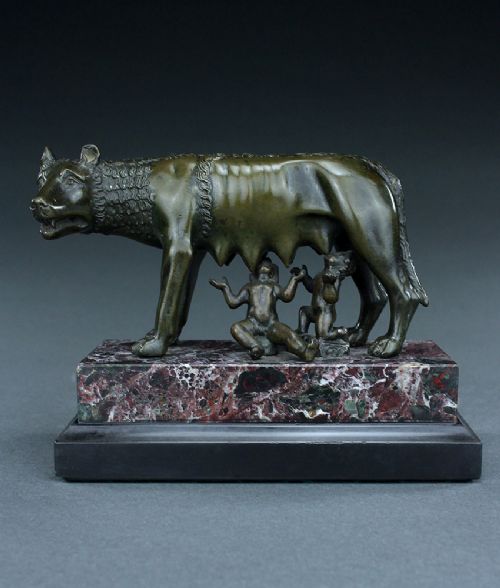
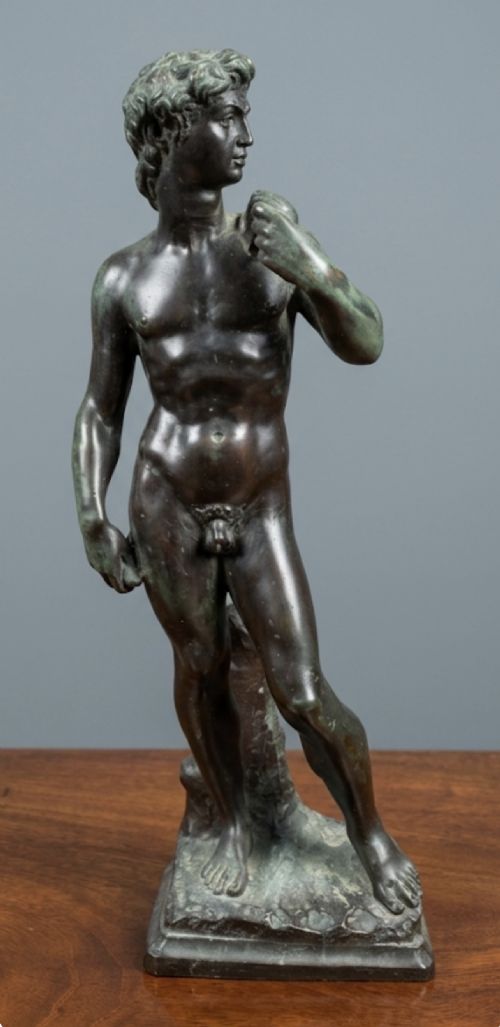
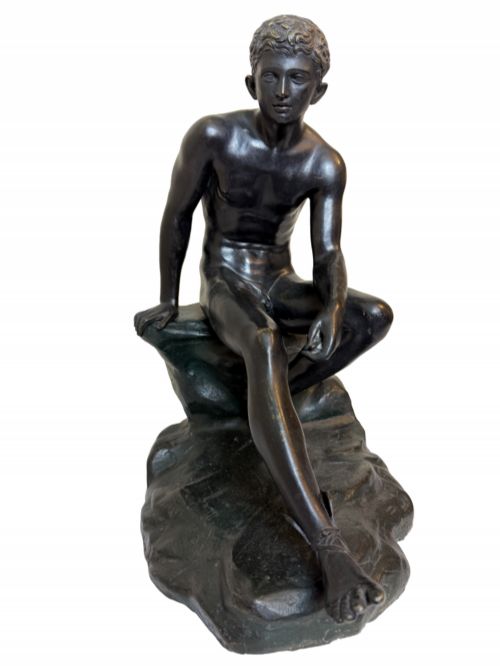
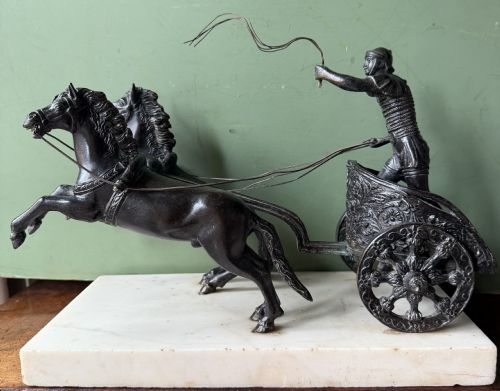
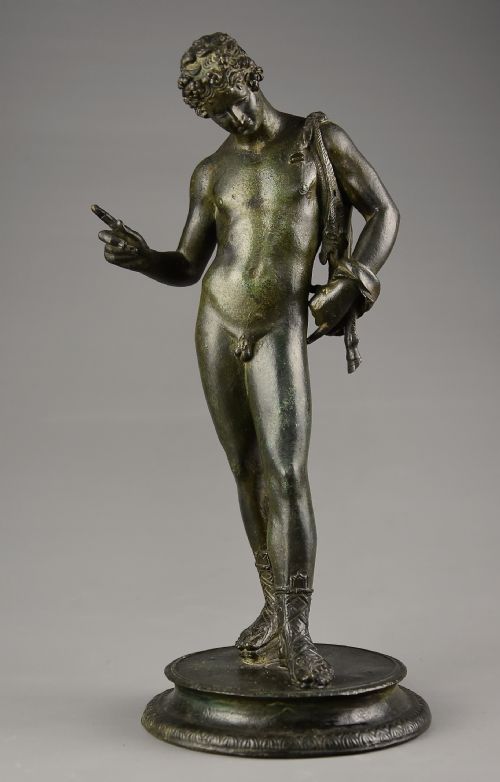
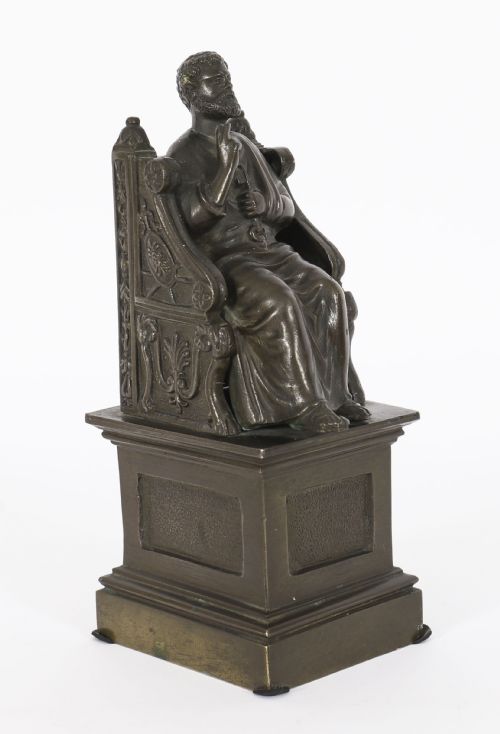
An italian bronze sculpture typically takes the form of a classical antiquity reduction, a Grand Tour souvenir, or a nineteenth-century figure study cast in workshops across Italy. You will frequently find subjects drawn from mythology and ancient sculpture, including depictions of Narcissus, Mercury, dancing fauns, and mythological animals.
The objects range from small cabinet studies mounted on marble plinths to larger figurative bronzes produced during the nineteenth and early twentieth centuries. Many pieces replicate famous classical statues found in Italian museums, capturing the Neoclassical taste of collectors who travelled the continent.
How they were made
Foundries utilised traditional lost-wax casting and sand-casting methods to shape the molten metal into complex figurative forms. Artisans then applied chemical patination, silvering, or hand-chasing to the surface to accentuate anatomical details and drapery.
Many of these bronzes were paired with bases of white marble, rouge marble, or carved alabaster, secured by threaded pins or fixings beneath the plinth.
Retail Price Guide 2026
Typical UK retail prices for italian bronze sculpture, calculated from the Sellingantiques database of over a million retail prices indexed since 2003. This retail price guide relies exclusively on Sellingantiques data; no external sources or auction records are used, so the figures do not describe the wider market.
Dated examples span from the eighteen-sixties through the nineteen-thirties, capturing the long nineteenth-century revival of classical casting.
What varies in quality
The selection and density of the supporting stone plinth, along with the depth and warmth of the patination, distinguish workshop standards across different periods.
Vincenzo Gemito·Ferdinando de Luca·Emilio P. Fiaschi·Vincenzo Aurisicchio·Alberto Saccardi·Chiurazzi & Fils·Merculiano
The Italian Bronze Sculpture Glossary
- Grand Tour
- A traditional journey through Europe undertaken by upper-class European young men of the eighteenth and nineteenth centuries to study the arts and classical antiquities. Souvenirs purchased along the way included bronze reductions of famous sculptures.
- Reduction
- A scale copy of a larger statue or monument, produced in bronze to allow collectors to display classical masterworks within domestic interiors.
- Patination
- The chemical or natural alteration of the bronze surface colour over time, often enhanced by founders to create rich brown, black, or greenish tones.
- Chasing
- The manual finishing process where metalworkers use small tools to refine the surface of a cast bronze after it leaves the mould.
Frequently Asked Questions
What is a Grand Tour bronze?
A Grand Tour bronze is a small-scale souvenir cast in Italy during the nineteenth century, reproducing famous classical sculptures encountered by travellers.
These pieces allowed collectors to bring the heritage of Roman and Greek antiquities back to their homes.
Why are some bronzes mounted on marble?
Foundries often mounted figures onto marble or alabaster plinths to provide stability and create an architectural display base.
This method mirrored the presentation of museum antiquities and added weight to smaller cabinet sculptures.
How do I identify the subject of a sculpture?
Subjects are typically identified through classical attributes, such as winged sandals for Mercury or ivy wreaths for Dionysus.
Inscriptions on the base or the pose itself often reference well-known statues from Italian galleries.
Are all these pieces from the nineteenth century?
While the majority of pieces date from the nineteenth century, production spans from the early nineteenth century through to the early twentieth century.
Stylistic shifts reflect changing tastes from strict Neoclassicism towards later revival movements.