
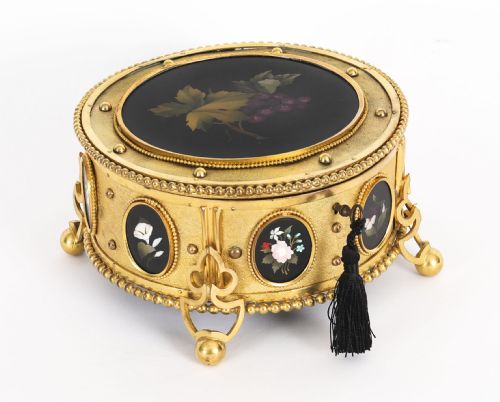
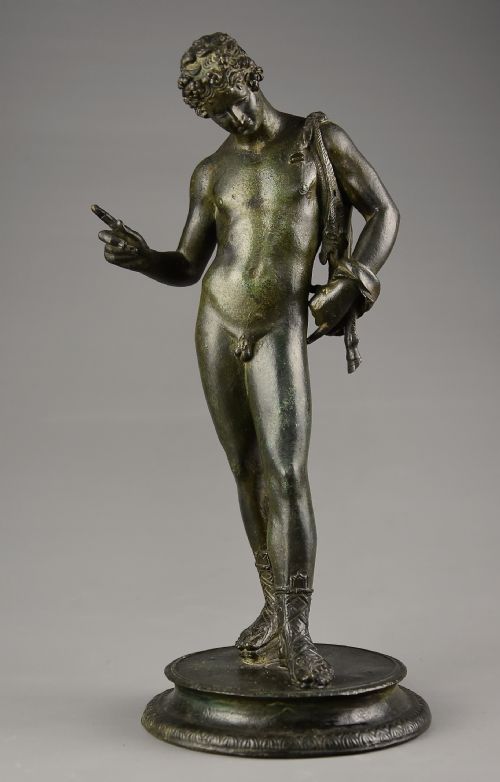
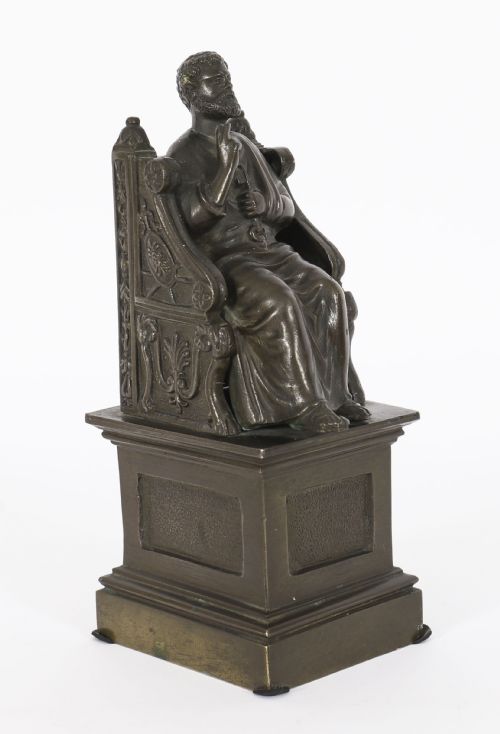

Victorian Grand Tour Bronze
These pieces of victorian grand tour bronze bring classical antiquity and nineteenth-century craftsmanship into your home through reduced sculptures, urns, and inkwells.
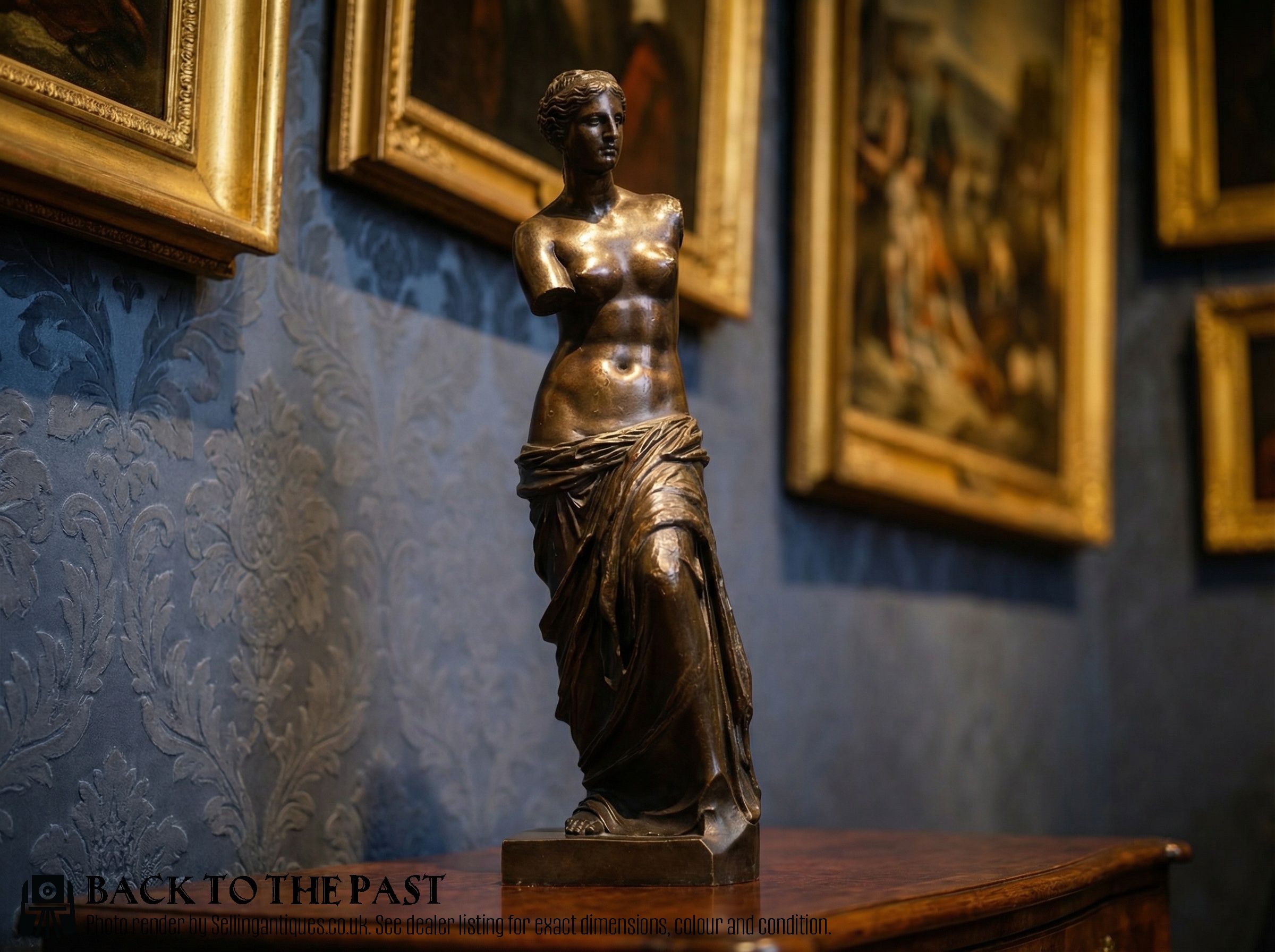
Victorian Grand Tour Bronze
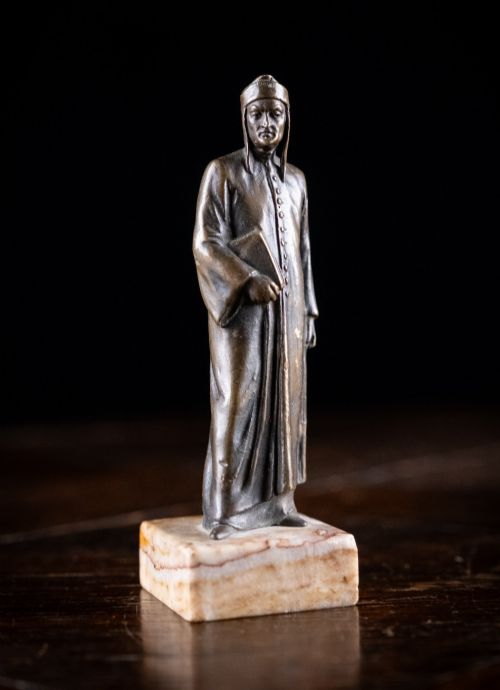
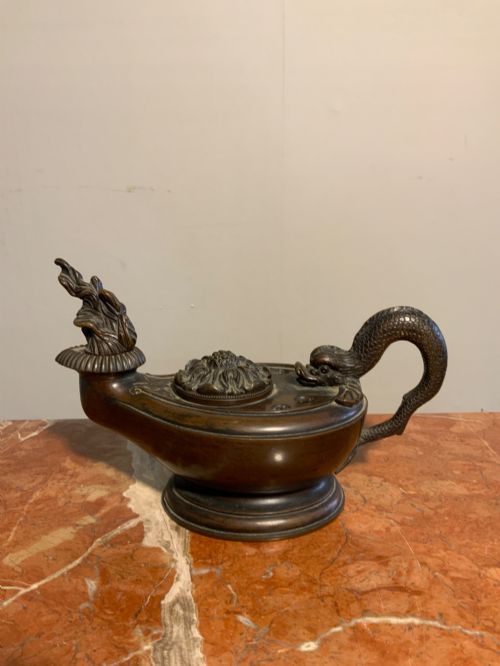
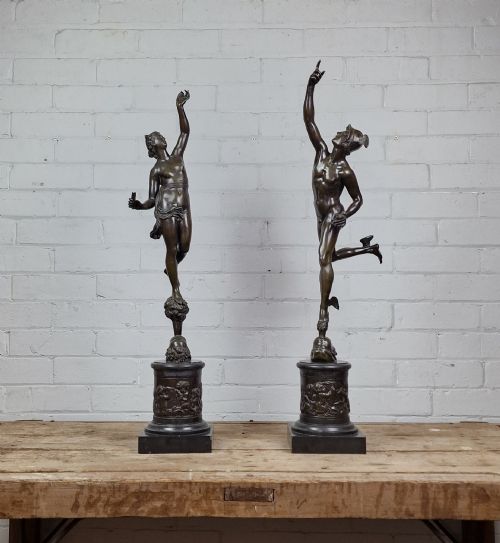
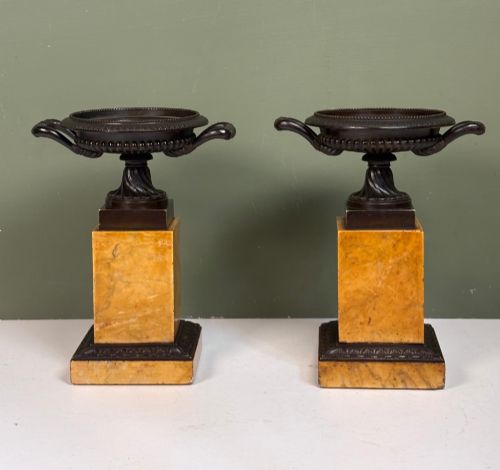
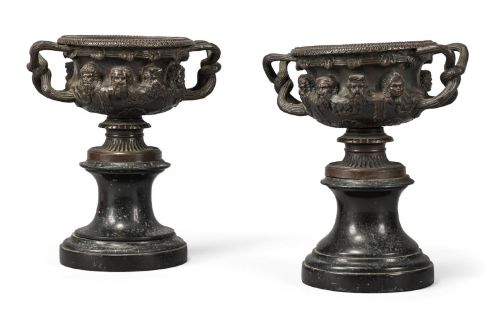
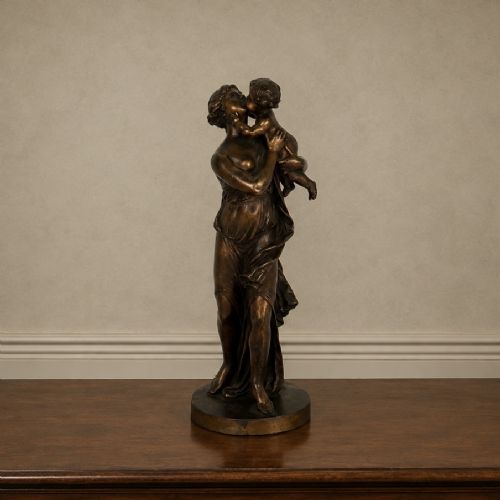
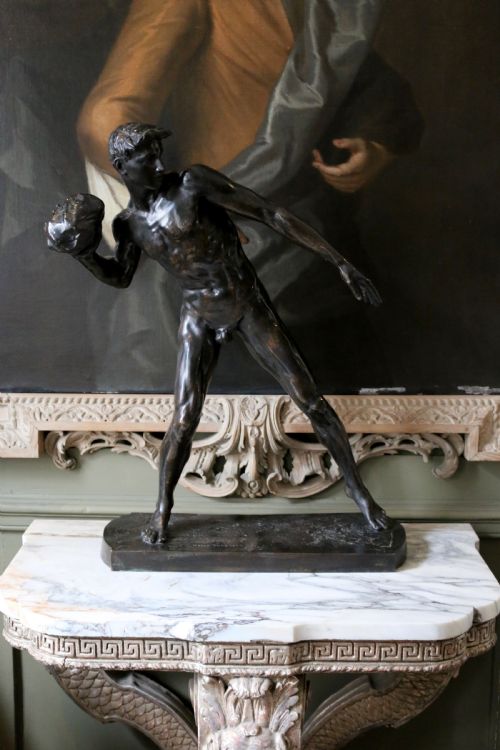
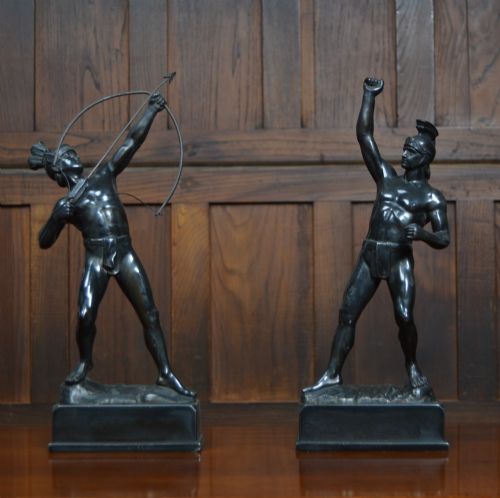
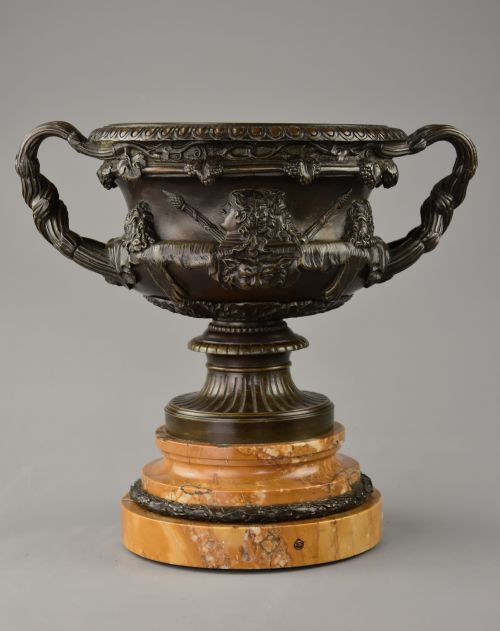
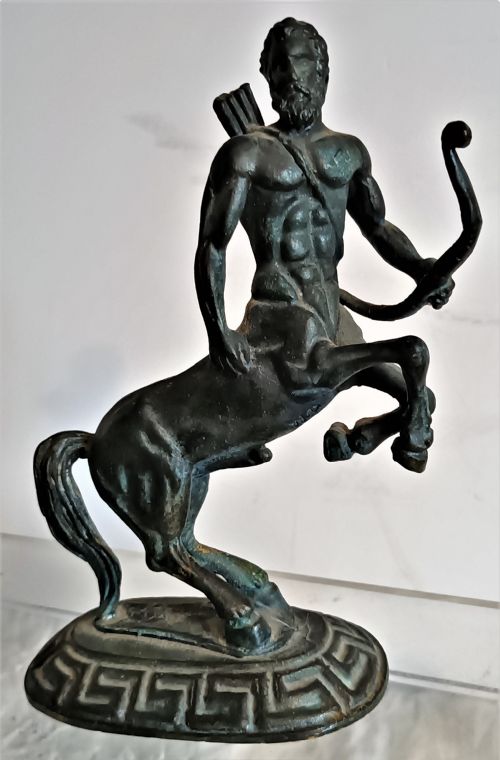
When searching for victorian grand tour bronze, you encounter miniature reductions of famous ancient statues, architectural urns, and decorative inkwells that nineteenth-century travellers collected across Italy. The most common forms on this page include patinated bronze figures of mythological subjects, classical vases such as the Warwick vase, and desk accessories mounted on marble bases.
These items span the nineteenth century, with specific dates clustering through the eighteen-sixties, eighties, and nineties. Makers adapted ancient Greek and Roman motifs into portable cabinet bronzes and decorative household objects for the British and European elite.

How they were made
Foundries used traditional casting techniques to shape bronze, brass, and gilt bronze into detailed figures and vessels. Artisans then applied dark patination or chemical treatments to simulate ancient patinas, frequently mounting the finished metalwork onto heavy black marble or slate plinths.
Many pieces incorporate mixed materials, pairing cast bronze with inlaid stone such as pietra dura or resting on wooden pedestals. Surface chasing and cold-working refined the details of hair, drapery, and facial expressions after the initial casting cooled.
Victorian Grand Tour Bronze Retail Price Guide 2026
Typical asking prices for victorian grand tour bronze among the pieces listed under this phrase on Sellingantiques today, from the lower quarter to the upper quarter. They describe what is for sale here now, not the wider market.
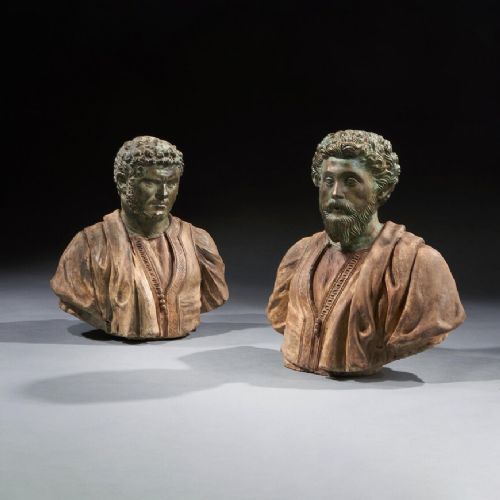
Nineteenth-century travellers routinely packed heavy bronze sphinxes and miniature emperors into their luggage.
What varies in quality
The choice of mounting materials also dictates quality, with substantial bases of polished black marble or quality slate elevating a sculpture. Superior proportions and a nuanced, stable patination indicate a more accomplished foundry production.

Hamo Thornycroft·Jean Jules Salmson
The Victorian Grand Tour Bronze Glossary
- Patinated bronze
- Bronze that has been treated with chemicals to produce a specific surface colour, often dark brown or green. This finish protects the metal and mimics the appearance of buried antiquities.
- Warwick vase
- A celebrated ancient Roman marble krater discovered in Hadrian's Villa and reproduced in various scales. Founders cast these classical vessels in bronze as decorative centerpieces and cache-pots.
- Reduction
- A scale copy of a larger monument or statue, cast smaller to fit a domestic interior. These allowed collectors to own miniature bronze versions of famous museum sculptures.
- Pietra dura
- An inlay technique using cut and fitted polished coloured stones to create geometric or pictorial designs. It appears on Italian boxes and bases associated with nineteenth-century decorative arts.
- Spelter
- A zinc alloy frequently used as a cheaper, lighter substitute for bronze. It was cast into figures and painted or patinated to resemble true bronze.
Victorian Grand Tour Bronze: Frequently Asked Questions
What is a grand tour bronze?
These are nineteenth-century metal casts of classical sculptures, urns, and architectural ruins collected by travellers journeying through Italy. They served as sophisticated souvenirs of classical education and cultural travel.
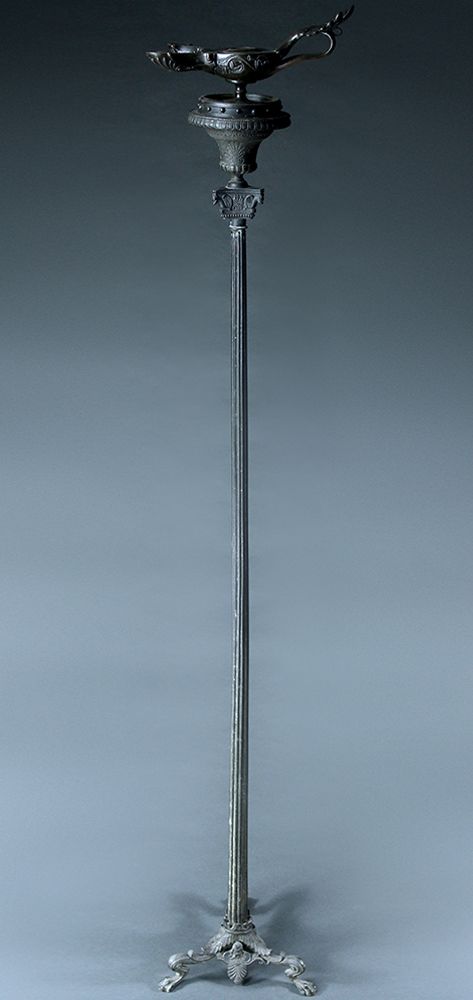
Foundries in Italy and Britain produced them in various sizes, ranging from desk-sized inkwells to floor-standing lamps, utilising bronze, brass, and patinated finishes.
Are these pieces actually ancient?
No, despite depicting ancient Roman and Greek subjects, these items date from the nineteenth century. They were created during the Victorian era as inspired interpretations and reductions of classical antiquities.
Stylistic details, casting methods, and the presence of nineteenth-century materials like slate and black marble help distinguish them from older works.
Why are some figures mounted on marble?
Mounting bronzes on heavy marble or slate plinths provided structural stability for tall or slender figures. It also mirrored the presentation of museum sculptures in European collections.
Dark marble bases complement the patinated metal and protect furniture surfaces from scratches during everyday use.