



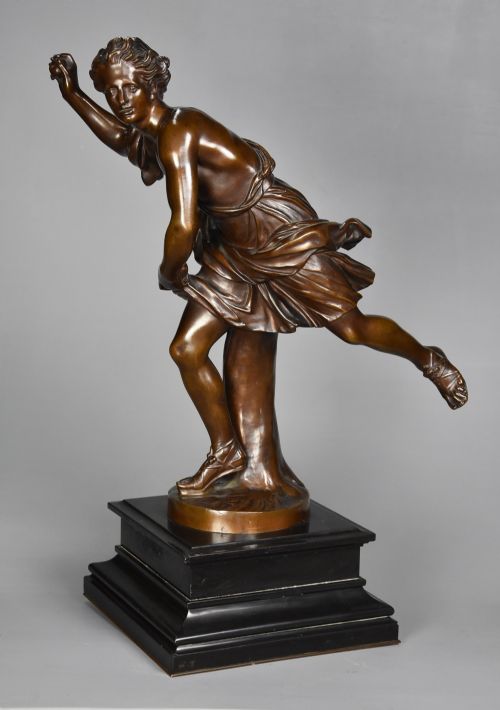
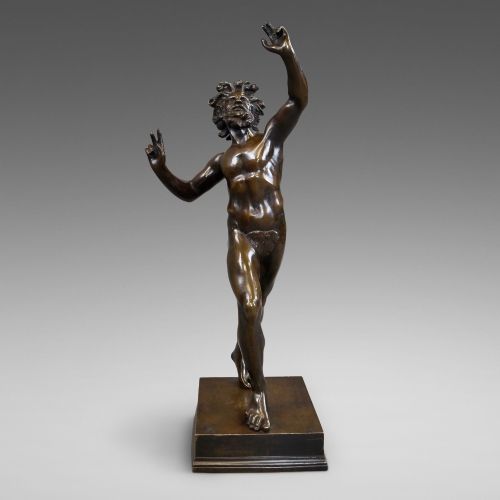
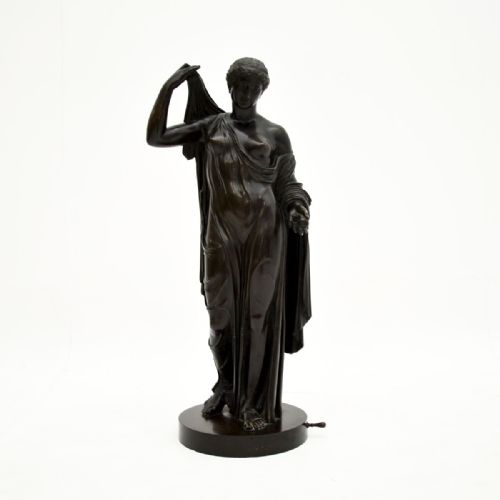
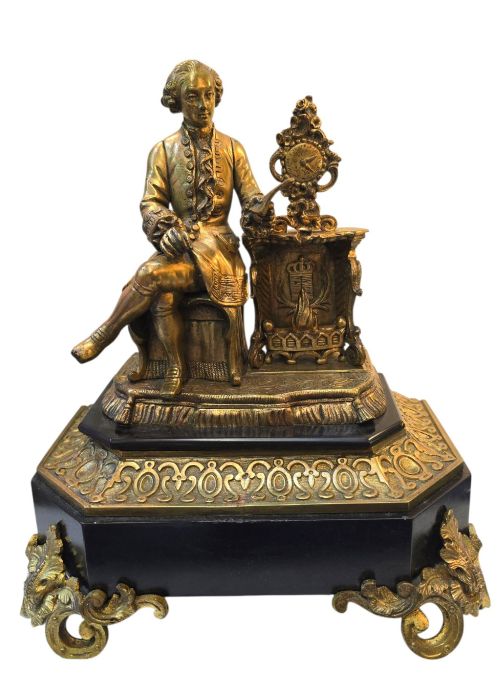
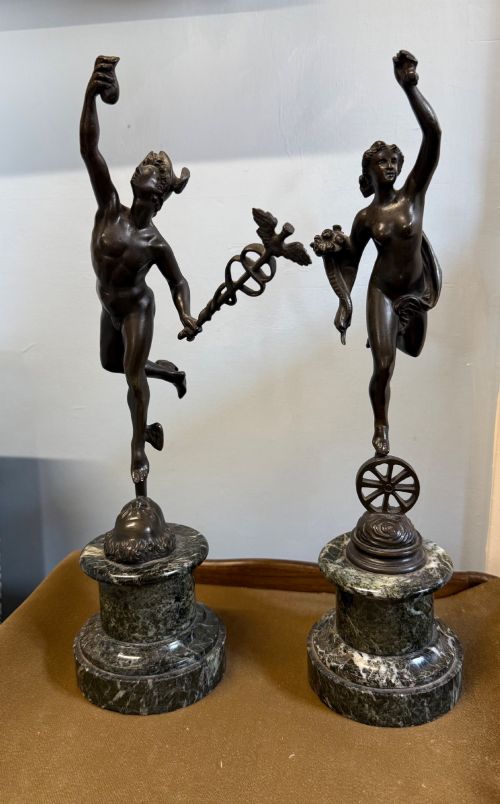
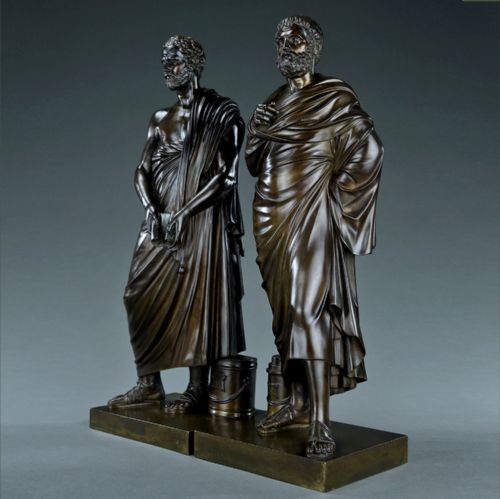
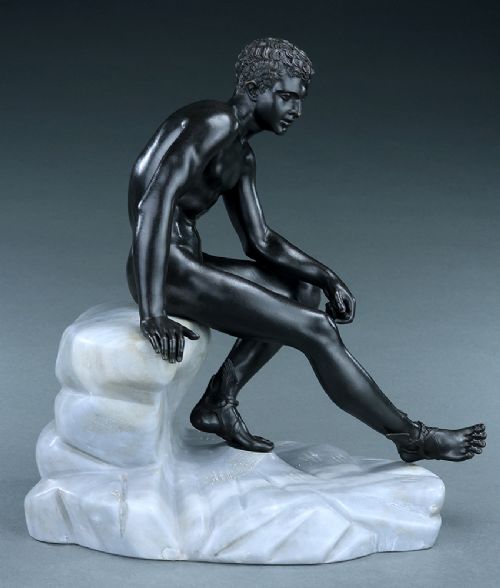
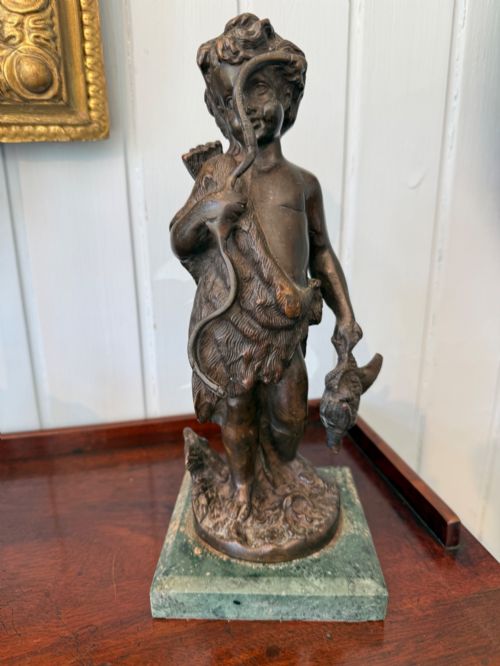
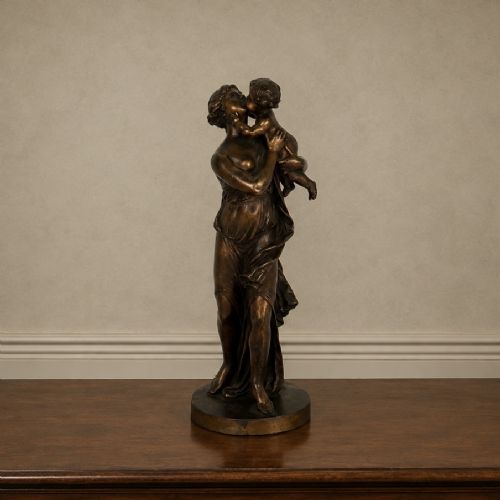
Neoclassical Bronze Statue
These neoclassical bronze statue pieces capture ancient myth and classical form, bringing the dignity of the antique world straight into a room.
How they were made
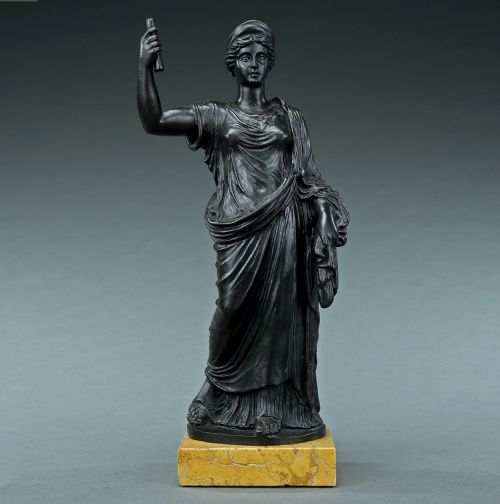
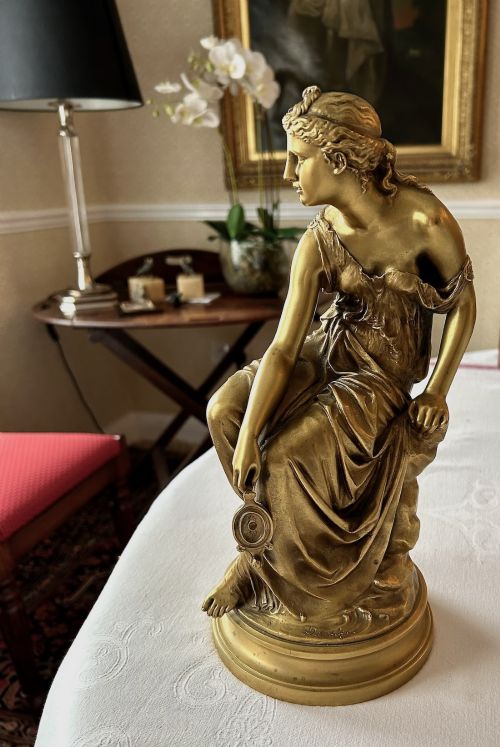
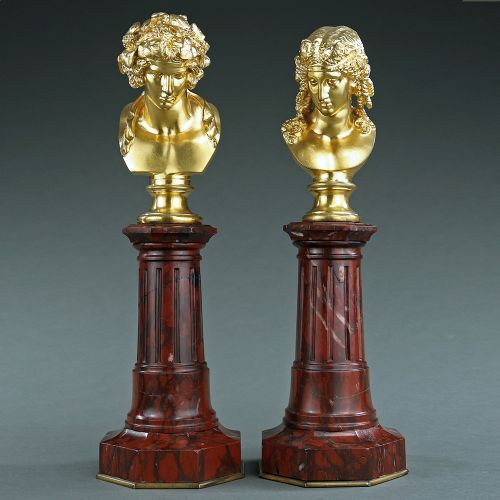
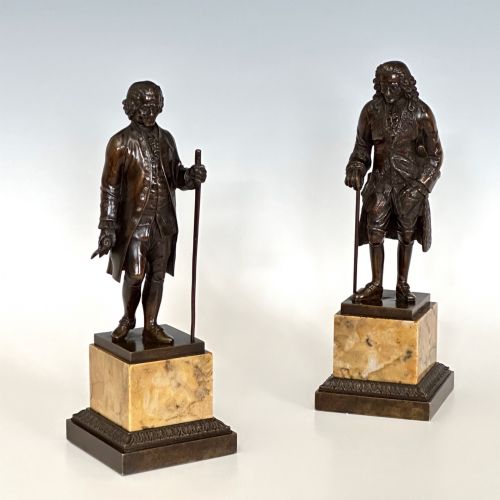
Foundries utilised traditional lost-wax casting methods to capture intricate musculature, drapery folds, and facial expressions in molten metal. The resulting bronze surfaces received varied finishes, including dark patination, bright gilding, or verdigris treatments.
Many sculptures incorporate secondary elements, mounting the primary metal work onto bases made from marble, ormolu, brass, and glass. This combination of materials provided both structural stability and visual contrast for the antique forms.
What varies in quality
The crispness of the chasing and the fidelity of the cast distinguish exceptional examples from standard production. Superior founders preserved fine details in hair, fingers, and inscriptions without relying on heavy post-casting filing.
The choice and integration of the mounting plinth also indicate quality. Dense, well-figured marble bases fitted precisely to the bronze show a higher standard of workshop assembly.
Neoclassical Bronze Statue Retail Price Guide 2026
Typical asking prices for neoclassical bronze statue among the pieces listed under this phrase on Sellingantiques today, from the lower quarter to the upper quarter. They describe what is for sale here now, not the wider market.
Recorded periods stretch from the mid-nineteenth century through the early twentieth century, encompassing the Victorian era.
Etienne-Henri Dumaige·Ferdinand Barbedienne·Émile Louis Picault·Carrier-Belleuse
The Neoclassical Bronze Statue Glossary
- Patinated bronze
- Metal treated with chemical solutions to produce a controlled surface colour, typically dark brown or green. This finish protects the underlying alloy and defines the contours of the figure.
- Grand Tour
- A cultural journey undertaken by wealthy Europeans to study classical antiquities on the continent. Travellers purchased miniature bronzes and marble busts as tangible souvenirs of their travels.
- Ormolu
- Finely ground high-carat gold applied to a bronze base using a mercury amalgam technique. This decorative treatment imparts a brilliant golden lustre to classical details.
- Torchere
- An ornamental stand or tall sculptural support originally designed to hold a light source. In this context, the term relates to architectural fixtures associated with neoclassical interiors.
- Lost-wax casting
- A process where a model is encased in wax, melted out, and replaced with molten metal. This technique allows for the reproduction of complex undercuts and subtle textures.
Neoclassical Bronze Statue: Frequently Asked Questions
What is a Grand Tour bronze?
These pieces are miniature or reduced-scale copies of famous classical sculptures collected by travellers in Italy during the eighteenth and nineteenth centuries.
Foundries in Rome, Florence, and Paris produced them to satisfy the demand for portable antiquities.
Why are marble bases used?
Marble plinths provided a stable weight foundation for slender metal figures while enhancing the classical architectural aesthetic.
Different stone varieties, including Siena and white marble, complemented the dark or gilded tones of the bronze above.
How do I identify the subject?
Subjects typically derive from classical mythology, history, or literature, identified through specific attributes like weapons, animals, or clothing.
Figures often represent deities, philosophers, or Roman soldiers recorded in ancient art.
Are these pieces hollow?
Most substantial bronze sculptures are hollow, resulting from the traditional core-casting methods used by nineteenth-century foundries.
Hollowness reduced metal weight and cooling stresses during the casting process.