





Classical Nude Sculpture
A classical nude sculpture brings the timeless poise of antique form into a room.
What these pieces are
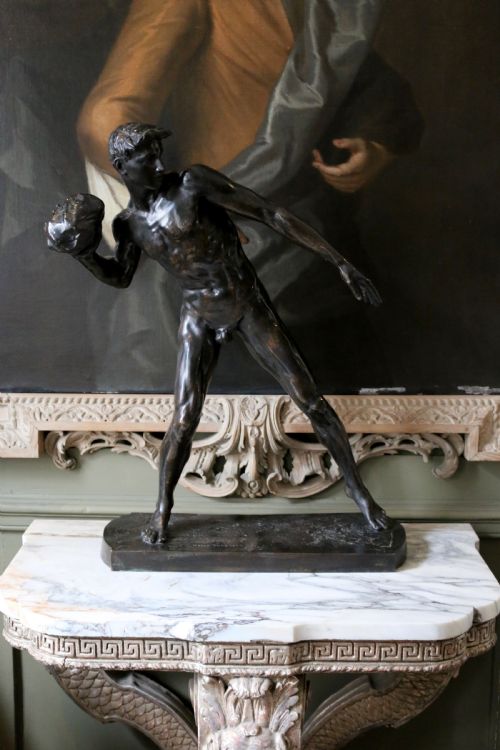
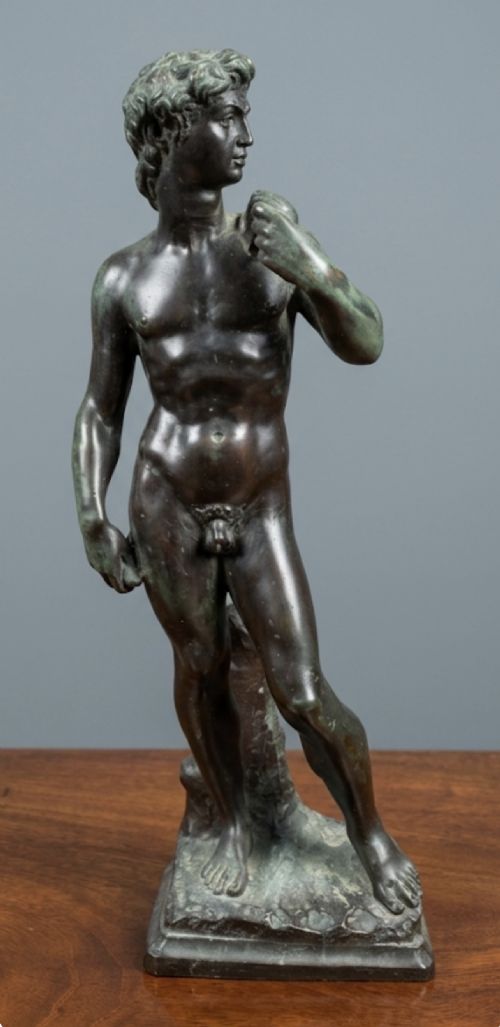
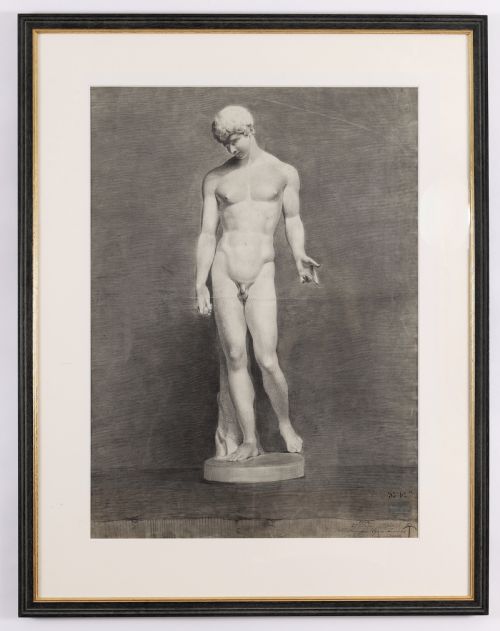
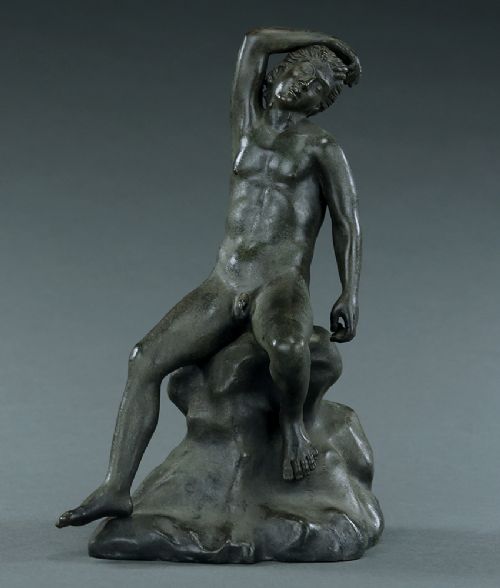
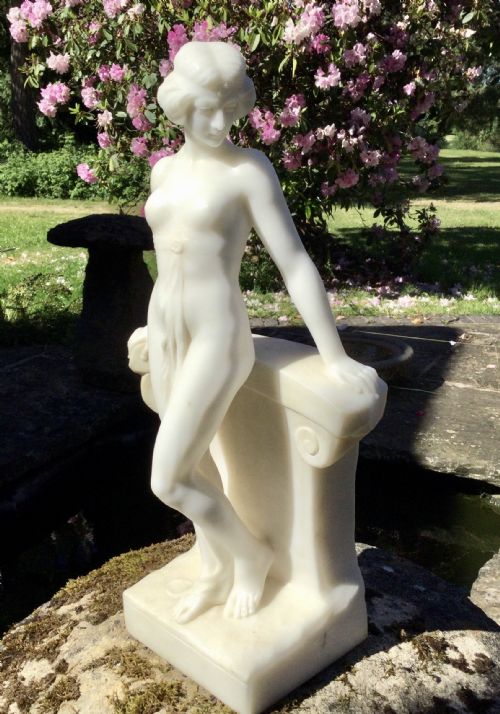
A classical nude sculpture embodies the enduring study of the human form drawn from antiquity. These works encompass freestanding figures and relief sculpture created across the nineteenth century.
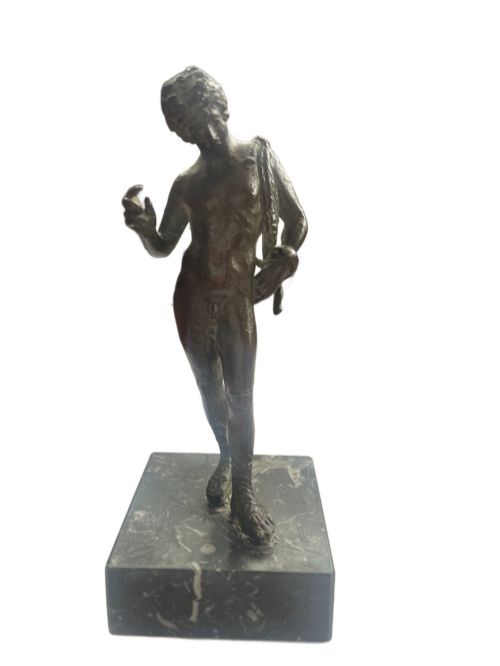
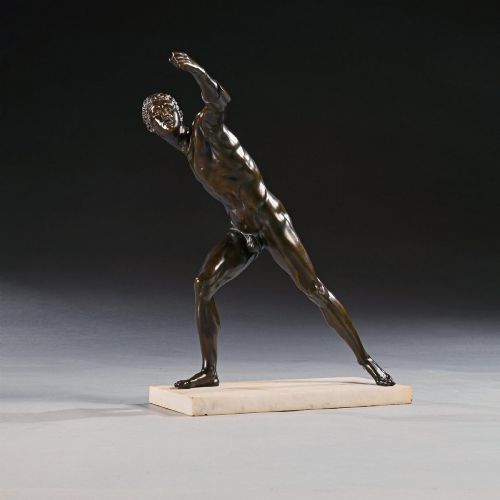
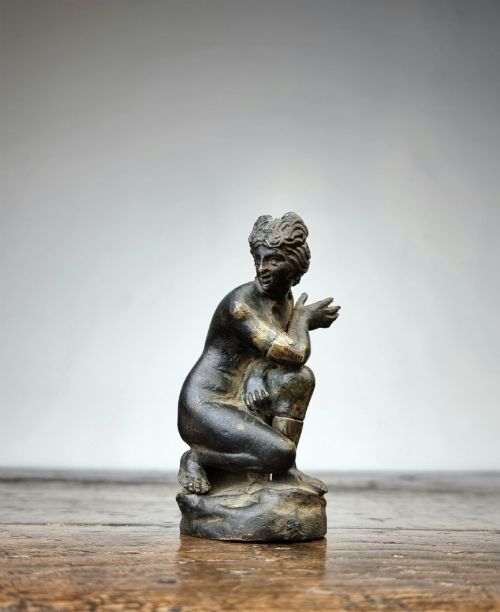
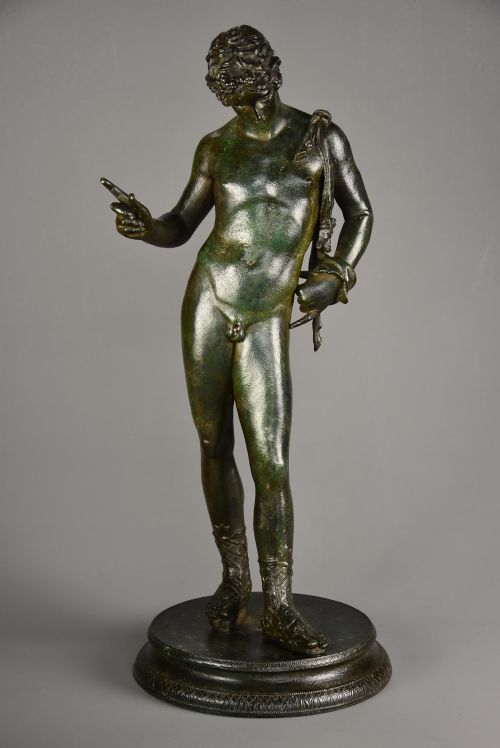
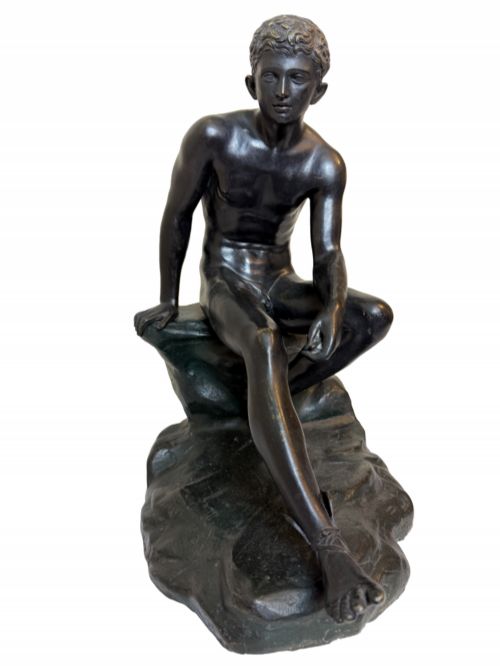
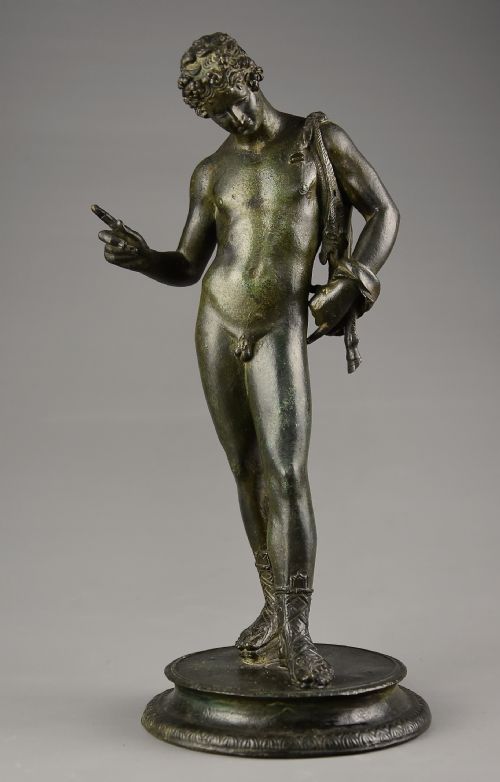
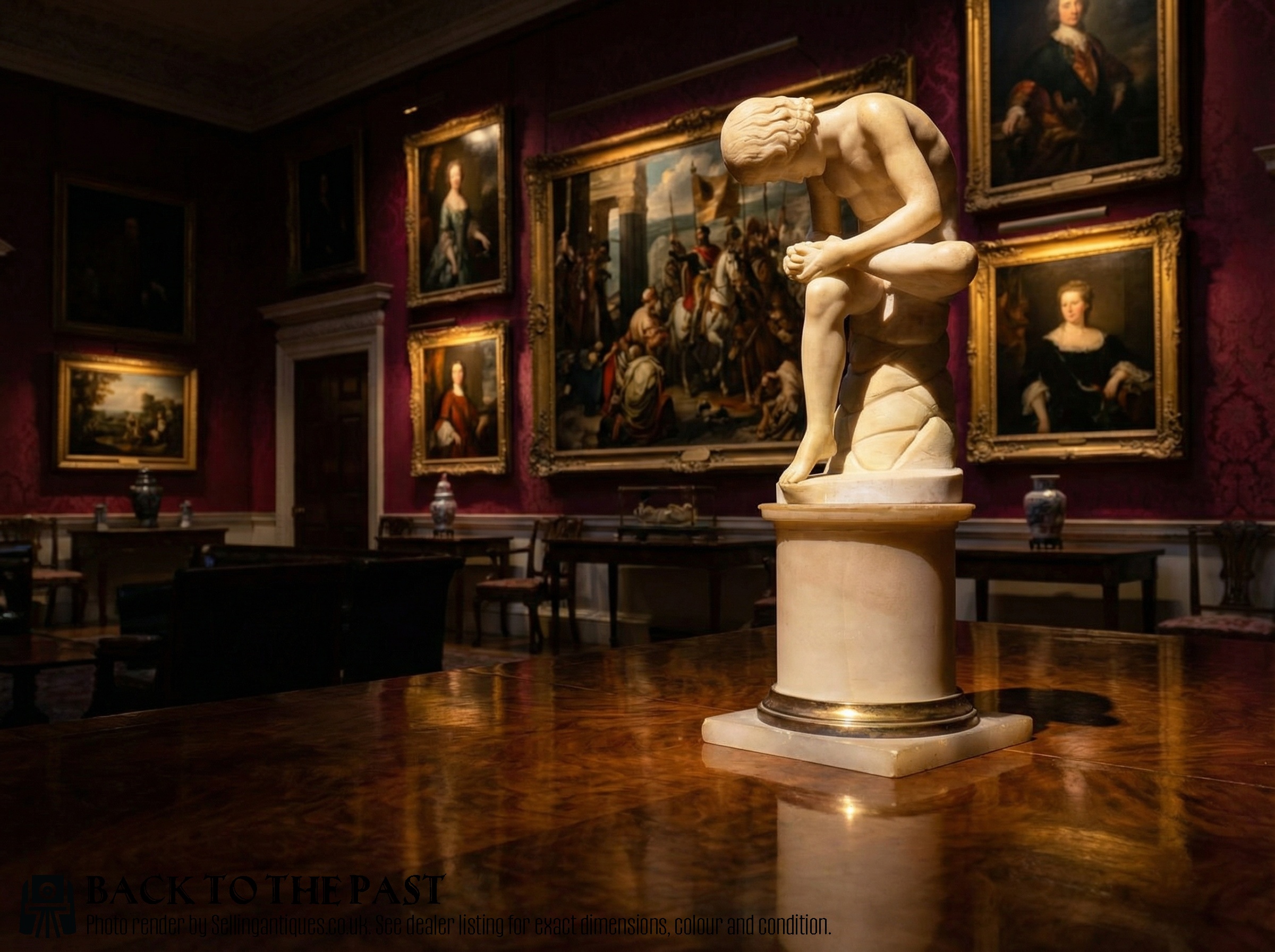
The versions most commonly met on this page include Grand Tour subjects and mythological figures such as Mercury and Narcissus, alongside depictions of the Spinario. Pieces emerge from the Neoclassical, Victorian Classical Revival, and Art Nouveau styles.
Materials span white marble, terracotta, bronze, alabaster, dark wood, and brass, often finished with a verdigris patina. Each item reflects the nineteenth-century fascination with classical antiquity and academic sculpture.
How they were made
Sculptors carved hard materials such as white marble and alabaster by hand, achieving smooth surfaces that emulate ancient Greek and Roman originals. Dark wood offers another medium for carved sculptural form.
Modelled works utilise terracotta, capturing the immediacy of the maker's touch before firing. Cast metal pieces employ bronze and brass, frequently enhanced with a verdigris patina to simulate age and classical finish.
Retail Price Guide 2026
Typical UK retail prices for classical nude sculpture, calculated from the Sellingantiques database of over a million retail prices indexed since 2003. This retail price guide relies exclusively on Sellingantiques data; no external sources or auction records are used, so the figures do not describe the wider market.
Materials documented across the inventory include white marble, terracotta, bronze, dark wood, alabaster, brass, and verdigris patina.
What varies in quality
The standard of modeling and anatomical precision defines the upper tier of these sculptures. Finer pieces demonstrate a sophisticated understanding of muscle, tension, and balance, whereas simpler examples rely on more rigid or generalized forms.
Material selection and surface finish also dictate distinction. Superior white marble and carefully patinated bronze display crisp detail and depth, while lesser works lack the subtlety of texture found in the best nineteenth-century interpretations.
The Classical Nude Sculpture Glossary
- Spinario
- A classical subject depicting a seated boy extracting a thorn from his foot. This iconic motif originates in antiquity and was frequently revisited during the nineteenth century in terracotta and alabaster.
- Grand Tour
- A traditional journey through Europe undertaken by upper-class young men to study classical art. Souvenirs brought back from these travels include miniature bronzes and terracottas of mythological subjects.
- Neoclassical
- A style of art and architecture inspired by the classical arts of ancient Greece and Rome. It emphasises symmetry, proportion, and restrained noble simplicity.
- Relief sculpture
- A sculptural technique where the figures project from a background plane rather than standing completely free. Victorian white marble examples demonstrate this flat-backed method.
- Verdigris patina
- A green or bluish coating formed naturally on copper, brass, or bronze through atmospheric oxidation. Makers often apply this finish intentionally to evoke the appearance of ancient buried statuary.
Frequently Asked Questions
What is a Grand Tour sculpture?
A Grand Tour sculpture is a portable antique souvenir purchased by travellers in Europe during the nineteenth century. These pieces typically depict famous classical statues in bronze or terracotta.
They allowed collectors to bring the heritage of Rome and Greece directly into their homes.
How do I identify white marble from alabaster?
White marble is a hard metamorphic rock with a crystalline structure and subtle grey veining. Alabaster is a softer, translucent mineral that transmits light more readily when held near a source.
Marble feels colder to the touch and resists scratching compared to the softer alabaster.
Where should I display a bronze figure?
Bronze figures require a stable surface away from direct moisture and extreme temperature fluctuations. Placing them on a sturdy console or desk allows the detailed patina to be appreciated.
Good lighting from the side emphasises the musculature and contours of the nude form.
What distinguishes nineteenth century sculpture?
Nineteenth century sculpture frequently revives Greek and Roman aesthetic ideals through academic training and technical precision. Workshops produced both high-end gallery pieces and refined cabinet bronzes.
Materials range from traditional marble to patinated bronze and terracotta.