
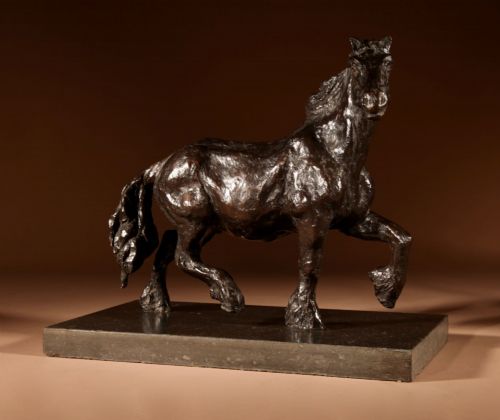
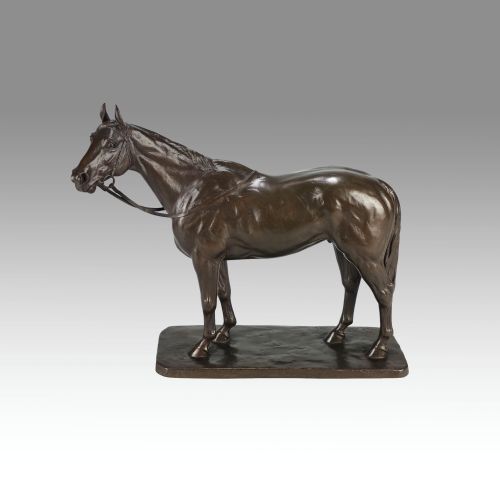
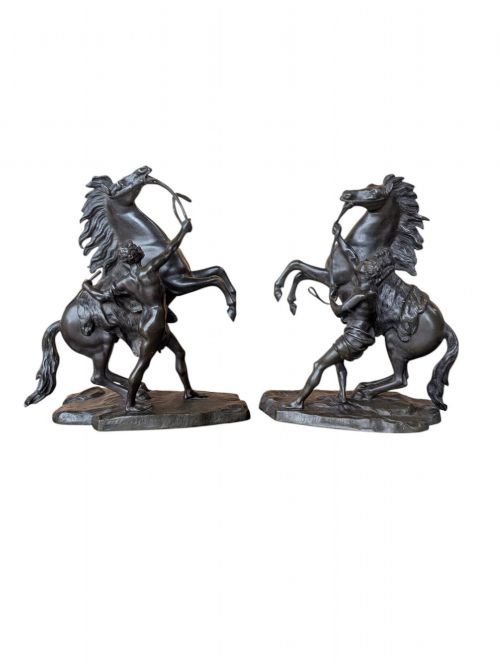
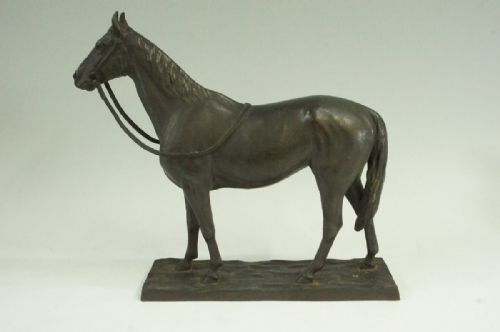
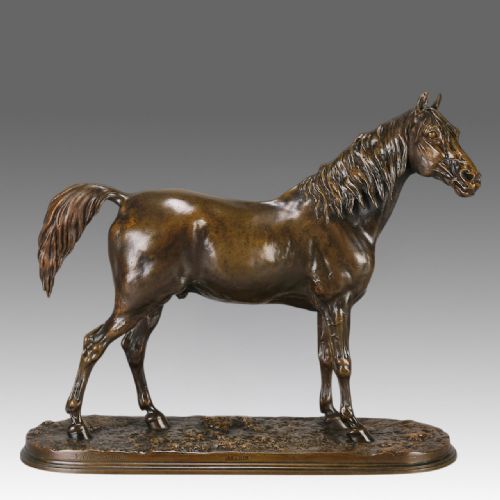
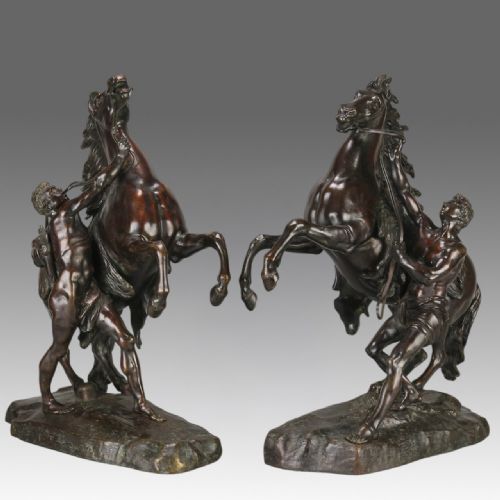
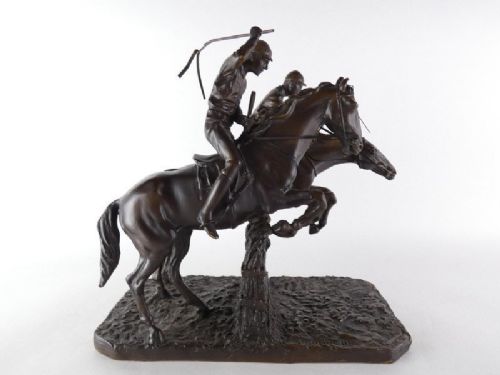

Bronze Horse Statue
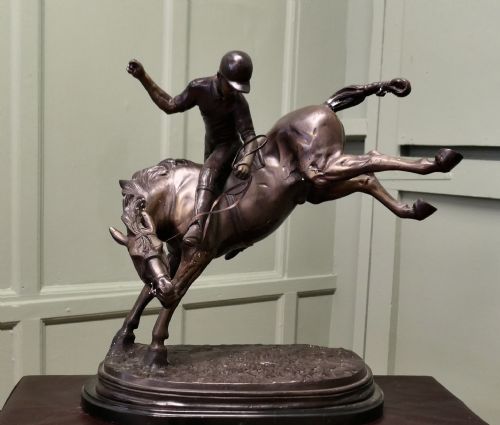
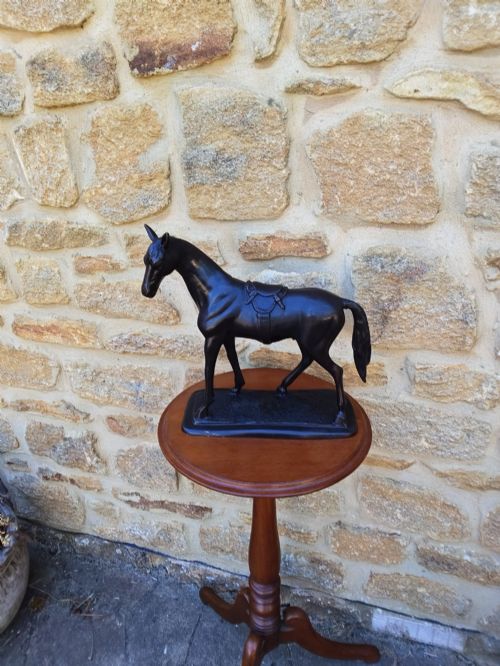
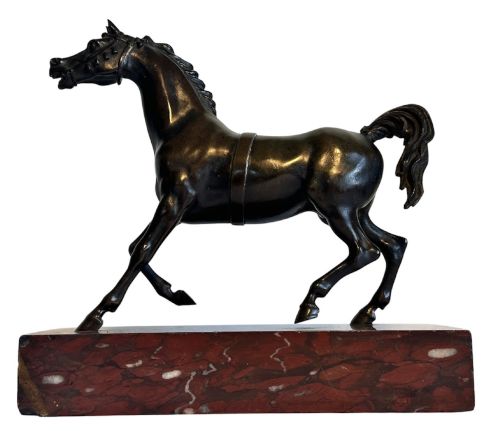
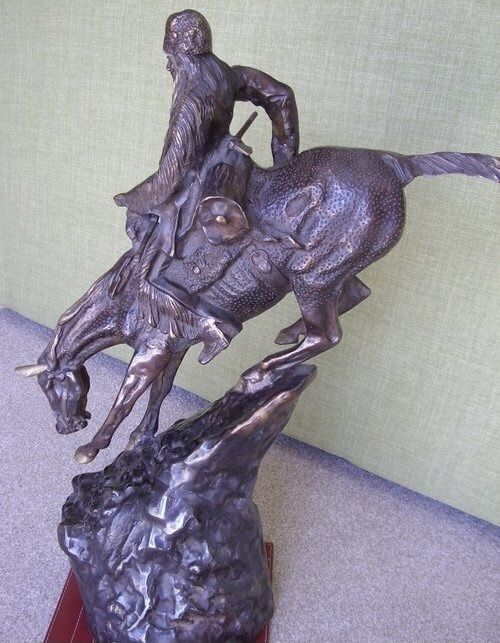
A bronze horse statue captures movement and muscle in metal, bringing equestrian form into the room through nineteenth-century animalier models and twentieth-century interpretations.

Bronze Horse Statue
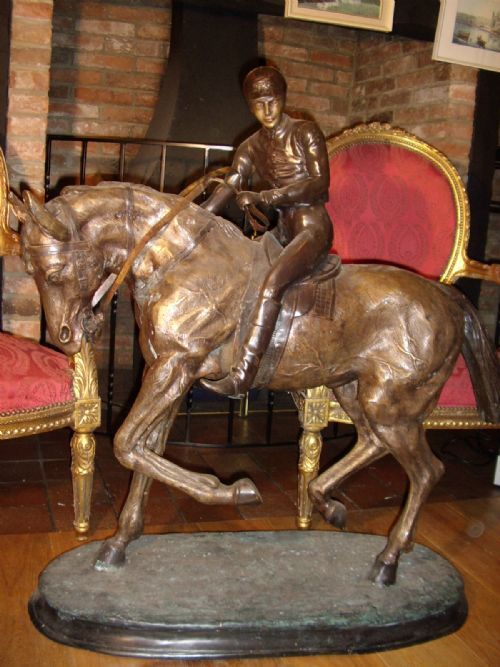
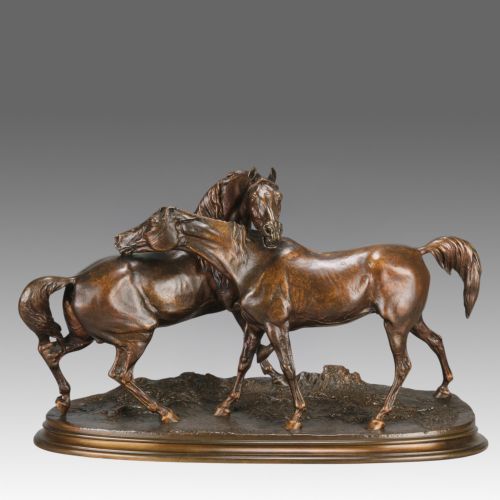
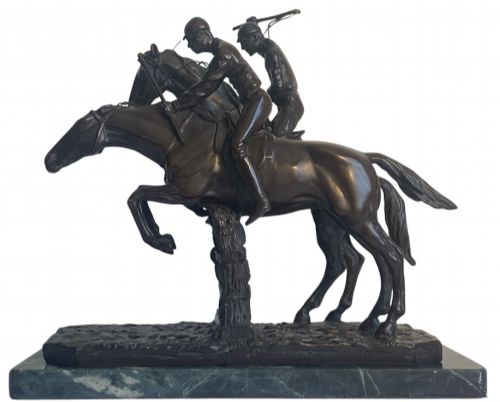
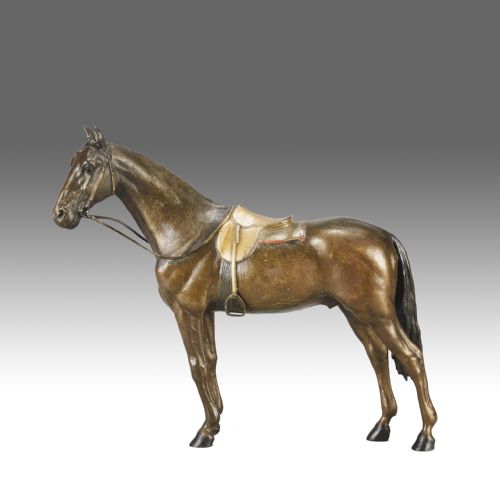
A bronze horse statue represents the search for solid metal sculpture depicting equines in motion, rest, or harness. Buyers frequently encounter French animalier casts, Victorian studies, and grand tour souvenirs among these listings.
The objects take many functional and decorative forms, ranging from standalone mantel sculptures and desk accessories to monumental figures mounted on marble or wood bases.
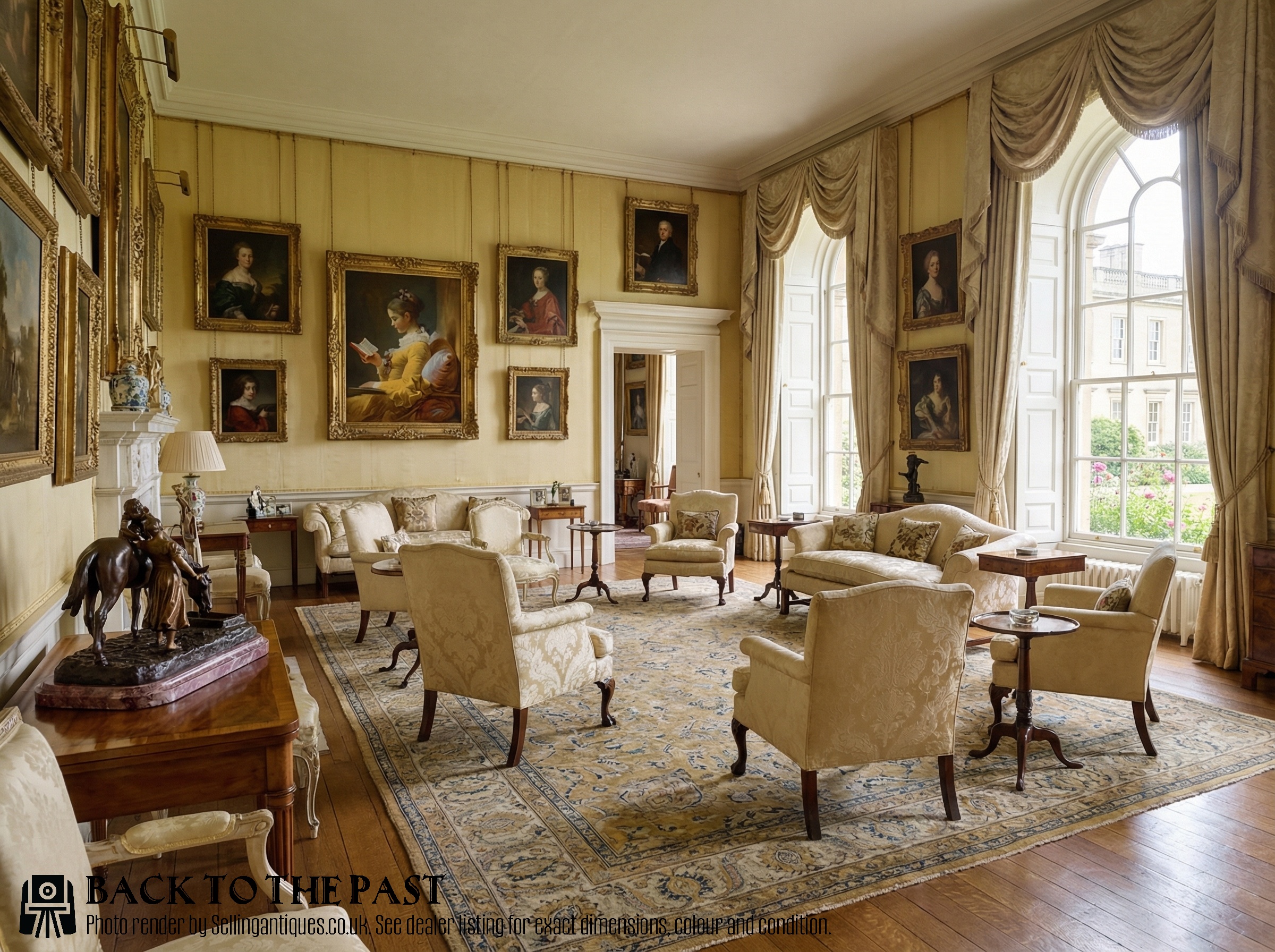
How they were made
Makers utilised traditional casting methods to shape bronze into powerful muscle structures and flowing manes, often applying patinated or cold-painted finishes to heighten realism.
Many sculptures incorporate integrated bases of marble, onyx, or wood, providing weight and contrast to the metallic figure above.
Bronze Horse Statue Retail Price Guide 2026
Typical asking prices for bronze horse statue among the pieces listed under this phrase on Sellingantiques today, from the lower quarter to the upper quarter. They describe what is for sale here now, not the wider market.
Listings feature works spanning the seventeenth century through to the mid-twentieth century, utilising bronze, marble, wood, and brass.
What varies in quality
The sharpness of the cast and the depth of the chisel work define the upper tier of these sculptures, distinguishing crisp anatomical detail from softened reproduction.
The nuance in the patination and the quality of the supporting stone or wood plinth contribute significantly to the overall presence of the piece.

Pierre Jules Mene·Franz Bergman·Kunio Ito·Isidore Jules Bonheur·John Willis Good
The Bronze Horse Statue Glossary
- Animalier
- A nineteenth-century artistic movement focused on the realistic depiction of animals. Sculptors in this tradition studied anatomy closely.
- Patina
- The surface colour or chemical alteration developed on bronze over time or applied by the foundry. It protects the metal and adds visual depth.
- Cold-painted
- A technique where paint is applied to cold bronze without heat firing. Austrian foundries frequently used this method for small decorative pieces.
- Grand tour
- A nineteenth-century cultural journey across Europe that brought home small souvenir bronzes of classical monuments and horses.
- Ormolu
- Gilt bronze decorative work popular in French furniture and clock mountings. The gold is applied through a mercury amalgamation process or electroplating.
Bronze Horse Statue: Frequently Asked Questions
How do I clean a bronze horse statue?
Dust the surface gently with a soft, dry brush to prevent dirt buildup in the crevices. Avoid chemical cleaners or polishes that can strip the original patina.
Apply a very light coat of microcrystalline wax if the metal requires protection, buffing it off gently with a clean cloth.
What is the animalier style?
Animalier refers to nineteenth-century sculpture focused specifically on realistic animal forms in action or repose. Artists captured musculature and behaviour through direct observation.
These pieces range from small cabinet figures to large mantel sculptures produced across European foundries.
Are these statues solid bronze?
Many traditional sculptures are cast using the lost-wax method, resulting in solid or heavy hollow metal structures. The weight depends on the scale and the foundry's casting technique.
Bases often consist of contrasting materials like marble, onyx, or wood to anchor the metallic figure.
How do I identify the period?
Dating relies on stylistic clues, foundry marks, and the type of base or patination used on the piece. Nineteenth-century works often reflect strict academic realism or animalier movement.
Twentieth-century examples frequently show shifts toward stylised forms or specific regional casting techniques from European and Asian workshops.