
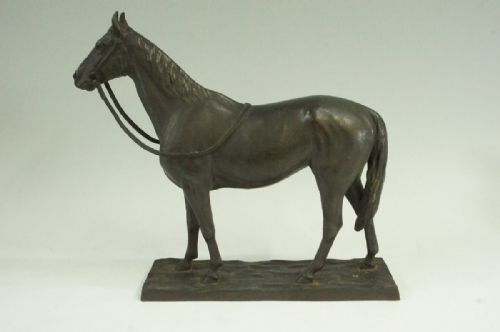
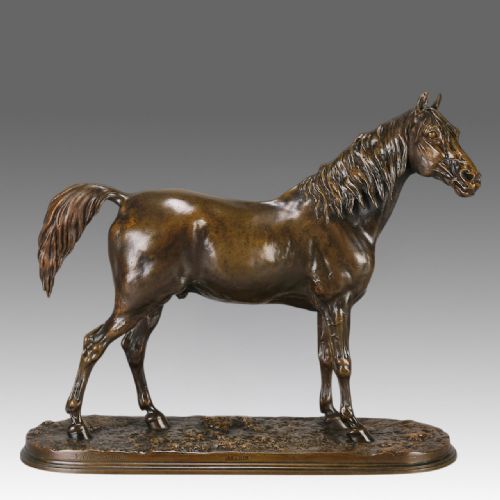
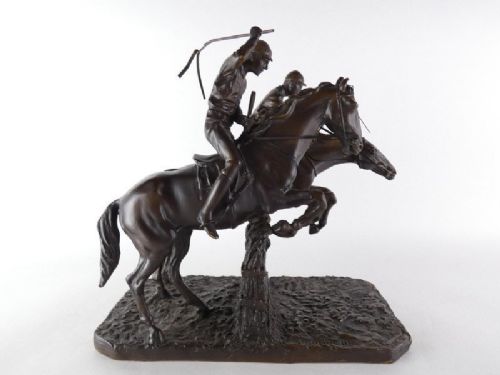


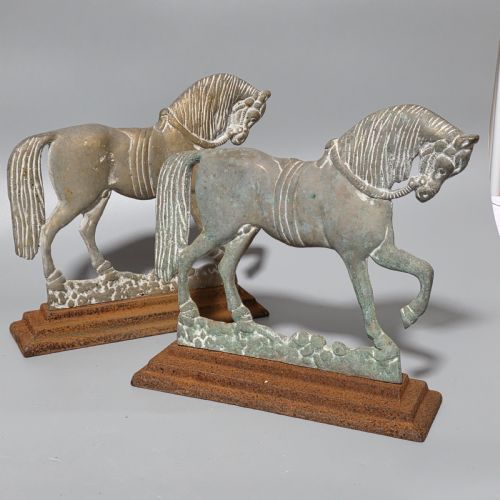

Cast Bronze Horse
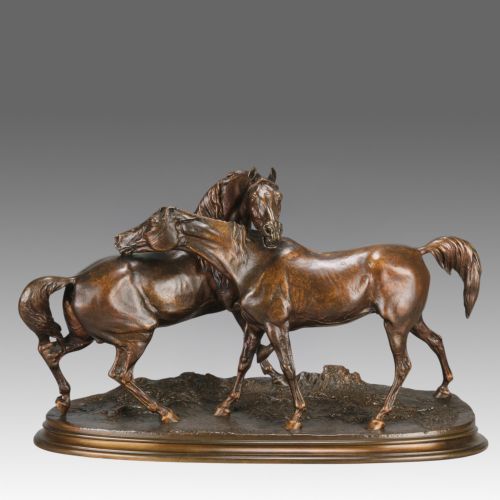
When you search for a cast bronze horse, you are looking at enduring animalier and equestrian sculpture that brings real presence to a room.
Cast Bronze Horse
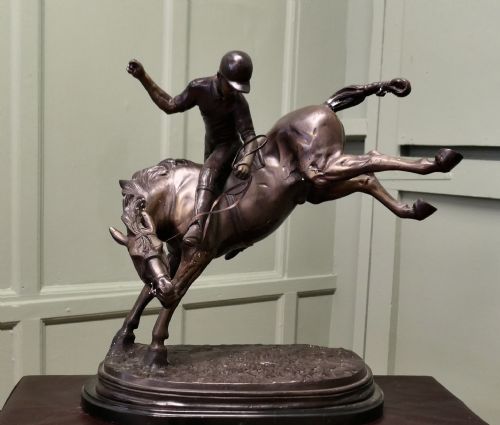
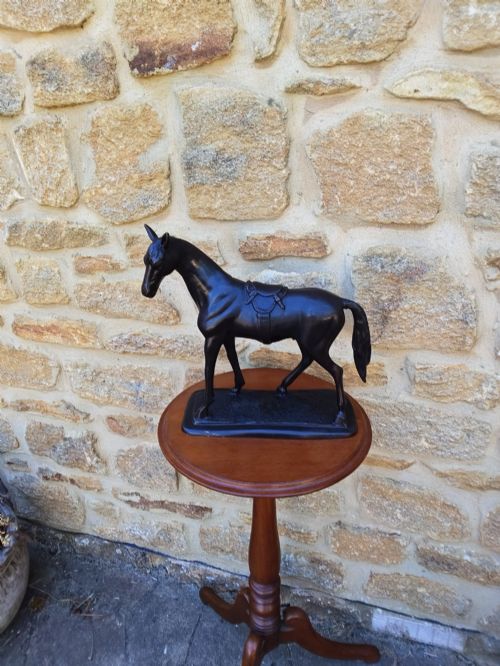
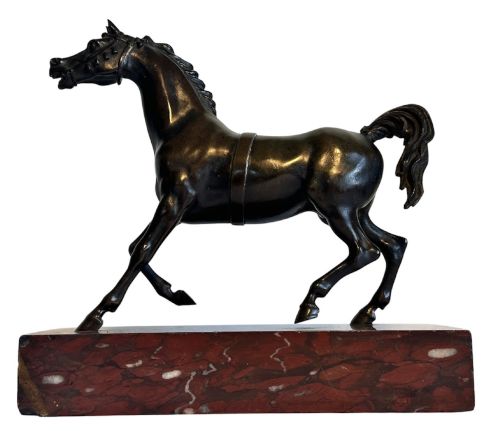
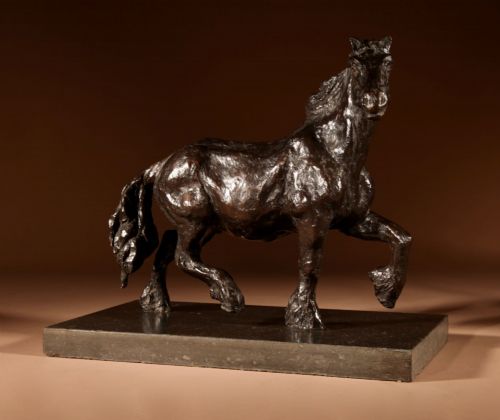
A cast bronze horse captures the power, movement, and anatomy of the animal through centuries of changing artistic interpretation. When you search for this phrase, you encounter everything from small cabinet figures to large statues on stone plinths.
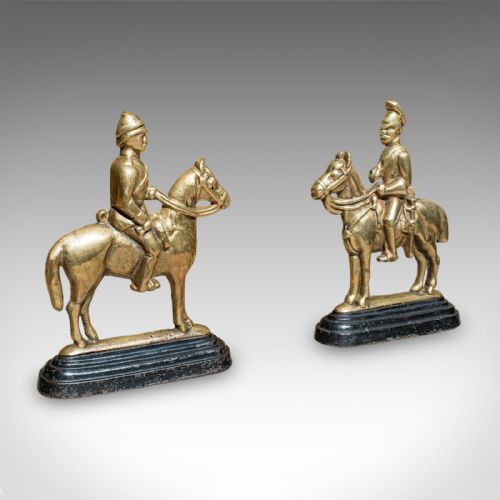
The selections here span the Victorian era, the French Animalier school, and the clean lines of Art Deco design. Many pieces function purely as sculptural art, while others serve utilitarian roles such as doorstops, bookends, and desk accessories.
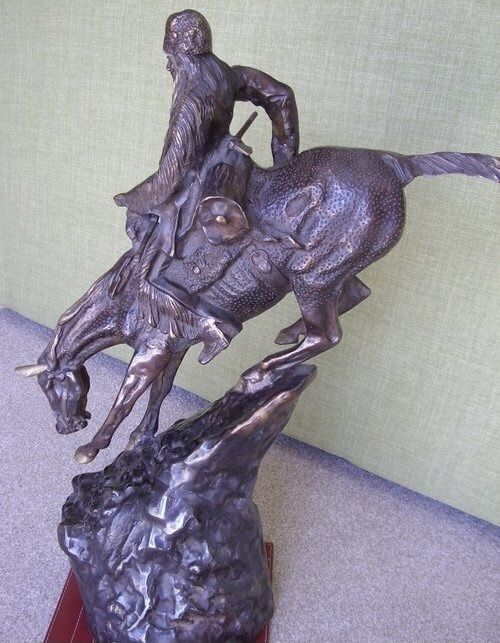
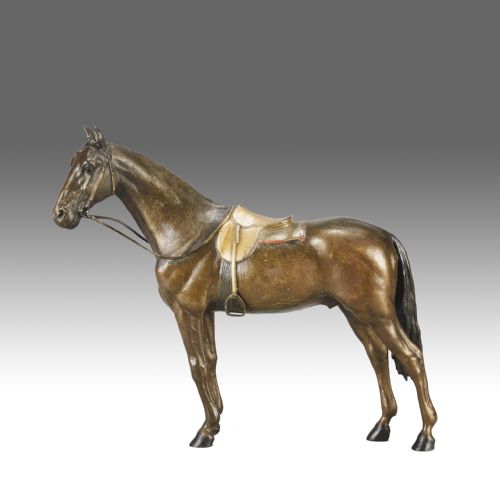
Origin points range widely, taking in European foundries, Japanese Meiji period works, and African casting traditions. The horses appear as charging stallions, gentle cobs, racing mounts, and figures bearing riders.
How They Were Made
Foundries created these figures using traditional casting methods, pouring molten metal into moulds to capture fine muscular detail and surface texture. Many pieces rely on genuine bronze, while others employ patinated bronze, cast brass, or iron.
Makers often mounted heavier sculptures onto marble or stone bases to provide stability and visual contrast. Certain Austrian examples received additional cold-painted decoration to bring realistic colour to the finished metallic surface.
Cast Bronze Horse Retail Price Guide 2026
Typical asking prices for cast bronze horse among the pieces listed under this phrase on Sellingantiques today, from the lower quarter to the upper quarter. They describe what is for sale here now, not the wider market.
Listings include items created across several decades, spanning the nineteenth century through the mid twentieth century in bronze, brass, iron, and marble.
What Varies in Quality
The quality of the patina also defines the piece, with rich, subtle tones outperforming flat or muddy surface treatments. Heavier weight, balanced proportions, and substantial marble bases generally separate superior works from standard commercial foundry output.
P J Mêne·Franz Bergman·Isidore Jules Bonheur·Luigi Secchi·Kunio Itô·Sakai Kōzan·Philip Blacker·Paul Joseph Gayrard
The Cast Bronze Horse Glossary
- Animalier
- A nineteenth-century artistic movement focused on the realistic depiction of animals. Sculptors in this tradition studied anatomy closely.
- Cold-painted bronze
- A technique where paint is applied to a bronze object without subsequent firing in a kiln. This method allowed for delicate surface colouration.
- Patina
- The chemical or natural surface coloration that develops on metal over time or through artificial treatment. It protects the bronze and adds visual depth.
- Cire perdue
- The lost-wax casting method used to create detailed metal sculptures from a wax model. This process allows for intricate undercuts and varied forms.
- Marly horses
- Iconic monumental sculptures depicting rearing horses restrained by handlers. The motif originated in French classical sculpture and inspired many smaller Victorian copies.
Cast Bronze Horse: Frequently Asked Questions
How do I care for a bronze horse?
Dust the surface gently with a soft, dry brush to prevent dirt accumulation. Avoid harsh chemical cleaners that can strip the patinated finish.
Apply a very thin layer of microcrystalline wax occasionally if you wish to protect the metal from atmospheric moisture. Keep the sculpture away from direct heat sources and strong sunlight.
Were all bronze horses made in France?
While French animalier sculptors produced many famous equestrian figures, casting happened across Europe and beyond. British, Austrian, Italian, and Japanese foundries all contributed significantly to the selection available.
Each region brought distinct stylistic traits and casting methods to their animal sculptures. Japanese Meiji works and Austrian cold-painted pieces demonstrate entirely different traditions from French salon bronzes.
What is the difference between a statue and a doorstop?
Statues and sculptures are designed purely for display on tables, desks, or marble bases. Their weight and balance serve aesthetic presentation rather than practical utility.
Doorstops and bookends incorporate heavier iron or weighted bases to hold objects in place. They combine functional utility with decorative equestrian styling.
How can I tell the period of a cast bronze horse?
Examine the style of the base, the casting seams, and the nature of the patina. Victorian and nineteenth-century pieces often feature heavier cast construction and classical animalier signatures.
Art Deco examples from the nineteen-twenties display stylised geometric lines or modernist tendencies. Signature stamps and foundry marks also help pinpoint the era of manufacture.