
Marble Base Bronze
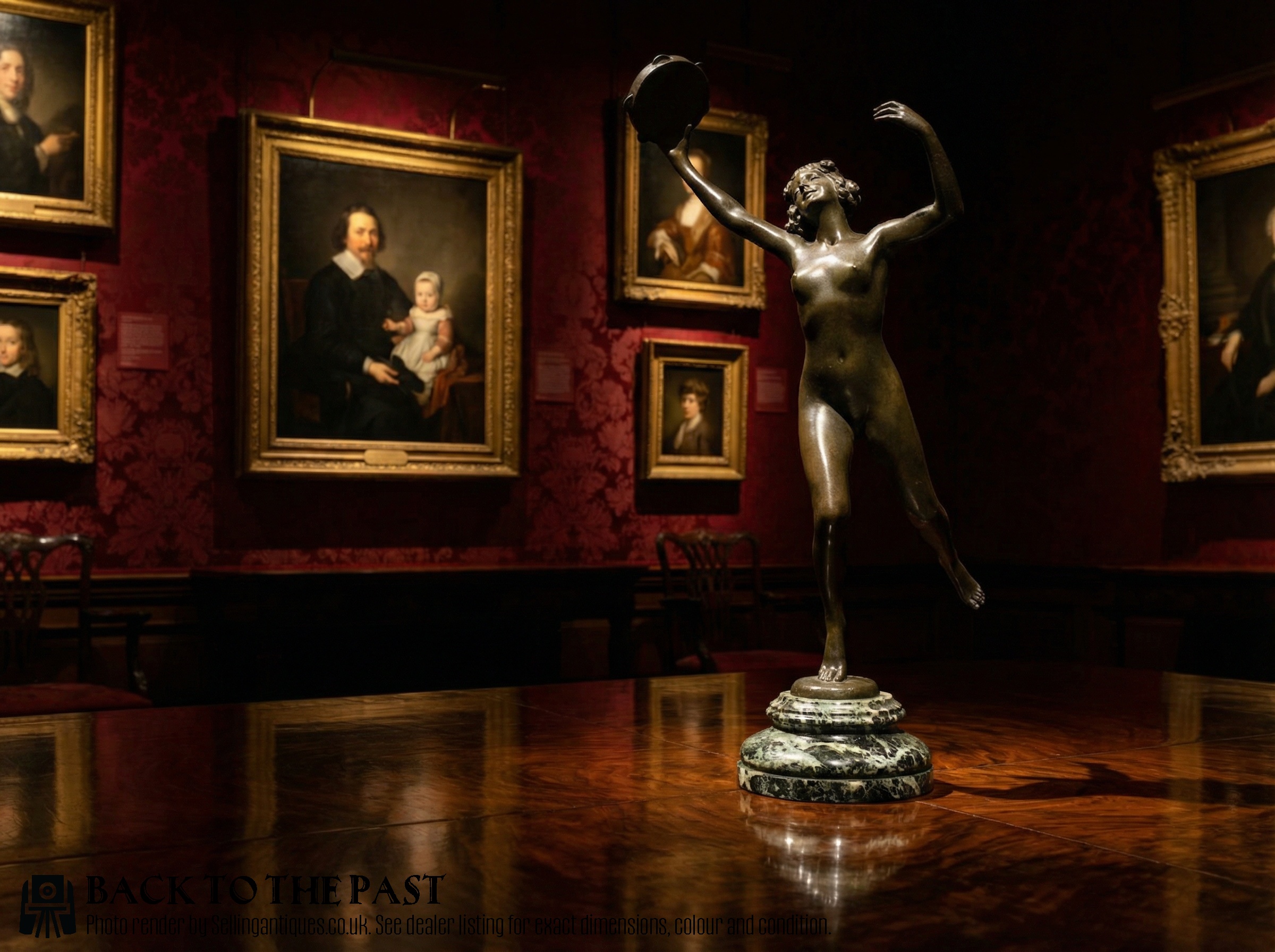
Marble base bronze works bring together heavy stone plinths and cast metal figures, offering a sturdy foundation for decorative and sculptural subjects.
Marble Base Bronze
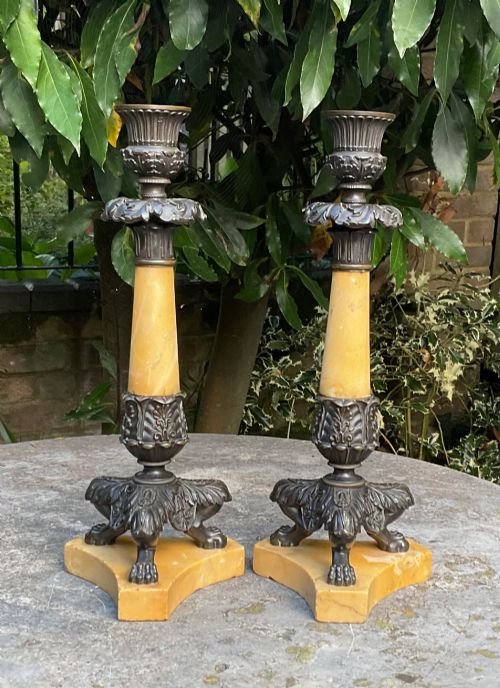
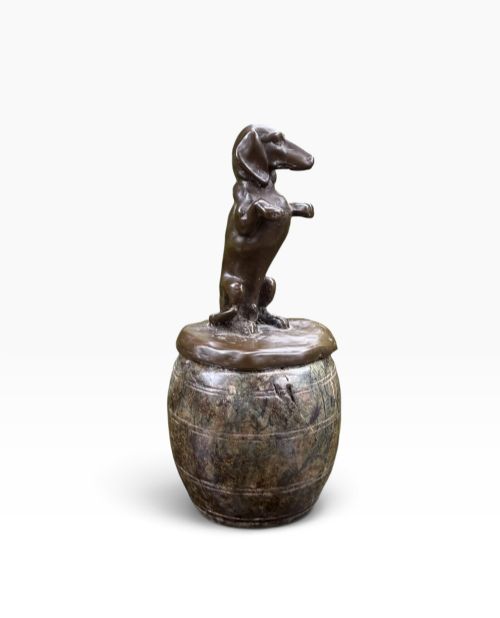
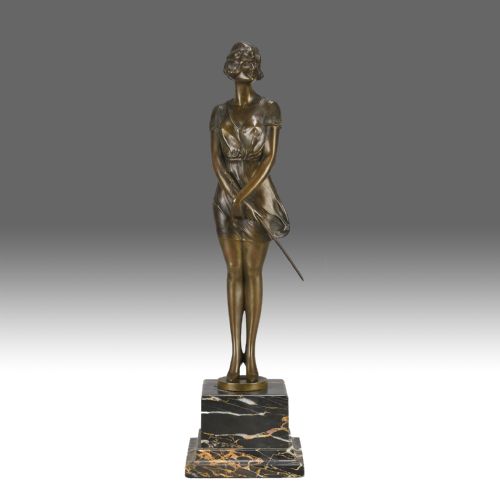
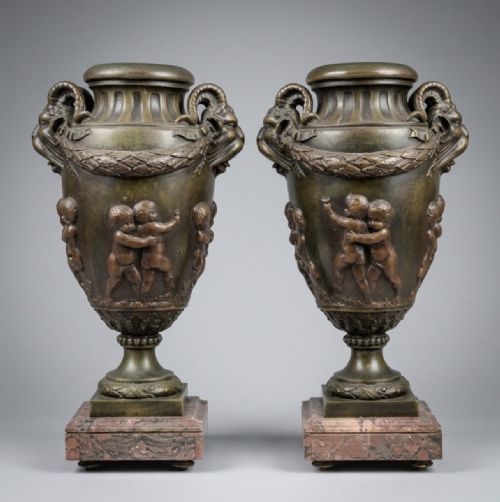
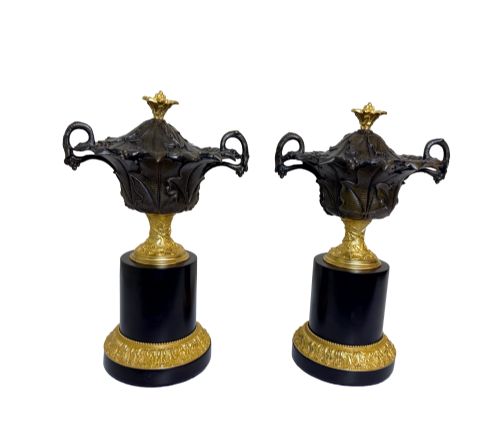
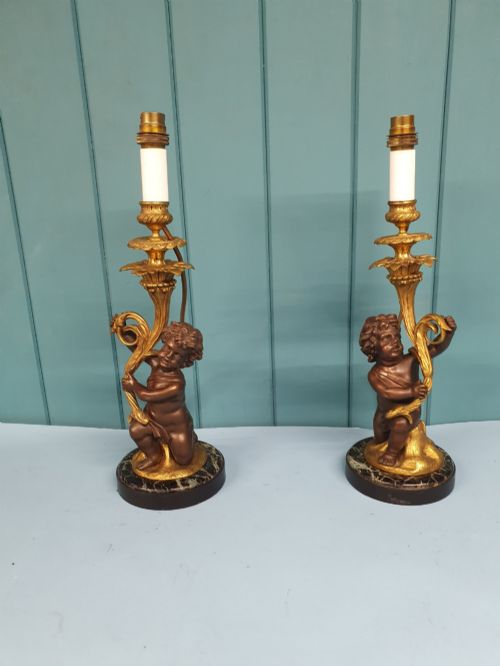
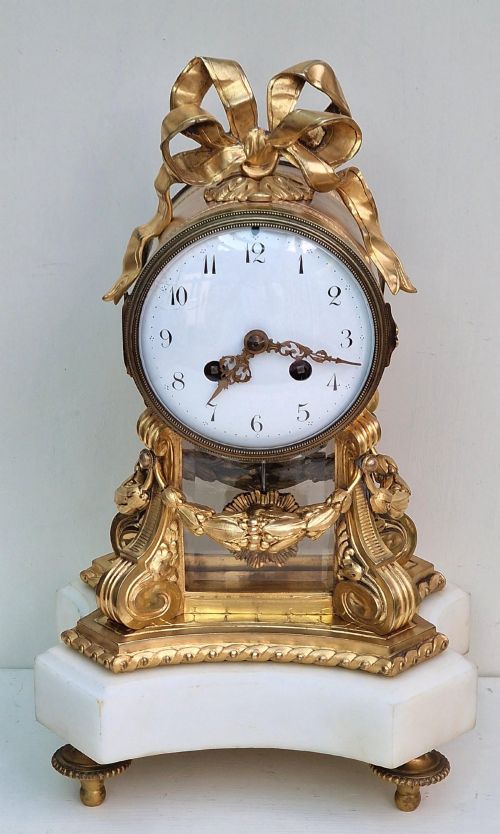
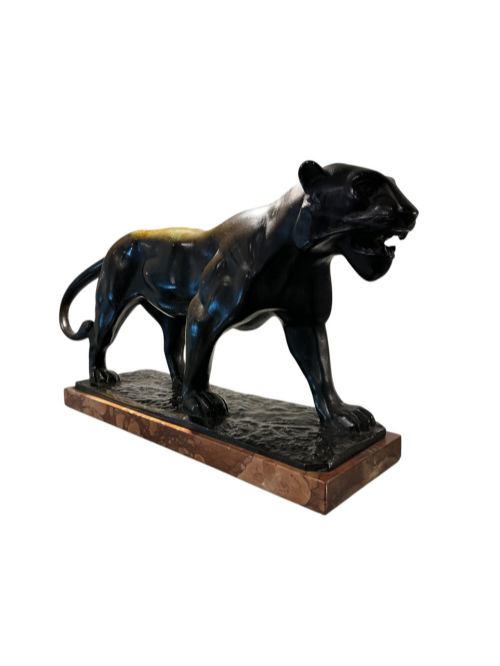
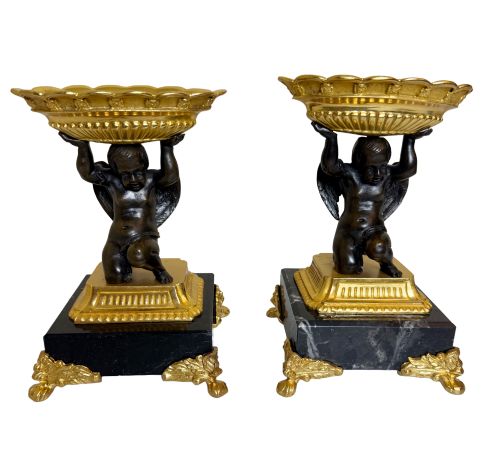
Items associated with marble base bronze include figural sculptures, animal studies, table lamps, and architectural vessels mounted securely onto stone plinths. The combination serves both functional lighting and purely decorative display purposes.
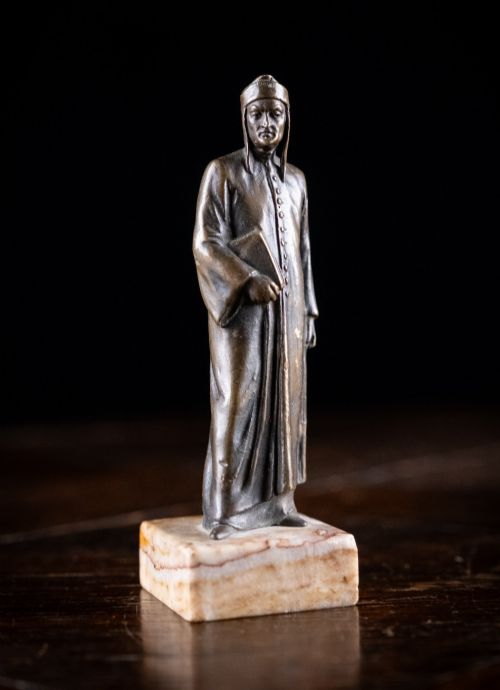
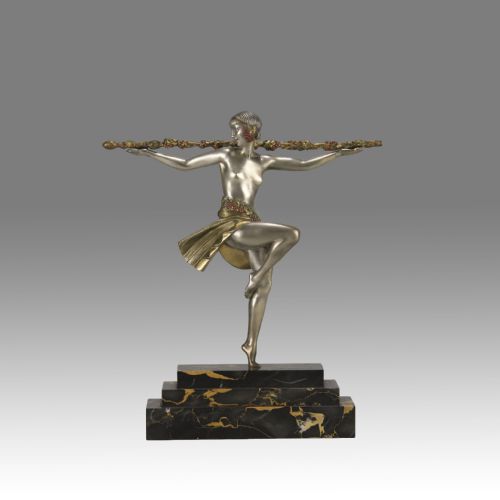
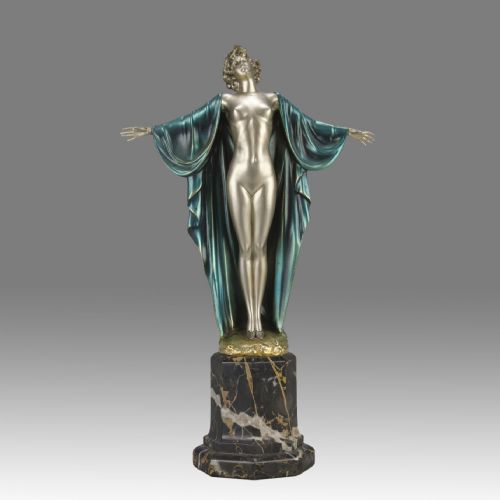
Pieces originating from the nineteenth and early twentieth centuries dominate the selection. Makers utilised classical themes, Grand Tour souvenirs, and modern styles like Art Deco.
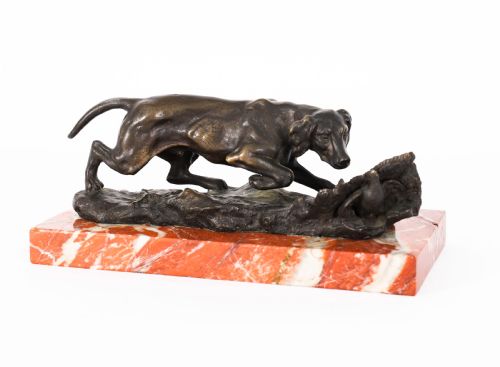
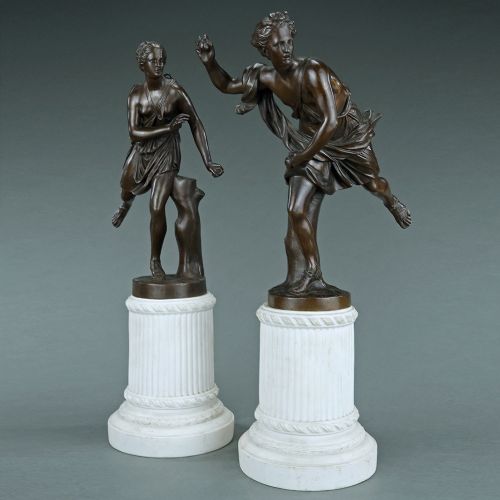
Figure subjects range from mythological gods and literary characters to dogs, panthers, and dancers. Collectors encounter everything from small desk ornaments to substantial mantel pieces.
How They Were Made
Foundries produced the metal elements using traditional casting methods, often finishing the surface with a dark patination, silvering, cold-painting, or gilt details. Artisans then mounted the metal components onto cut and polished sections of natural stone.
Makers selected various stones such as black marble, white marble, rouge marble, and yellow siena marble for the plinths. These bases provided necessary weight and colour contrast to the metal work above.
Marble Base Bronze Retail Price Guide 2026
Typical asking prices for marble base bronze among the pieces listed under this phrase on Sellingantiques today, from the lower quarter to the upper quarter. They describe what is for sale here now, not the wider market.
Listings feature nineteen-thirties Art Deco lighting alongside nineteenth-century classical figures and Grand Tour marble-mounted bronzes.
What Varies in Quality
The crispness of the metal casting dictates the definition found in facial expressions, drapery, and animal musculature. Superior examples retain fine chisel work and smooth finishing applied by hand after the metal leaves the mould.
The selection and preparation of the stone base affect the overall integrity of the piece. Dense, finely figured marbles cut with precise geometry and polished without excessive filler represent the higher tier of production.
Carl Kauba·Barbedienne·Bruno Zach·Pierre le Faguays·Ferdinand Preiss·August Moreau·Hans Müller·Emile Carlier·Emile Guillemin·Demetre Chiparus·Kozan Yamamoto·Louis Carvin·Schmidt-Hofer
The Marble Base Bronze Glossary
- Patinated bronze
- Metal treated with chemical solutions to produce a darkened or coloured surface layer. This technique protects the underlying metal and adds visual depth to sculptural details.
- Ormolu
- Gilding technique involving the application of finely ground gold-mercury amalgams to bronze. It creates a rich, golden finish seen on decorative mounts and luxury objects.
- Cold painted bronze
- Pigment applied to metal without subsequent heat firing. The delicate nature of this finish requires careful preservation.
- Grand Tour
- Educational travels undertaken by nineteenth-century Europeans collecting classical replicas. These souvenirs typically feature small bronze figures mounted on coloured marble blocks.
- Animalier
- Art style focusing on realistic depictions of animals. Sculptors in this tradition studied anatomy closely to capture creatures in motion.
Marble Base Bronze: Frequently Asked Questions
What is the difference between bronze and spelter?
Bronze is a durable alloy of copper and tin that accepts fine detail and holds a rich patina over centuries. Spelter is a cheaper zinc-based alloy commonly used for Victorian and Edwardian decorative castings.
Spelter is softer and lighter than bronze, often requiring a heavier marble base for stability. Many spelter items received a bronze-coloured coating to imitate genuine metal.
How do I identify a Grand Tour piece?
Grand Tour items typically replicate famous classical sculptures, architectural ruins, or mythological figures encountered by travellers in Italy. They feature dense stones like siena or verde antico marble.
These pieces date primarily from the nineteenth century and serve as historical records of nineteenth-century aesthetic education and travel.
Are these sculptures signed?
Many higher quality figures bear artist signatures, foundry stamps, or registration marks cast directly into the metal base or back. Signatures help confirm attribution to known European workshops and individual sculptors.
Unsigned works remain common, particularly among decorative items like lamp bases, bookends, and anonymous Grand Tour souvenirs produced in large quantities.