


Napoleon Bonaparte Sculpture
Napoleon bonaparte sculpture captures the emperor in bronze, marble, plaster, and parian porcelain across the nineteenth century.

Napoleon Bonaparte Sculpture
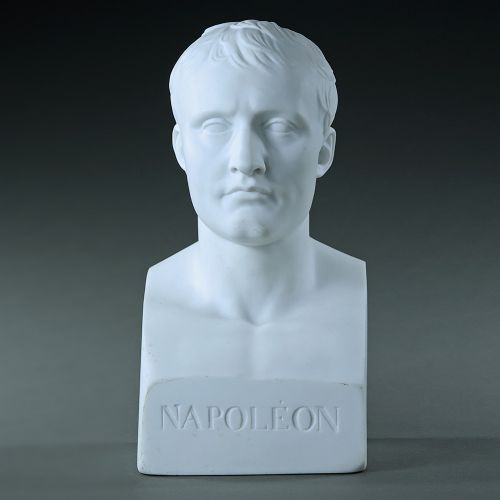
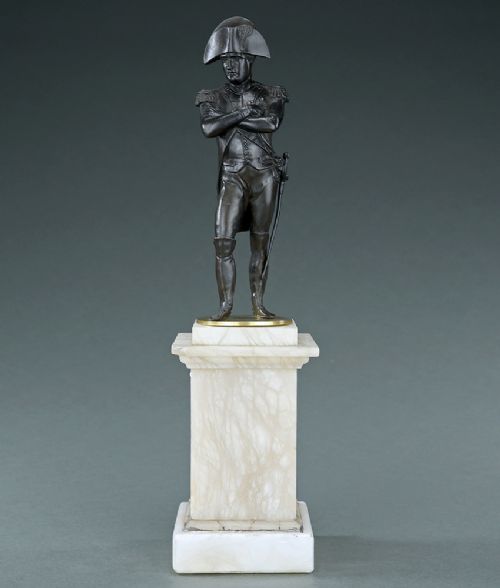
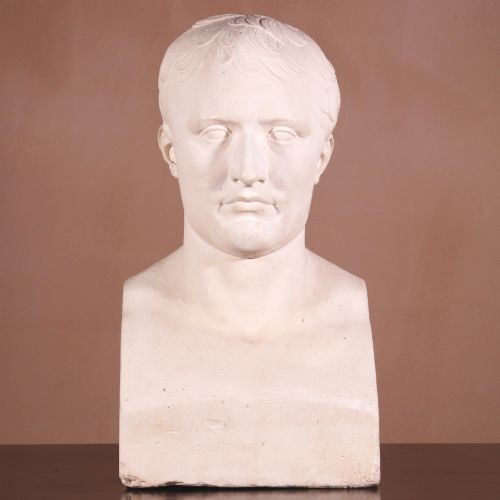
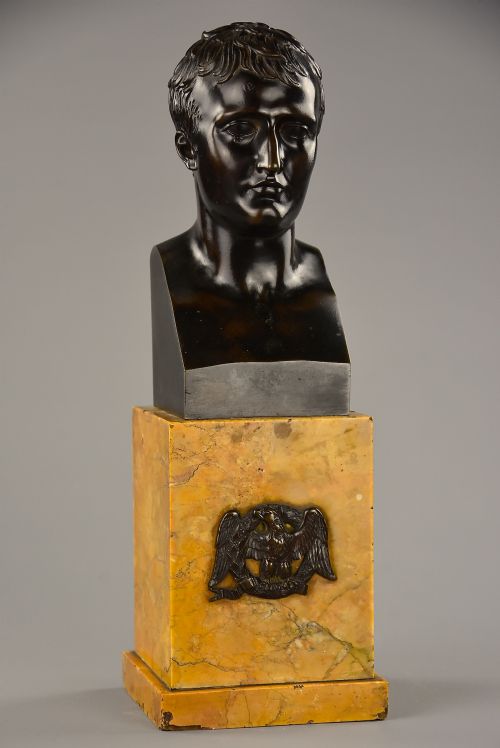
A napoleon bonaparte sculpture represents the French leader in forms ranging from cabinet busts to large pedestal pieces and mantel clocks. Buyers searching this term encounter works from the nineteenth century, including Victorian examples and French Empire revivals. The selection frequently includes depictions of the emperor on horseback as well as classic shoulder busts.
Many of these pieces draw directly from established sculptural models by makers such as Chaudet and Emile Guillemin. The physical objects vary from library bronzes to monumental white marble busts mounted on grey marble bases. These sculptures reflect both contemporary French output and later revival periods.
Materials and Techniques
The primary medium across these listings is bronze, often cast and set upon marble bases. Workshops also utilised gilt bronze, silver-plated bronze, and ormolu to highlight details on equestrian figures and clock mounts. Marble appears in both white and grey varieties, utilised for pedestals and substantial portrait busts.
Napoleon Bonaparte Sculpture Retail Price Guide 2026
Typical asking prices for napoleon bonaparte sculpture among the pieces listed under this phrase on Sellingantiques today, from the lower quarter to the upper quarter. They describe what is for sale here now, not the wider market.
Listings span the nineteenth century, featuring Victorian eras, French Empire styles, and Neoclassical revivals executed in bronze and marble.
Assessing Quality and Execution
Quality in these sculptures rests upon the crispness of the casting and the fidelity to the original portraiture. Pieces modeled after known artists like Chaudet or Guillemin demonstrate superior handling of uniform details and facial expression. The integration of the sculpture with its marble base further separates standard output from finer works.
The choice of materials significantly influences the character of the object, with gilt bronze and silver-plated elements demanding precise metalworking skills. Heavy bronze casts and substantial marble pedestals indicate a more ambitious undertaking than hollow plaster versions. The presence of secondary materials like ormolu adds a layer of refinement to clock cases and equestrian groups.
Sèvres·Emile Guillemin·Chaudet
The Napoleon Bonaparte Sculpture Glossary
- Bronze
- An alloy of copper and tin traditionally used for durable metal casting. It develops a rich patina over the course of the nineteenth century.
- Marble
- A metamorphic rock prized for pedestals and portrait busts. It appears in white and grey varieties within these nineteenth-century works.
- Ormolu
- Gilded bronze used for decorative mounts and clock cases. The technique involves applying a gold amalgam to a bronze base.
- Parian Porcelain
- A fine-grained unglazed porcelain developed to imitate carved marble. Sèvres utilised this material for portrait busts.
- Neoclassical
- An artistic style drawing inspiration from classical antiquity. It heavily influenced French Empire design and nineteenth-century sculpture.
Napoleon Bonaparte Sculpture: Frequently Asked Questions
What materials are common?
Bronze, marble, gilt bronze, and parian porcelain dominate the selections. Plaster also appears in larger format busts.
Foundries and studios combined these substances with ormolu and silver plating for decorative effect.
How do I date a piece?
Dating relies on stylistic markers from the nineteenth century, including French Empire and Neoclassical revival traits. Material choices such as parian porcelain also point to specific manufacturing eras.
Makers' signatures and foundry marks provide further chronological clues.
Where were they displayed?
These sculptures served as library ornaments, mantelpiece focal points, and large pedestal displays in studies and drawing rooms. Equestrian figures and clock combinations functioned as functional art.
Busts were typically positioned on elevated wooden or marble furniture.
What is an equestrian sculpture?
An equestrian sculpture depicts the subject mounted on a horse. In this category, Napoleon appears upon his charger in both bronze and gilt metal formats.
These dynamic pieces often form the centerpiece of decorative mantel clocks.