

French Sculpture
French antique sculpture brings nineteenth-century foundry skill and academic modelling directly into the room, offering figurative bronze, carved wood and terracotta that collectors prize.
What french antique sculpture is
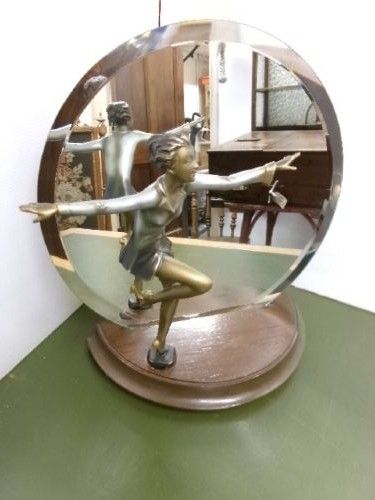
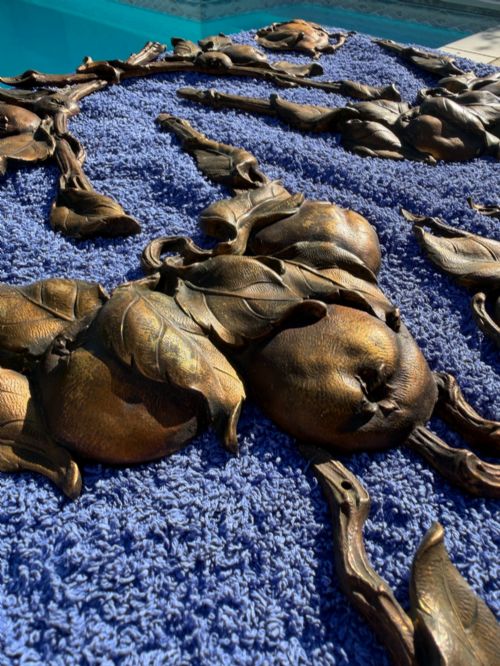
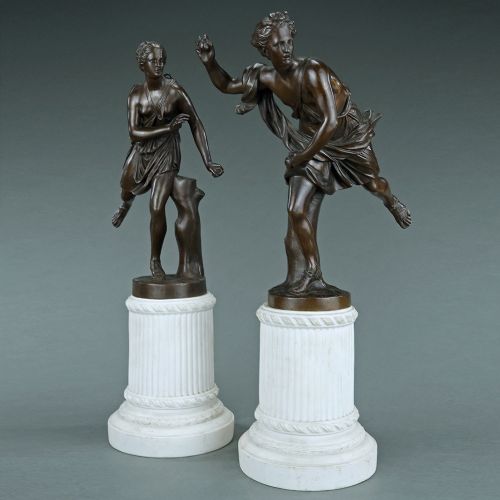
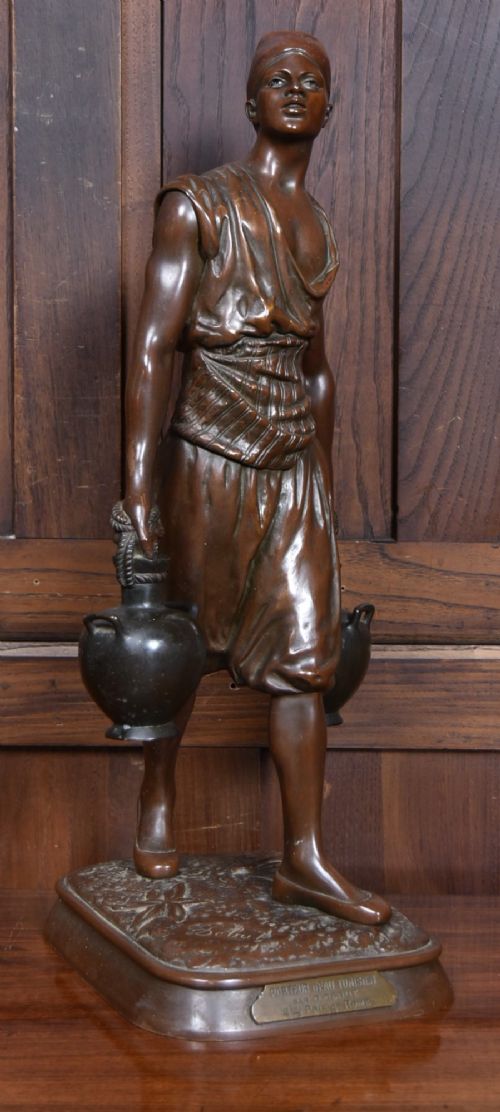
When you search for french antique sculpture, you encounter figural bronzes, carved wood figures, marble compositions and terracotta busts dating from the nineteenth century into the early decades of the twentieth. These pieces range from grand tour souvenirs and mythological subjects to animalier studies and portrait busts created by named artists and Parisian foundries.
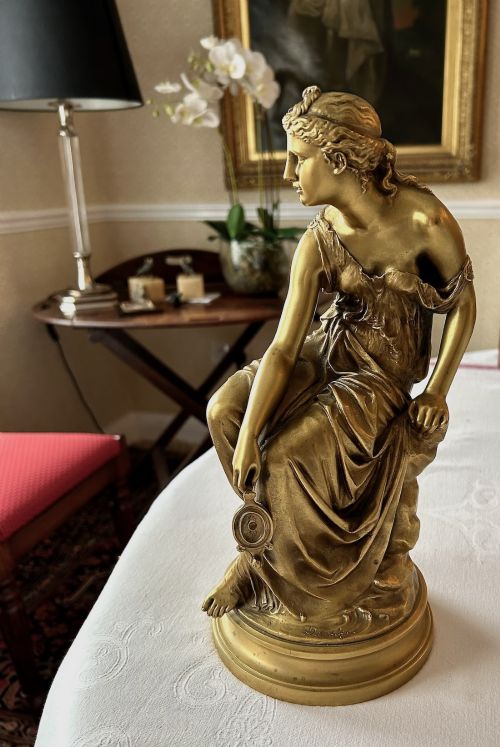
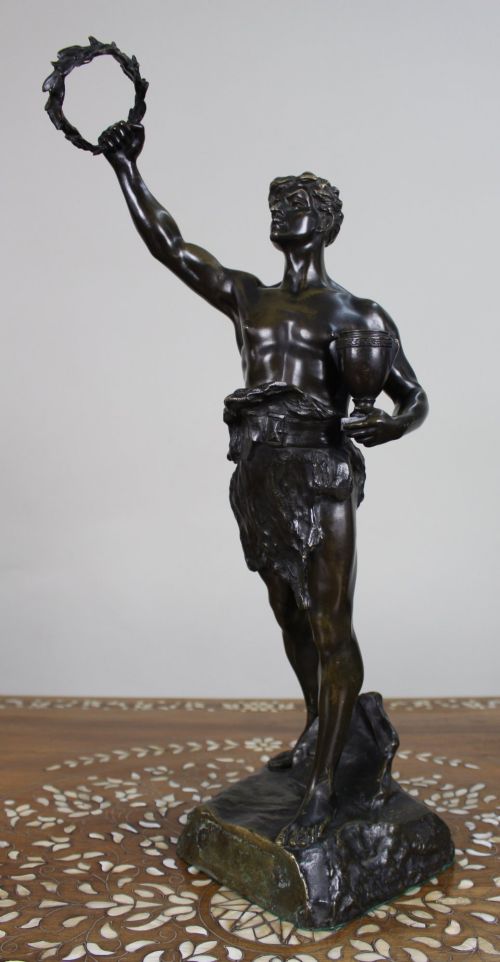
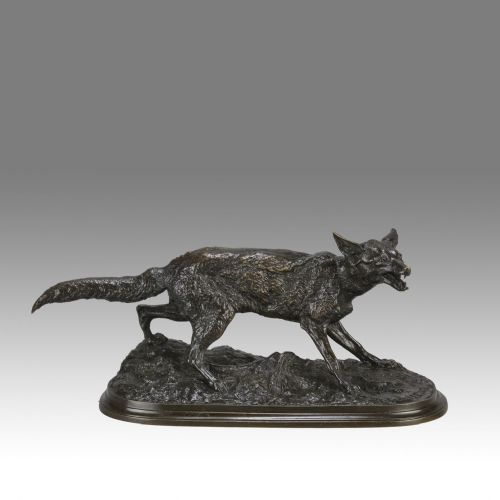
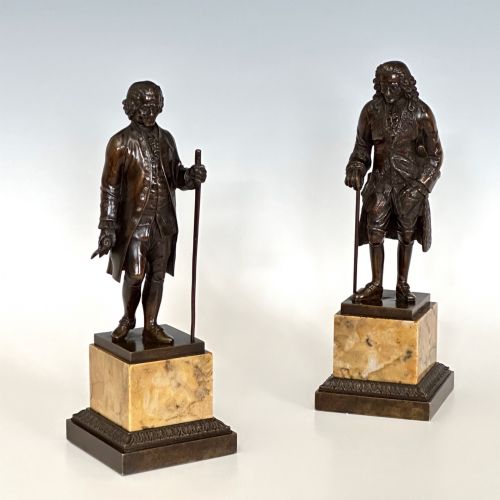
The version you are most likely to meet on this page is the nineteenth-century bronze figure, often patinated in dark brown or green, depicting classical heroes, animals or allegorical characters. Alongside these, terracotta busts and carved wood religious figures appear, reflecting the diverse output of French ateliers from eighteen-fifty onwards.
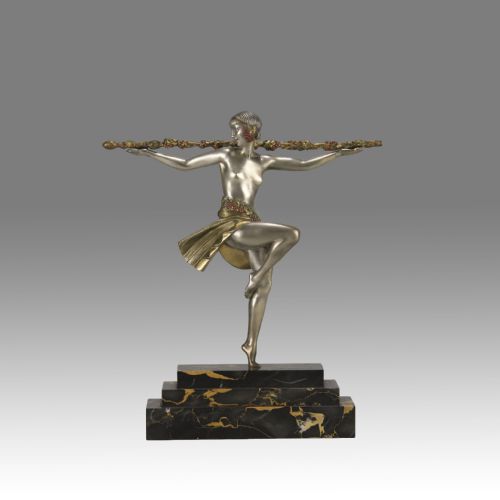
Each piece carries the stylistic markers of its period, shifting from academic romanticism through art nouveau curves to the clean lines of art deco. Whether cast in metal, carved from timber or modelled in clay, these works capture the decorative ambition and technical fluency of French workshops.
How they were made
Foundries produced the metal works using the lost-wax method or sand casting, pouring molten bronze into moulds before finishing the surfaces by hand with chisels and files. This process allowed makers to achieve intricate detail in hair, drapery and animal musculature before applying chemical patinas to the surface.
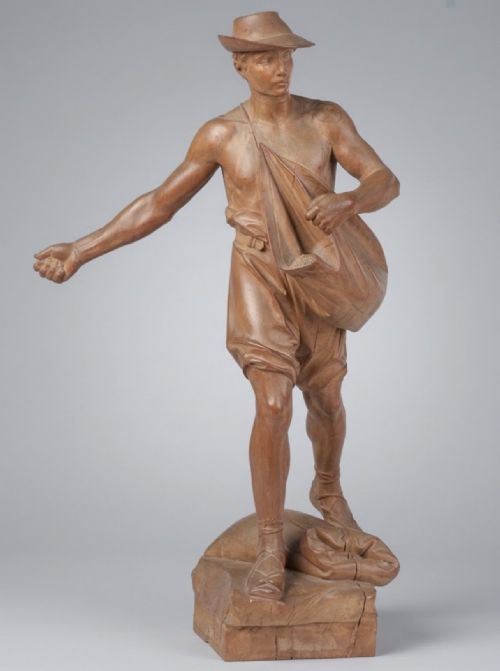
Wood and stone pieces rely on direct carving, where sculptors cut form and texture from blocks of timber or marble using gouges, chisels and rasps. Terracotta works begin as modelled clay that is fired in kilns, sometimes receiving a surface tint to mimic bronze or stone.
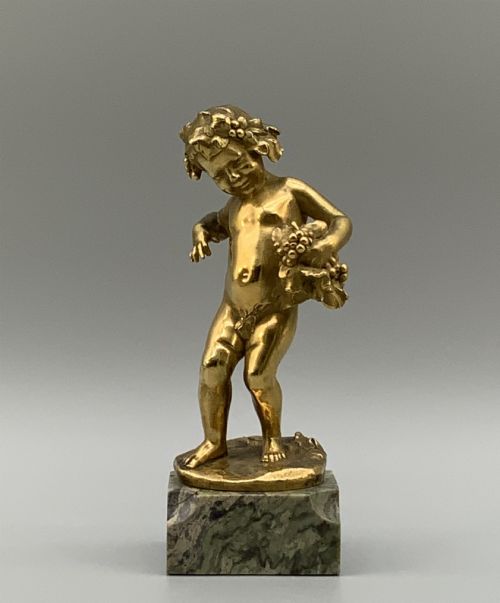
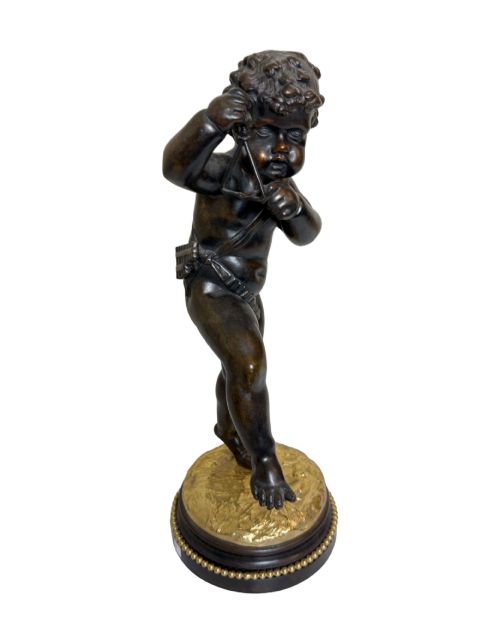
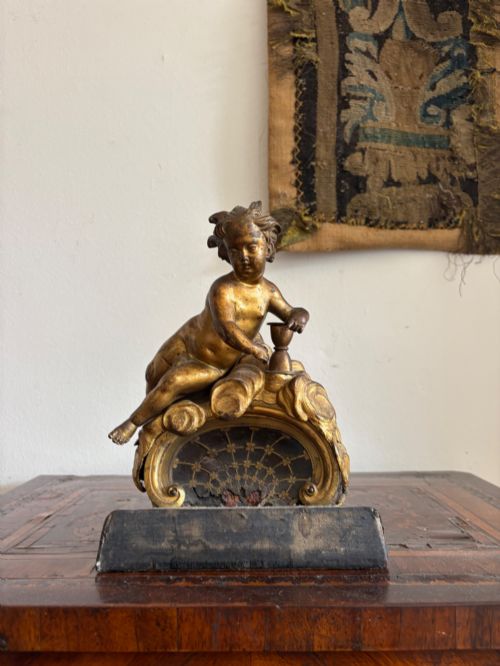
Ormolu and gilt elements involve the application of gold amalgam to bronze bases, whilst multi-material compositions combine carved marble with cast metal details to create contrast in texture and colour.
Retail Price Guide 2026
Typical UK retail prices for french sculpture, calculated from the Sellingantiques database of over a million retail prices indexed since 2003. This retail price guide relies exclusively on Sellingantiques data; no external sources or auction records are used, so the figures do not describe the wider market.
A tiny bronze knight in full armour stands ready to defend any desk from rogue paperclips.
What varies in quality
Material selection and patination drive the hierarchy of these works, with rich, layered patinas and dense marbles commanding greater attention than flat surfaces or coarse stone. The involvement of a recognised foundry or a listed sculptor elevates a piece from a standard commercial casting to a work of artistic significance.
Georges-Charles Coudray·E.H. Dumaige·Georges Morin·Auguste Moreau·Louis Riche·Cousteau·Edouard Delabrierre·Ferdinand Barbedienne Foundry
The French Sculpture Glossary
- Patina
- The surface coloration and chemical sheen developed on bronze through age or applied treatments. This finish protects the metal and adds visual depth to the modelling.
- Grand Tour
- A nineteenth-century travel souvenir tradition where tourists acquired miniature bronzes of classical antiquities and famous monuments. These reduction casts mirrored masterworks found in Italian and French museums.
- Terracotta
- Fired clay used directly by sculptors for portrait busts and finished figures. It offers an intimate record of the artist's touch before any metal casting takes place.
- Animalier
- A nineteenth-century artistic focus on the realistic depiction of animals in motion or repose. Sculptors studied subjects in menageries to capture authentic anatomy.
- Ormolu
- Gilt bronze created by applying a mercury and gold mixture to cast metal before heating. This technique produces a durable golden finish common on decorative mounts and figures.
Frequently Asked Questions
What is animalier sculpture?
Animalier sculpture refers to nineteenth-century works dedicated to the realistic portrayal of animals. Artists focused closely on natural movement and anatomy.
These pieces range from pacing lions to horses and dogs, cast primarily in bronze by specialised French foundries.
What are grand tour bronzes?
Grand tour bronzes are nineteenth-century souvenirs collected by travellers visiting European cultural sites. They often reproduce famous classical statues in a reduced scale.
These reductions allowed collectors to bring museum masterworks back into domestic interiors.
How do I distinguish bronze from spelter?
Spelter is a softer zinc alloy used as a cheaper alternative to bronze during the nineteenth century. It is lighter and often shows grey metal beneath worn paint.
Bronze is heavier, rings with a clearer tone when struck gently, and holds complex patinas much better than spelter.