


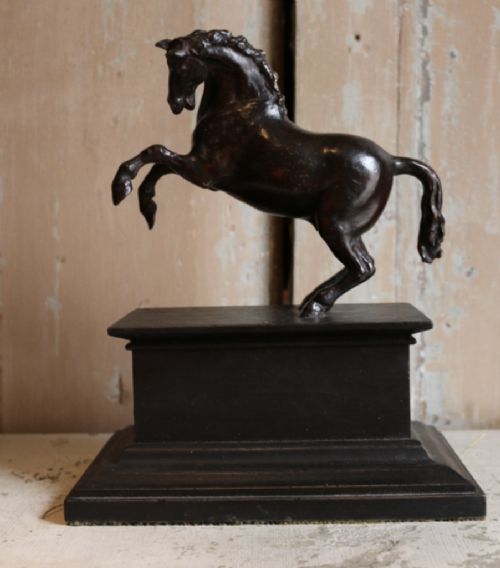
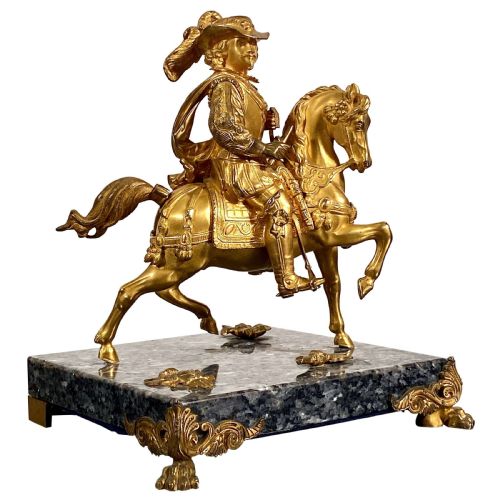


Antique Horse Statuette
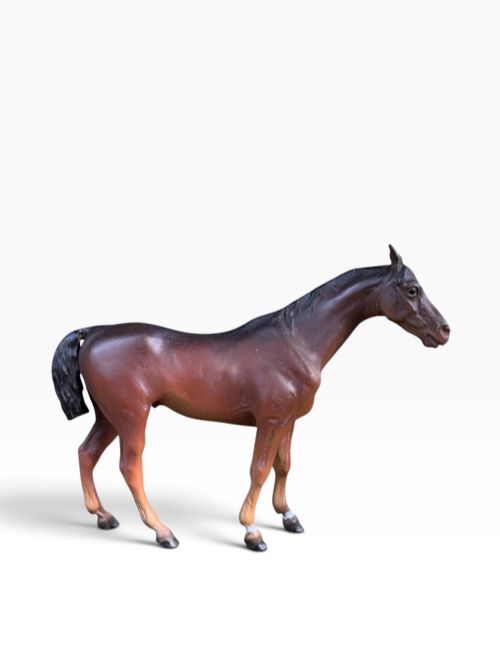
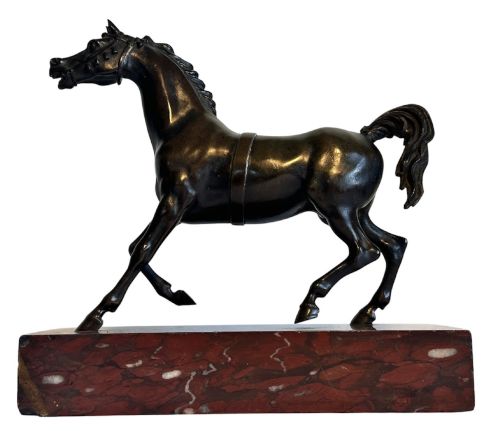
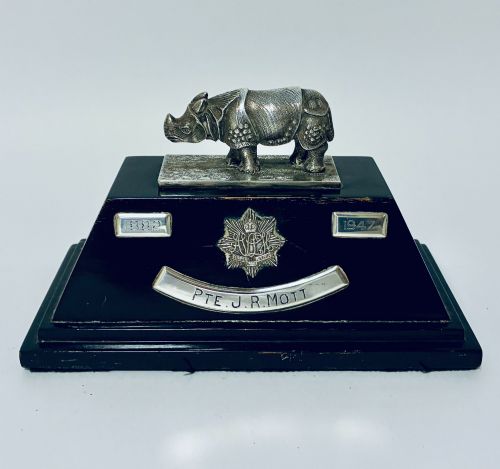
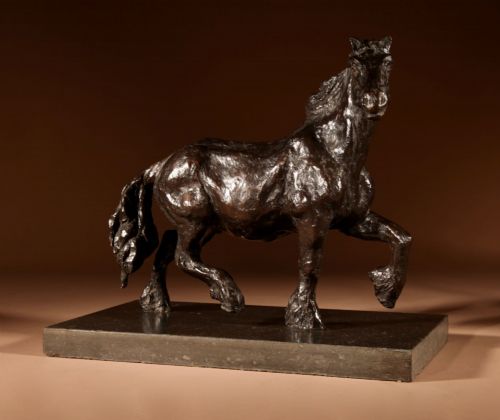
These antique horse statuette selections span bronze, wood and earthenware across the nineteenth and twentieth centuries.

Antique Horse Statuette
An antique horse statuette captures equine form in materials ranging from bronze to wood, spanning centuries of sculpture and decorative art. When searching for an antique horse statuette, buyers encounter diverse expressions including nineteenth century animalier studies, Grand Tour souvenirs, and earthenware figures.
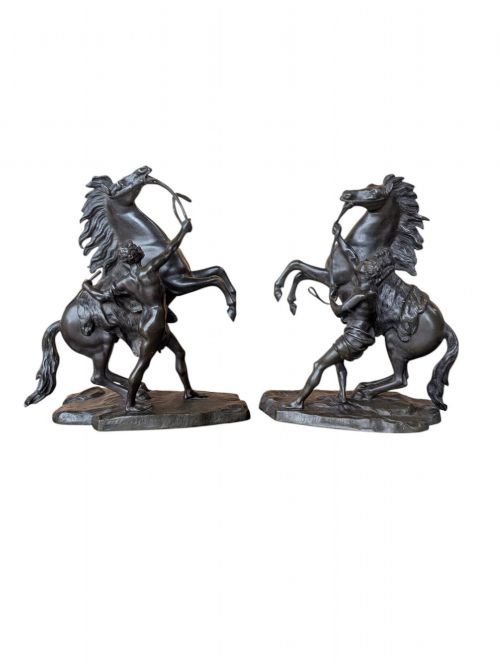
The selections on this page feature notable nineteenth century bronzes, Victorian Staffordshire ceramics, and twentieth century Art Deco models. Animals appear mounted on marble bases, as table lighters, or cast as pairs following classical models.
Origins stretch from European foundries in Vienna and Italy to British workshops and Japanese Meiji period studios. Forms vary from powerful draft horses and racing champions to historical figures on horseback.
How they were made
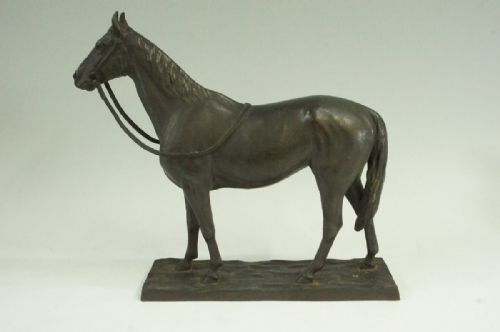
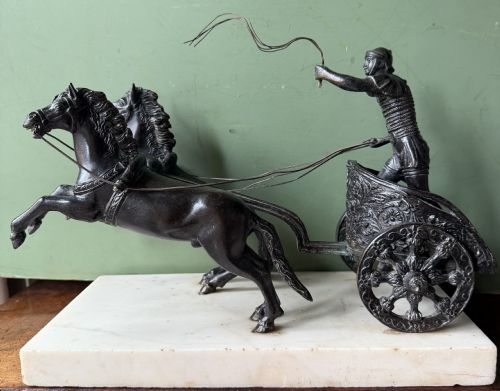
Foundries shaped metals through casting, producing bronze, gilt bronze, and ormolu pieces, sometimes finished with cold-painted polychrome surfaces or gilding. Marble and olive wood served as plinths and bases for heavier metal sculptures.
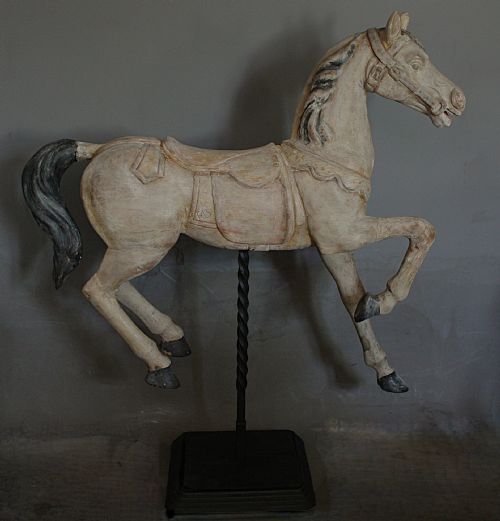
Wood pieces reveal hand carving techniques applied to hardwoods, capturing muscular detail in subjects like draught horses. Earthenware and pottery examples utilise moulded clay finished with glazes and hand painting.
Antique Horse Statuette Retail Price Guide 2026
Typical asking prices for horse statuette among the pieces listed under this phrase on Sellingantiques today, from the lower quarter to the upper quarter. They describe what is for sale here now, not the wider market.
Dick Turpin found immortalisation not just in folklore, but as a nodding acquaintance on your desk in the form of an Art Deco table lighter.
What varies in quality
The degree of anatomical precision and muscular definition separates finer sculptures from simpler decorative casts. Foundries achieved greater realism through careful chasing of the metal surface after casting.
The quality of the base material, such as finely veined marble or turned olive wood, often matches the artistic ambition of the mounted bronze. Original surface treatments, including cold paint and fire gilt ormolu, retain varying degrees of preservation.
Franz Bergman·Kunio Itô·Luigi Secchi·Renee Sintenis
The Antique Horse Statuette Glossary
- Animalier
- A nineteenth century artistic movement focused on the realistic portrayal of animals. Sculptors in this style studied live creatures to capture tension and movement accurately.
- Cold-painted bronze
- A Viennese technique where paint is applied to a bronze casting without heat firing. This method allowed for vivid polychrome finishes on small statuary.
- Grand Tour
- A traditional trip through Europe undertaken by upper-class scholars and collectors. Souvenirs purchased along the route frequently included miniature bronzes of classical monuments and animals.
- Ormolu
- Gilt bronze ornamentation applied to decorative objects and sculptures. The process involves coating metal objects in a mercury and gold amalgam.
- Meiji
- A period in Japanese history marked by extensive trade with the West. Bronzes from this era often display exceptional metallurgical skill and intricate surface detail.
Antique Horse Statuette: Frequently Asked Questions
What is an animalier bronze?
An animalier bronze is a sculpture depicting animals, which gained immense popularity during the nineteenth century across Europe. These pieces focused on anatomical accuracy and natural behaviour.
Artists observed subjects in menageries and rural settings to translate muscle and movement into metal.
How do I identify a Grand Tour bronze?
Grand Tour bronzes were purchased as travel souvenirs in Italy during the nineteenth century. They often depict classical subjects or historical figures mounted on marble plinths.
These pieces served as portable reminders of European cultural travel for collectors.
What is cold-painted bronze?
Cold-painted bronze refers to metal sculptures finished with oil or varnish paints applied without high-temperature firing. This technique originated largely in Austrian workshops during the late nineteenth century.
Staff applied colours by hand to create realistic coats and harness details on small figures.
Are Staffordshire horse figures common?
Staffordshire potteries produced earthenware figures of animals and notable personalities during the Victorian era. These ceramic pieces were moulded and hand painted for domestic display.
Potters used earthenware bodies covered in glazes to create accessible ornaments for British homes.