


Cold Painted Animal Bronze
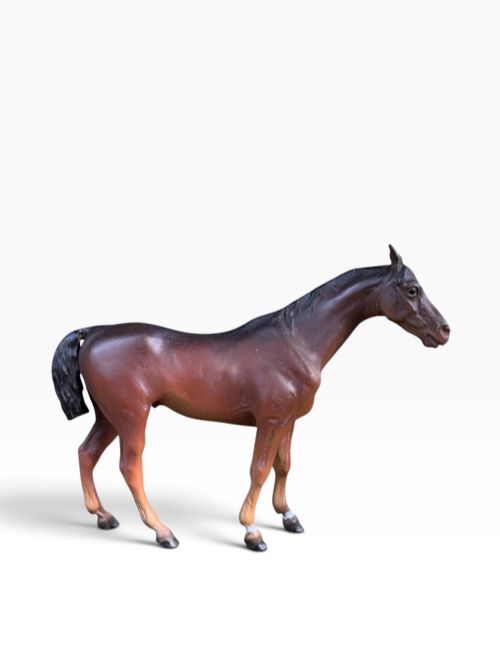
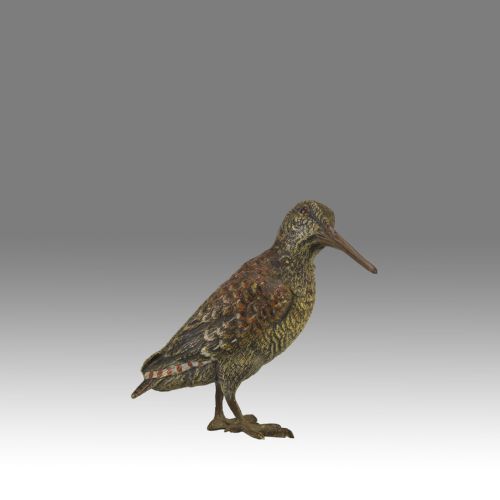
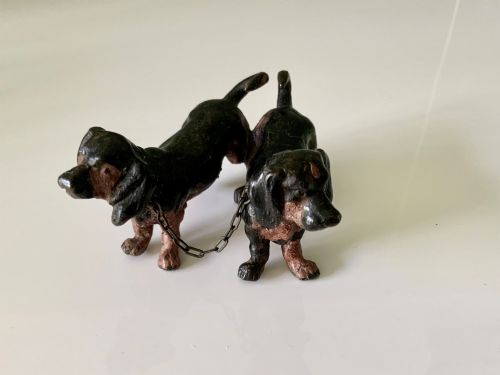
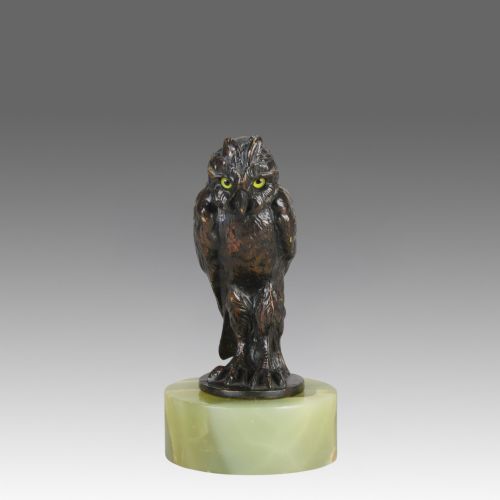
Cold painted animal bronze sculptures are miniature figures brought to life with vibrant polychrome pigments, prized for their character and detail.
Cold Painted Animal Bronze
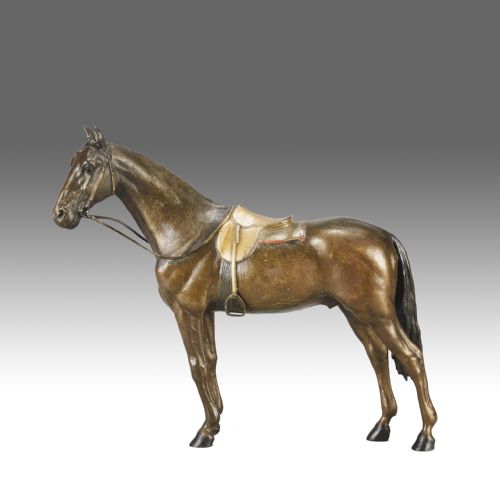
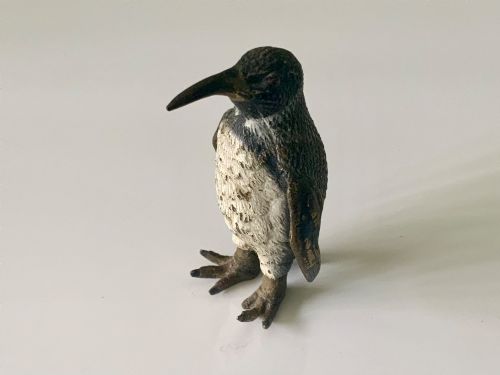
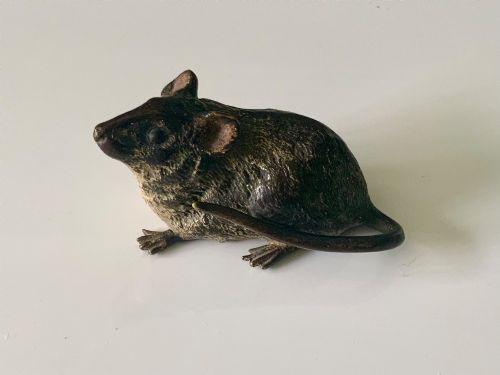
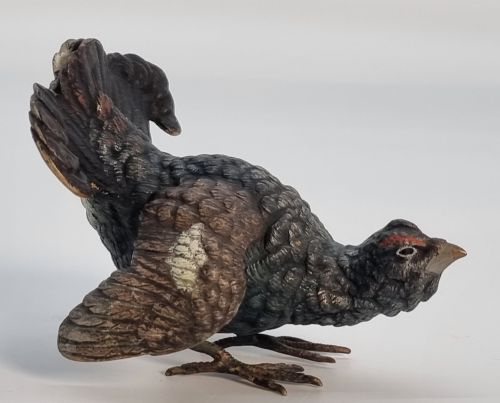
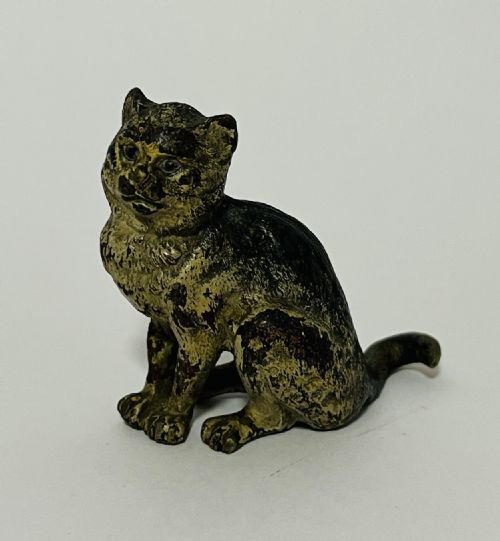
A cold painted animal bronze is a small metal sculpture finished with non-fired paint, depicting creatures from domestic dogs and farmyard birds to exotic wildlife. You will most frequently encounter pieces originating from Austrian workshops dating from the nineteenth and early twentieth centuries.
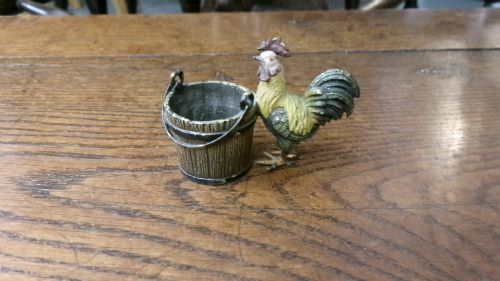
The selection ranges from simple desk accessories and pin cushions to elaborate figural studies and bookends. Many pieces capture naturalistic animal behaviour, while others adopt whimsical human attributes such as saddles or buckets.
Materials and Techniques
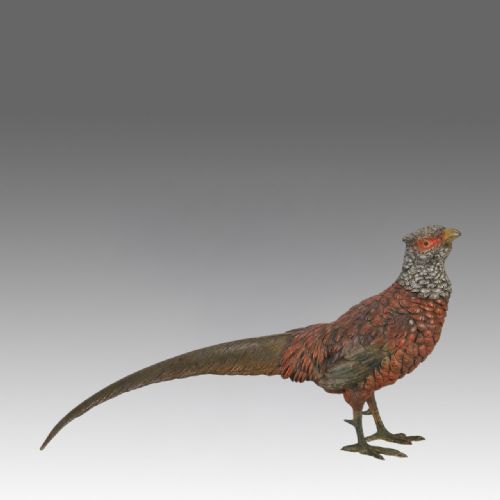
These works begin as cast metal forms, predominantly bronze, which receive meticulous hand-applied cold paint rather than being fired in a kiln. Artisans layer polychrome pigments over the metal base to build realistic plumage, fur texture and markings.
Certain examples incorporate stone elements such as green onyx or marble for mounting bases or structural support. The combination of detailed metal casting and delicate surface painting defines the medium.
Listings feature periods spanning the nineteenth century through the 1930s, utilising bronze, paint, onyx and marble.
Assessing Quality
Quality rests in the fidelity of the casting and the preservation of the delicate pigment layer. Finer examples display crisp anatomical detail in the metalwork and subtle shading in the hand-painted surfaces.
The distinction between standard figures and superior pieces also lies in the expressiveness of the subject and the integration of functional elements such as inkwells or mounted bases.
Franz Bergman·Jules Moigniez
The Cold Painted Animal Bronze Glossary
- Cold-Painted Bronze
- Bronze sculpture decorated with unfired oil or enamel paint applied to the metal surface. This technique allows for vibrant polychrome details that would be lost in traditional kiln firing.
- Vienna Bronze
- Small-scale Austrian bronze sculpture produced largely in Vienna during the late nineteenth and early twentieth centuries. These pieces are celebrated for their naturalistic and humorous animal subjects.
- Animalier
- A nineteenth-century artistic movement dedicated to the realistic portrayal of animals. Sculptors in this tradition focused on the accurate anatomy and behaviour of wildlife.
- Polychrome Paint
- The application of multiple colours to the surface of an object. In these bronzes, it creates lifelike feathers, coats and markings.
Cold Painted Animal Bronze: Frequently Asked Questions
What is a cold painted bronze?
A cold painted bronze is a metal figure decorated with paint that dries naturally rather than being fired in a kiln. This method preserves delicate polychrome details across the surface of the sculpture.
These pieces were produced primarily in Austrian workshops as decorative ornaments, desk accessories or miniature collectibles.
How do I clean a cold painted bronze?
Cleaning requires a soft, dry brush to gently remove dust from the surface. Moisture and chemical cleaners must be avoided to protect the fragile paint layers.
Proper maintenance ensures the original pigments remain stable and intact over time.
Where were these bronzes made?
The majority of these pieces originated in Austrian foundries, particularly in Vienna, during the nineteenth and early twentieth centuries. Major workshops employed skilled modellers and painters to produce diverse animal subjects.
French sculptors also contributed significant animalier works during the nineteenth century.
How can I identify a Vienna bronze?
Vienna bronzes often feature characteristic casting marks, stamps or Bergman amphora signatures beneath the metal. The subject matter typically focuses on birds, dogs and wildlife rendered with high naturalism.
Weight, patina and the specific texture of the cold paint layer also provide clues to their origin.