
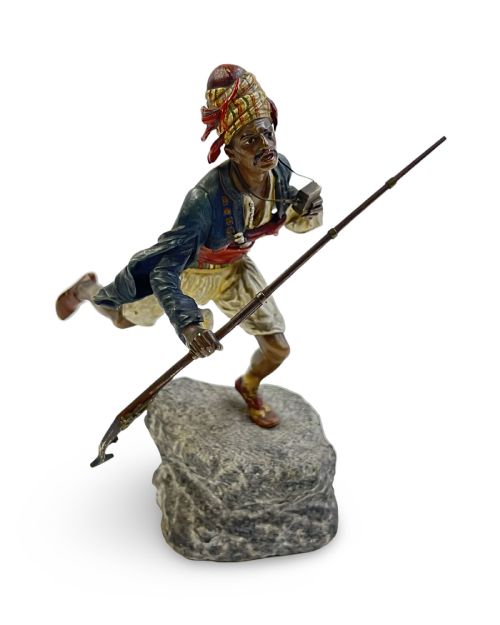
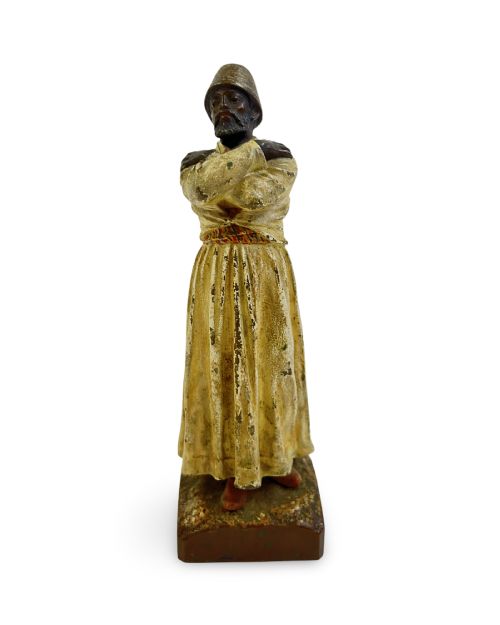
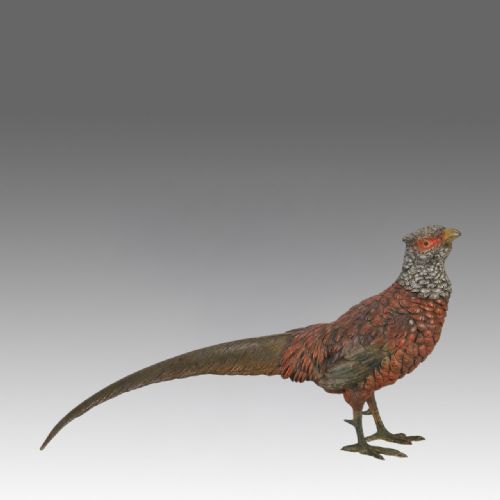


Bergman Vienna Bronze Figure
A bergman vienna bronze figure is a characterful cast metal sculpture finished with vibrant pigments, prized for its expressive detail.
Bergman Vienna Bronze Figure
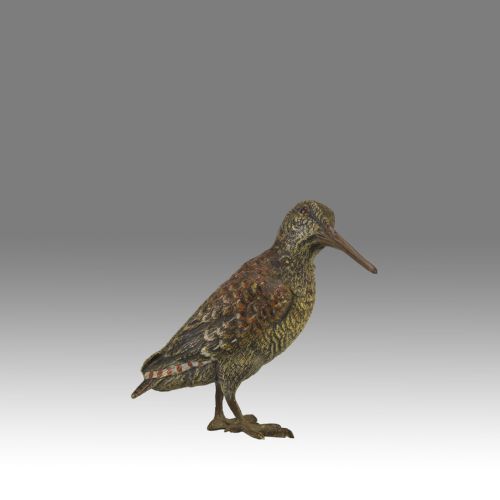
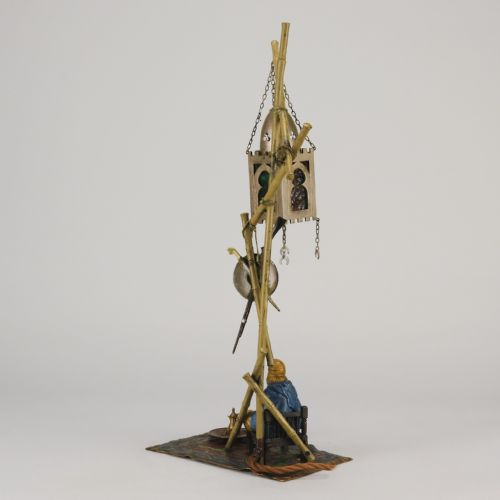
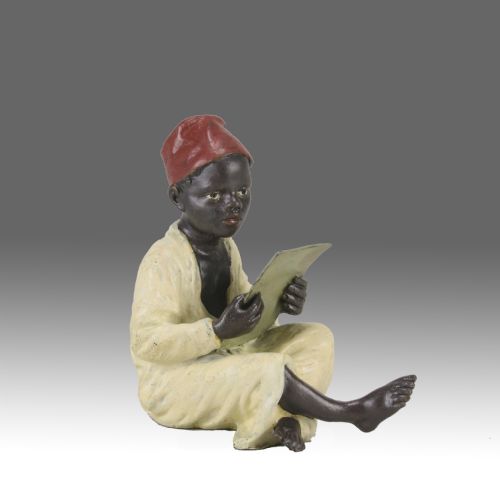
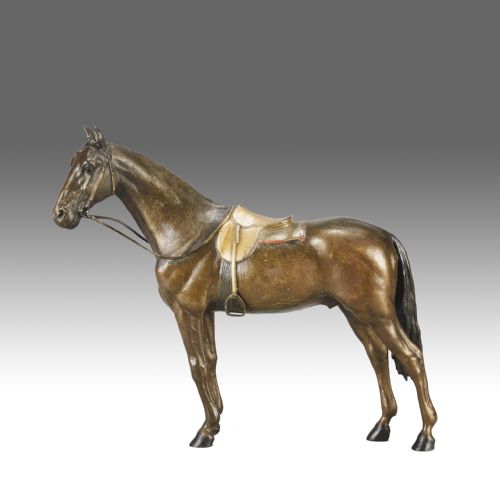
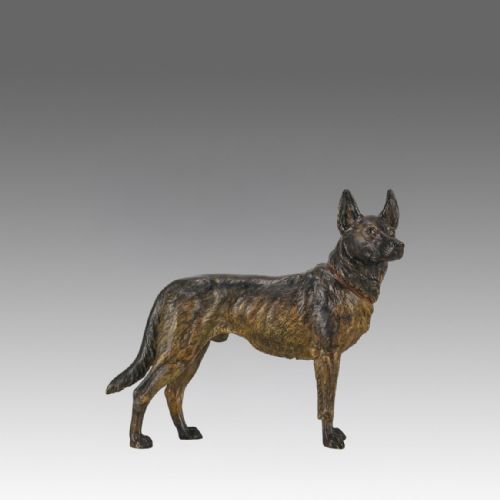
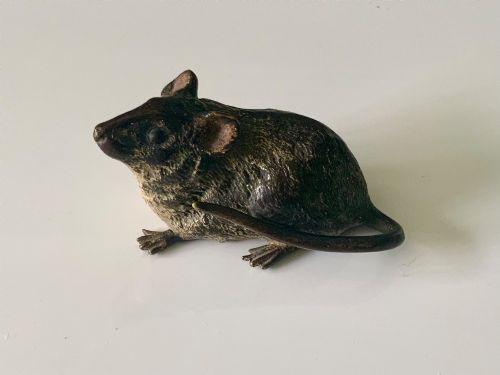
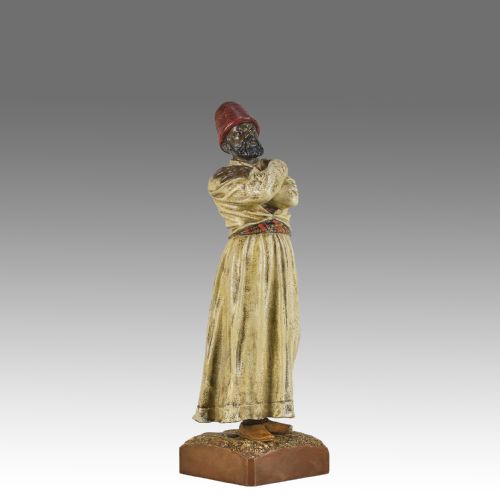
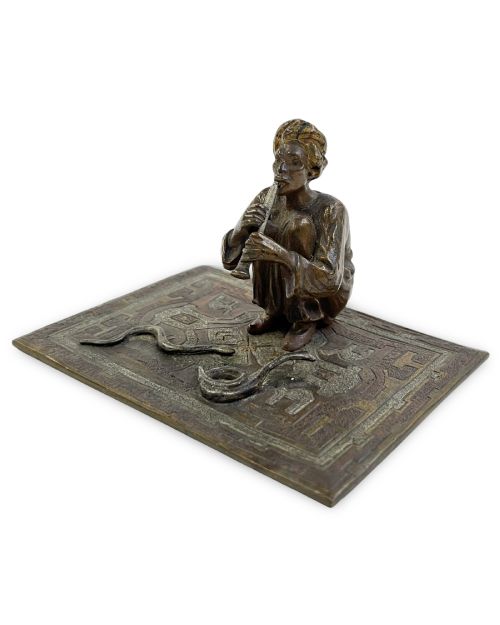
A bergman vienna bronze figure captures the artistic spirit of the late nineteenth and early twentieth centuries through imaginative subjects. Collectors encounter small sculptures depicting animals, birds, human figures, and elaborate Orientalist scenes.
The most common versions on this page originate from the early twentieth century and the Victorian era. These pieces range from miniature animal studies to complex figurative works like table lamps and dishes.
Originating predominantly from Austrian workshops, these bronzes reflect distinct cultural interests of the period. Figures often portray figures in native attire, exotic animals, or domestic pets modelled with realistic proportions.
How they were made
Craftsmen cast these sculptures in bronze using traditional methods before applying pigment by hand. The surface treatment relies on cold-painting, where oil or enamel paints are applied to the unheated metal rather than fired in a kiln.
Makers utilised polychrome paint, enamel paint, and cold paint to build up layers of rich colour on the metal surface. Accents in glass or mountings in marble occasionally complement the bronze structures.
Among the creatures captured in metal, a racing greyhound chased by a mischievous monkey brings unexpected drama to the table.
What varies in quality
The sophistication of the casting and the precision of the chiselling distinguish finer examples from standard work. Superior pieces exhibit crisp feather and fur texture beneath the pigment, alongside naturalistic postures.
The preservation and skill of the original cold-painting dictate the visual impact of each figure. Subtle shading and intact polychrome surfaces demonstrate superior atelier execution compared to heavily retouched examples.
Franz Bergman·Franz Xaver Bergman·Franze Bergman
The Bergman Vienna Bronze Figure Glossary
- Cold-Painted Bronze
- A bronze sculpture decorated with unfired paint applied directly to the metal surface. This technique allows for intricate multi-coloured details that define Vienna bronzes.
- Vienna Bronze
- A term for small cast bronze sculptures produced in Austrian workshops during the nineteenth and twentieth centuries. These objects are celebrated for naturalistic animal studies and Orientalist subjects.
- Orientalism
- An artistic style depicting themes, figures, and architecture from Middle Eastern and North African cultures. Many figures in this tradition portray Arab subjects, musicians, and traders.
- Polychrome Paint
- Multiple colours applied to a single surface to create a lifelike appearance. In these sculptures, the palette ranges from bright bird plumage to subtle skin tones.
Bergman Vienna Bronze Figure: Frequently Asked Questions
What subjects are most common?
Animals and birds dominate the production, alongside human figures engaged in daily or theatrical activities.
Orientalist scenes featuring figures in tents, dervishes, and Arab traders also form a significant portion of the available output.
How can I tell the period?
Stylistic cues point toward late Victorian, Edwardian, or early twentieth-century design aesthetics and manufacturing techniques.
Examining the casting quality, the wear of the paint, and known workshop signatures helps establish the date of manufacture.
Where were these figures made?
The workshops operating in Vienna, Austria, produced the vast majority of these distinct cast metal figures.
Master founders and painters in the region developed the signature cold-painting style that distinguishes this category of antiques.