


Equestrian Desk Ornament
An equestrian desk ornament brings the power and grace of the horse directly to your workspace through detailed bronze, marble, and silver castings.

Equestrian Desk Ornament
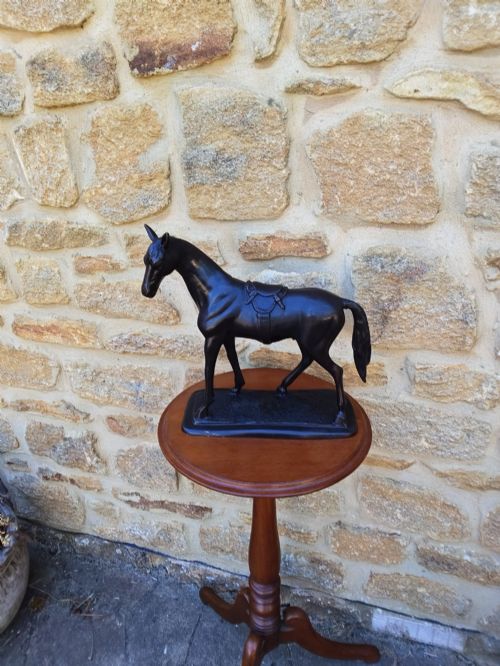
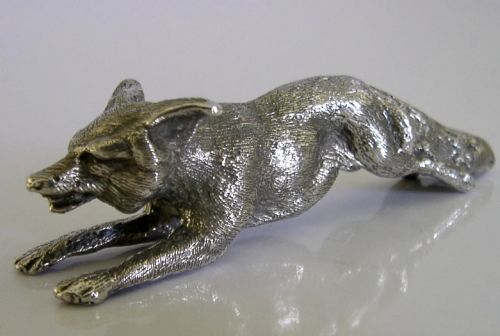
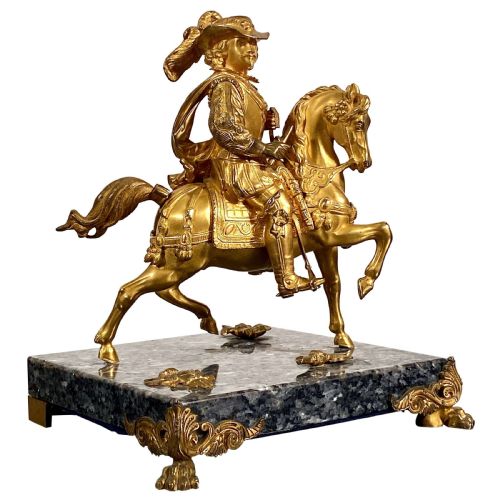
An equestrian desk ornament serves as both a functional paperweight and a striking sculptural display piece for the office or library. These items take many forms, ranging from solitary stallions and racehorses to historical figures on horseback and racing subjects.
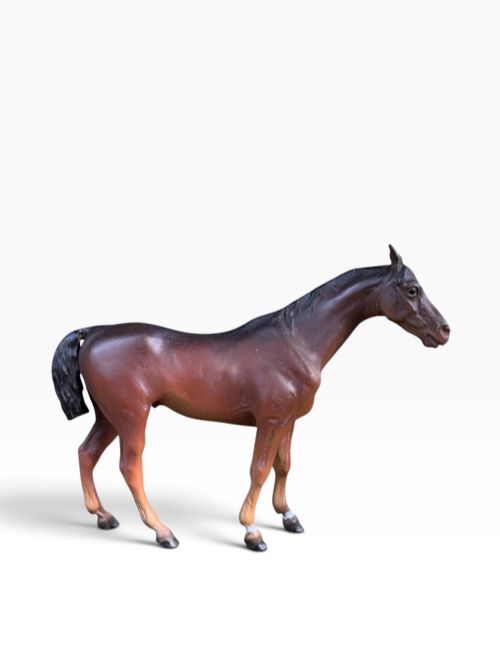
The pieces available span multiple periods from the nineteenth century through the mid-twentieth century, capturing changing tastes in animalier sculpture and desk accessories. Buyers encounter various interpretations, including French animalier works, Viennese cold painted bronzes, and English silver figures.
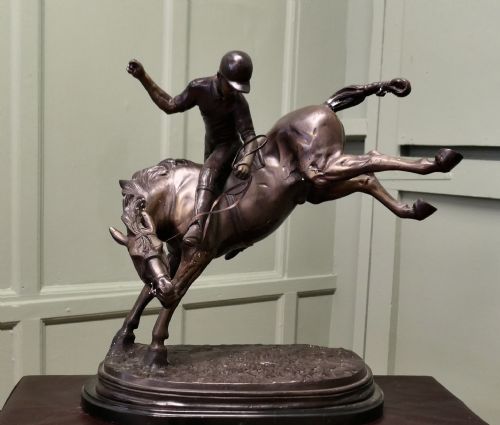
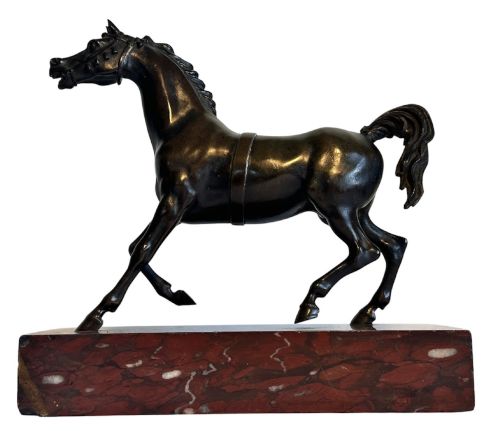
Common motifs include thoroughbreds, polo players, jockeys, and military commanders mounted on steeds. Many incorporate bases of marble, slate, or ebony to anchor the metalwork firmly on a desk.
Materials and construction
Makers utilised traditional casting techniques such as the lost-wax method to capture fine anatomical details in bronze, patinated bronze, and gilt bronze. Surface finishes range from cold-painted polychrome colours to polished ormolu highlights.
Equestrian Desk Ornament Retail Price Guide 2026
Typical asking prices for equestrian desk ornament among the pieces listed under this phrase on Sellingantiques today, from the lower quarter to the upper quarter. They describe what is for sale here now, not the wider market.
Object forms range from traditional animalier sculptures and desk paperweights to novelties like spurred boots and racing monkeys.
Factors of quality and execution
The integration between the metal figure and its stone base marks a distinction in craftsmanship, where tighter fittings and superior stone selection elevate the object. Furthermore, the originality and preservation of surface patination dictate the visual depth and historical integrity of the work.
Philip Blacker MRSS·Pierre Jules·Paul Joseph Gayrard
The Equestrian Desk Ornament Glossary
- Animalier
- A nineteenth-century artistic movement focused on the realistic depiction of animals, particularly in sculpture. Practitioners often cast horses, dogs, and wildlife in bronze.
- Cold Painted Bronze
- A technique where bronze sculptures are painted with oil-based paints that cure without high-temperature firing, notably practiced in Vienna. These pieces often show naturalistic colouring on the animal.
- Ormolu
- Finely ground high-carat gold applied to a bronze base using a mercury amalgamation process, or simply gilded bronze. This finish imparts a rich, lasting golden sheen to desk statuary.
- Patinated Bronze
- Bronze treated with chemical solutions to produce a specific surface colour, ranging from deep brown to verdigris. This process protects the metal while enhancing visual depth.
- Specimen Marble
- Multi-coloured decorative marble composed of various geological samples assembled into a single base or slab. It adds striking natural patterns beneath equestrian bronzes.
Equestrian Desk Ornament: Frequently Asked Questions
What is an equestrian desk ornament?
An equestrian desk ornament is a small sculpture or paperweight depicting a horse, rider, or racing scene designed for use on a writing desk.
These pieces combine decorative appeal with practical weight to hold down papers.
How were cold painted bronzes made?
Makers cast the bronze figure first and then applied layers of natural oil-based paint by hand without firing the piece in a kiln.
This delicate technique preserves fine metal details underneath the coloured surface.
What materials make up these desk pieces?
The primary materials include bronze, sterling silver, patinated bronze, and gilt bronze combined with heavy stone bases like marble and ebony.
These dense materials give the ornaments sufficient heft to function effectively as paperweights.
How do I identify a nineteenth-century piece?
Nineteenth-century works typically display naturalistic animalier styling, heavier casting techniques, and traditional patination methods unique to the period.
Examining the base and the attachment methods also helps determine the age of the object.