
Antique Horse Figurine
An antique horse figurine captures the power and grace of the animal in bronze, earthenware, and carved wood.
Antique Horse Figurine
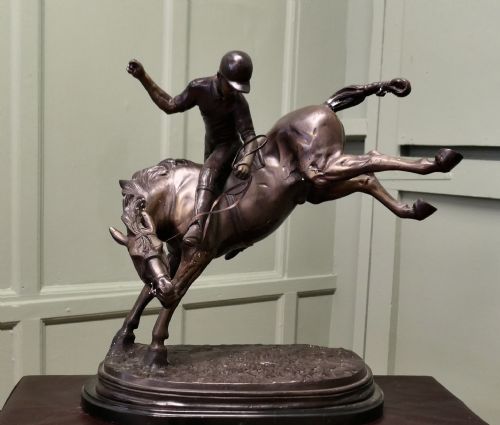
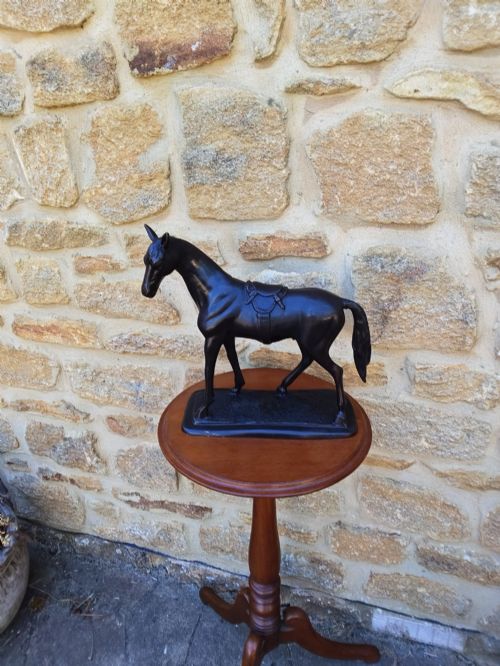
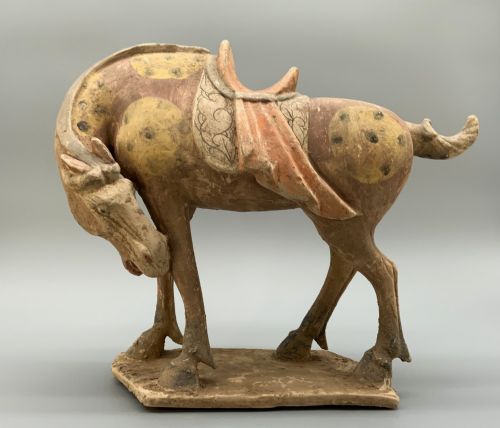
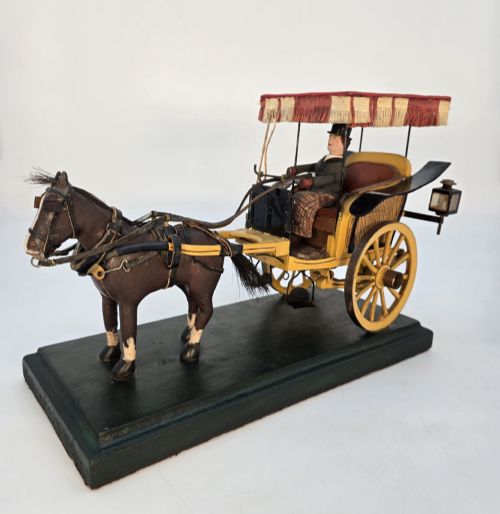
An antique horse figurine represents equine subjects across several centuries, capturing horses in motion, at rest, or carrying riders. These pieces range from substantial European foundry castings to earthenware pottery figures and folk art carvings.
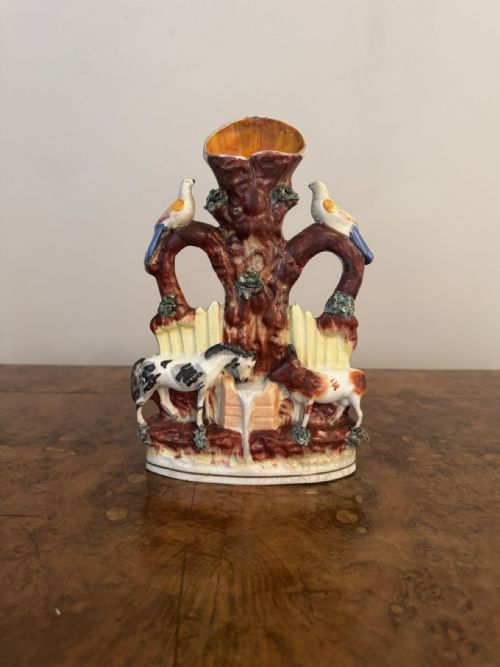
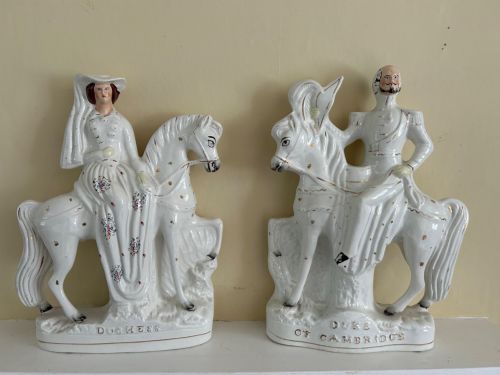
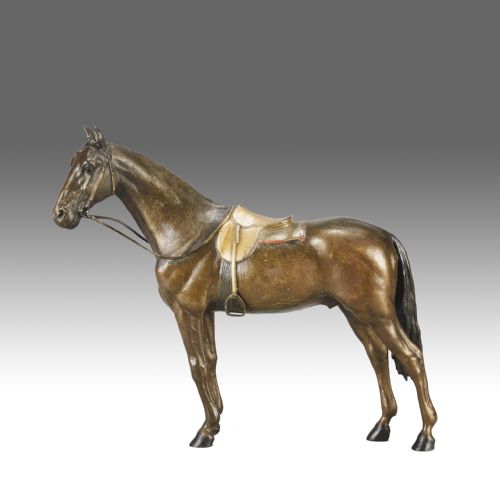
The selections on this page centre heavily on nineteenth-century bronze animalier studies and Victorian Staffordshire pottery figures. Buyers will also encounter early twentieth-century cold-painted Austrian bronzes and carved wooden models.
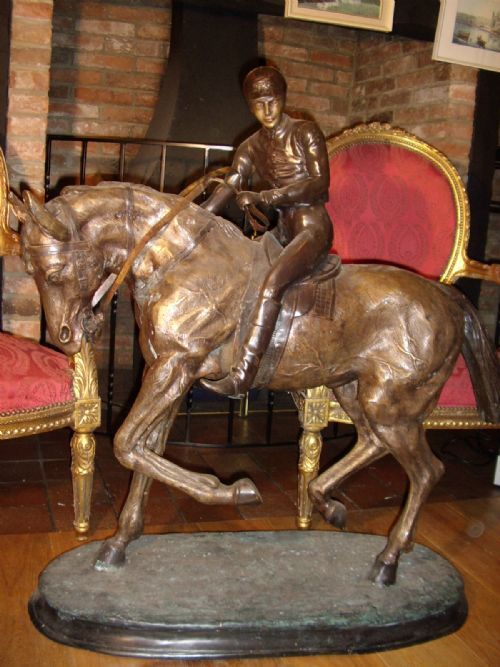
Forms span from realistic racehorses and draft animals to historical equestrian monuments and decorative bookends. Each version reflects the prevailing aesthetic of its period, whether French academic realism or English folk tradition.
How They Were Made
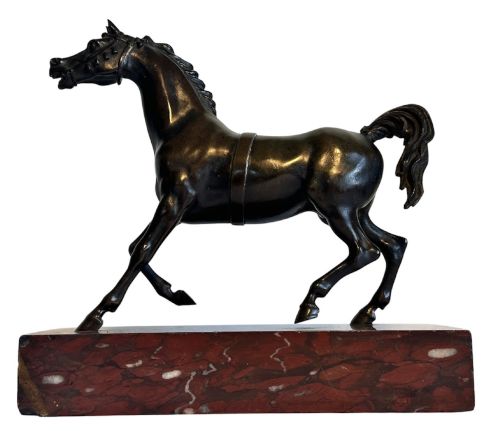
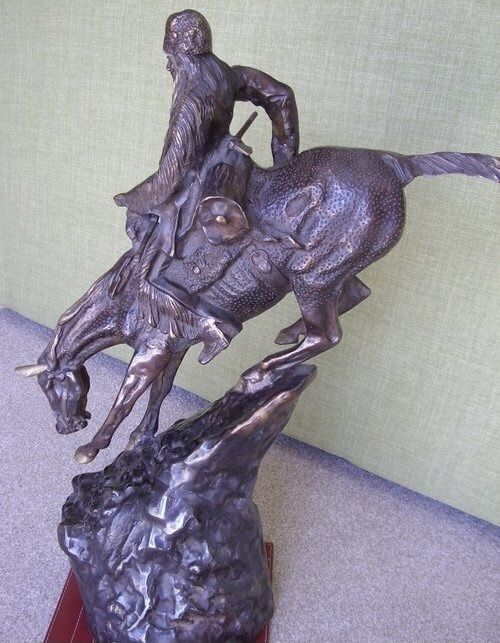
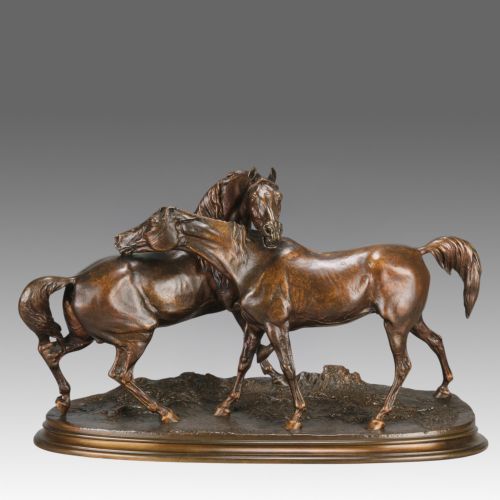
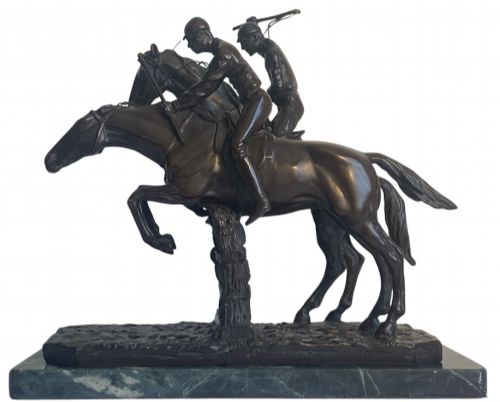
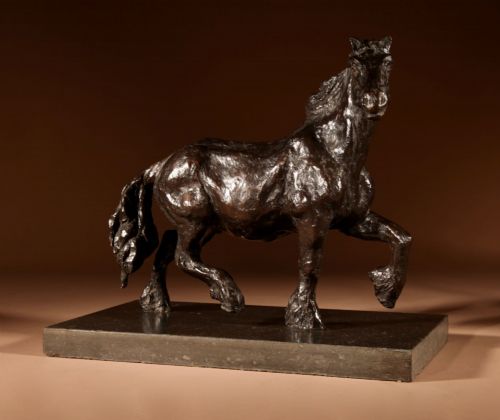
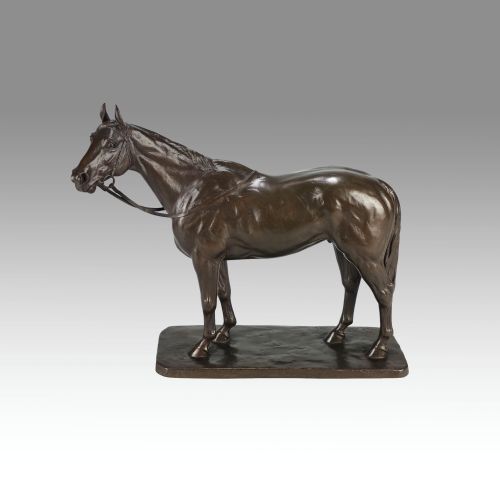
Metal sculptures utilise traditional lost-wax or sand-casting methods in bronze and brass, often finished with cold-painted polychrome details or dark patination. Marble plinths frequently support these heavy metal figures to provide stability and visual contrast.
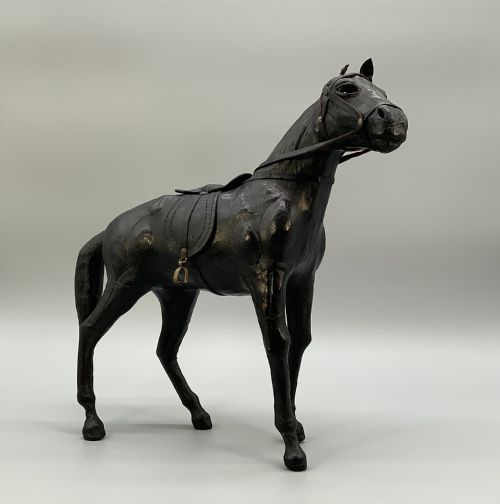
Ceramic pieces rely on earthenware and porcelain bodies shaped in pottery moulds, then hand-painted under coloured glazes or enamel finishes. Wood and hardstone examples show careful hand-carving and polishing techniques by regional makers.
Materials across these listings span cast bronze, glazed earthenware, carved wood, marble, and hardstone.
What Varies in Quality
Surface finish and patination dictate the visual success of the piece, with rich, original patinas and careful hand-painting holding more presence than flat modern applications. The quality of the base material, such as heavy veined marble or dense hardwoods, further distinguishes superior examples.
Pierre Jules Mene·Franz Bergman·Kunio Ito·John Willis Good·Pierre Lenordez
The Antique Horse Figurine Glossary
- Animalier
- A nineteenth-century artistic movement focusing on the realistic portrayal of animals. Sculptors in this tradition studied anatomy closely to capture creatures in dynamic movement.
- Cold-painted
- A technique where bronze figures are painted with cold enamel paints without subsequent kiln firing. This finish requires careful handling to preserve the original pigment.
- Flatback
- A style of Staffordshire pottery figure moulded with a finished front and a flat, unglazed or minimally decorated reverse. These figures were designed to sit flush against cottage mantelpieces.
- Ormolu
- Gilt bronze ornamentation applied to decorative objects or used as mountings. The process involves treating the metal with a gold amalgam to achieve a rich metallic lustre.
- Sancai
- A traditional three-colour glaze scheme used widely in Chinese pottery. The glazes typically mix amber, green, and cream tones that run and merge during firing.
Antique Horse Figurine: Frequently Asked Questions
How do I date a bronze horse?
Dating relies on the style of the casting, the signature or foundry mark, and the nature of the patina. Nineteenth-century pieces often display deeper, hand-rubbed patination and crisper chiselling than later reproductions.
Examining the base material and fastening screws also helps confirm the period. Older bronzes use traditional threaded pins rather than modern hexagonal fixings.
What is an animalier bronze?
An animalier bronze is a nineteenth-century sculpture that depicts animals in realistic or dramatic poses. French and Viennese foundries produced these studies for domestic interiors.
These pieces celebrate the natural anatomy of horses, often capturing them rearing, racing, or standing quietly in harness.
Where were Staffordshire figures made?
Staffordshire figures originated in the Potteries region of central England during the Victorian era. Local potteries produced these earthenware figures in large quantities for working-class and middle-class homes.
They served as decorative mantel ornaments, often depicting famous historical figures, military leaders, or agricultural animals.
How should I clean my figurine?
Dust bronze and ceramic pieces gently with a soft, dry cloth to prevent surface accumulation. Avoid using harsh chemical cleaners, polishes, or water on antique patinas and painted glazes.
Bronze benefits from a very light application of microcrystalline wax if the metal appears dry, but most items only require basic dry maintenance.