

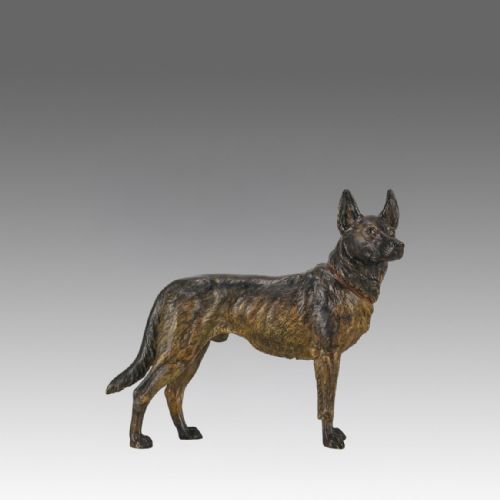
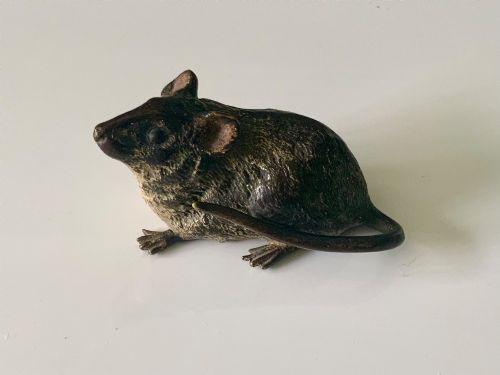

Dark Brown Bronze Sculpture
These dark brown bronze sculpture pieces bring the rich patination and sculptural depth of the nineteenth century straight into a modern interior.
Understanding dark brown bronze sculpture
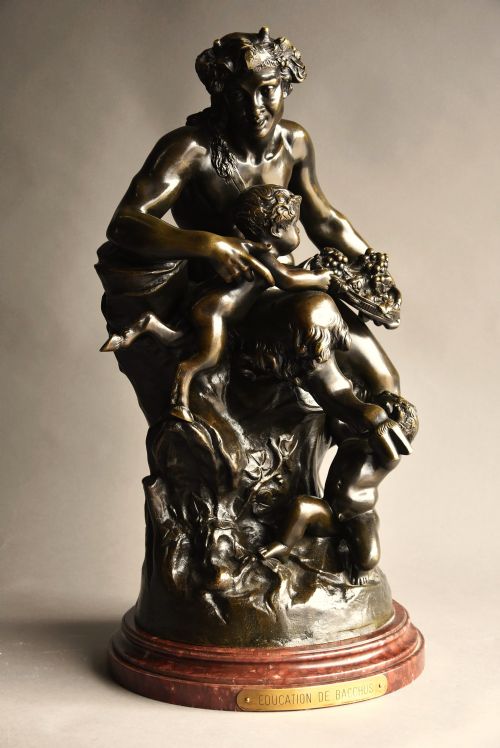
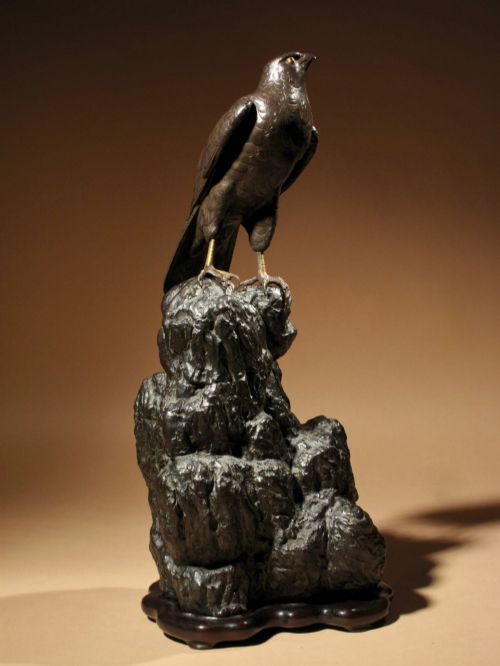
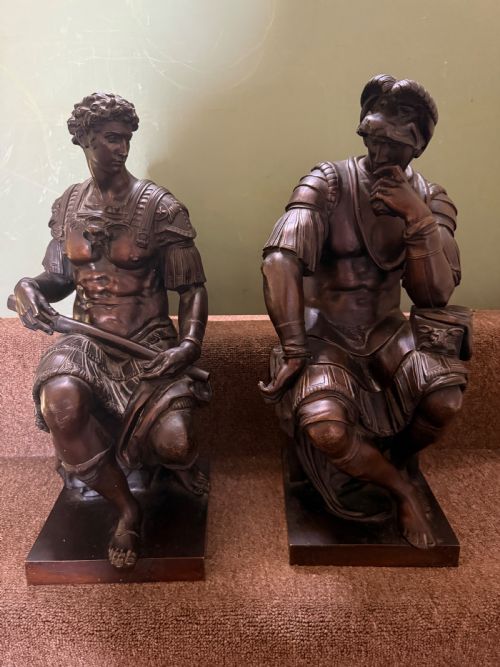
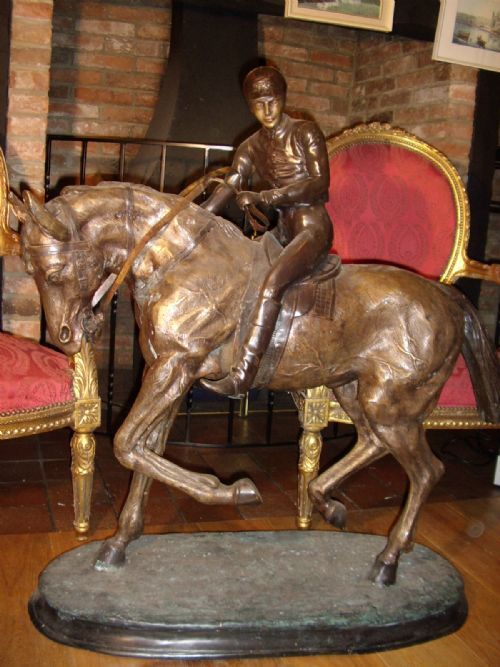
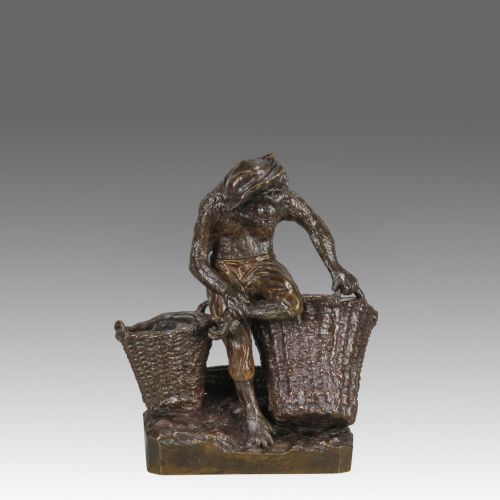
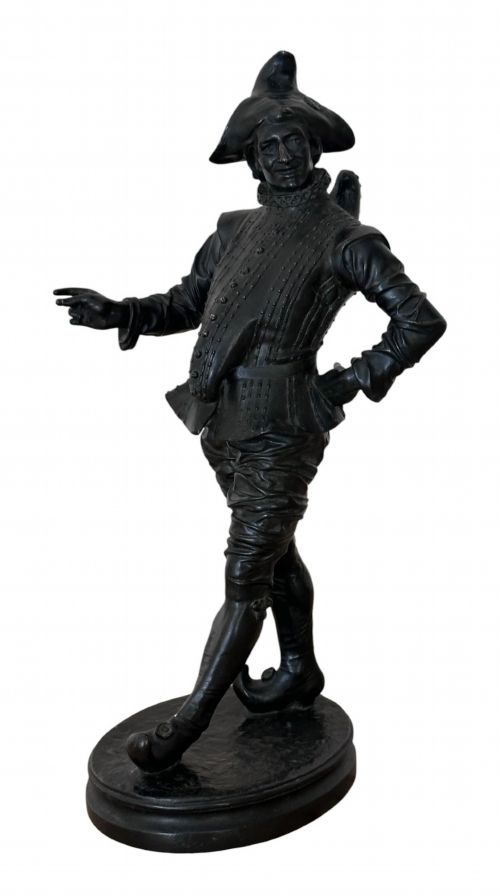
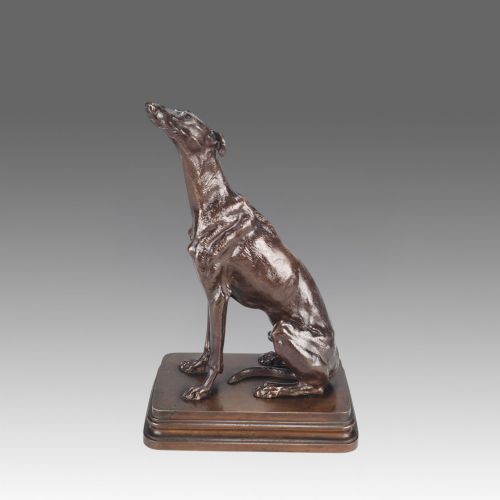
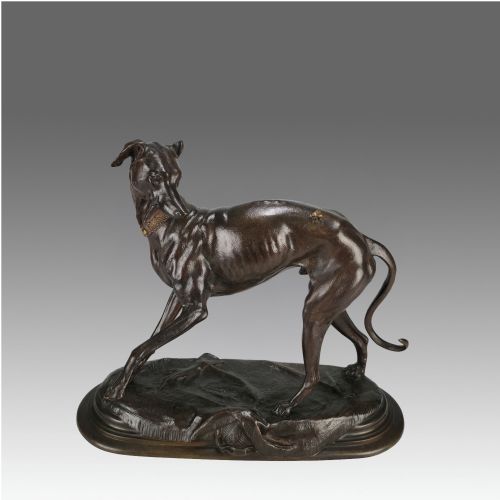
When you search for a dark brown bronze sculpture, you enter a diverse field of nineteenth-century metalwork spanning European and Japanese workshops. The examples found here encompass distinct stylistic movements, from the lively observation of the French Animalier School to classical mythological figures and Meiji period Japanese metalwork.
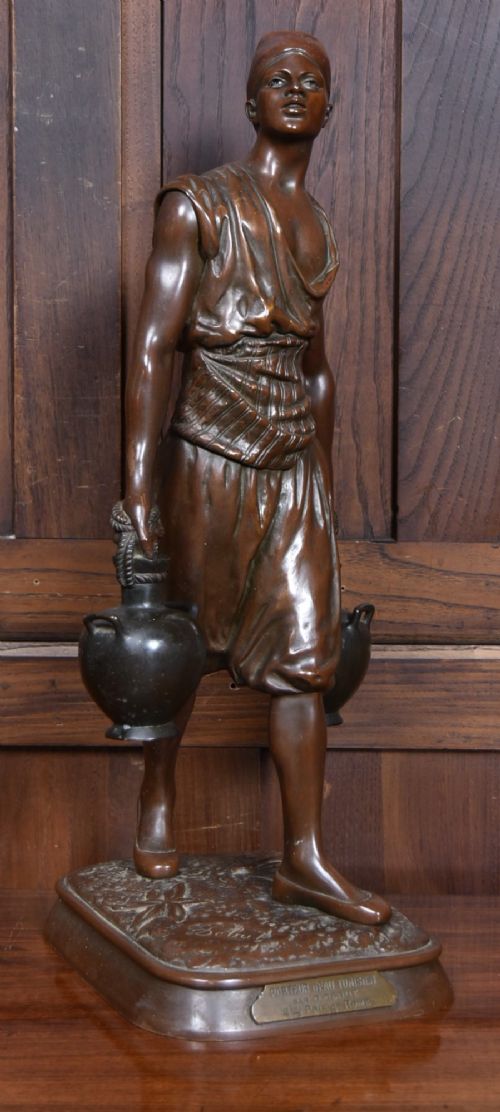
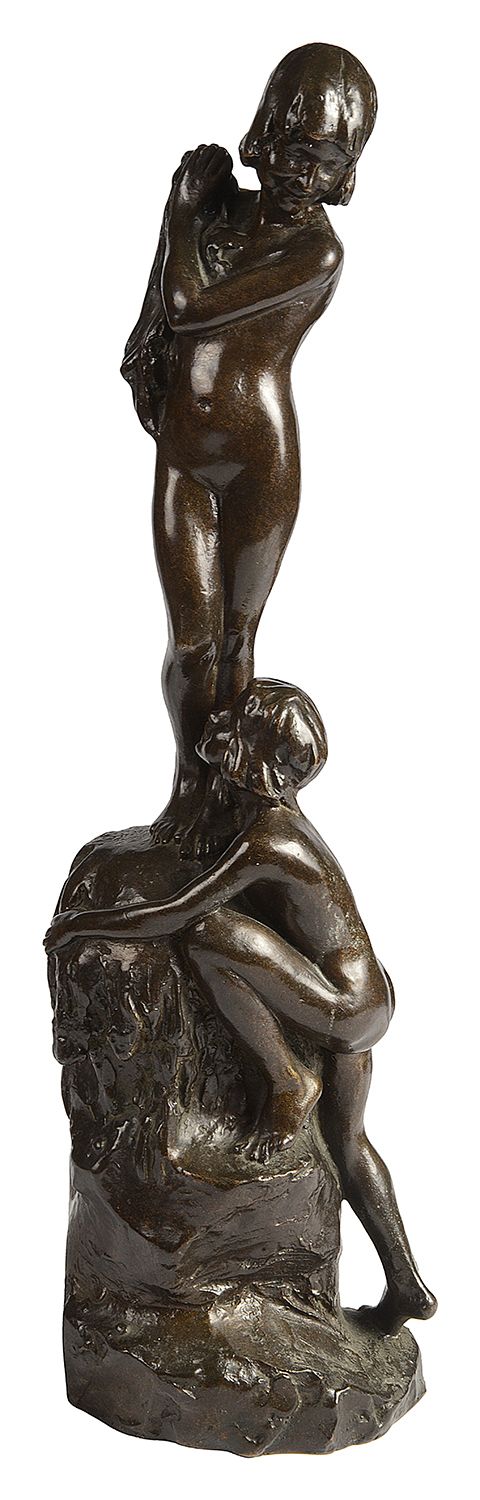
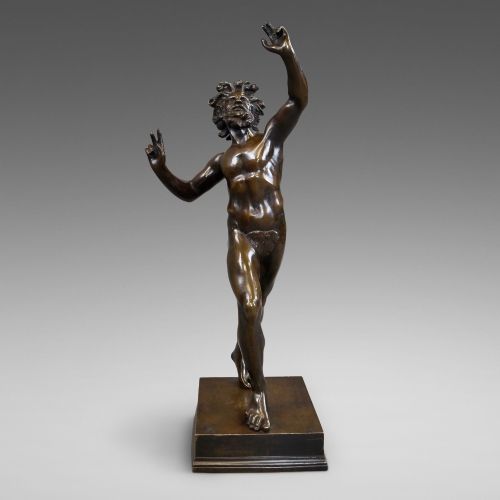
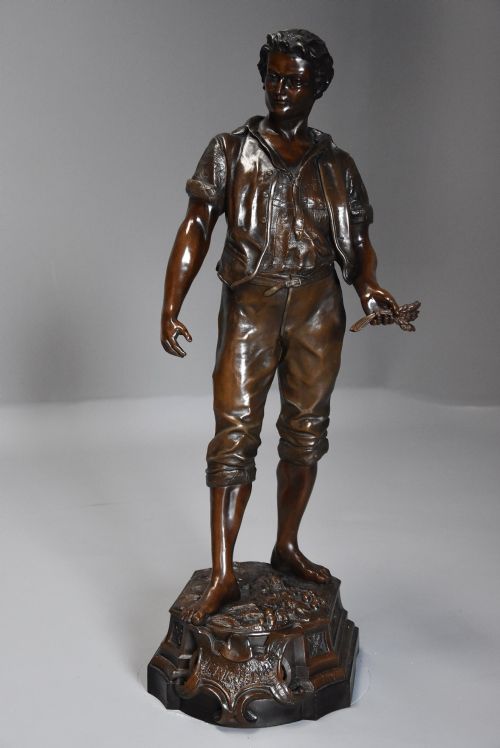
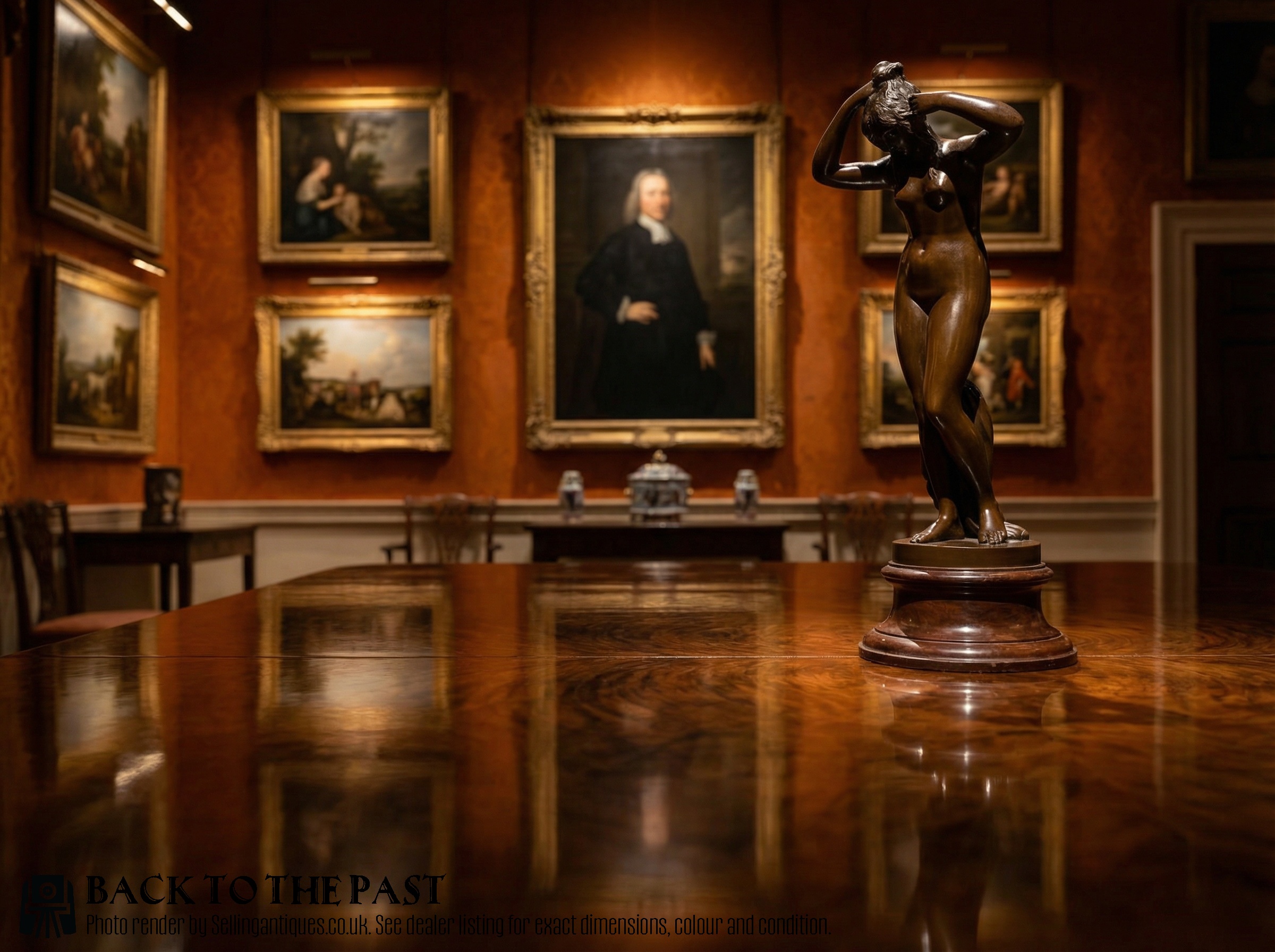
You are most likely to meet French and British foundry casts alongside continental cabinet bronzes mounted on marble bases or paired with root wood supports. Subjects range from hunting hounds and bathing figures to dancers and Orientalist water-carriers, reflecting the varied tastes of the Victorian collector.

Materials and casting methods
These works rely on traditional copper-alloy casting techniques, finished with dark patination applied to the metal surface to create deep brown tones. Many pieces incorporate secondary materials such as carved marble plinths or natural root wood bases that elevate and support the primary cast.
Foundries employed skilled chiselling and patination after the cast emerged from the mould, bringing out fine surface textures in hair, musculature, and drapery. Signatures and titles were frequently chased directly into the bronze surface or onto affixed plaques.
Retail Price Guide 2026
Typical UK retail prices for dark brown bronze sculpture, calculated from the Sellingantiques database of over a million retail prices indexed since 2003. This retail price guide relies exclusively on Sellingantiques data; no external sources or auction records are used, so the figures do not describe the wider market.
Current listings span Victorian, Meiji, and Neoclassical styles utilising bronze, marble, and root wood.
Assessing quality and execution
Quality in these works rests upon the crispness of the chase-work and the sensitivity of the dark patination, which should reveal rather than obscure the underlying metal details. Finer casts display precise anatomical accuracy and intricate surface texturing, particularly evident in animal fur and human drapery.
The integration of the base also signals distinction, whether through a heavy veined marble plinth or an organic root wood mount tailored to the sculpture. Signed works by recognised makers demonstrate a superior standard of foundry execution compared to unsigned commercial casts.
P J Mêne·Auguste Nicholas Cain·Carl Kauba·Gyoko·Henri Plé·Eugene Laurent
The Dark Brown Bronze Sculpture Glossary
- Patina
- A chemical or natural coloration of the metal surface, ranging here to deep dark brown tones. This finish protects the bronze while defining the sculptural contours.
- Animalier
- A nineteenth-century artistic movement focusing on the realistic depiction of animals, particularly dogs, lions, and horses. Founders often captured these subjects in dynamic motion.
- Lost-wax casting
- A traditional method where a wax model is melted out and replaced with molten bronze. This technique allows for intricate detail and undercut forms.
- Chasing
- The manual refinement of a raw bronze cast using small punches and hammers. Artisans use this process to sharpen details and remove casting flaws.
Frequently Asked Questions
What periods do these bronzes come from?
The pieces originate primarily in the nineteenth century, encompassing Victorian and Meiji period production.
Dates span from around eighteen-fifty through the eighteen-nineties, reflecting active European and Japanese foundry traditions.
How should I display a heavy bronze?
Ensure your display surface is structurally sound and capable of supporting the combined weight of the metal and any marble or wood base.
Position the piece away from direct heat sources to protect the patination and any organic elements like root wood.
Are these sculptures signed?
Several pieces feature signatures, foundry marks, or inscribed titles directly on the metal surface or base.
Signatures indicate specific makers or sculptors active during the nineteenth-century casting period.
What subjects are most common?
Subjects include human figures such as bathers, dancers, and Orientalist water-carriers, alongside animal studies.
Hunting hounds and eagles feature prominently among the animalier and Meiji period works.