
Late 19th Century Sculpture
Late 19th century sculpture encompasses cast bronzes, carved marbles and detailed wood figures produced during a period of revival and international travel.
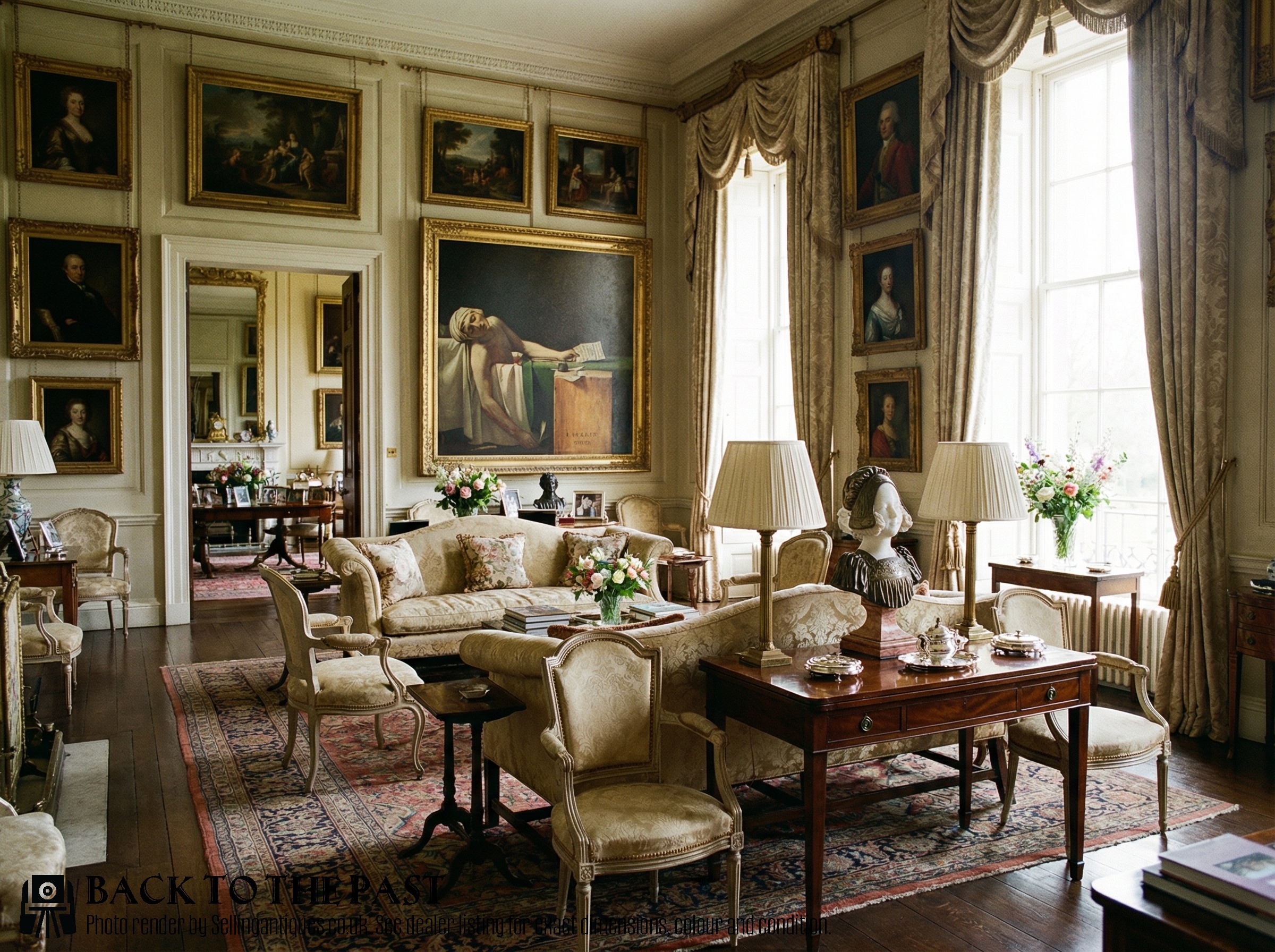
Late 19th Century Sculpture
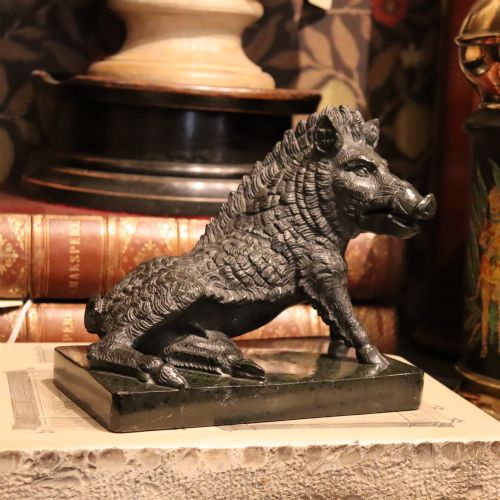
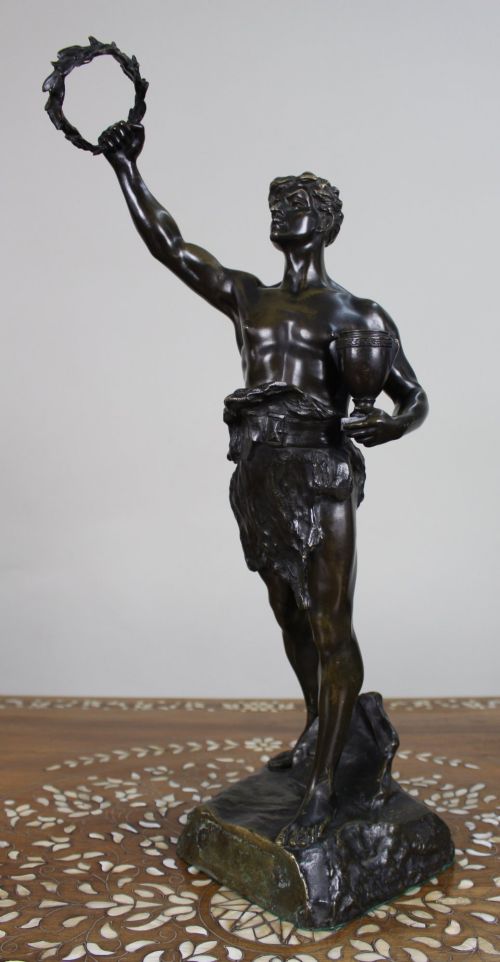
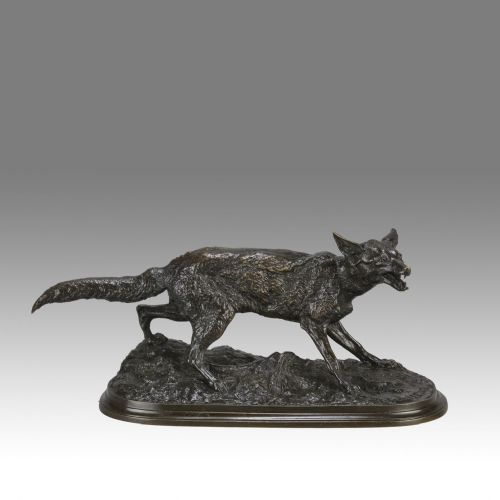
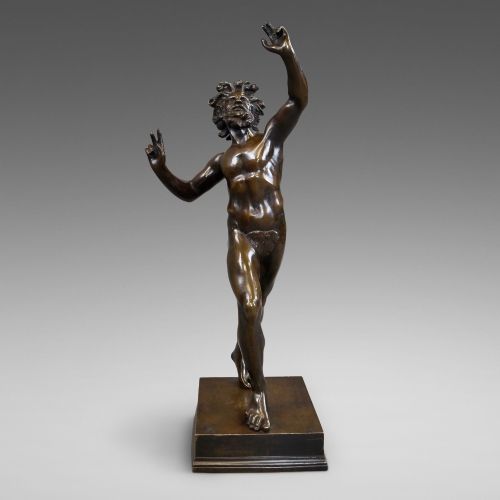
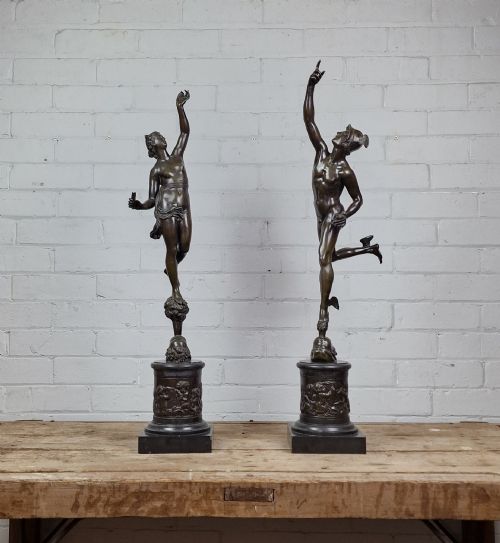
Late 19th century sculpture comprises works ranging from classical Grand Tour souvenirs to animalier bronzes and portrait busts. Pieces frequently interpret antique models or portray natural subjects with considerable anatomical precision.
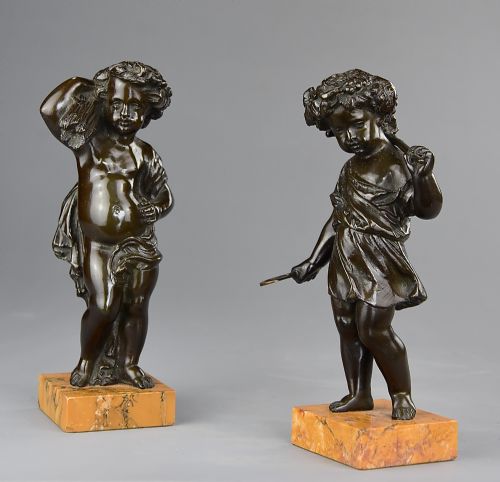
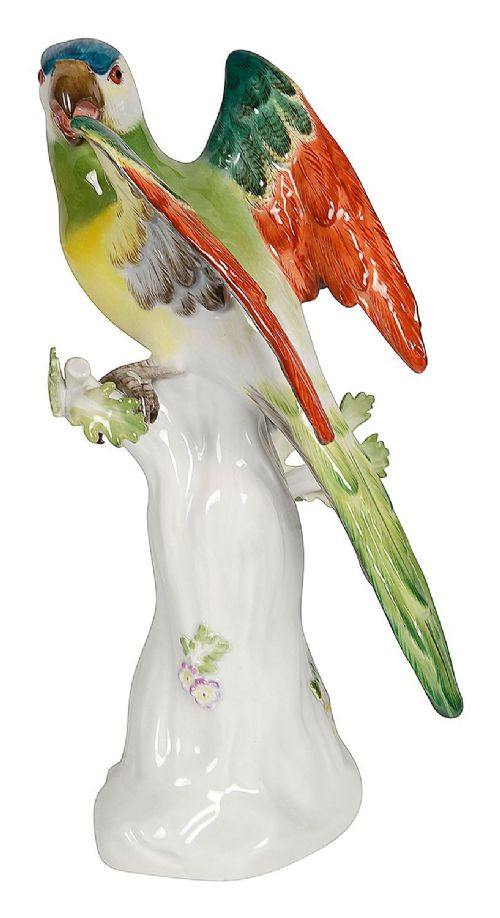
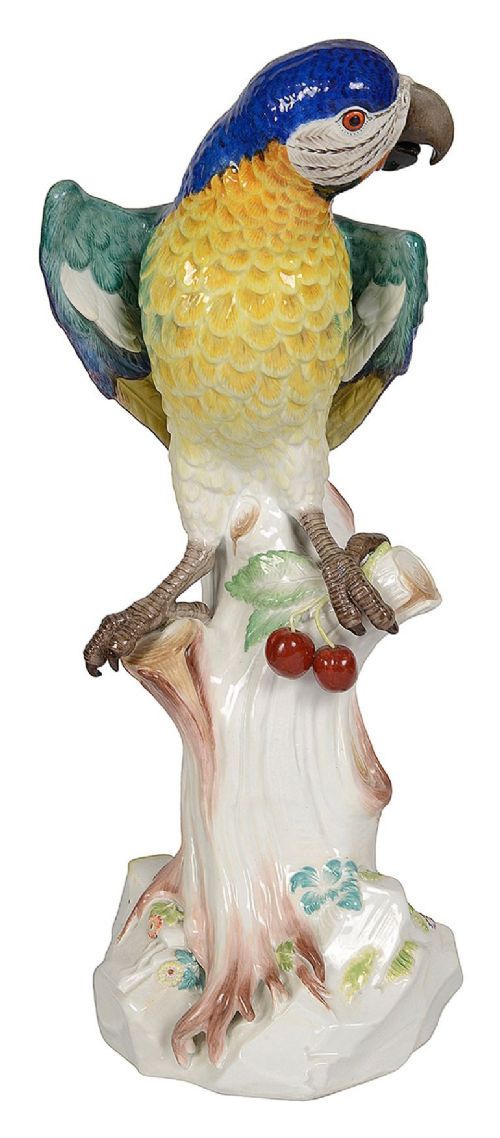
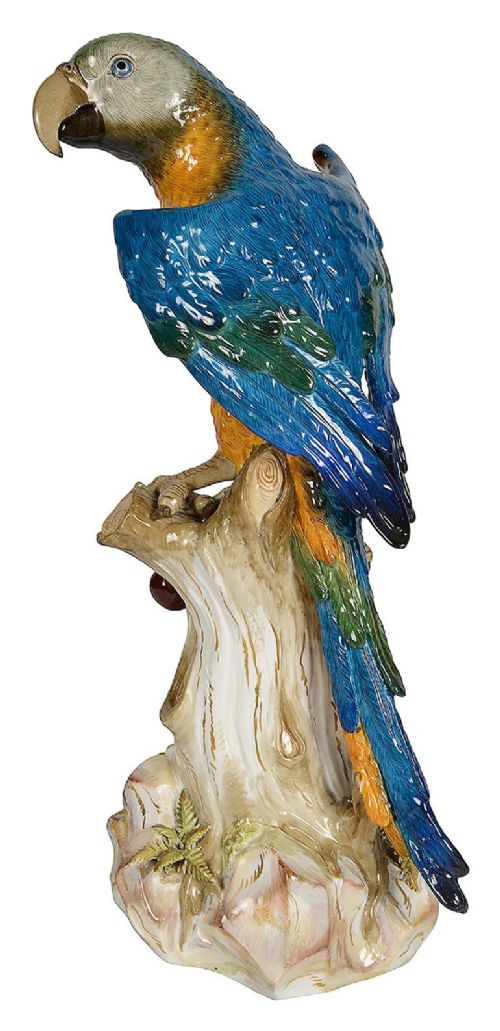
The objects appearing on this page include French foundry casts, Italian serpentine marble reductions, and Swiss linden wood carvings. Animal studies and allegorical figures recur across the selection alongside decorative mounts and porcelain studies.
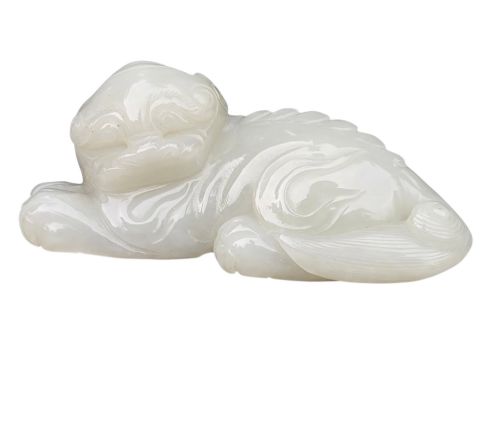
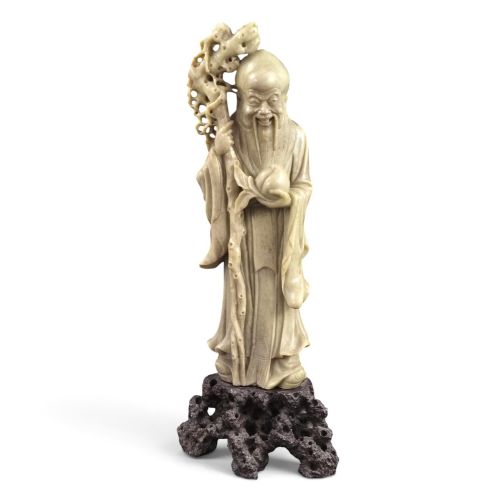
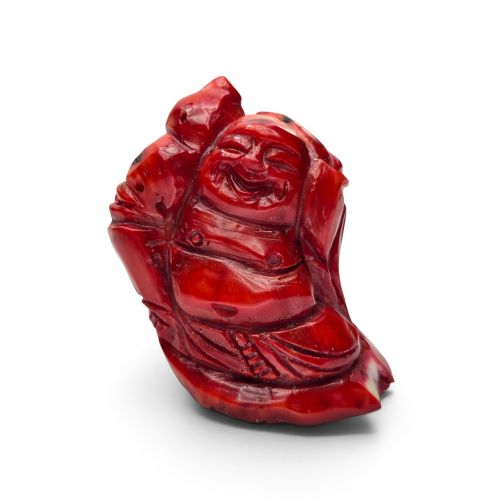
Buyers encounter works produced within distinct regional traditions, spanning European bronze casting centres to Asian jade and soapstone carving workshops. Each piece reflects the stylistic preferences of the Victorian era and contemporary international exhibitions.
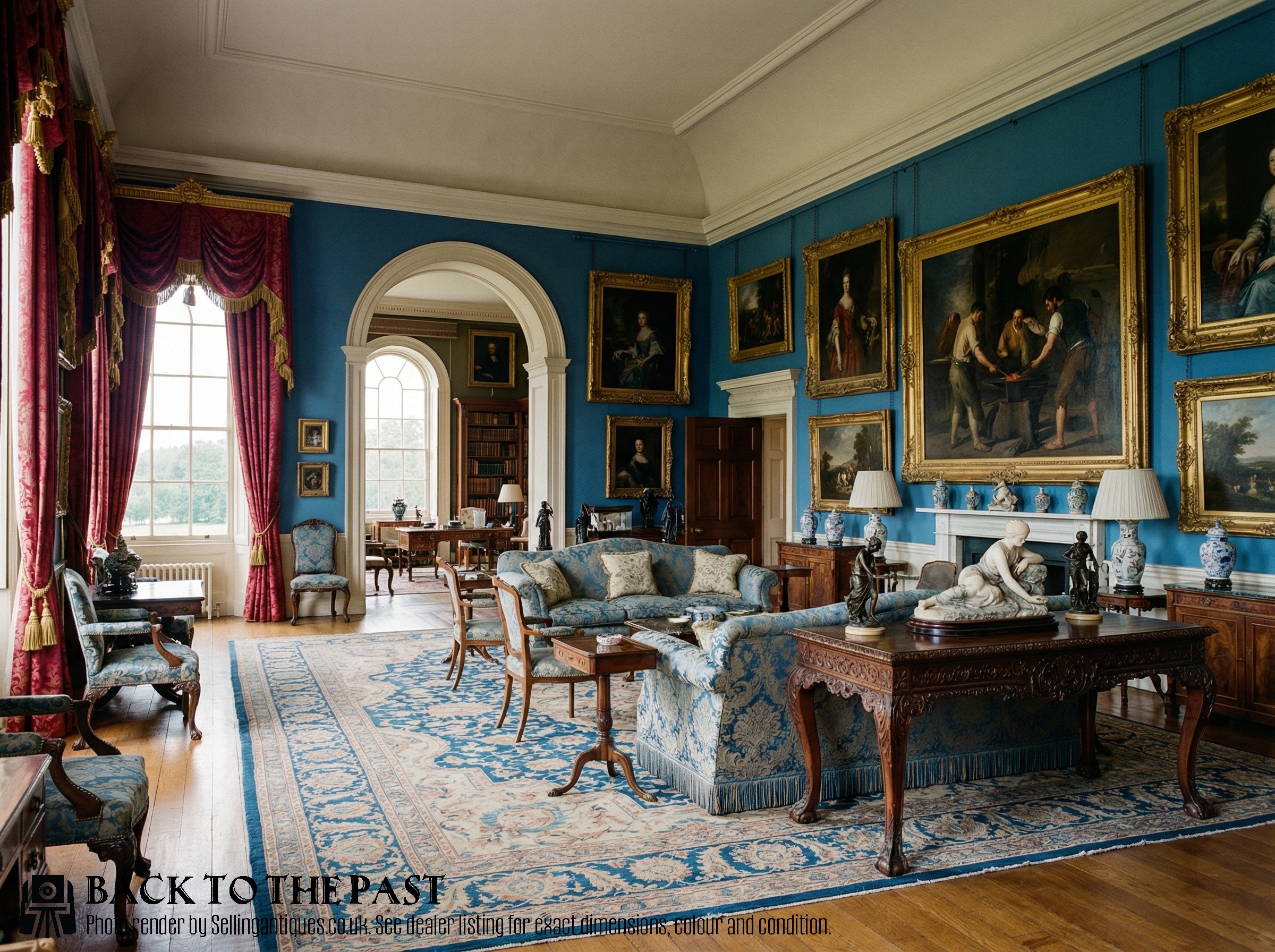
Materials and Construction
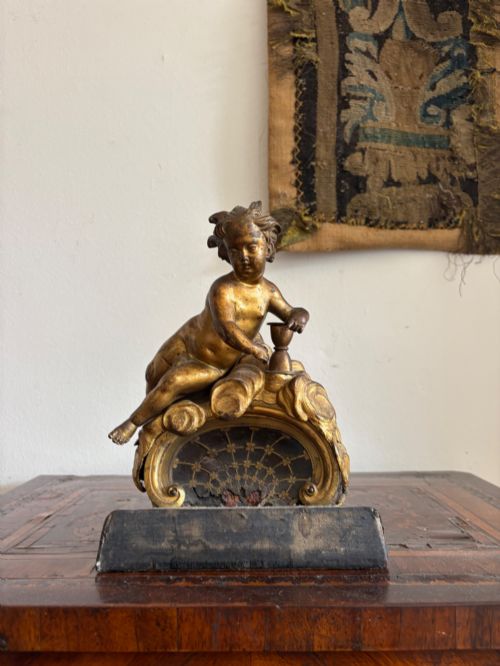
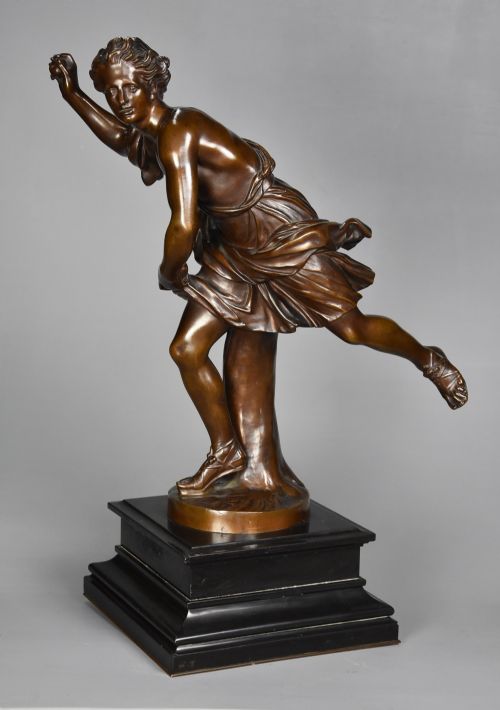
Foundries utilised the lost-wax casting method for intricate bronze figures, often applying chemical patination to achieve dark green or brown surfaces. Gilt bronze and ormolu finishes appear alongside bronzed spelter on various decorative ornaments.
Carvers shaped serpentine marble, white alabaster, soapstone, and linden wood using hand chisels and fine abrasives. Detail work on wood and ivory relies on deep relief cutting, while ceramic works utilise moulded parian porcelain and terracotta.
Late 19th Century Sculpture Retail Price Guide 2026
Typical asking prices for late 19th century sculpture among the pieces listed under this phrase on Sellingantiques today, from the lower quarter to the upper quarter. They describe what is for sale here now, not the wider market.
Several animals depicted in these sculptures appear remarkably stern, as though posing reluctantly for their portrait.
Distinctions in Quality
Material selection and depth of carving separate standard production pieces from master works. Finely carved linden wood displays distinct tool marks and complex undercut foliage, while superior marbles show careful polish and accurate proportions.
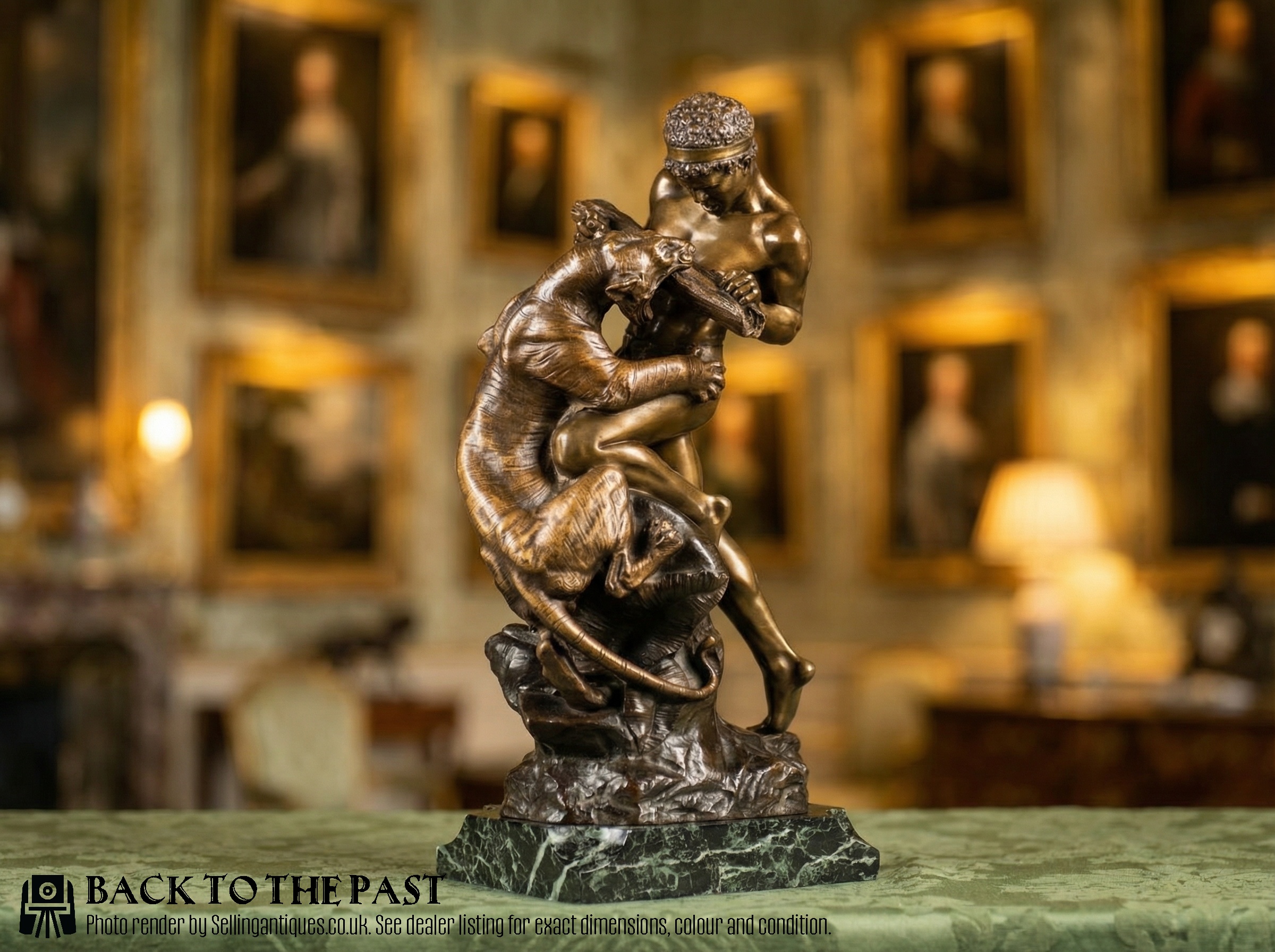
P J Mêne·Barbedienne·Émile Louis Picault·Emmanuel Villanis·Auguste Moreau·Franz Bergman
The Late 19th Century Sculpture Glossary
- Animalier
- A nineteenth-century artistic genre focusing on the realistic depiction of animals, particularly dogs, lions, and horses. Sculptors in this tradition studied live specimens in menageries.
- Grand Tour
- Souvenirs purchased by travellers visiting cultural sites in Italy and Greece, typically miniature bronzes or carved marbles after classical antiquities. These objects served as evidence of a classical education.
- Patination
- The chemical or natural coloration applied to the surface of metal or bronze sculptures. Dark green, brown, and golden tones protect the metal while defining sculptural shadows.
- Ormolu
- Gilt bronze ornamentation applied to furniture, clocks, or mounted upon marble bases. The technique involves fusing a mercury and gold amalgam to a bronze substrate through intense heat.
- Parian porcelain
- A fine-grained, unglazed ceramic material resembling white marble, developed in Staffordshire to produce classical figures. Manufacturers utilised this medium for portrait busts and miniature classical studies.
Late 19th Century Sculpture: Frequently Asked Questions
What is an animalier sculpture?
Animalier sculptures depict animals in naturalistic poses, capturing the tension and movement of wildlife or domestic pets. These pieces gained immense popularity across Europe during the nineteenth century.
Foundries cast these studies in bronze, often signing the base with the artist's name. Collectors prize them for their anatomical accuracy and expressive character.
How do I identify Grand Tour bronzes?
Grand Tour bronzes replicate famous classical statues encountered by travellers during European tours. They typically feature dark patination and rest upon marble or slate plinths.
These pieces range in scale from cabinet ornaments to desk-sized figures. Their surfaces often show wear consistent with age and handling.
What is spelter and how does it differ from bronze?
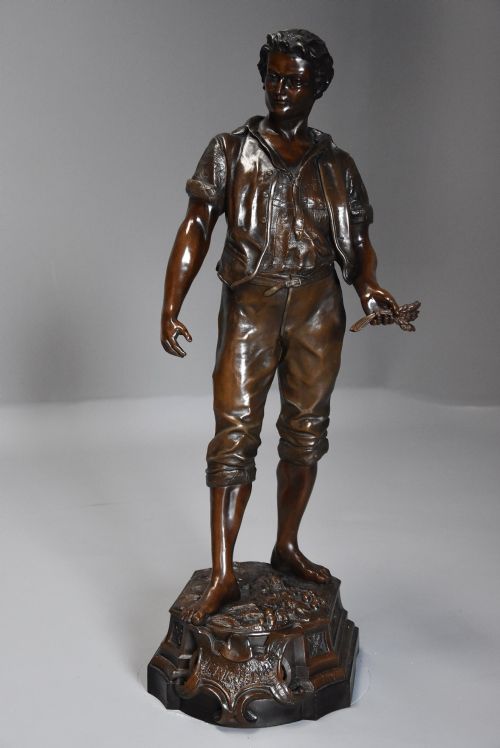
Spelter is a zinc-based alloy used as an economical alternative to bronze for decorative figures. It is lighter in weight and softer than bronze, requiring a bronzed or painted surface finish.
Sculptures cast in spelter often display similar forms to bronze works but lack the same metallic resonance and durability. Close inspection of the base reveals the lighter base metal beneath the finish.
Where were Black Forest carvings made?
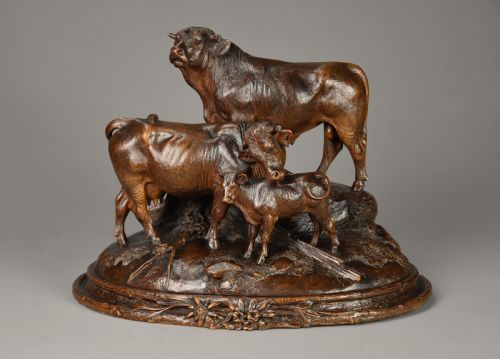
Black Forest carvings originated in the Brienz region of Switzerland, famous for detailed linden wood sculpture. Local artisans carved bears, deer, and forestry groups with distinct glass eyes and textured fur.
These works functioned as functional hall stands, clocks, or decorative table pieces. Stamped signatures from workshops occasionally appear on the undersides.