




French Art Nouveau Sculpture
When you collect french art nouveau sculpture, you secure fluid botanical figures and patinated bronze maidens from the turn of the twentieth century.
French Art Nouveau Sculpture
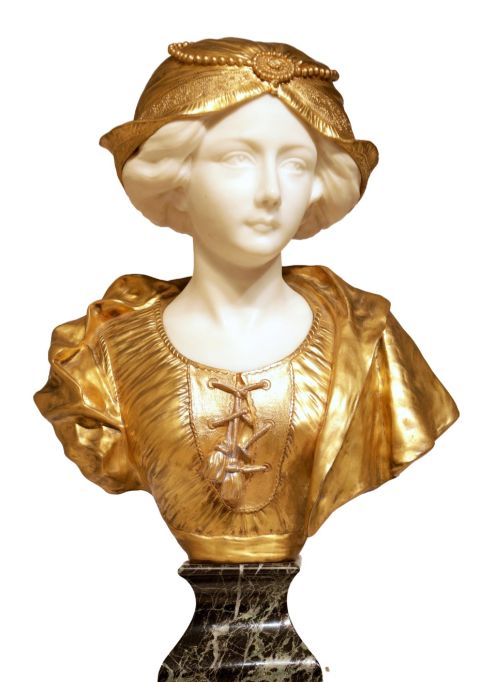
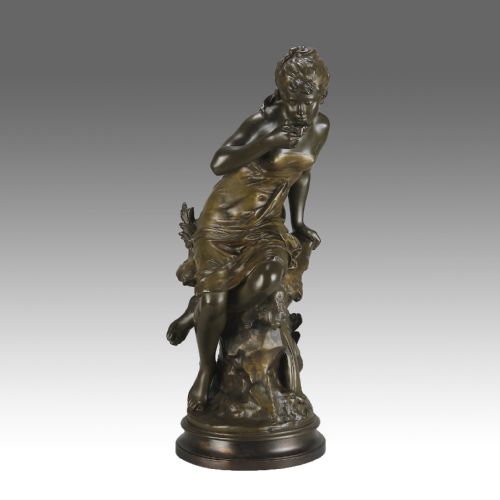
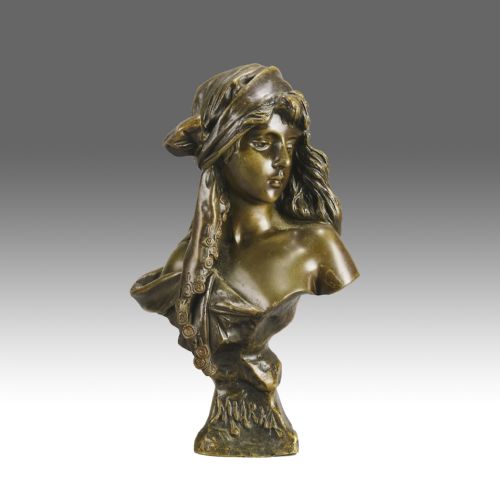
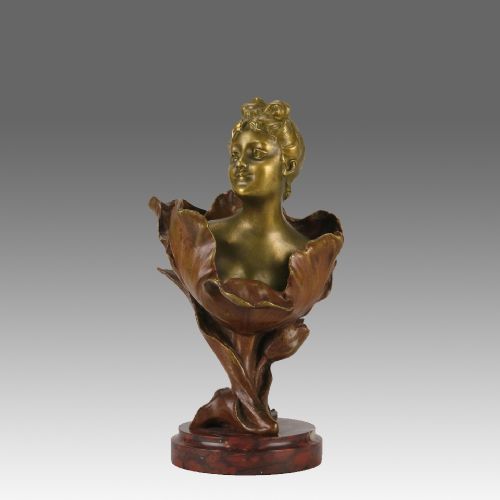
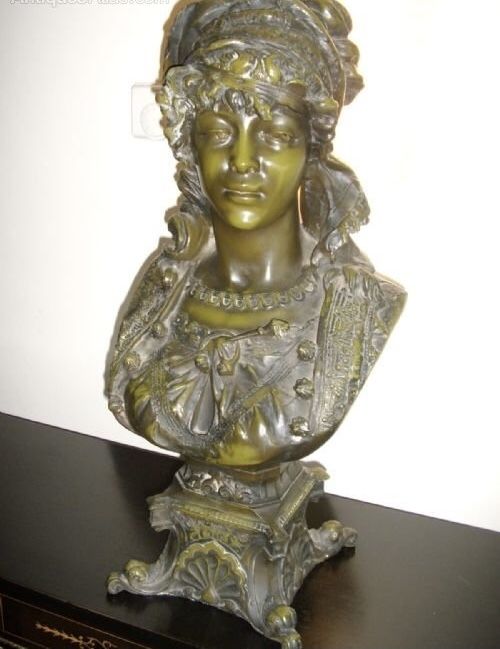
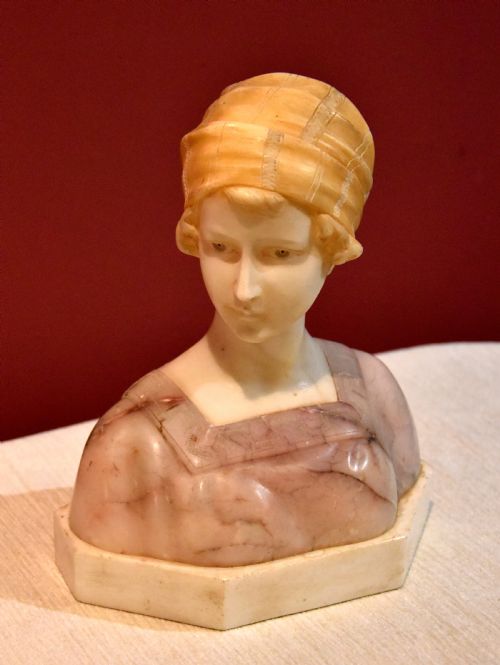
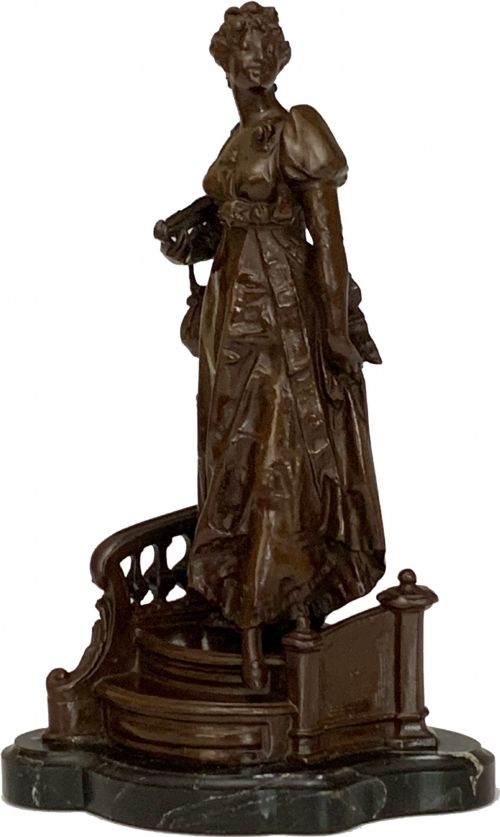
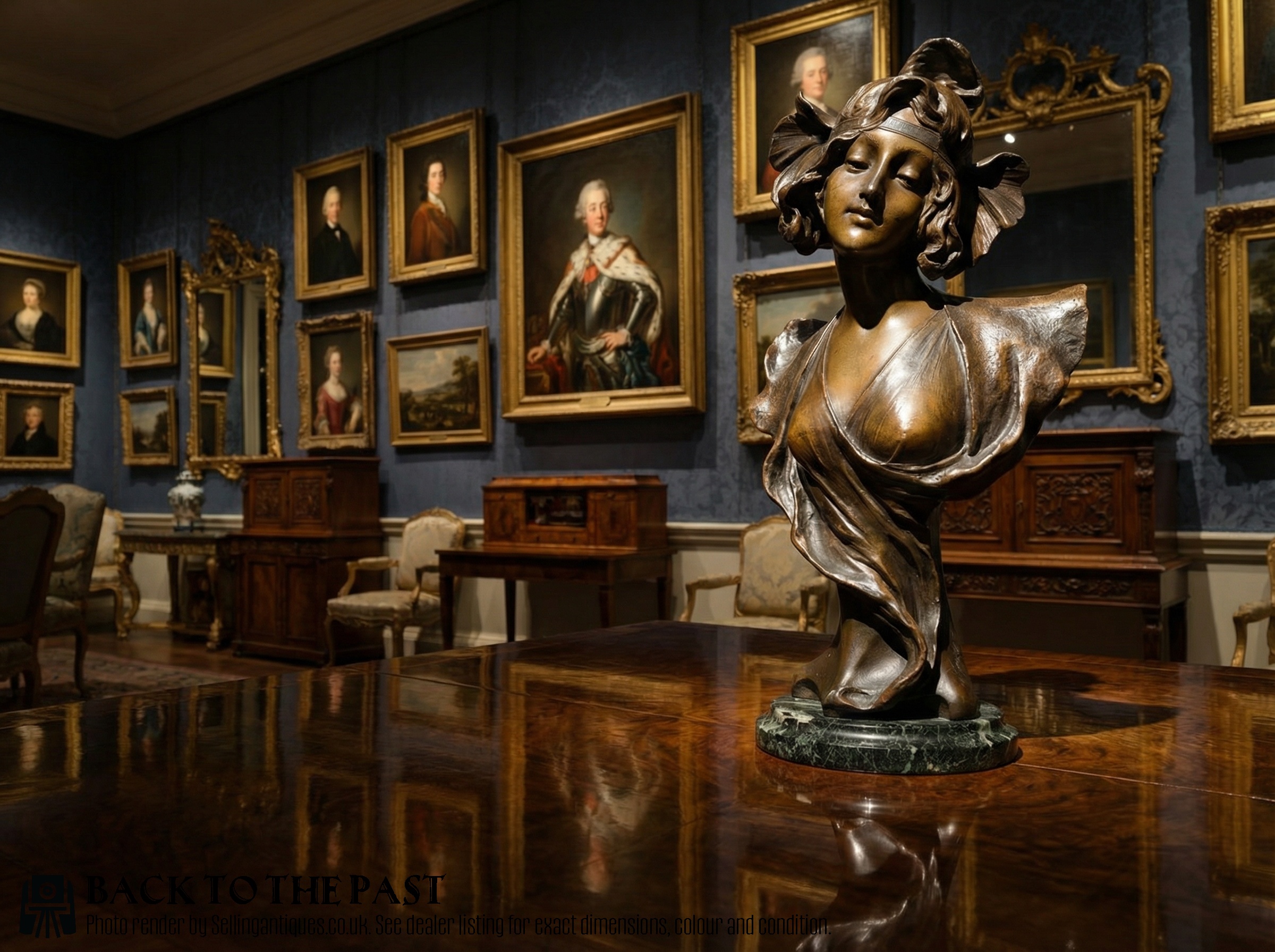
French art nouveau sculpture encompasses figurative bronzes, carved alabaster busts and patinated metal vessels created predominantly around the turn of the twentieth century. These pieces record the flowing lines, organic motifs and feminine allegories characteristic of the Belle Epoque and surrounding decades.
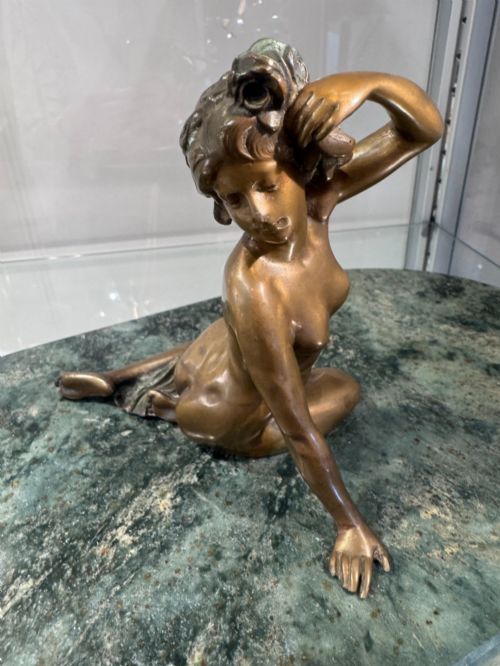
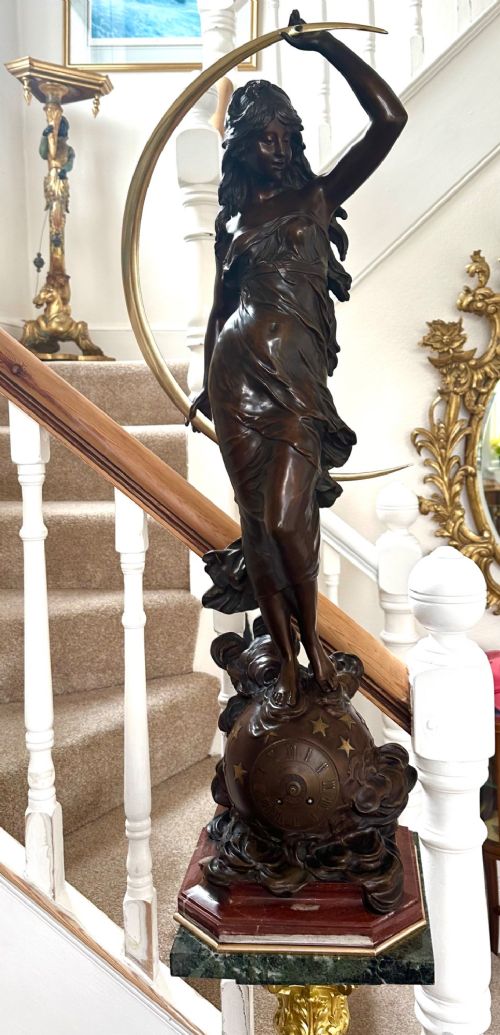
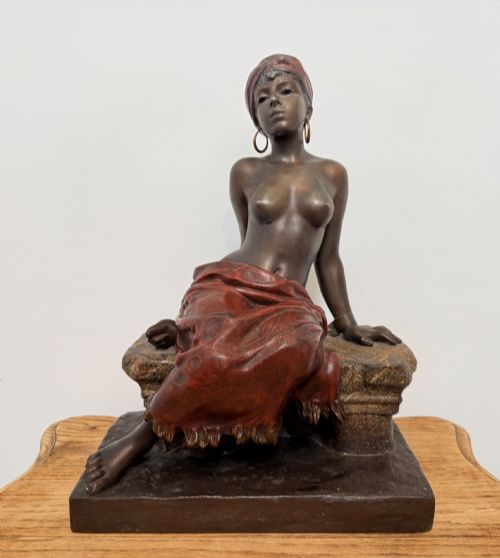
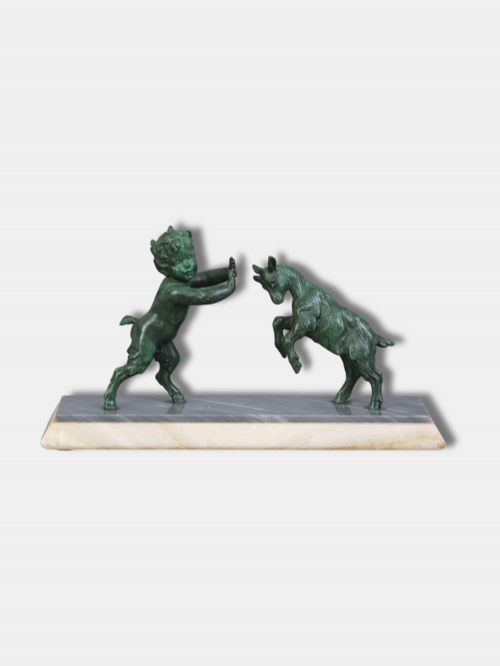
The versions most commonly met on this page include cast bronze female figures seated on marble bases, patinated metal busts signed by prominent foundry artists and figural lamps or vases. Many works take classical or mythological subjects such as nymphs, maidens and dancers, translating them into sinuous modern forms.
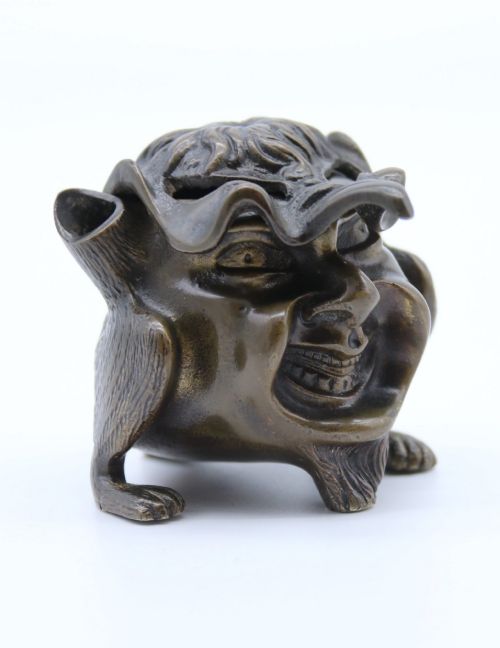
Makers and sculptors of the era utilised diverse materials ranging from cast spelter and terracotta to gilt bronze and carved marble. Collectors encounter everything from large cabinet statues to functional inkwells, desk seals and table lamps reflecting the aesthetic of the period.
Judging Quality
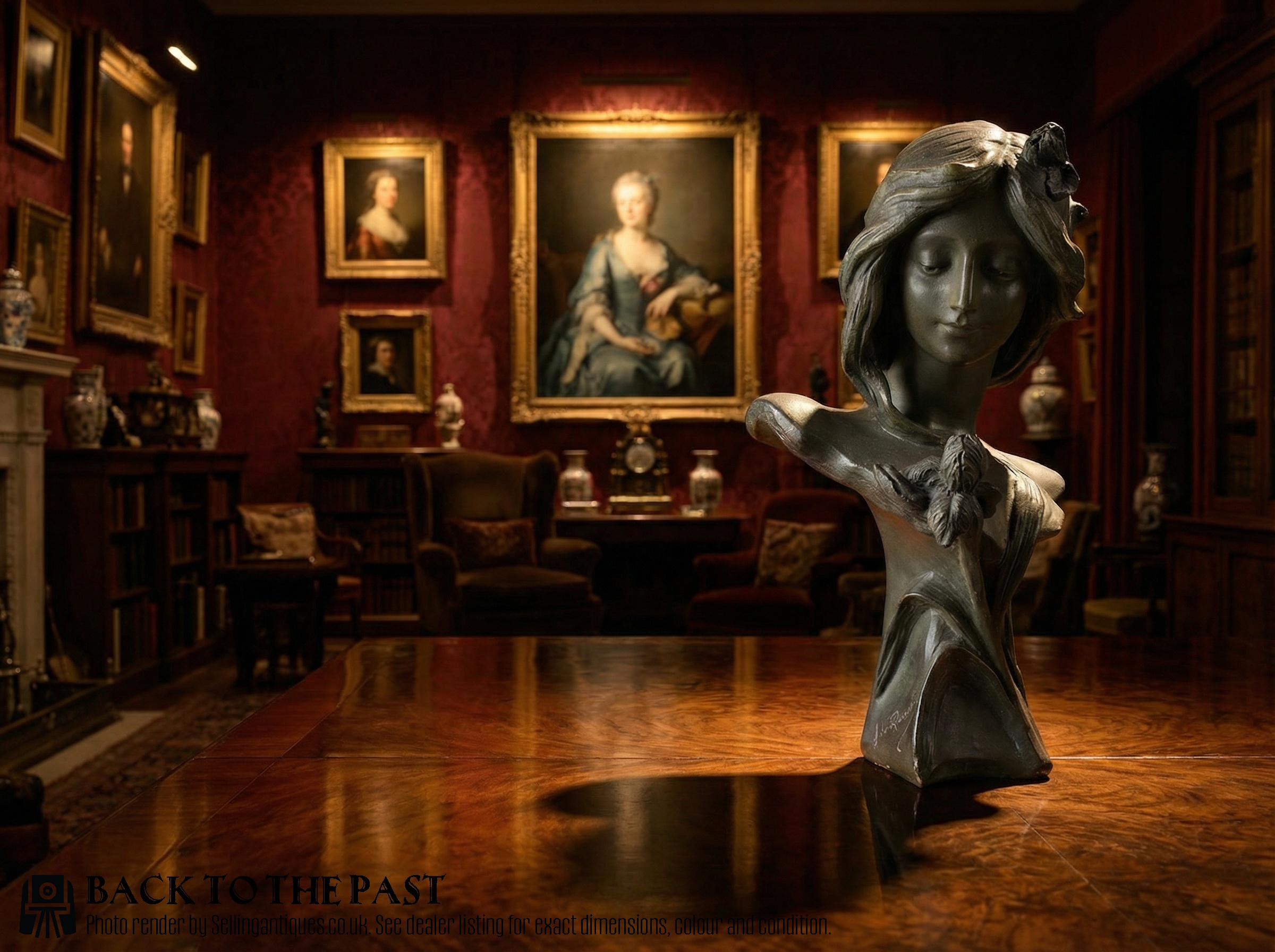
Quality rests upon the crispness of the cast and the sensitivity of the hand-finishing, which separates sharp foundry work from softened secondary casts. The depth and warmth of the patination, alongside the density and integration of the marble or alabaster base, determine the overall integrity of a piece.
Signatures of recognised sculptors and foundry cachets elevate an object, showing the direct hand or supervision of the original artist. The weight of the metal and the complexity of the figural grouping indicate the ambition of the original production.
French Art Nouveau Sculpture Retail Price Guide 2026
Typical asking prices for french art nouveau sculpture among the pieces listed under this phrase on Sellingantiques today, from the lower quarter to the upper quarter. They describe what is for sale here now, not the wider market.
Listings feature works spanning the nineteenth and twentieth centuries, constructed in bronze, marble, terracotta and spelter.

Emmanuel Villanis·Auguste Moreau·Georges Van Der Straeten·Edouard Drouot·Henri Godet·Charles Korschann·Luca Madrassi
The French Art Nouveau Sculpture Glossary
- Patina
- The surface coloration and chemical sheen developed on bronze over time or applied by the foundry. This finish protects the metal and defines the contours of the sculpture.
- Spelter
- A zinc alloy commonly utilised as a cost-effective alternative to bronze during the period. It accepts patination and metallic paint finishes to simulate heavier metals.
- Alabaster
- A fine-grained mineral stone carved into soft-hued busts and reclining figures. Its translucent quality allows light to penetrate the surface of the sculpture.
- Ormolu
- Gilded bronze applied to decorative objects and sculptural mounts. The technique involves fusing gold amalgam to a bronze base through heat.
- Verdi marble
- A distinctive green decorative stone frequently utilised for bases and plinths. It complements the dark patination of nineteenth-century bronze figures.
French Art Nouveau Sculpture: Frequently Asked Questions
How do I identify a spelter cast from bronze?
Spelter is a softer zinc alloy that feels lighter in the hand than bronze and often shows grey metal beneath worn areas of patination. Bronze maintains a heavier weight and a warmer underlying metallic tone where friction occurs.
Inspect the underside of the piece or mounting points for the distinct density and magnetic properties associated with each metal. Bronze resists bending under pressure, whereas spelter is more malleable.
What subjects are most common in these sculptures?
Allegorical female figures, mythological nymphs, dancers and romantic maidens dominate the sculptural output of this era. Artists drew heavily from nature, incorporating floral stems, hair garlands and sweeping drapery.
Functional items such as inkwells, vases and table lamps also adopted these organic motifs, blending utility with decorative form.
How should I clean a patinated bronze figure?
Dust the surface gently with a soft, dry brush to remove particulate matter without disturbing the chemical patina. Avoid liquid cleaners, polishes or abrasive cloths that strip the original surface finish.
Applying a microcrystalline wax very sparingly can protect the metal from atmospheric moisture. Consult a specialist conservator if deeper cleaning is required.